Choosing the right roof goes beyond picking a color or style. The material you select determines how long your roof lasts, how it handles storms, what maintenance it requires, and how much you'll spend upfront and over time. For homeowners in Eastern North Carolina, where salt air, high winds, and intense summer heat are part of life, understanding your options for roofing materials means making a choice that protects your home and your investment. Each material brings different strengths, costs, and considerations, and knowing what works best for coastal conditions helps you avoid surprises down the road.
Asphalt Shingles: The Most Common Choice
Asphalt shingles dominate residential roofing across the country for good reason. They balance affordability, availability, and performance in a way that works for most homeowners.
Why Asphalt Remains Popular
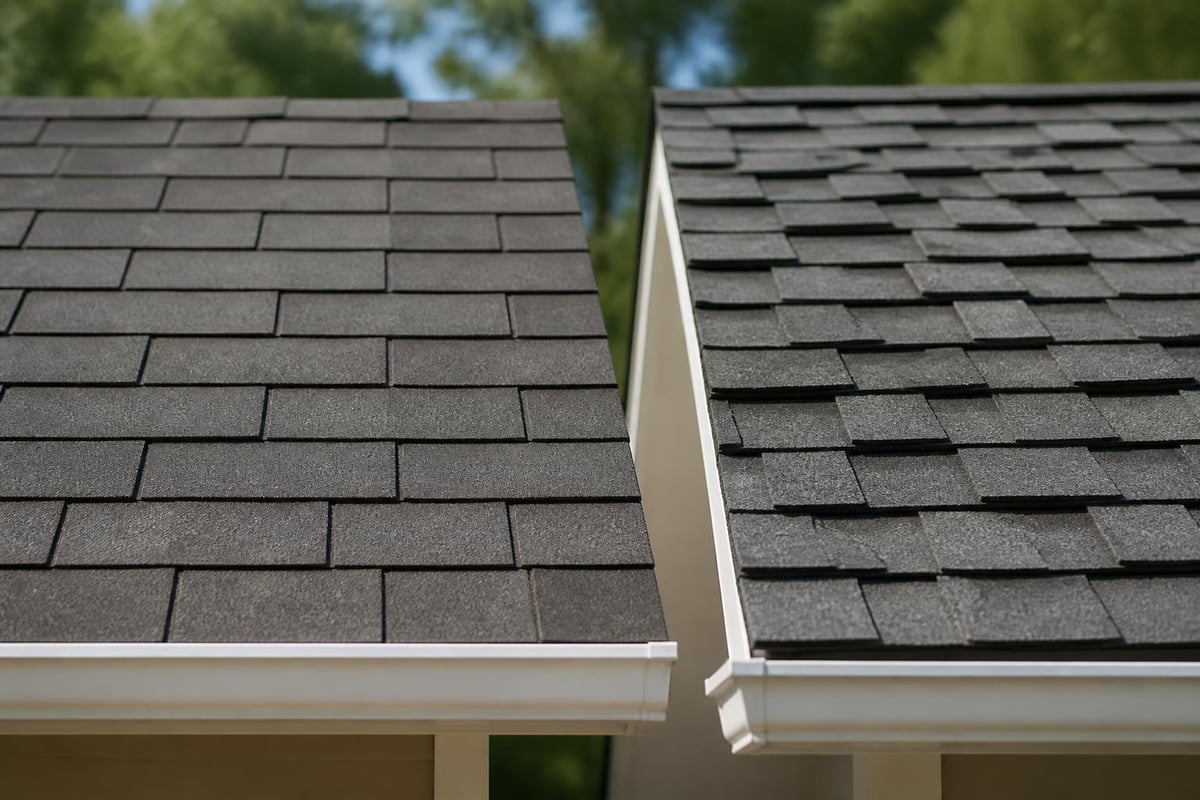
These shingles come in two main types: three-tab and architectural (also called dimensional). Three-tab shingles offer a flat, uniform look and represent the budget-friendly option. Architectural shingles add depth and texture, last longer, and handle wind better, making them the better choice for coastal areas.
Key benefits include:
- Lower upfront cost compared to most alternatives
- Wide range of colors and styles
- Straightforward installation by experienced crews
- Readily available replacement materials
- Decent wind resistance ratings when properly installed
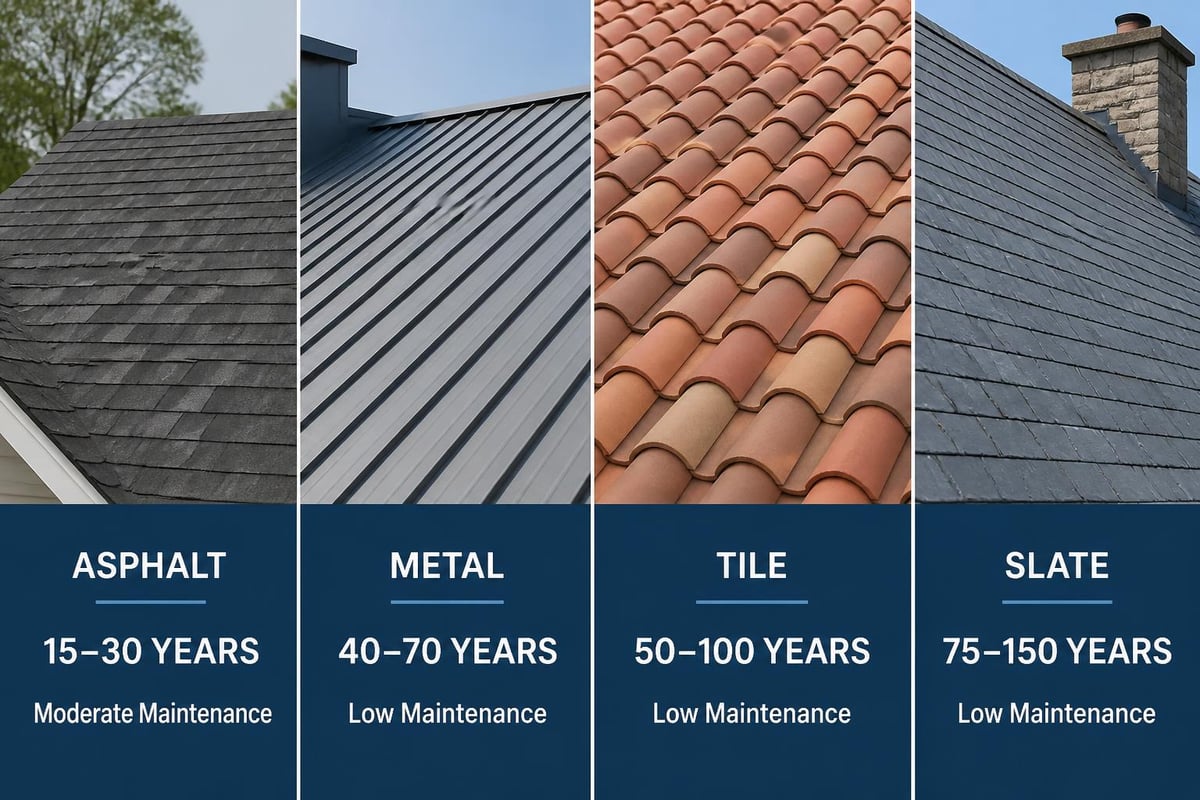
The National Roofing Contractors Association notes that asphalt shingles typically last 15-30 years depending on quality and climate conditions. In Eastern NC, expect the shorter end of that range due to UV exposure and weather intensity.
What to Watch For
Salt air accelerates wear on asphalt materials. Regular inspections help catch issues like granule loss, cracking, or lifted shingles before they become leaks. Quality matters significantly, so choosing a higher-grade architectural shingle usually makes sense for coastal homes even though it costs more initially.
Metal Roofing: Built for Coastal Conditions
Metal roofing has moved beyond barns and commercial buildings into mainstream residential use, especially in areas where durability matters most.
Types of Metal Roofing
Metal options for roofing materials include standing seam panels, metal shingles, and corrugated sheets. Standing seam represents the premium choice with concealed fasteners and clean lines. Metal shingles mimic traditional roofing patterns while adding metal's durability.
| Metal Type | Lifespan | Wind Resistance | Cost Range |
|---|---|---|---|
| Standing Seam | 40-70 years | Excellent (120+ mph) | $$$$ |
| Metal Shingles | 30-50 years | Very Good (110+ mph) | $$$ |
| Corrugated Panels | 20-40 years | Good (90+ mph) | $$ |
According to This Old House, metal roofs reflect solar heat, reducing cooling costs by 10-25% in hot climates. That matters during Eastern NC summers.
Coastal Performance
Metal handles salt exposure better than most materials when properly coated. Look for galvanized steel with additional protective finishes or aluminum, which resists corrosion naturally. The wind resistance of metal roofing makes it ideal for hurricane-prone areas, though proper installation is critical.
Advantages for coastal homes:
- Superior wind uplift resistance
- No algae or moss growth
- Minimal maintenance requirements
- Fire resistant
- Lightweight compared to tile or slate
The upfront cost runs 2-3 times higher than asphalt, but the longer lifespan often balances out when you consider replacement cycles.
Tile and Clay: Traditional Durability
Clay and concrete tiles bring a distinctive look and exceptional longevity, though they're not as common in Eastern NC as in other regions.
Understanding Tile Options
Clay tiles offer natural beauty and can last 50-100 years. Concrete tiles cost less while still providing 30-50 years of service. Both require significant structural support due to their weight.
The heavy weight means older homes may need structural reinforcement before installation. That adds cost and complexity to what's already an expensive roofing choice. Modernize points out that tile roofs can weigh 750-900 pounds per square (100 square feet) compared to 200-350 pounds for asphalt.
Climate Considerations
Tile handles heat well and resists fire, insects, and rot. However, individual tiles can crack during severe hail or from foot traffic during maintenance. Replacement tiles need to match the originals, which can be challenging years later.
In coastal areas, wind-driven debris poses a risk. While the tiles themselves resist wind, impacts can cause damage. The high cost of installation and repairs makes tile a significant commitment.
Slate: Premium Natural Stone
Slate represents the longest-lasting roofing option available, with properly maintained roofs serving homes for a century or more.
Why Slate Costs More
Natural slate comes from quarried stone, split into thin tiles. The material itself is expensive, requires specialized installation skills, and demands structural support similar to tile. Few roofers have the expertise to work with slate properly.
Slate characteristics:
- Lifespan of 75-200 years depending on slate grade
- Natural color variations that don't fade
- Completely fireproof and weather resistant
- Minimal maintenance beyond occasional repairs
- Highest upfront cost of common roofing materials
The weight and cost make slate rare in Eastern NC. When you see it, it's usually on historic properties or high-end custom homes.
Synthetic and Composite Materials
Manufacturers have developed synthetic options for roofing materials that mimic traditional looks while offering modern performance.
Composite Shingles
These products use recycled materials, polymers, and rubber to create shingles that look like slate, shake, or tile without the weight or cost. Quality varies significantly between manufacturers.
Better composite products offer good durability, lighter weight than natural materials, and resistance to impact and weather. They cost more than asphalt but less than what they're imitating. As discussed by Homes & Gardens, some composite materials include advanced UV protection and enhanced wind ratings.
Long-Term Performance
The technology is newer than traditional materials, so long-term performance data is still developing. Warranties typically range from 30-50 years, though actual service life in coastal conditions remains to be seen. When considering composites, check manufacturer specifications for salt air resistance and wind ratings specific to coastal zones.
Wood Shakes and Shingles: Natural Aesthetics
Cedar shakes and shingles create a distinctive natural look that some homeowners prefer despite higher maintenance needs.
Why Wood Works Differently
Wood roofing breathes, naturally resists insects, and provides good insulation. Cedar contains natural oils that help resist decay. The material ages to a weathered gray unless treated with stains or preservatives.
In coastal environments, wood faces challenges. Salt air accelerates deterioration. High humidity promotes moss and algae growth. The material requires regular treatment and inspection to reach its 20-30 year potential lifespan.
Wood roofing demands:
- Annual inspections for damage or wear
- Treatment for moss, algae, and mildew
- Fire retardant applications in many areas
- Regular cleaning to prevent debris buildup
- Higher insurance costs due to fire risk
Many coastal communities have building codes that restrict or prohibit wood roofing due to fire concerns. Check local regulations before considering this option.
Climate-Specific Factors for Eastern NC
Coastal North Carolina creates specific demands that influence which options for roofing materials make the most sense.
Salt Air and Moisture
Constant exposure to salt-laden air corrodes metal fasteners, degrades organic materials, and accelerates wear on most roofing products. Materials need either natural resistance (like certain metals) or protective coatings that hold up over time. For homeowners dealing with existing damage, understanding when roof repair makes sense versus full replacement depends partly on how well the current material is handling coastal conditions.
Wind Loads and Hurricane Preparedness
Building codes in coastal zones require higher wind ratings. Look for materials rated for sustained winds of 110+ mph and installations that meet or exceed local requirements. The attachment method matters as much as the material itself.
American Roofing Guide provides climate-specific recommendations that emphasize proper installation techniques for high-wind areas.
Heat and UV Exposure
Summer temperatures and intense UV radiation break down roofing materials faster than in cooler climates. Reflective materials or light colors help reduce heat absorption. Quality matters more in harsh climates because cheaper materials fail sooner.
Cost Comparison and Value Analysis
Understanding the full cost picture helps homeowners make informed choices about roofing materials.
Initial Investment vs. Lifespan
The cheapest upfront option isn't always the best value. Comparing cost per year of service gives a clearer picture.
| Material | Installed Cost/Sq | Expected Life | Annual Cost |
|---|---|---|---|
| Asphalt (3-tab) | $350-500 | 15-20 years | $20-33 |
| Asphalt (architectural) | $450-650 | 20-30 years | $18-33 |
| Metal (standing seam) | $900-1,400 | 40-70 years | $13-35 |
| Tile (concrete) | $800-1,200 | 30-50 years | $16-40 |
| Composite | $600-900 | 30-50 years | $12-30 |
These figures represent typical ranges but vary based on home complexity, roof pitch, and local labor rates. Getting detailed estimates for your specific situation provides the real numbers you need.
Hidden Costs to Consider
Some materials require specific underlayment, specialty fasteners, or structural modifications. Removal and disposal of old roofing adds to replacement costs. Complex roof designs with multiple valleys, dormers, or steep pitches increase labor costs regardless of material choice.
Maintenance expenses vary significantly. Metal and tile need minimal ongoing care. Asphalt requires periodic inspection and occasional repairs. Wood demands regular treatment and cleaning.
Making the Right Choice for Your Home
Selecting from available options for roofing materials requires balancing multiple factors specific to your situation.
Questions to Ask
Consider these factors:
- How long do you plan to own the home?
- What's your total budget including installation?
- Does your home's structure support heavier materials?
- What maintenance are you willing to perform?
- How important is energy efficiency?
- What look do you prefer?
Your answers guide you toward materials that fit your needs. A homeowner planning to sell in five years makes different choices than someone in their forever home.
Professional Assessment Matters
An experienced local roofer understands which materials perform best in Eastern NC's coastal climate. They can identify structural limitations, explain code requirements, and provide accurate cost estimates. More resources about roofing decisions are available through NC Roofs.
When to Prioritize Durability
Homes in the direct coastal zone, properties with exposure to severe weather, or situations where replacing a roof causes significant disruption (like in multi-story homes or buildings with solar panels) all benefit from investing in longer-lasting materials. The premium you pay upfront can prevent future headaches.
Installation Quality Equals Material Performance
Even the best roofing material fails prematurely when installed incorrectly. Quality installation requires proper techniques specific to each material type.
What Proper Installation Includes
Correct underlayment selection and installation creates the water barrier behind the visible roofing. Ventilation systems prevent heat and moisture buildup that shortens material life. Flashing around chimneys, vents, and valleys must be installed according to manufacturer specifications. Fastener type, placement, and quantity all matter.
For metal roofing, thermal movement must be accommodated. Tile and slate need proper batten spacing and attachment methods. Asphalt shingles require specific nailing patterns and starter strips. Shortcuts during installation create problems that show up later as leaks or wind damage.
Warranty Considerations
Material warranties typically don't cover installation defects. Many manufacturers offer enhanced warranties only when their certified contractors perform the installation using approved methods. Understanding warranty coverage helps you know what's actually protected.
Workmanship warranties from the installing contractor matter as much as material warranties. A company standing behind their work for 10+ years demonstrates confidence in their installation quality.
Matching Materials to Architecture
Different home styles work better with certain roofing materials. Coastal homes range from traditional beach cottages to modern designs, each with aesthetic considerations.
Architectural Compatibility
Craftsman-style homes often feature wood shakes or dimensional shingles. Mediterranean or Spanish-influenced designs call for tile roofing. Modern contemporary homes might use standing seam metal or flat panels. Colonial and traditional styles typically use asphalt or slate.
Matching the roof to your home's character creates visual harmony. That said, quality materials properly installed matter more than strict adherence to traditional pairings. A metal roof on a cottage or architectural shingles on a modern home can work well.
Neighborhood Context
While your personal preference matters most, considering surrounding homes helps maintain property values. A home that looks dramatically different from neighboring properties can be harder to sell. Coastal communities often have specific architectural guidelines or HOA requirements that limit material choices.
Choosing among the many options for roofing materials means weighing performance, cost, aesthetics, and how each material handles Eastern North Carolina's coastal conditions. The right roof protects your investment while fitting your budget and long-term plans. Whether you're replacing storm damage, upgrading from an aging roof, or building new, understanding material differences helps you make a confident decision. NC Roofs provides honest assessments and clear guidance for homeowners across Topsail, Surf City, Holly Ridge, and Wilmington, helping you choose the best roof at the best price without unnecessary upsells.