Finding qualified north carolina roofers means understanding what sets this state apart from others. Between strict licensing requirements, coastal weather patterns, and building code updates, Eastern North Carolina presents unique roofing challenges. Homeowners in Topsail, Wilmington, Surf City, and surrounding areas need roofers who understand both regulatory compliance and coastal conditions. This guide walks through what makes North Carolina's roofing landscape different, how to identify qualified contractors, and what homeowners should expect when hiring local professionals.
Licensing Requirements for North Carolina Roofers
North Carolina enforces specific licensing thresholds that separate licensed contractors from unlicensed handymen. Any roofing project exceeding $30,000 requires a state-issued license, while projects between $1,000 and $30,000 can be performed by contractors with an unlimited license or specialty classification. According to North Carolina contractor licensing regulations, these requirements exist to protect homeowners from unqualified work.
The licensing structure breaks down into several categories:
- Unlimited General Contractors (can handle any roofing project size)
- Intermediate General Contractors (projects up to $500,000)
- Limited General Contractors (projects up to $100,000)
- Roofing Specialty Contractors (roofing-specific work within their classification)
Small repair jobs under $1,000 don't require a contractor license, but homeowners should still verify insurance coverage and experience. Even minor roof repairs can create liability issues if performed incorrectly.
Verification Steps for Homeowner Protection
Before hiring north carolina roofers, homeowners should request license numbers and verify them through the North Carolina Licensing Board for General Contractors. This verification confirms the contractor's legal standing, any disciplinary actions, and insurance requirements.
Most qualified roofers will provide this information upfront without hesitation. If a contractor avoids discussing licensing or claims exemptions that don't match the project scope, that's a warning sign worth heeding.

Building Code Compliance in Eastern North Carolina
The North Carolina Building Code sets specific roofing requirements that vary based on roof type, slope, and location. Coastal communities face additional wind load requirements that inland areas don't encounter. Qualified north carolina roofers understand these distinctions and design installations accordingly.
Wind speed ratings matter significantly in Eastern North Carolina. The coastal zone requires roofing systems rated for higher wind speeds, typically 140 mph or greater in certain areas. This affects everything from shingle selection to underlayment choices and fastening patterns.
| Building Code Element | Coastal Requirement | Impact on Installation |
|---|---|---|
| Wind Speed Rating | 140+ mph zones | Enhanced fastening, specific shingle types |
| Underlayment | Ice and water shield in valleys | Additional protection layers |
| Minimum Slope | Varies by material | Affects material eligibility |
| Flashing Standards | Corrosion-resistant materials | Saltwater environment consideration |
Underlayment Standards and Material Selection
North Carolina roof underlayment requirements specify minimum standards that protect against moisture intrusion. Coastal environments demand more than just meeting minimums. Salt air, humidity, and storm exposure mean underlayment choices directly affect roof longevity.
Synthetic underlayment has become increasingly popular in Eastern North Carolina because it handles moisture better than traditional felt paper. The material doesn't deteriorate as quickly in humid conditions and provides superior tear resistance during installation.
Qualified roofers explain these material differences rather than defaulting to the cheapest option. The conversation should include why certain underlayments make sense for specific homes based on roof pitch, tree coverage, and exposure to coastal weather.
Storm Damage and Insurance Considerations
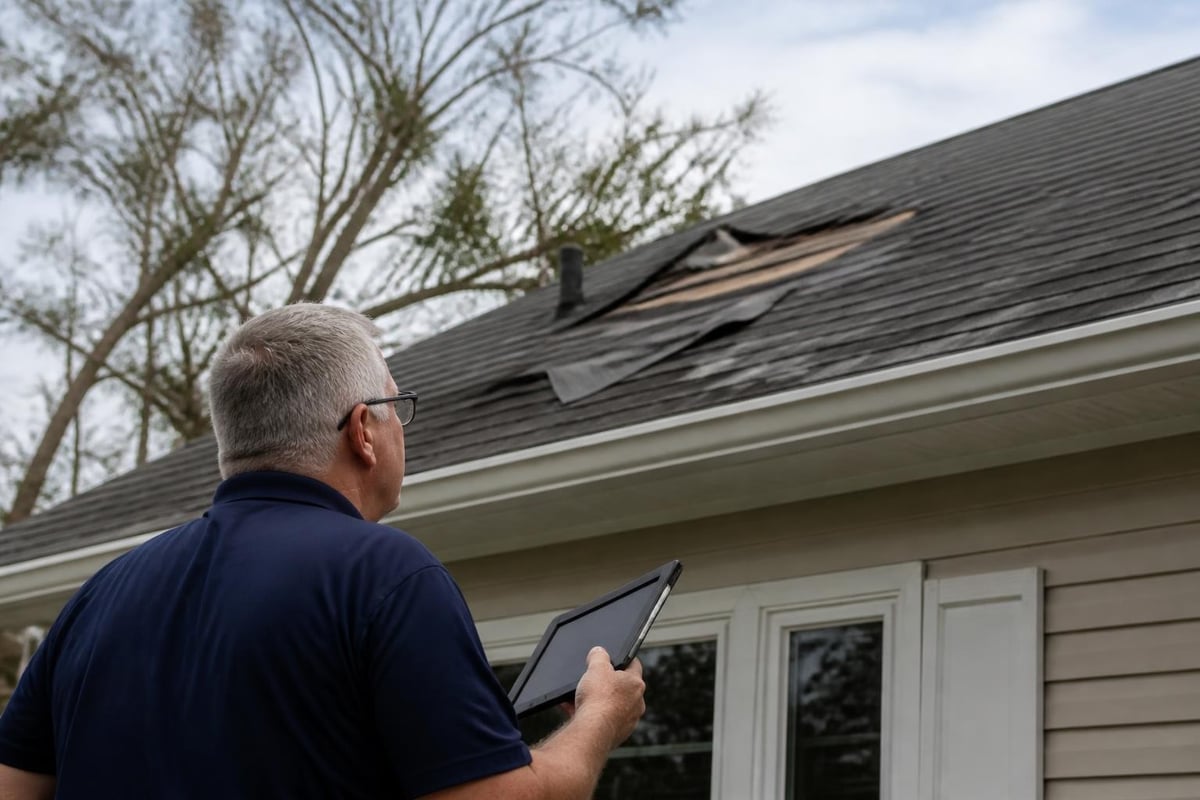
Eastern North Carolina experiences regular hurricane seasons, tropical storms, and severe thunderstorms that test every roof. North carolina roofers familiar with coastal conditions recognize storm damage patterns that inexperienced contractors might miss.
Common storm damage includes:
- Wind-lifted shingles exposing underlayment
- Granule loss from hail or wind-driven debris
- Flashing separation around chimneys and vents
- Soffit and fascia damage from wind pressure
- Valley deterioration from concentrated water flow
Insurance claims require proper documentation showing damage extent and repair necessity. Some roofers specialize in working with insurance adjusters, while others prefer to avoid the claims process entirely. Neither approach is wrong, but homeowners should know which type they're hiring.
When to Pursue an Insurance Claim
Not every roof issue warrants an insurance claim. Small repairs often cost less than deductibles, and filing claims for minor damage can affect future premiums. Experienced north carolina roofers help homeowners evaluate whether filing makes financial sense.
A roof report provides documented findings that support insurance claims when warranted. Photos, measurements, and clear explanations of damage help adjusters understand repair necessity without homeowners navigating technical details alone.
The report approach also protects homeowners from unnecessary claims. If damage doesn't exceed the deductible or falls under normal wear, having that information upfront prevents wasted time with insurance companies.
Cost Factors Specific to North Carolina
Roofing costs in North Carolina reflect both material prices and regional labor rates. Coastal areas typically see higher costs due to transportation, stricter building codes, and seasonal demand fluctuations. Understanding these factors helps homeowners budget realistically.
A standard asphalt shingle roof replacement in Eastern North Carolina ranges from $8,000 to $15,000 for an average-sized home, but variables add up quickly. Roof pitch, accessibility, material selection, and removal requirements all influence final costs.
Pricing considerations include:
- Material grade: Architectural shingles cost more than three-tab but last longer
- Deck repairs: Rotted plywood adds $75-$150 per sheet replaced
- Flashing upgrades: Proper metal flashing prevents future leaks
- Ventilation improvements: Ridge vents and soffit vents extend roof life
- Disposal fees: Coastal disposal costs exceed inland areas
Repair vs. Replacement Economics
Not every damaged roof needs full replacement. Qualified north carolina roofers assess whether localized repairs make more financial sense than tearing off the entire system. A $1,200 repair that adds five years of life often beats a $12,000 replacement if the roof already has 15 years remaining.
The decision hinges on damage extent, roof age, and homeowner plans. Someone selling within two years might choose a targeted repair over replacement. Someone planning to stay 15 years might prefer replacement despite higher upfront costs.
Honest roofers present both options with clear cost-benefit analysis. Pressure to replace when repair would suffice signals either inexperience or profit motivation over homeowner interests.
Regulatory Oversight and Consumer Protection
The regulatory framework for North Carolina roofing includes licensing boards, building inspectors, and consumer protection laws. These systems exist because roofing involves significant investment and safety implications. Homeowners benefit when they understand how these protections work.
Building permits trigger inspections that verify code compliance. Some north carolina roofers try avoiding permits to save time or hide substandard work. This approach creates liability for homeowners and voids most manufacturer warranties.
Permitted work provides documentation for future sales, insurance claims, and warranty coverage. The inspection process catches installation errors before they become expensive problems.
Home Inspector Standards for Roofing
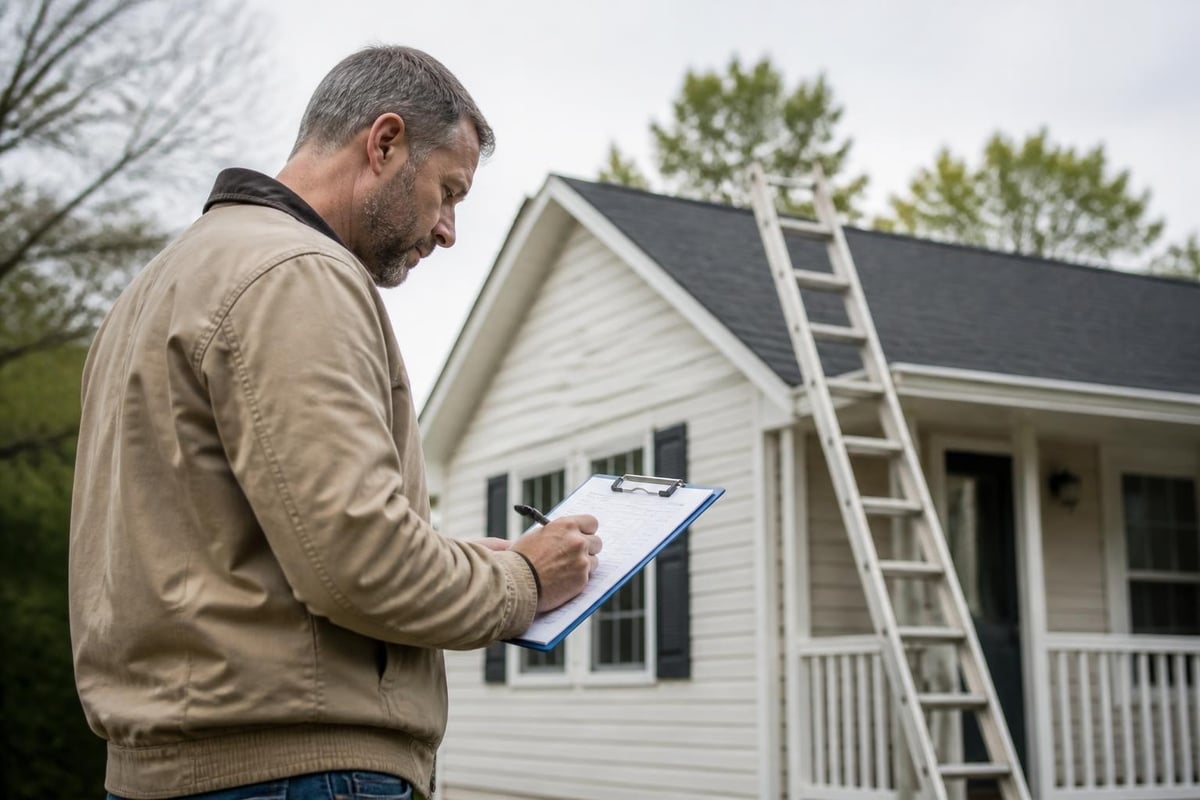
North Carolina home inspector standards outline what inspectors must evaluate during roof inspections. These standards help homeowners understand what gets examined during pre-purchase inspections versus what requires specialized roofing evaluation.
Home inspectors identify visible concerns but don't determine remaining roof life or assess internal damage. That's where roofing specialists provide additional value through detailed condition assessments.
| Inspection Type | What's Covered | What's Excluded |
|---|---|---|
| Home Inspection | Visible damage, general condition | Remaining life estimates, hidden damage |
| Roofing Assessment | Detailed condition analysis, repair recommendations | Structural engineering issues |
| Insurance Inspection | Coverage eligibility, damage documentation | Maintenance recommendations |
Regional Weather Patterns and Material Performance
Eastern North Carolina's climate combines high humidity, salt air, intense UV exposure, and hurricane-force winds. These conditions affect material performance differently than inland or northern climates. North carolina roofers working coastal areas should understand which materials hold up best.
Asphalt shingles remain the most common choice, but not all shingles perform equally. Class 4 impact-resistant shingles offer hail protection, while algae-resistant formulations prevent the black streaking common in humid climates.
Material performance in coastal conditions:
- Asphalt shingles: 20-30 year lifespan, requires algae-resistant treatment
- Metal roofing: 40-70 year lifespan, superior wind resistance, higher upfront cost
- Architectural shingles: Better wind rating than three-tab, improved aesthetics
- Modified bitumen: Commercial applications, excellent waterproofing
- TPO/EPDM: Flat roof solutions for coastal commercial buildings
Ventilation Requirements in Humid Climates
Proper attic ventilation extends roof life by reducing heat and moisture buildup. Eastern North Carolina's humidity makes ventilation even more critical than in dry climates. Ridge vents combined with soffit vents create airflow that prevents mold growth and reduces cooling costs.
Many older homes lack adequate ventilation, creating premature shingle failure from trapped heat. Adding ventilation during roof replacement costs relatively little but provides significant long-term benefits.
Qualified roofers calculate ventilation requirements based on attic square footage and explain why proper airflow matters for coastal homes specifically.
Finding Qualified Roofers in Your Area
Understanding North Carolina roofing specifics helps homeowners evaluate contractors beyond just comparing quotes. The lowest bid often reflects shortcuts that create problems later. The highest bid doesn't guarantee quality either.
Start by asking contractors about their experience with coastal installations. How do they handle high wind requirements? What underlayment do they recommend for humid conditions? How do they approach insurance documentation?
Evaluation criteria for north carolina roofers:
- License verification through the state licensing board
- Insurance certificates showing general liability and workers' compensation
- Local references from recent coastal projects
- Written estimates detailing materials, labor, and timeline
- Warranty information covering both materials and workmanship
Red Flags During the Selection Process
Certain contractor behaviors indicate potential problems. Door-to-door solicitation after storms often signals out-of-state crews with no local accountability. Requests for full payment upfront create risk if work isn't completed. Reluctance to provide written contracts or detailed estimates suggests disorganization or worse.
Legitimate north carolina roofers provide clear communication, detailed documentation, and straightforward answers to homeowner questions. They explain options without pressure and acknowledge when repairs make more sense than replacement.
The selection process should feel informative rather than rushed. Contractors pushing immediate decisions or limited-time offers typically prioritize their schedule over homeowner interests.
Seasonal Considerations for Roofing Projects
Eastern North Carolina's weather creates distinct roofing seasons that affect scheduling and installation quality. Summer heat makes shingle installation challenging, while hurricane season brings project delays. Understanding these patterns helps homeowners plan accordingly.
Spring and fall offer ideal installation conditions with moderate temperatures and lower humidity. These seasons also see highest demand, so scheduling requires planning several weeks ahead.
| Season | Conditions | Considerations |
|---|---|---|
| Spring | Moderate temps, occasional rain | High demand, book early |
| Summer | High heat, afternoon storms | Shingle sealing issues, morning installations |
| Fall | Ideal conditions | Hurricane season delays possible |
| Winter | Cool temps, shorter days | Limited availability, weather delays |
Hurricane Preparedness and Emergency Repairs
Hurricane season runs June through November, creating unique challenges for north carolina roofers and homeowners. Existing damage should be addressed before storm season begins. Emergency repairs after hurricanes require temporary solutions until full repairs can be scheduled.
Tarping services protect homes after storm damage, but quality varies significantly. Proper tarping extends beyond just covering holes. It requires securing tarps against wind, preventing water infiltration around edges, and ensuring the temporary solution doesn't create additional damage.
Homeowners should establish roofing relationships before emergencies occur. Waiting until after a major storm means competing with thousands of other homeowners for limited contractor availability.
Maintenance Recommendations for Coastal Homes
Regular maintenance extends roof life and prevents minor issues from becoming expensive repairs. North carolina roofers recommend annual inspections, especially for homes in coastal areas exposed to salt air and severe weather.
Annual maintenance checklist:
- Clean gutters and downspouts to prevent water backup
- Remove debris from roof valleys and behind chimneys
- Check flashing around penetrations for separation or corrosion
- Inspect shingles for wind damage or granule loss
- Verify soffit and fascia remain secure and undamaged
- Look for signs of animal entry in roof areas
- Check attic ventilation for proper airflow
Most homeowners can handle gutter cleaning and debris removal, but roof walking creates safety risks. Professional inspections cost $150-$300 and identify problems before they require emergency repairs.
Longevity Factors Within Homeowner Control
While weather and material quality affect roof life, homeowner decisions matter too. Tree trimming reduces debris accumulation and prevents branch damage during storms. Prompt leak repairs prevent water damage from spreading. Adequate attic insulation reduces heat transfer that degrades shingles.
These maintenance activities don't require roofing expertise, just awareness that small investments in prevention avoid large repair expenses later.
Working with Local Contractors vs. National Chains
Eastern North Carolina hosts both local roofing companies and national franchise operations. Each approach offers different advantages. Local north carolina roofers typically provide personalized service, understand regional requirements, and maintain long-term community presence. National chains offer standardized processes, broader resources, and established warranty programs.
Neither option is inherently better, but homeowners should understand the trade-offs. Local companies often provide more flexibility in scheduling and problem-solving. National chains typically have more structured processes but less decision-making authority at the local level.
The relationship matters more than company size. A responsive, communicative contractor who explains options clearly provides better value than a large operation with poor customer service.
Long-Term Accountability and Local Reputation
Contractors who live and work in the community have stronger incentives to deliver quality work. Their reputation affects future business in ways that out-of-state storm chasers don't experience. This accountability creates natural quality control.
Check online reviews, but recognize that every contractor accumulates some negative feedback. Look for patterns in complaints and how the company responds. Roofers who address concerns professionally demonstrate customer service values.
Local building supply relationships also indicate contractor stability. Established north carolina roofers maintain accounts with regional suppliers, ensuring material availability and consistent quality.
Understanding what makes north carolina roofers qualified goes beyond comparing estimates. Licensing verification, coastal building code knowledge, and regional weather experience all factor into successful roofing projects. Whether you need storm damage assessment, repair evaluation, or replacement planning, working with contractors who understand Eastern North Carolina's specific challenges makes the difference. NC Roofs serves Hampstead, Topsail, Surf City, Holly Ridge, and Wilmington with transparent roof reports and honest recommendations that help homeowners make informed decisions without pressure or unnecessary upsells.