North carolina roofs deal with conditions that few other regions face at the same intensity. Coastal humidity combines with salt air, summer heat, hurricane-season winds, and occasional winter ice to create a demanding environment for roofing materials. Homeowners across Topsail, Surf City, Holly Ridge, and Wilmington know their roofs need to handle far more than just keeping rain out. Understanding what makes a roof last in Eastern North Carolina comes down to choosing appropriate materials, recognizing when maintenance matters, and knowing the difference between cosmetic wear and structural concern. This guide walks through what actually affects roof performance in this region and how to make decisions that protect your home without overspending.
Climate Challenges for North Carolina Roofs
Eastern North Carolina sits in a climate zone that tests roofing systems year-round. Summers bring intense UV exposure and temperatures that regularly exceed ninety degrees, causing asphalt shingles to expand and contract daily. This cycle gradually loosens granules and weakens adhesive strips that hold shingles in place.
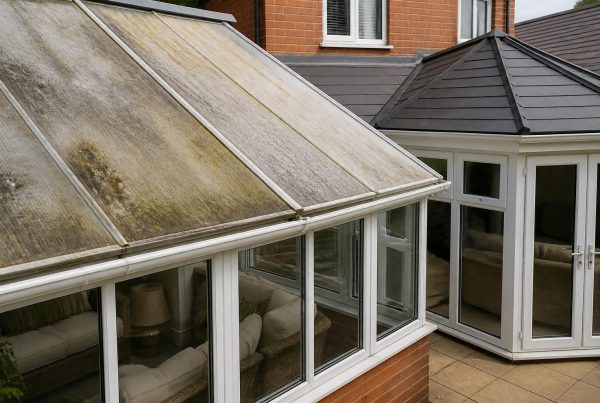
Humidity levels stay high for months at a time, creating ideal conditions for algae and moss growth on shaded roof sections. While these organisms look problematic, they typically cause cosmetic issues rather than immediate structural damage. The bigger concern comes from moisture infiltration at vulnerable points like valleys, flashing, and penetrations where constant dampness accelerates deterioration.
Coastal Wind and Storm Patterns
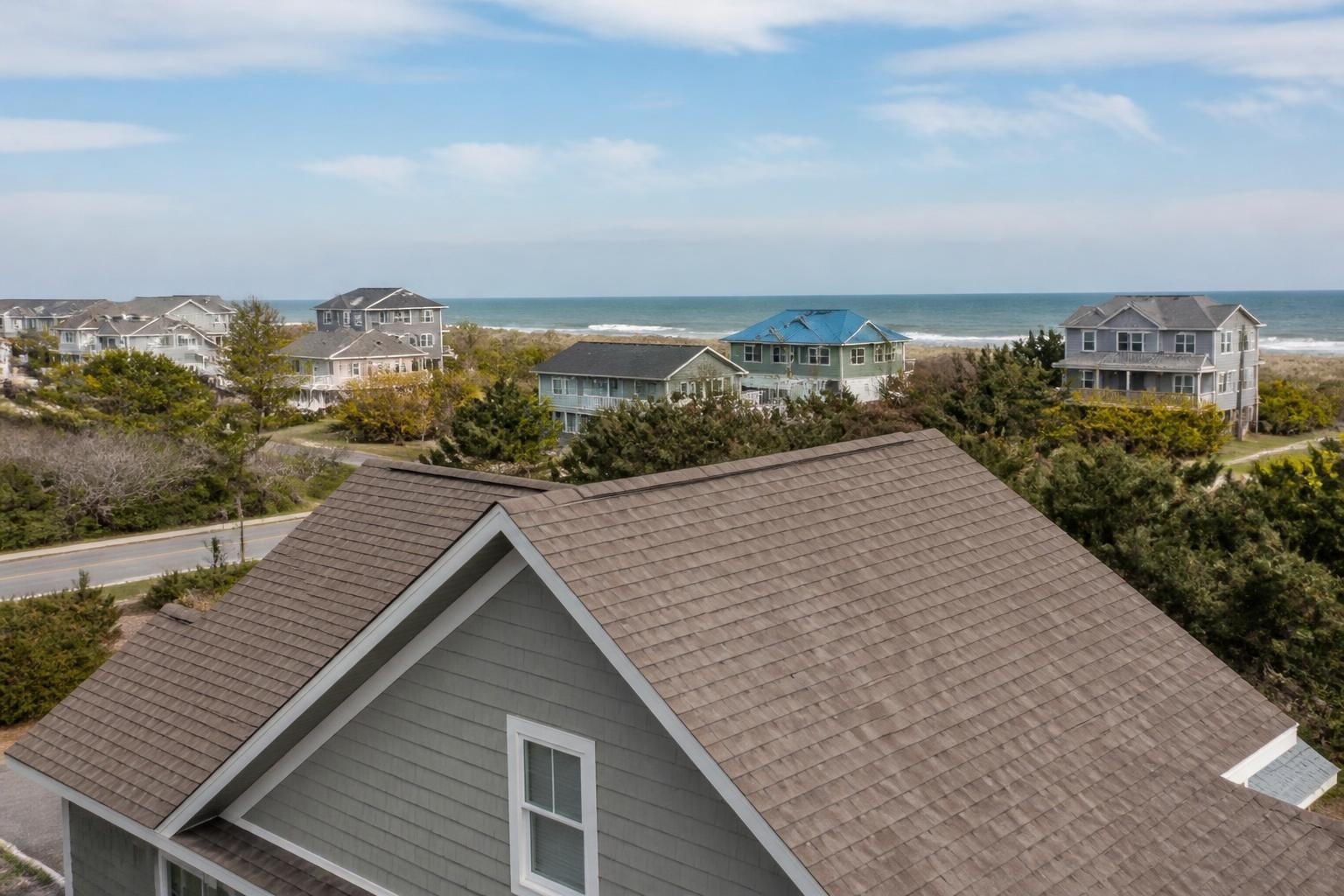
Hurricane season runs from June through November, with peak activity arriving in August and September. Even tropical storms that stay offshore generate wind gusts strong enough to lift shingle tabs, tear off ridge caps, and send debris into roof surfaces. North carolina roofs in coastal communities face this exposure every year, making wind resistance a primary consideration when selecting materials.
According to North Carolina’s roofing regulations, installations must meet specific wind uplift standards based on location and building height. These requirements exist because coastal areas experience sustained winds and sudden gusts that can compromise poorly installed or aging roof systems.
Salt Air and Material Degradation
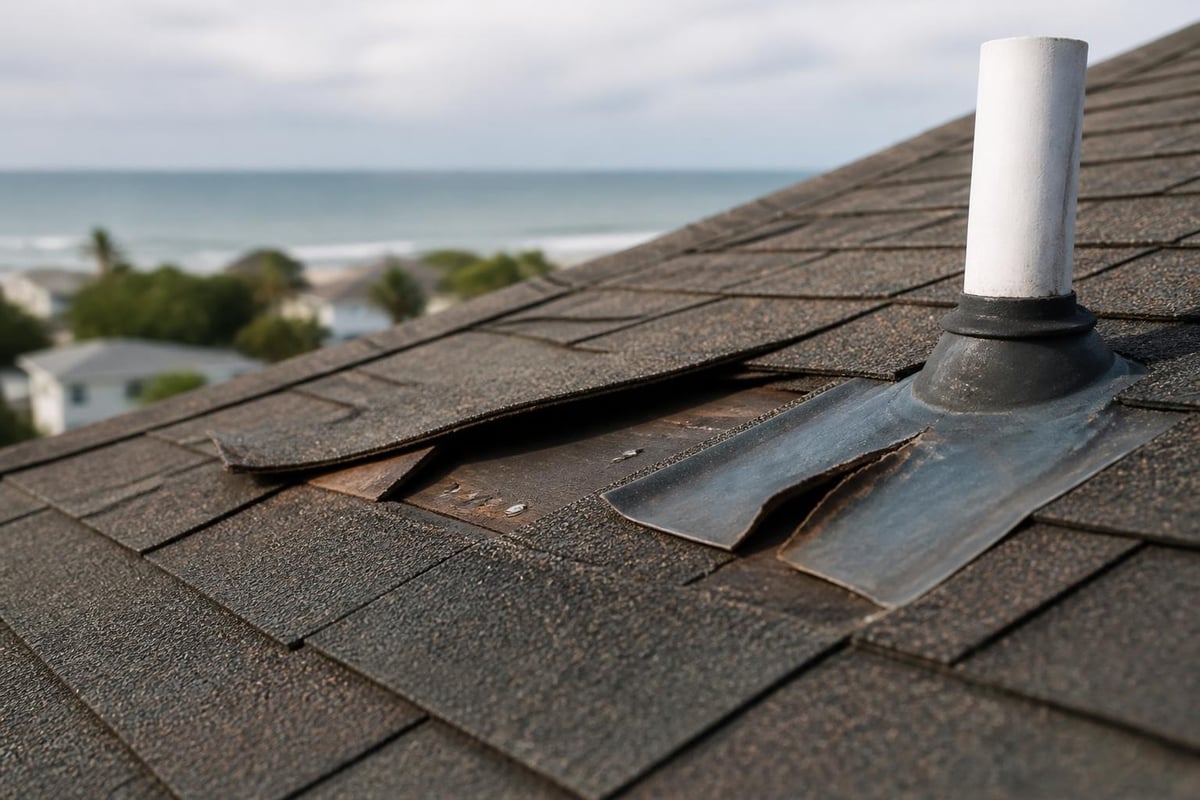
Homes within a few miles of the ocean face an additional challenge that inland properties avoid. Salt particles carried by ocean breezes settle on roof surfaces and accelerate corrosion on metal components. Flashing, vents, and fasteners all experience faster deterioration when exposed to salt air.
This affects material selection significantly. Standard galvanized metal flashing may only last ten to twelve years near the coast, while the same material might perform well for twenty years inland. Homeowners replacing sections of their roof need to account for this difference when comparing repair costs to full replacement timing.
Common Roofing Materials for Coastal North Carolina
The materials that work best for north carolina roofs balance durability, wind resistance, and cost. Each option brings specific advantages and limitations that matter differently depending on home location, roof pitch, and budget.
Asphalt Shingles
Three-tab shingles remain the most economical choice, typically lasting fifteen to twenty years in coastal conditions. They provide adequate protection when properly installed but offer limited wind resistance compared to heavier alternatives. Most three-tab products carry wind ratings between sixty and seventy miles per hour.
Architectural shingles deliver better performance through increased thickness and weight. These roofing materials for North Carolina’s climate typically last twenty to twenty-five years and carry wind ratings up to one hundred ten miles per hour. The added cost, usually twenty to thirty percent more than three-tab, makes sense for coastal exposure.
Impact-resistant shingles include a modified asphalt core that resists hail damage and handles debris impacts better than standard products. Some insurance companies offer premium discounts for impact-rated installations, which can offset the higher material cost over time.
| Shingle Type | Typical Lifespan | Wind Rating | Cost Comparison |
|---|---|---|---|
| Three-tab | 15-20 years | 60-70 mph | Base cost |
| Architectural | 20-25 years | 90-110 mph | +20-30% |
| Impact-resistant | 25-30 years | 110-130 mph | +40-50% |
Metal Roofing Options
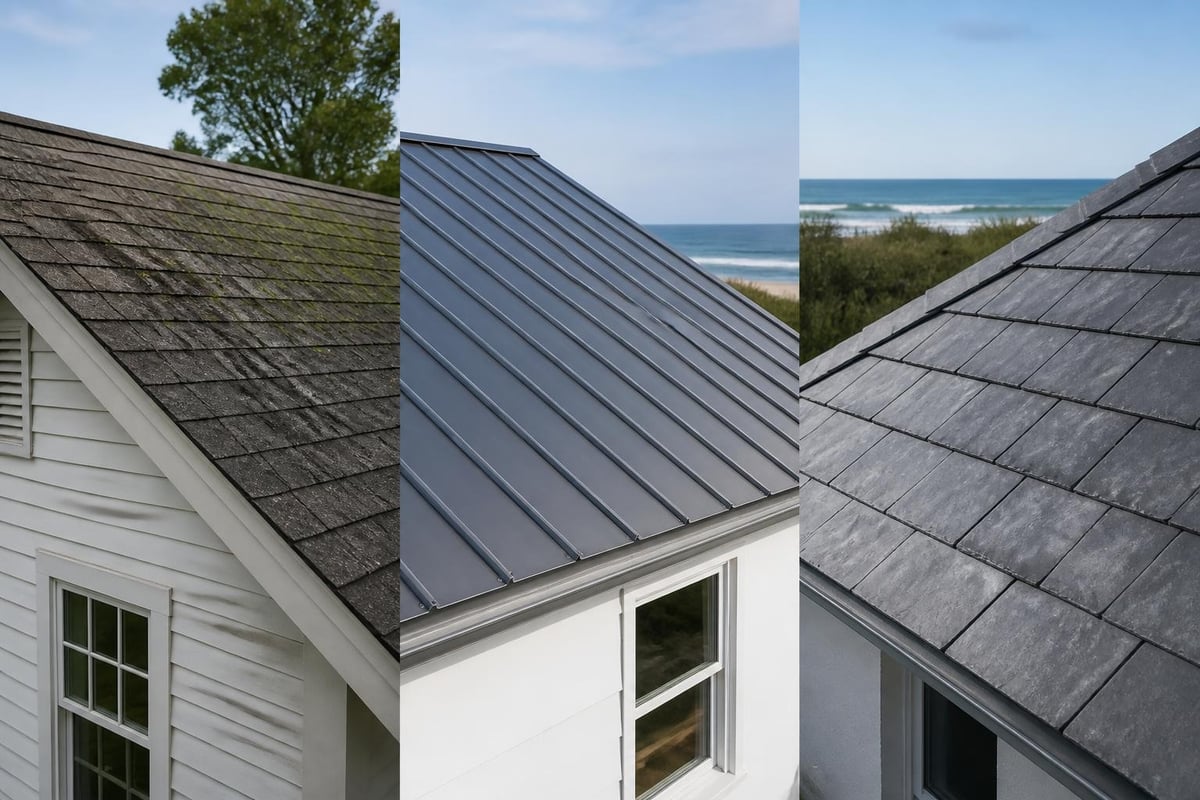
Metal roofing performs exceptionally well in coastal environments when properly installed. Standing seam panels provide superior wind resistance and shed water efficiently, making them popular for modern coastal construction. Exposed fastener panels cost less but require more maintenance as fasteners loosen over time.
Energy-efficient roofing options include reflective metal finishes that reduce heat absorption significantly. Light-colored metal roofs can lower attic temperatures by fifteen to twenty degrees compared to dark asphalt shingles, which reduces cooling costs throughout summer months.
The primary drawback remains upfront cost. Metal installations typically run two to three times the price of architectural shingles. However, lifespans of forty to fifty years mean fewer replacements over the home's life, making metal a sensible long-term investment for permanent residents.
Alternative Materials
Tile roofing, while popular in some coastal markets, requires structural support beyond what most North Carolina homes provide. The weight of concrete or clay tiles demands engineered roof framing that adds considerable expense to new construction and makes retrofitting existing homes impractical in most cases.
Synthetic slate and shake products offer the appearance of traditional materials with better durability and lower weight. These materials resist algae growth, handle moisture well, and carry strong wind ratings. Cost falls between high-end asphalt and metal, making them worth considering for specific architectural styles.
Maintenance Requirements for Coastal Homes
North carolina roofs need regular attention to reach their expected lifespan. Neglecting routine maintenance typically shortens roof life by thirty to forty percent, turning a twenty-five-year system into a fifteen-year problem.
Seasonal Inspection Priorities
Spring inspections focus on winter damage and upcoming storm season preparation. Check for:
- Lifted or missing shingles from winter winds
- Damaged flashing around chimneys and vents
- Granule loss in valleys and high-traffic areas
- Clogged gutters preventing proper drainage
Fall inspections assess summer heat damage and prepare for winter weather. Priority items include:
- Cracked or curling shingles from UV exposure
- Deteriorated sealant around penetrations
- Moss or algae growth requiring treatment
- Loose or rusted fasteners on metal components
Debris Management
Coastal properties accumulate pine needles, leaves, and salt residue faster than inland homes. This debris traps moisture against shingle surfaces and accelerates deterioration. Clearing roof surfaces twice annually, particularly before summer heat and winter moisture, prevents premature aging.
Valley areas require special attention since debris concentrates where roof planes meet. Buildup in valleys blocks water flow, causing pooling that can lead to leaks even on relatively new roofs.
Storm Damage Assessment
Understanding the difference between repair-worthy damage and superficial wear helps homeowners avoid unnecessary replacement costs. North carolina roofs often show signs of aging that look concerning but don't compromise protection.
Wind Damage Indicators
Immediate repair needs include:
- Exposed roof deck from missing shingles
- Lifted shingle tabs across multiple areas
- Torn or separated flashing
- Penetrated roof surface from debris impact
Monitor-and-maintain issues include:
- Lost granules in isolated spots
- Single lifted shingle in protected area
- Minor sealant gaps around vents
- Cosmetic algae staining
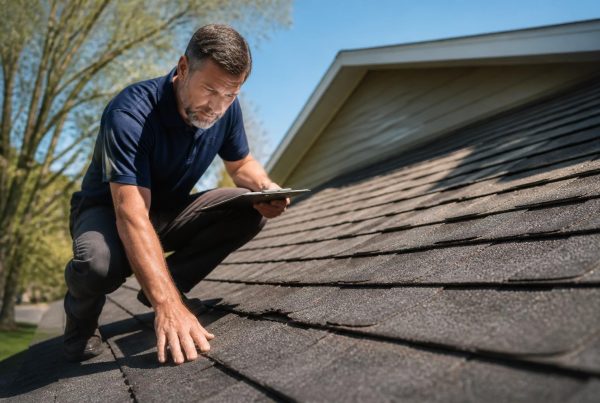
When storm damage occurs, homeowners benefit from professional documentation before filing insurance claims. A roof report provides detailed findings with photos that support claim accuracy and help adjusters understand damage extent, which leads to fairer settlements and clearer repair scopes.
Leak Investigation
Not every leak requires roof replacement. Many common leak sources involve failed flashing, deteriorated pipe boots, or compromised valley sealing rather than wholesale shingle failure. Identifying the actual problem prevents spending thousands on replacement when a focused repair would solve the issue.
Water stains on ceilings don't always appear directly below their entry point. Water can travel along rafters or sheathing for several feet before dripping through, making leak location challenging without proper investigation.
Repair vs. Replacement Decision Points
The choice between repairing and replacing north carolina roofs depends on factors beyond simple age calculations. A fifteen-year-old roof in excellent condition may outlast a poorly maintained ten-year-old system.
When Repairs Make Sense
Consider targeted roof repair when:
- Damage affects less than twenty percent of total area
- Underlying structure remains sound
- Remaining roof life exceeds five years
- Budget constraints make replacement impractical short-term
Localized repairs typically cost between three hundred and fifteen hundred dollars depending on scope, while full replacement starts around eight thousand dollars for average-sized homes. The math favors repair when the damaged section is small and the overall system shows reasonable condition.
Replacement Indicators
Full replacement becomes the better option when:
- Multiple leak sources exist across different areas
- Shingles show widespread curling or granule loss
- Previous repairs have failed within two years
- Energy costs have increased due to poor insulation
Age alone doesn't determine replacement timing. A well-maintained twenty-year-old roof might outperform a neglected twelve-year-old installation. Condition matters more than calendar years.
| Factor | Repair | Replace |
|---|---|---|
| Damage extent | Under 20% | Over 30% |
| Remaining lifespan | 5+ years | Under 3 years |
| Repair history | First or second | Multiple failed repairs |
| Cost ratio | Under 30% of replacement | Over 50% of replacement |
Regional Material Performance
Different roofing materials perform variably across North Carolina's diverse climate zones, but coastal areas face the most demanding conditions. What works well in the mountains may struggle near the ocean.
Coastal vs. Inland Considerations
Topsail, Surf City, and Wilmington properties need materials rated for higher wind speeds than homes fifty miles inland. Building codes reflect this through stricter installation requirements, but homeowners should exceed minimums when budget allows.
Salt exposure within five miles of the ocean demands upgraded flashing materials. Copper and stainless steel cost more upfront but avoid the premature failure common with standard galvanized products. This upgrade typically adds five to eight hundred dollars to installation cost while extending component life by ten to fifteen years.
Humidity and Ventilation
Proper attic ventilation matters more in coastal North Carolina than in drier climates. Inadequate airflow allows moisture accumulation that rots sheathing and reduces shingle lifespan regardless of surface material quality. Most homes need one square foot of ventilation per three hundred square feet of attic space, split between intake and exhaust.
Ridge vents combined with soffit vents create continuous airflow that removes heat and moisture effectively. The best roofing materials for North Carolina’s climate work optimally only when supported by adequate ventilation systems.
Cost Expectations for Eastern North Carolina
Understanding realistic pricing helps homeowners budget appropriately and recognize outlier estimates. North carolina roofs typically cost more than national averages due to wind rating requirements and coastal installation challenges.
Installation Price Ranges
Asphalt shingle replacement for a standard fifteen-hundred-square-foot roof:
- Three-tab shingles: seven thousand to nine thousand dollars
- Architectural shingles: nine thousand to twelve thousand dollars
- Impact-resistant shingles: eleven thousand to fifteen thousand dollars
Metal roofing installation for the same size:
- Exposed fastener panels: twelve thousand to sixteen thousand dollars
- Standing seam systems: eighteen thousand to twenty-five thousand dollars
These ranges assume single-story homes with moderate pitch and typical complexity. Steep roofs, multiple levels, and numerous penetrations increase costs by fifteen to thirty percent.
Repair Cost Benchmarks
Common repair projects fall into predictable ranges:
- Flashing replacement: four hundred to eight hundred dollars
- Valley repair: six hundred to twelve hundred dollars
- Shingle patch (under 100 sq ft): five hundred to nine hundred dollars
- Complete ridge cap replacement: eight hundred to fifteen hundred dollars
Prices vary based on accessibility, material matching requirements, and labor rates. Coastal properties sometimes see higher quotes due to permit requirements and wind-rated installation standards.
Insurance Considerations
Storm-prone regions like Eastern North Carolina see higher roof claim volumes than inland areas. Understanding how insurance handles roof damage helps homeowners navigate the claims process effectively.
Coverage Types
Replacement cost policies pay to install a comparable new roof regardless of the damaged roof's age. These policies cost more but provide full protection when storm damage occurs.
Actual cash value policies factor in depreciation, paying only current value of the damaged roof. A fifteen-year-old roof with a twenty-five-year lifespan receives approximately forty percent of replacement cost.
Most coastal homeowners benefit from replacement cost coverage despite higher premiums. The difference typically amounts to one hundred to three hundred dollars annually but can save thousands when major damage occurs.
Documentation Requirements
Insurance companies require proof of damage to approve claims. Photos showing missing shingles, damaged flashing, and interior water damage support claims more effectively than verbal descriptions.
Professional roof inspections provide third-party documentation that carries weight with adjusters. Detailed reports identifying specific damage help prevent claim denials based on normal wear arguments.
Working with Coastal Roofing Contractors
Selecting qualified contractors matters particularly in coastal markets where installation quality directly affects storm performance. North carolina roofs installed improperly fail prematurely regardless of material quality.
Licensing and Insurance Verification
North Carolina requires roofing contractors to maintain general liability insurance and workers' compensation coverage. Homeowners should verify both before signing contracts. Unlicensed contractors offer lower prices but leave homeowners liable for job site injuries and property damage.
Request certificate of insurance showing current coverage. Legitimate contractors provide this documentation immediately without hesitation.
Contract Essentials
Clear contracts specify:
- Exact materials by manufacturer and model
- Installation timeline with weather delay provisions
- Payment schedule tied to project milestones
- Warranty coverage for materials and labor
- Cleanup and disposal procedures
Avoid contractors requesting large deposits before work begins. Standard practice involves ten to twenty percent down with remaining balance due upon completion and final inspection.
Warranty Understanding
Roofing warranties come in two forms, and understanding the difference prevents disappointment when issues arise years after installation.
Manufacturer Material Warranties
These cover defects in shingles, underlayment, and other products. Typical coverage runs twenty-five to fifty years but includes significant limitations. Most warranties prorate after ten years, reducing coverage value annually.
Manufacturer warranties don't cover installation errors, storm damage, or normal wear. They address manufacturing defects like premature granule loss or sealant failure under normal conditions.
Contractor Workmanship Warranties
Labor warranties cover installation errors and typically run one to ten years depending on contractor. These warranties matter more for most homeowners since improper installation causes more problems than material defects.
Quality contractors stand behind their work and respond promptly when installation-related issues appear. Verify warranty terms before signing contracts and confirm whether the company has been operating long enough to honor long-term commitments.
Energy Efficiency Improvements
North carolina roofs contribute significantly to home energy consumption through heat transfer. Strategic upgrades reduce cooling costs while improving comfort during summer months.
Reflective Coatings and Colors
Light-colored shingles reflect more solar radiation than dark options, reducing attic temperatures by ten to fifteen degrees. This difference translates to measurable cooling cost reductions in homes with air conditioning.
Energy-efficient roofing designs combine reflective surfaces with proper ventilation to maximize performance. The upcharge for light-colored architectural shingles over dark options typically runs less than two hundred dollars.
Insulation Integration
Roof replacement provides opportunity to upgrade attic insulation simultaneously. Most older coastal homes contain inadequate insulation by current standards, leading to heat gain during summer and heat loss during winter.
Adding insulation during roof replacement costs less than separate projects since contractors already have roof access. Typical upgrades from R-19 to R-38 insulation add twelve hundred to two thousand dollars to project cost while reducing energy bills by fifteen to twenty-five percent annually.
Making Informed Decisions
North carolina roofs represent significant investments that protect homes and families for decades when chosen appropriately. Understanding regional challenges, realistic material performance, and when repairs make more sense than replacement helps homeowners spend wisely while maintaining adequate protection.
Coastal conditions demand attention to details that matter less in other regions. Wind ratings, salt-resistant components, and proper ventilation separate successful installations from premature failures. Working with contractors who understand these specifics and provide honest recommendations based on actual home needs rather than profit maximization leads to better outcomes and lower lifetime costs.
The choice between materials, timing of repairs versus replacement, and budget allocation becomes clearer when homeowners understand what their roof actually faces and which solutions address real problems rather than perceived concerns.
Understanding what your roof needs in Eastern North Carolina's challenging climate starts with clear information about actual conditions rather than worst-case scenarios. Whether you're dealing with storm damage, planning ahead for replacement, or just want to know if that leak requires immediate attention, getting honest answers helps you make the right decision at the right time. NC Roofs provides straightforward assessments and repair solutions across Topsail, Surf City, Holly Ridge, and Wilmington, focusing on what actually makes sense for your home and budget.