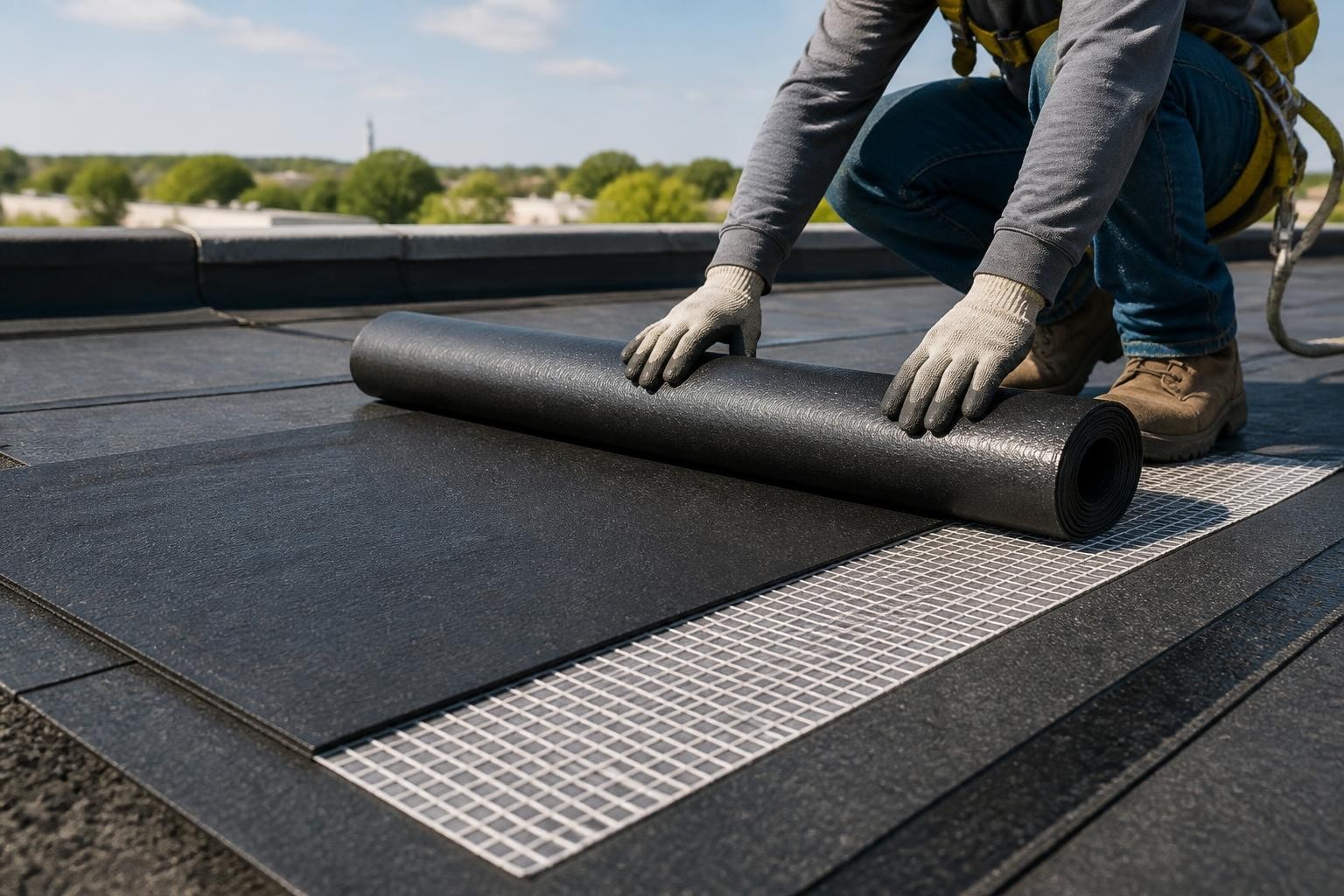
Modified bitumen roofing is a low-slope roofing system built from asphalt membranes enhanced with rubber or plastic polymers for improved flexibility, durability, and weather resistance. While most homes across Hampstead, Surf City, and Wilmington use pitched roofs with shingles, modified bitumen serves flat or low-slope applications like garage roofs, porch overhangs, additions, and commercial buildings throughout coastal North Carolina. Understanding this roofing type helps homeowners make informed decisions when repairs are needed or when building projects require a reliable flat roof solution. This system combines the proven performance of traditional built-up roofing with modern polymer technology designed to handle temperature swings, UV exposure, and standing water better than older materials.
What Modified Bitumen Roofing Actually Is
Modified bitumen roofing consists of factory-fabricated rolls of asphalt membrane reinforced with fiberglass or polyester mats and modified with polymers. The two main polymer types are SBS (styrene-butadiene-styrene) and APP (atactic polypropylene).
SBS-modified bitumen uses rubber polymers that give the membrane elasticity. These systems remain flexible in cold weather and can expand and contract with temperature changes without cracking. SBS products typically install using heat-welding with a torch or cold-applied adhesives.
APP-modified bitumen incorporates plastic polymers that increase the material's flow resistance at high temperatures. APP membranes install primarily through torch-applied methods, where the installer heats the membrane's underside until the asphalt melts and bonds to the substrate.
Both types offer significant improvements over traditional asphalt roofing:
- Enhanced flexibility prevents cracking from thermal movement
- Better resistance to standing water and ponding
- Improved tear strength and puncture resistance
- Longer service life than conventional built-up roofing
- Factory-controlled quality versus field-mixed materials
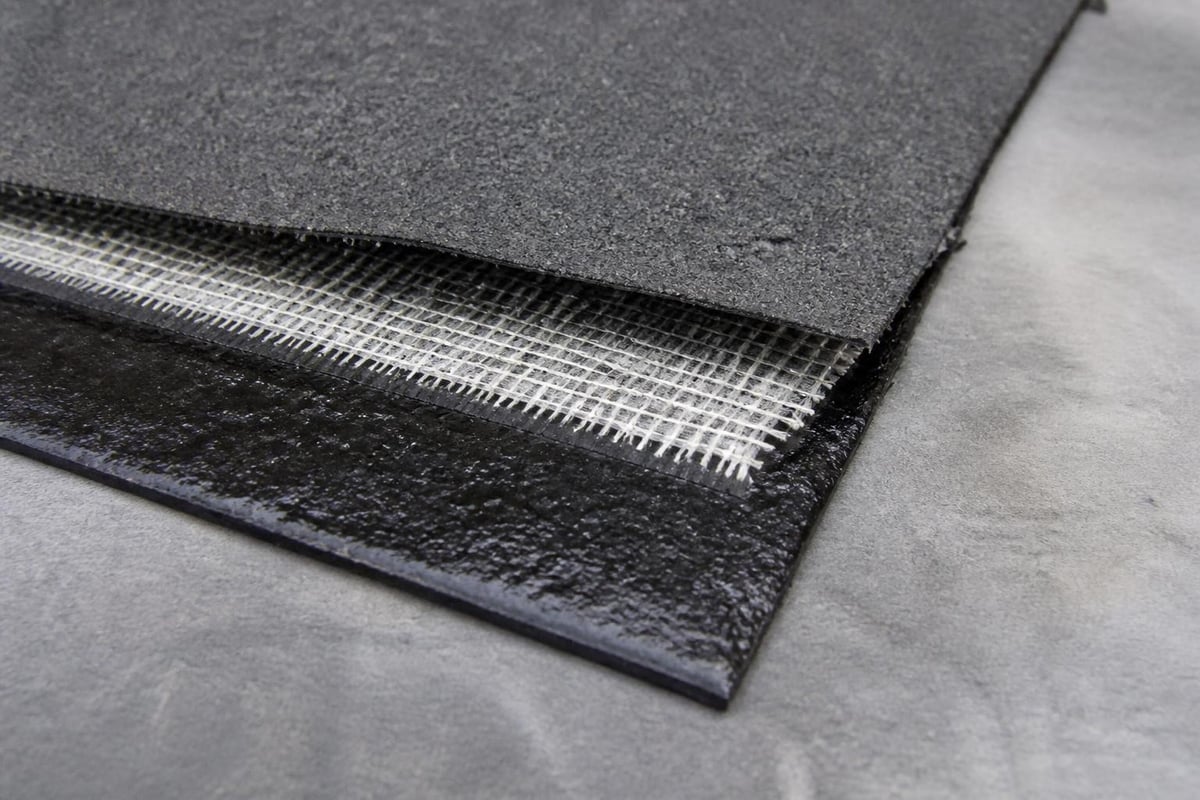
The reinforcement layer determines much of the membrane's strength and elongation characteristics. Polyester mats offer greater tear resistance and elongation, making them suitable for roofs with movement or settling. Fiberglass reinforcement provides excellent dimensional stability and fire resistance but less flexibility.
Installation Methods and System Types
Modified bitumen roofing installs as either single-ply or multi-ply systems, depending on the application and required performance level.
Torch-Applied Installation
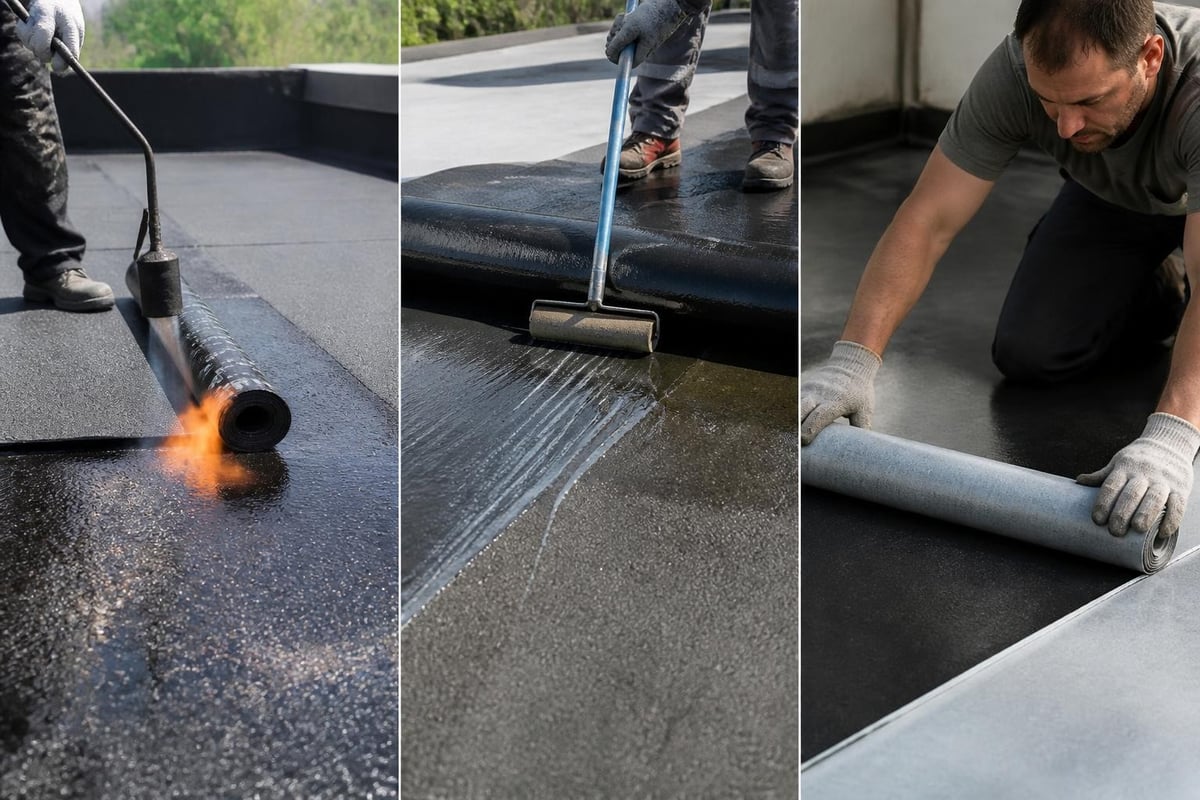
Torch application remains the most common installation method for both SBS and APP membranes. The installer uses a propane torch to heat the membrane's underside, melting the asphalt coating. As the roll unrolls, the melted asphalt bonds directly to the substrate or base sheet.
Advantages of torch application:
- Creates a complete bond with no voids or air pockets
- Immediate adhesion allows faster project completion
- Weather-resistant bond forms during installation
- Works well in cooler temperatures when adhesives struggle
Safety and weather considerations:
- Requires experienced installers with proper safety training
- Fire risk demands careful attention and site preparation
- Wind and rain halt installation immediately
- Not permitted on some commercial buildings due to fire codes
Cold-Applied Systems
Cold-applied modified bitumen uses solvent-based or water-based adhesives instead of heat. The installer applies adhesive to the substrate, then rolls out the membrane and presses it into place. Some systems use self-adhering membranes with peel-and-stick backing.
| Installation Method | Bond Type | Weather Limits | Skill Level | Applications |
|---|---|---|---|---|
| Torch-applied | Heat fusion | Wind, rain stops work | Expert required | Commercial, residential |
| Cold adhesive | Chemical bond | Temperature-sensitive | Moderate | Residential, occupied buildings |
| Self-adhering | Pressure-sensitive | Cold reduces adhesion | Easier | Small areas, repairs |
| Mechanically attached | Fastener/plate | Works in most weather | Moderate | High-wind zones, quick installs |
Cold-applied systems eliminate fire risk and work better on occupied buildings or structures where open flame presents problems. However, adhesive performance depends heavily on temperature, substrate moisture, and proper surface preparation.
Multi-Ply Assemblies
Two-ply modified bitumen systems provide enhanced waterproofing and longevity. The base sheet installs first, mechanically fastened or fully adhered to the roof deck. The cap sheet then adheres to the base sheet, creating a redundant waterproofing layer.
The ARMA’s 2024 Modified Bitumen Design Guide covers assembly options and performance considerations for different climate zones and building types. This manufacturer-neutral resource helps building owners understand how system design affects cost and service life.
Performance in Coastal North Carolina Conditions
Eastern North Carolina presents specific challenges for any roofing system. Modified bitumen roofing handles some of these conditions better than others.
Heat and UV exposure: Summer temperatures on dark roof surfaces regularly exceed 160°F. Modified bitumen's polymer content helps resist softening and flow at high temperatures. Granule-surfaced cap sheets reflect some solar radiation and protect the asphalt from direct UV degradation.
Hurricane-force winds: Modified bitumen's multi-ply systems, when properly installed, resist wind uplift effectively. Fully-adhered systems perform better than mechanically-attached systems in extreme wind events. The seamless membrane prevents water intrusion at laps when installed correctly.
Moisture and humidity: Coastal humidity and occasional standing water challenge any flat roof. Modified bitumen's waterproofing capability handles this well, but proper drainage design remains critical. Ponding water accelerates any roofing material's deterioration.
Salt air exposure: Polymer-modified asphalt resists salt-related degradation better than many roofing materials. However, metal components (fasteners, termination bars, flashings) require proper corrosion protection in coastal applications.
For homeowners dealing with roof repair needs on existing modified bitumen systems, understanding installation quality matters more than material choice alone. Poor workmanship creates problems regardless of product quality.
Comparing Service Life and Long-Term Costs
Modified bitumen roofing systems typically last 15 to 20 years with proper installation and maintenance. Some high-quality systems reach 25 years in favorable conditions.
Factors affecting lifespan:
- Installation quality and proper detailing
- Roof slope and drainage effectiveness
- Maintenance frequency and repairs
- Exposure to foot traffic or mechanical equipment
- Climate severity and weather exposure
The NRCA’s maintenance guidelines recommend biannual inspections for commercial modified bitumen roofs. Residential applications benefit from annual checks, especially after major storms.
Maintenance Requirements
Modified bitumen roofs need regular attention to reach their expected service life:
- Clear debris from drains, scuppers, and roof surface at least twice yearly
- Inspect seams and flashings for separation or damage
- Address ponding water areas that don't drain within 48 hours
- Repair punctures or tears immediately to prevent water intrusion
- Check termination points where the membrane meets walls, curbs, or edges
Minor repairs on modified bitumen systems are straightforward. Small punctures or seam separations patch easily with compatible repair materials. Larger damage may require cutting out sections and installing new membrane.
Cost Considerations
Material and installation costs for modified bitumen roofing run higher than traditional three-tab shingles but lower than many single-ply commercial systems:
| System Component | Cost Range (per square foot) | Notes |
|---|---|---|
| Base sheet | $0.60 – $1.20 | Mechanically attached or adhered |
| SBS cap sheet | $1.50 – $3.00 | Torch or cold-applied |
| APP cap sheet | $1.40 – $2.80 | Primarily torch-applied |
| Single-ply system | $2.00 – $4.50 | Complete installation |
| Labor (typical) | $2.00 – $4.00 | Varies by method and region |
Total installed costs typically range from $4 to $8 per square foot for quality systems, depending on roof complexity, access challenges, and regional labor rates. Coastal applications sometimes require additional underlayment or wind-resistance features that increase costs.
Reflective Coatings and Energy Performance
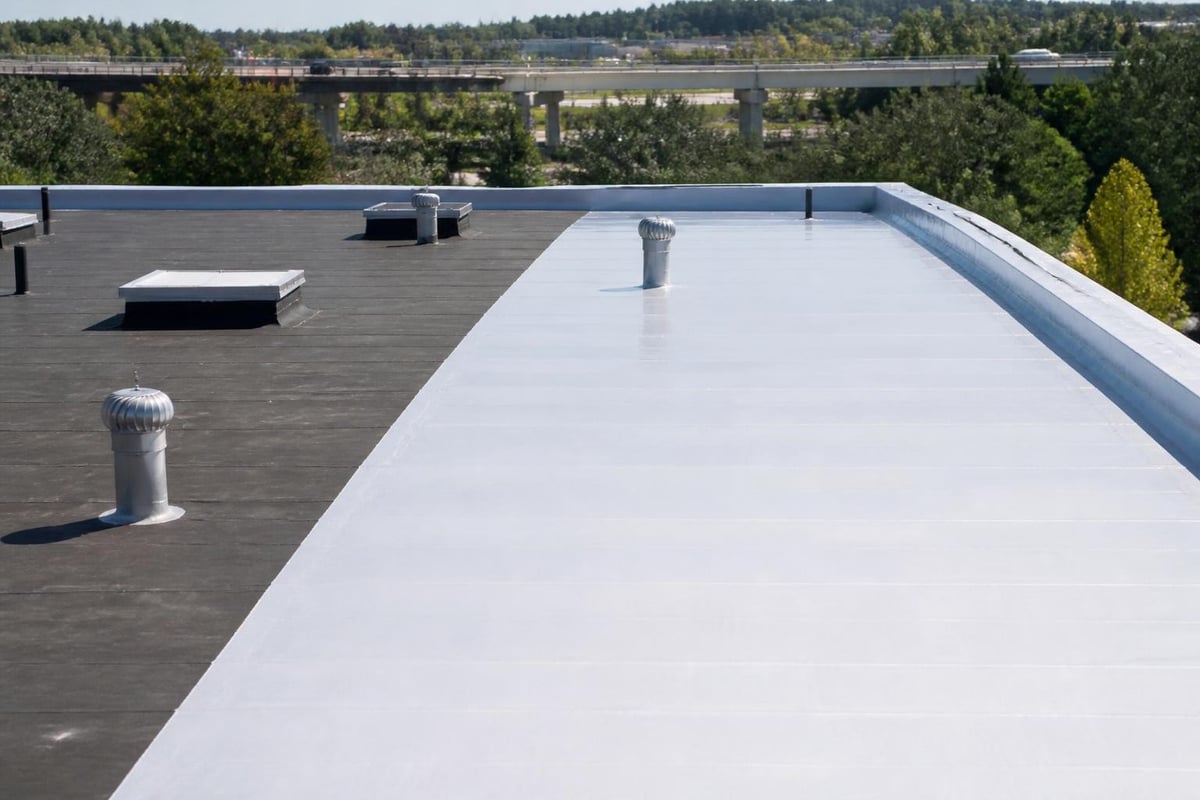
Modern modified bitumen roofing can incorporate reflective coatings or factory-applied reflective granules to reduce heat absorption. These "cool roof" modifications significantly impact building energy performance in hot climates.
The EPA’s cool roof guidance explains how reflective roofing reduces cooling loads and urban heat island effects. In coastal North Carolina's climate, cooling costs dominate energy use for much of the year.
Cool roof options for modified bitumen:
- Granule-surfaced cap sheets with white or light-colored ceramic granules achieve solar reflectance values of 25% to 40%
- Factory-applied coatings on smooth-surfaced membranes reach 60% to 80% solar reflectance
- Field-applied elastomeric coatings restore reflectivity on aged roofs and extend service life
The Cool Roof Rating Council provides independent testing and rating of roofing products' solar reflectance and thermal emittance. These ratings matter for energy code compliance, green building certifications, and utility rebate programs.
Reflective coatings also protect the underlying membrane from UV damage and thermal cycling. A white coating can reduce surface temperatures by 50°F or more compared to dark, uncoated membranes. This temperature reduction slows oxidation and extends membrane life.
When Modified Bitumen Makes Sense for Your Property
Modified bitumen roofing fits specific applications better than others. Understanding where this system works best helps homeowners and building owners make appropriate material selections.
Ideal applications:
- Flat or low-slope roofs (0/12 to 3/12 pitch)
- Garage roofs and carport covers
- Porch and deck overhangs
- Home additions with flat sections
- Commercial buildings and warehouses
- Equipment platforms and roof extensions
Less suitable applications:
- Pitched residential roofs (above 3/12)
- Highly visible roofs where aesthetics matter
- Roofs with complex geometry and many penetrations
- Budget-limited projects where economy matters most
- DIY installations (requires professional expertise)
For residential properties throughout Wilmington, Holly Ridge, and surrounding areas, modified bitumen typically appears on garage additions, sunroom roofs, or porch extensions rather than main house roofs. The material's performance justifies its cost for these applications, while traditional shingles usually make more sense for pitched residential roofs.
The building science perspective on asphaltic roof assemblies highlights how modified bitumen integrates with modern building envelope design, vapor control, and insulation strategies.
Common Problems and How to Avoid Them
Modified bitumen roofing performs reliably when installed correctly and maintained properly. Most failures trace back to installation errors or deferred maintenance.
Installation-Related Issues
Insufficient membrane overlap at seams creates water intrusion points. Proper installation requires minimum 3-inch side laps and 6-inch end laps, with complete bonding throughout.
Poor flashing details around roof penetrations, walls, and edges cause most leaks. Flashings must extend at least 8 inches onto the field membrane and receive proper termination and sealing.
Inadequate substrate preparation prevents proper adhesion. The substrate must be clean, dry, and properly primed before membrane installation. Moisture in the deck causes blisters and bond failure.
Improper torch application leads to under-heated seams that separate or over-heated areas where the membrane burns through. Skilled torch application requires training and experience.
Maintenance and Age-Related Problems
Weather exposure gradually degrades any roofing material. Modified bitumen shows predictable deterioration patterns:
- Surface granule loss exposes the asphalt to direct UV and accelerates aging
- Seam separation occurs as adhesive bonds weaken with thermal cycling
- Membrane cracking develops in areas of concentrated stress or movement
- Blister formation indicates trapped moisture or poor adhesion
- Ponding water accelerates deterioration in low areas with inadequate drainage
Regular inspections catch these problems early when repairs cost less and prevent secondary damage. Most modified bitumen roofs benefit from periodic recoating, which restores surface protection and extends service life economically.
Repair Options and Restoration Approaches
Modified bitumen roofs offer several repair and restoration paths depending on condition and remaining service life.
Localized repairs address specific problem areas:
- Clean and dry the damaged area thoroughly
- Cut out severely damaged membrane sections
- Install compatible patch material with proper overlap
- Heat-weld or adhere patches securely
- Apply sealant or coating over repairs
Coating restoration extends service life without full replacement:
- Surface cleaning removes dirt and biological growth
- Minor repairs address specific damage points
- Primer application ensures coating adhesion
- Multiple coating layers build protective thickness
- Reflective topcoat reduces heat and UV exposure
Partial replacement makes sense when damage concentrates in specific areas. Sections with severe deterioration can be cut out and replaced with new membrane while preserving sound areas.
For many homeowners across coastal North Carolina, understanding repair options versus full replacement saves money and extends useful roof life. A detailed roof report documenting current conditions helps determine the most cost-effective approach.
Comparing Modified Bitumen to Alternative Systems
Modified bitumen competes with several other low-slope roofing options. Each system has advantages and trade-offs.
| Roofing System | Typical Lifespan | Installation Complexity | Cost Range | Best Applications |
|---|---|---|---|---|
| Modified bitumen | 15-25 years | Moderate to high | Medium | Residential low-slope, commercial |
| EPDM rubber | 20-30 years | Low to moderate | Low to medium | Commercial, large flat areas |
| TPO single-ply | 15-25 years | Moderate | Medium | Commercial, reflective applications |
| Built-up roofing | 15-20 years | High | Medium | Commercial, traditional applications |
| Metal roofing | 30-50 years | Moderate to high | High | Residential, architectural projects |
Modified bitumen advantages:
- Time-tested performance with modern enhancements
- Multiple installation methods for different situations
- Good puncture resistance and durability
- Straightforward repairs with compatible materials
- Familiar to most commercial roofing contractors
Modified bitumen limitations:
- Requires professional installation expertise
- Higher cost than basic single-ply options
- Heavier than lightweight membrane systems
- Dark colors absorb heat unless coated
- Torch application presents fire risk
For typical residential applications in Eastern North Carolina, modified bitumen delivers reliable performance at reasonable cost. The material handles coastal weather well and local contractors have extensive experience with these systems.
Regional Considerations for Coastal Applications
Coastal North Carolina's climate and building codes influence modified bitumen system design and installation.
Wind resistance requirements: Hurricane exposure zones require enhanced attachment and wind-rated assemblies. Fully-adhered systems perform better than mechanically-attached options in extreme wind events. Edge and corner details need additional reinforcement.
Building codes and permits: Local jurisdictions follow North Carolina building code with possible amendments for coastal areas. Modified bitumen installations require permits and inspections. Fire-rated assemblies may be mandatory for certain building types.
Contractor selection: Modified bitumen installation demands skill and experience. Look for contractors with manufacturer certifications, proper licensing, and liability insurance. References from similar projects in coastal areas confirm relevant experience.
Material selection for salt exposure: Coastal installations benefit from corrosion-resistant fasteners, stainless steel or coated metal flashings, and UV-resistant sealants. Standard components deteriorate faster in salt air.
The local roofing industry throughout Hampstead, Topsail, and Wilmington has adapted to these conditions. Experienced contractors understand which products and details work best for our specific environment.
Modified bitumen roofing provides a proven, durable solution for low-slope applications across coastal North Carolina when properly installed and maintained. Understanding how this system works, what it costs, and where it fits best helps homeowners make informed decisions about their roofing needs. If you're dealing with a flat roof issue or planning a project requiring low-slope roofing, NC Roofs can evaluate your situation and explain your options clearly, helping you get the right roof at a fair price with no unnecessary upsells.