Choosing your local roofers shouldn't feel like a gamble. You need someone who understands the roof over your head, explains what's happening in plain language, and doesn't push you toward work you don't need. Whether you're dealing with a leak, storm damage, or just trying to figure out if your roof can last another season, the right local roofing company makes all the difference. This guide walks you through what to look for, what questions to ask, and how to work with roofers who put clarity and fairness first.
What Your Local Roofers Should Offer From Day One
A good roofing relationship starts with the first phone call. You shouldn't feel pressured, confused, or locked into a decision before you understand what's going on with your roof.
Your local roofers should begin by listening. Not selling. They need to know what you've noticed, what concerns you have, and what kind of timeline you're working with. From there, they should schedule an inspection that actually documents the condition of your roof, not just delivers an estimate.
Transparency Over Sales Tactics
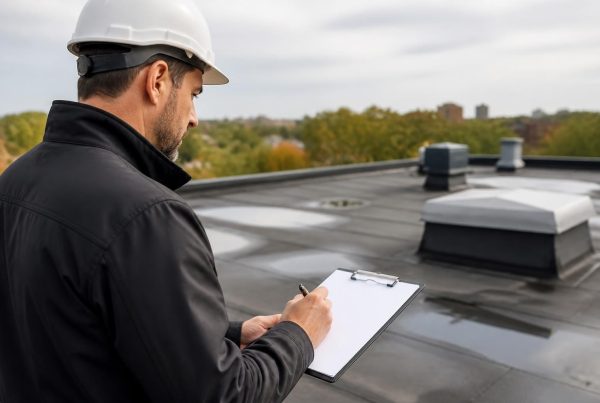
The best roofers show up with a camera, a ladder, and a willingness to explain. They take photos of problem areas, walk you through what they found, and help you understand whether you're looking at a repair, a patch job, or a full replacement.
- Clear documentation of damage or wear
- Photos and notes you can review and share with insurance if needed
- Honest recommendations that match the actual condition, not the biggest sale
- No pressure to decide on the spot
You should never feel rushed. If your local roofers are pushing for a signature before you've had time to think, that's a red flag.

| What Good Roofers Do | What Bad Roofers Do |
|---|---|
| Document findings with photos | Give a price without climbing up |
| Explain repair vs. replacement | Push the most expensive option |
| Answer your questions clearly | Use jargon to confuse or impress |
| Provide written estimates | Quote verbally and change later |
Understanding the Inspection Process
An inspection is not the same as an estimate. An estimate tells you what something will cost. An inspection tells you what's actually wrong.
When your local roofers inspect your roof, they should be looking at shingles, flashing, ventilation, gutters, and any signs of water intrusion. In coastal areas like Eastern North Carolina, they should also check for wind damage, saltwater exposure, and wear patterns common to the region.
What a Real Inspection Includes
A thorough roof inspection covers the entire system, not just the visible shingles. Your roofer should check:
- Shingle condition – curling, cracking, granule loss, missing tabs
- Flashing – around chimneys, vents, skylights, and roof edges
- Underlayment exposure – signs of wear or failure beneath the shingles
- Ventilation – proper airflow to prevent moisture buildup
- Gutters and drainage – clogs, damage, or improper pitch
- Interior signs – attic moisture, stains, or mold if accessible
This kind of inspection should result in a report you can use to make decisions. Some homeowners need this documentation for insurance claims. Others just want to know whether a repair will buy them a few more years or if replacement is the smarter move. Either way, a documented inspection from your local roofers gives you something to work from, not just a verbal "you need a new roof."
If you're trying to understand your roof's condition before deciding on repairs or filing a claim, a roof report can provide the clarity you need with photos, explanations, and recommendations based on what's actually happening.
Repair vs. Replacement: How Local Roofers Should Guide You
Not every roof problem requires a full replacement. But some do. Your local roofers should help you understand the difference, based on age, damage extent, and cost-effectiveness.
When Repair Makes Sense
If the damage is localized and your roof is relatively young, repair is often the smarter choice. A few missing shingles after a storm, a small leak around a chimney, or isolated wind damage doesn't mean you need to replace the entire roof.
Good candidates for repair:
- Roofs under 15 years old with isolated damage
- Localized leaks from a single source
- Missing or damaged shingles in one area
- Flashing failures that can be re-sealed or replaced
Your local roofers should be able to patch these issues, match your existing shingles as closely as possible, and get you back to normal without the cost of a full replacement.
When Replacement Is the Better Investment
If your roof is nearing the end of its lifespan, has widespread damage, or has failed in multiple areas, replacement makes more sense than pouring money into repeated repairs.
Signs replacement is the right move:
- Roof is 20+ years old
- Multiple leaks in different areas
- Widespread shingle deterioration or curling
- Structural damage to decking or underlayment
- Repeated repairs that don't last
A good roofer won't push replacement if repair will do the job. But they also won't sell you a patch that's just delaying the inevitable. According to Consumer Reports’ roofing buying guide, understanding the age and condition of your roof helps you make smarter financial decisions about repairs versus replacement.
| Repair | Replacement |
|---|---|
| Under 15 years old | Over 20 years old |
| Isolated damage | Widespread wear |
| One leak source | Multiple leak points |
| Lower upfront cost | Long-term solution |
| Temporary fix | Permanent resolution |
What to Expect During Roof Repairs
If you and your local roofers agree that repair is the right call, the process should be straightforward. You should know what's being fixed, how long it will take, and what it will cost before any work begins.
Most repairs take a few hours to a full day, depending on complexity. Your roofers should protect your landscaping, clean up thoroughly, and leave your property in the same condition they found it, minus the roof problem.
Common Repair Work
- Shingle replacement – removing damaged shingles and installing new ones
- Flashing repair – re-sealing or replacing metal flashing around roof penetrations
- Leak fixes – identifying the source and sealing it properly
- Ventilation adjustments – ensuring airflow to prevent future moisture issues
- Minor decking repairs – replacing small sections of damaged wood
Your local roofers should also let you know if they find additional issues during the repair. Sometimes a small leak reveals bigger problems underneath. If that happens, they should stop, explain what they found, and give you options before proceeding.
Storm Damage and Insurance: How Local Roofers Help
Coastal North Carolina sees its share of storms. Wind, rain, and flying debris can damage roofs quickly, and knowing how to handle insurance claims makes a big difference in what you pay out of pocket.
Your local roofers should be familiar with the insurance process. They should know how to document damage in a way that supports your claim, and they should be willing to work with your adjuster if needed.
Steps to Take After Storm Damage
When a storm hits, don't wait weeks to check your roof. The sooner you document damage, the stronger your claim.
- Inspect from the ground first – look for obvious missing shingles or debris
- Call your local roofers for a professional inspection – they'll document everything with photos
- File your insurance claim – provide the documentation your roofer gave you
- Wait for the adjuster – your roofer can meet them on-site to walk through the damage
- Get a final estimate – once the claim is approved, your roofer can proceed
Some roofing companies offer to "handle everything" with your insurance. Be cautious. You want roofers who support your claim, not ones who inflate costs or push unnecessary work. According to research from the National Roofing Contractors Association, proper documentation and honest assessments are key to fair insurance outcomes.
Choosing the Right Local Roofers for Your Home
Not all roofing companies operate the same way. Some focus on volume. Others focus on relationships. You want roofers who treat your home like it matters, not like it's just another address on the schedule.
What to Look For
Experience in your area. Coastal roofing is different from inland roofing. Your local roofers should understand saltwater exposure, high winds, and the building codes specific to Eastern North Carolina.
Clear communication. You shouldn't need a translator to understand what's wrong with your roof. If your roofer talks in circles or avoids direct answers, keep looking.
Fair pricing. The lowest bid isn't always the best deal, but the highest isn't always the best quality either. Your local roofers should explain what you're paying for, line by line.
References you can check. Ask for recent customers in your area. A good roofer will happily connect you with past clients who can speak to their work.
No-pressure approach. If they're pushy, walk away. Roofing is a big decision. You should have time to think, compare, and choose.
Red Flags to Watch For
Some warning signs are easy to spot. Others are more subtle. Here's what should make you pause before hiring.
- No physical address or local presence – if they operate out of a truck, they might disappear after the job
- Pressure to sign immediately – good roofers don't need scare tactics
- Upfront payment demands – a reasonable deposit is normal, but full payment before work starts is not
- No insurance or licensing – always verify coverage and credentials
- Vague contracts – everything should be in writing, including materials, timeline, and costs
Questions to Ask Before You Hire
Before you commit, get clear answers to these questions. Your local roofers should respond without hesitation.
- How long have you been serving this area?
- Are you licensed and insured in North Carolina?
- Can you provide references from recent jobs nearby?
- What does your warranty cover, and for how long?
- Will you document the roof's condition before giving an estimate?
- Do you handle permits and inspections, or is that on me?
- How do you handle unexpected issues that come up during the job?
If they dodge questions, give vague answers, or try to rush you past details, that's a signal to keep looking. For more on evaluating contractors and understanding roofing projects, NRCA’s roofing guidelines offer detailed industry standards and best practices.
Maintenance and Long-Term Care
Once your roof is repaired or replaced, keeping it in good shape doesn't take much, but it does take consistency. Your local roofers can help with periodic inspections, gutter cleaning, and small fixes before they become big problems.
Simple Maintenance Steps
- Annual inspections – catch small issues early
- Gutter cleaning – prevents water backup and roof edge damage
- Trim overhanging branches – reduces debris and limits squirrel access
- Check flashing and seals – especially after storms
- Monitor attic ventilation – proper airflow extends roof life
Many roofing companies offer maintenance plans or annual check-ins. It's worth asking if your local roofers provide this service, especially in coastal areas where salt air and high winds accelerate wear.
Cost Expectations for Repairs and Replacements
Pricing varies based on roof size, materials, damage extent, and your location. But you should always get a written estimate that breaks down labor, materials, and any additional costs.
| Service | Typical Range | Notes |
|---|---|---|
| Minor repair | $300–$800 | Small leaks, a few shingles |
| Moderate repair | $800–$2,000 | Flashing, multiple shingles |
| Major repair | $2,000–$5,000 | Structural fixes, large sections |
| Full replacement | $8,000–$15,000+ | Depends on size and materials |
Your local roofers should explain why a repair costs what it does. If the price seems too high, ask. If it seems too low, ask that too. Transparency in pricing builds trust.
Energy Efficiency and Material Choices
If you're replacing your roof, material choice matters more than you might think. Not just for appearance, but for energy costs and long-term durability.
In coastal North Carolina, lighter-colored shingles or reflective materials can reduce cooling costs. Proper ventilation and underlayment also play a role in how your roof performs over time. The U.S. Department of Energy’s guide to cool roofs explains how material and color choices affect energy use and comfort.
Your local roofers should discuss these options with you, not just default to whatever's cheapest or most common. A small upfront investment in better materials can pay off in lower energy bills and longer roof life.
Working With Your Local Roofers: What to Expect
Once you've chosen a roofer and agreed on the scope of work, the actual process should be smooth and professional. You should know when they're starting, how long it will take, and who to contact if you have questions.
Most roofing jobs follow a similar pattern:
- Prep and protection – tarps, safety barriers, and equipment setup
- Tear-off or repair prep – removing old materials or accessing the damaged area
- Installation or repair work – new shingles, flashing, underlayment as needed
- Cleanup – removing debris, nails, and materials from your property
- Final walkthrough – reviewing the work and answering any remaining questions
Your local roofers should leave your property cleaner than they found it. Nails, shingle scraps, and debris should be gone, not left for you to deal with.
Finding your local roofers who explain clearly, charge fairly, and help you make the right decision for your home takes a little research, but it's worth the effort. If you're in Topsail, Surf City, Holly Ridge, Wilmington, or surrounding coastal areas and need help understanding your roof's condition or deciding on the next step, NC Roofs offers honest assessments, clear recommendations, and no-pressure guidance to help you protect your home the right way.