Every December, homeowners across Eastern North Carolina face the same dilemma: how to create a festive outdoor display without harming their home. The question "can Christmas lights damage your roof" comes up often, and the answer is more nuanced than a simple yes or no. While holiday lights themselves are generally harmless, the way you install and remove them can absolutely cause problems. Improper attachment methods, aggressive installation techniques, and careless removal are the real culprits behind damaged shingles, punctured roof membranes, and even leaks that don't show up until spring. Understanding how installation methods affect your roof helps you decorate safely while protecting one of your home's most important systems.
How Installation Methods Affect Roofing Materials
The way you attach Christmas lights determines whether you'll enjoy the season worry-free or deal with repair costs in 2026. Different roofing materials react differently to various attachment methods, and what works on one roof type can damage another.
Shingle Roofs and Attachment Points
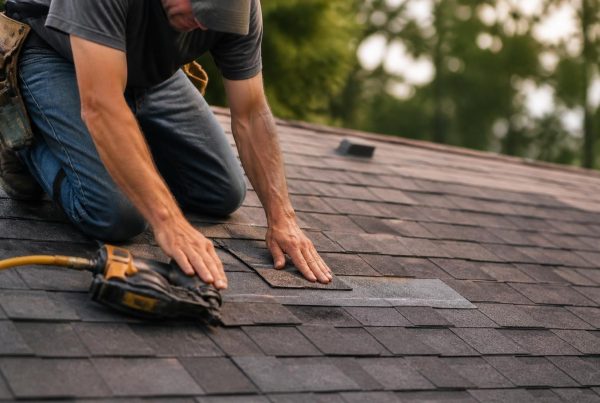
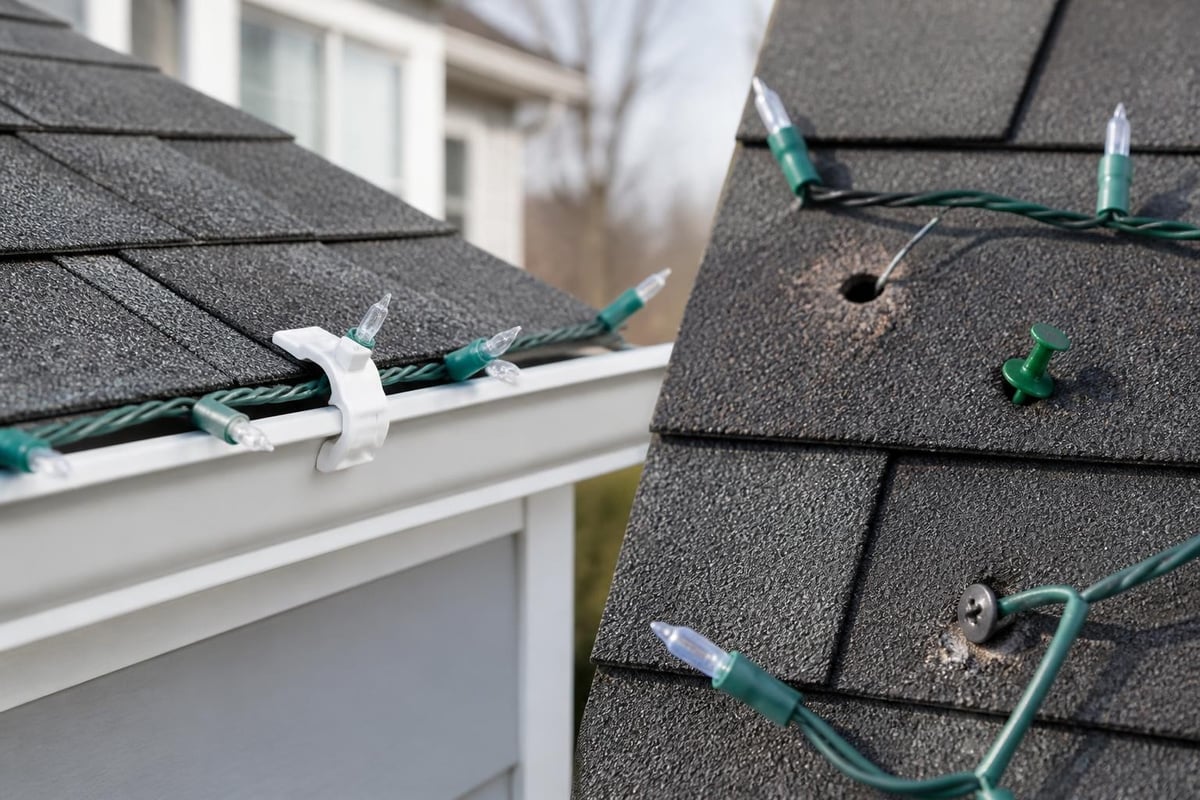
Asphalt shingles, the most common roofing material in Wilmington and surrounding coastal areas, are more vulnerable than many homeowners realize. Each shingle relies on a sealed bond with the layer beneath it to keep water out. When you drive staples, nails, or screws through shingles to secure lights, you create puncture points where water can enter.
Common attachment mistakes that damage shingles:
- Stapling directly through shingle surfaces
- Nailing into the roof deck
- Using adhesive clips that tear shingle granules when removed
- Hammering clips under shingle tabs and breaking the seal
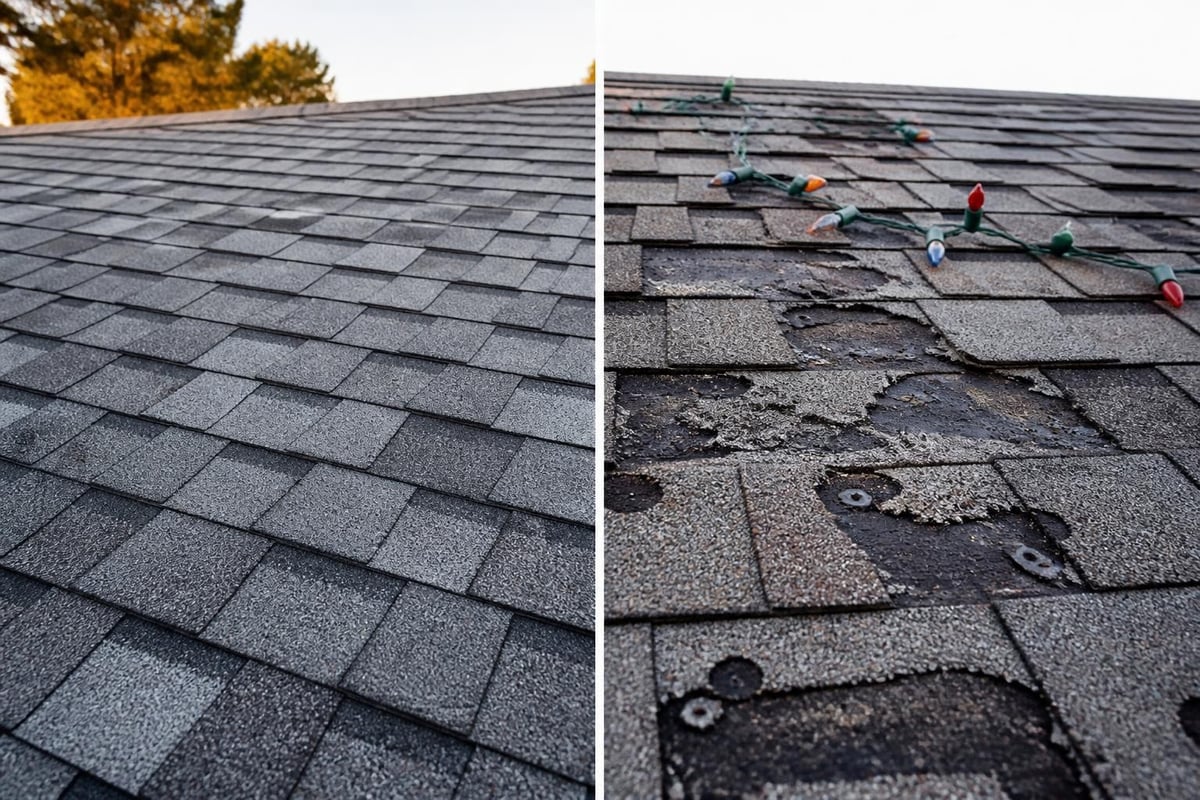
The granules on asphalt shingles protect the underlying asphalt layer from UV damage. Scraping these off during installation or removal accelerates aging in those spots. Even small areas of granule loss can lead to premature shingle failure.
Metal Roofing Considerations
Metal roofs present different challenges. While they're more durable against punctures, they expand and contract with temperature changes. Rigid attachment methods can create stress points or scratch protective coatings. Most metal roofing experts recommend magnetic clips or specialized metal roof clips that don't require screws.
Proper Clip Selection and Placement
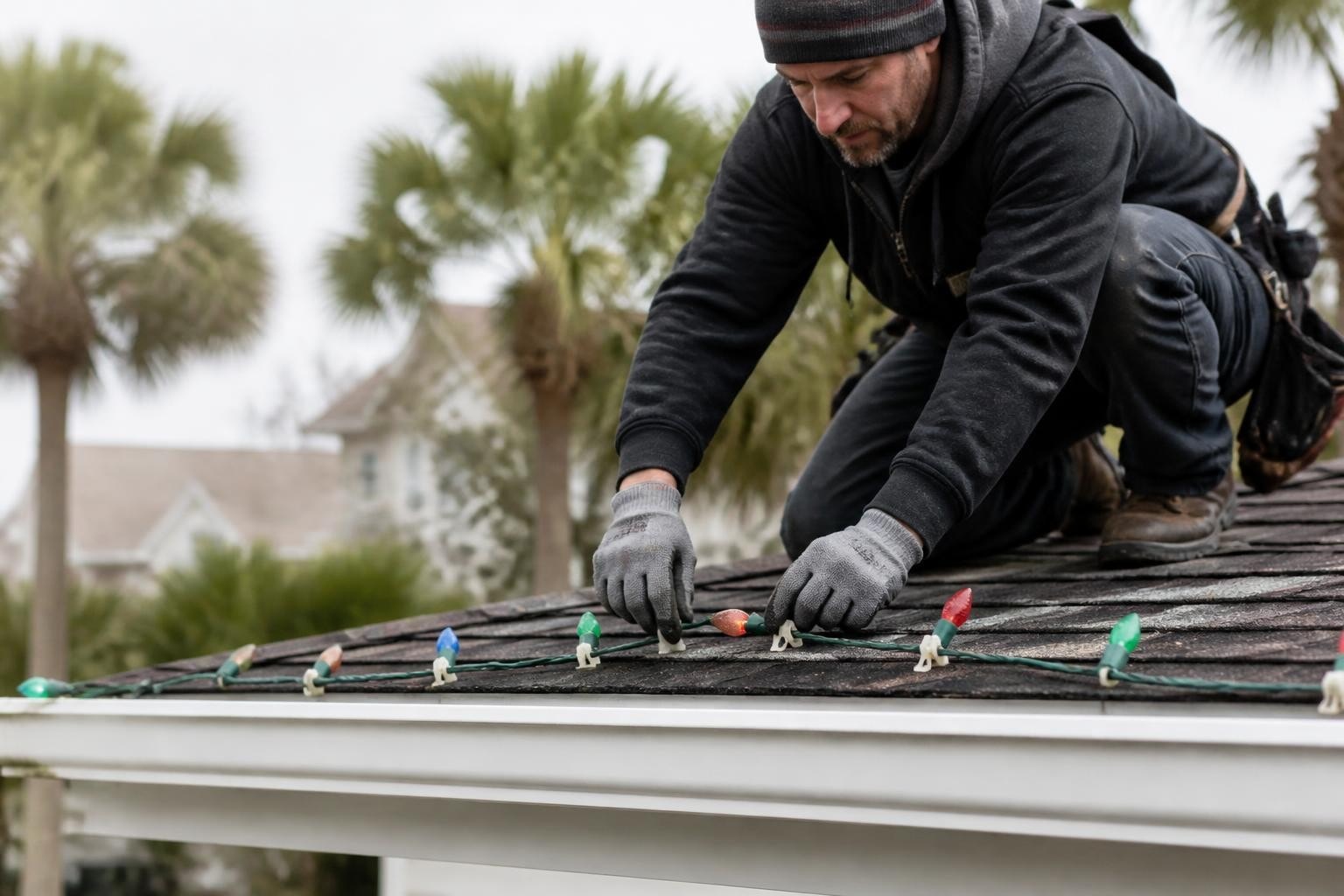
Using the right clips makes all the difference. Plastic clips designed to hook onto gutters, shingle edges, or roof peaks distribute weight without penetrating roofing materials. Professional installation guides emphasize choosing clips matched to your specific roof type.
| Clip Type | Best For | Installation Method | Damage Risk |
|---|---|---|---|
| Gutter clips | Standard gutters | Hook over gutter edge | Very low |
| Shingle tabs | Asphalt shingles | Slide under shingle edge | Low if careful |
| Adhesive clips | Smooth surfaces | Stick to surface | Medium (removal) |
| Magnetic clips | Metal roofs | Magnetic attachment | Very low |
| Universal clips | Ridge lines | Clip over peak | Low |
The key is understanding that clips work with your roof's existing structure rather than creating new attachment points that compromise waterproofing.
Weight and Pressure Concerns
Can Christmas lights damage your roof through sheer weight? It depends on the setup. Individual strands of LED lights weigh almost nothing, but large decorations, icicle lights with ice buildup, or excessive layering can create problems.
Most residential roofs in North Carolina are built to handle significant snow loads, even though we rarely see heavy snow. However, concentrated weight in specific areas-like heavy decorations attached to a single point-can stress roofing materials differently than distributed loads.
Ice Buildup and Coastal Weather
In Topsail, Surf City, and Holly Ridge, ice isn't a major concern most winters. But when we do get freezing rain or unusual cold snaps, icicle-style lights can accumulate ice that adds unexpected weight. This is especially problematic if the lights are attached to gutter systems, which can pull away from the roofline under the extra load.
Warning signs your display is too heavy:
- Sagging gutters
- Bowing roof edges
- Clips pulling away from attachment points
- Visible stress on mounting points
If you notice any of these, it's time to reduce the display size or redistribute weight more evenly.
Gutter Damage From Light Installation
While not technically part of your roof, gutters are critical to roof health. They channel water away from roofing materials, fascia boards, and your home's foundation. Many homeowners don't realize that poorly installed holiday lighting can damage these systems and create water management problems.
Heavy light strands clipped to gutters can pull them away from fascia boards, creating gaps where water runs behind the gutter instead of through it. This water then soaks into fascia boards and roof decking, leading to rot that's far more expensive than the lights were worth.
Downspout Obstruction
Running light cords down or across downspouts can block water flow during winter rains. In Eastern North Carolina, we get plenty of rain even in December and January. A blocked downspout forces water to overflow, potentially backing up under shingles or soaking foundation areas.
The Real Risk: Removal Damage
Can Christmas lights damage your roof? The honest answer is that removal causes more problems than installation. Homeowners in a hurry to take down decorations in January often pull clips aggressively, yank lights free without unfastening attachments, or tear away fasteners that have frozen in place.
This rushed removal leads to:
- Torn shingles
- Removed granules
- Broken seals between shingle layers
- Damaged flashing around roof penetrations
- Bent or detached gutters
Taking time during removal matters just as much as careful installation. Following proper hanging techniques from the start makes removal easier and safer.
Temperature-Related Removal Issues
Removing lights on cold mornings when adhesives are brittle or clips are frost-locked increases damage risk. Waiting for a warmer afternoon when materials are more flexible reduces the chance of tearing shingles or breaking clips.
Electrical Hazards and Roof Damage
Electrical issues from Christmas lights don't just create fire hazards. They can also damage roofing materials. Overheated wiring or damaged cords can melt through shingle surfaces, while short circuits can create small fires that char roofing materials before anyone notices.
Extension Cord Placement
Running extension cords across roof surfaces creates friction points where foot traffic or wind movement rubs cords against shingles. Over time, this abrasion wears away granules and can even create grooves in shingles. Always run cords along roof edges or in gutters where they won't contact shingle surfaces directly.
Proper cord selection matters too. Outdoor-rated extension cords and safe ladder practices prevent both electrical hazards and the roof damage that comes from improper setups.
Alternative Decoration Methods That Protect Your Roof
If the question "can Christmas lights damage your roof" makes you nervous, there are safer approaches that keep decorations off roofing materials entirely.
Roof-safe decoration strategies:
- Ground-level displays using yard stakes and lawn decorations
- Gutter-only lighting that never touches shingles
- Eave and fascia mounting using clips attached to trim boards
- Freestanding frames positioned in front of the house
- Projection lights that create effects without physical installation
These methods eliminate roof contact while still creating impressive displays. Many professional decorators now use primarily ground-based and projection systems specifically to avoid roof damage risks.
Professional Installation Advantages
Professional installation companies carry insurance and use techniques designed to protect your roof. They understand local building codes, use appropriate equipment, and know which attachment methods work best for different roof types common in coastal North Carolina.
While professional installation costs more upfront, it eliminates the risk of repair costs from DIY mistakes. Proper attachment techniques make the difference between decoration and damage.
Common Mistakes That Lead to Roof Damage
Understanding what goes wrong helps you avoid these issues. Here are the installation errors that most often lead to roof repairs in the spring.
Using Metal Fasteners
Staples, nails, and screws should never touch your roof. They create permanent holes that compromise waterproofing. Even if you fill the holes later, you've weakened that spot. Rain driven sideways by coastal winds can find these vulnerabilities and work its way under shingles.
Walking on Wet or Fragile Shingles
Old shingles or wet shingles break more easily under foot traffic. If your roof is more than 15 years old, walking on it to hang lights can crack brittle shingles or dislodge granules. In Hampstead and surrounding areas, many older roofs show sun damage from coastal UV exposure, making them even more fragile.
Ignoring Flashing and Penetrations
Roof penetrations-chimneys, vents, satellite dishes-have flashing that keeps water out. Attaching lights near these areas or running cords across flashing can damage these critical waterproofing components. Professional safety advice emphasizes keeping decorations away from these sensitive areas.
Leaving Lights Up Too Long
Lights left in place year-round degrade attachment points, trap debris that holds moisture against shingles, and prevent normal roof maintenance. The longer attachments stay in place, the more likely they are to cause permanent damage.
Signs Your Roof Sustained Damage From Lights
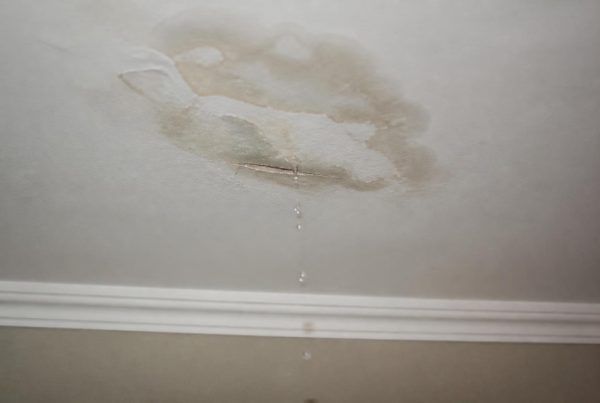
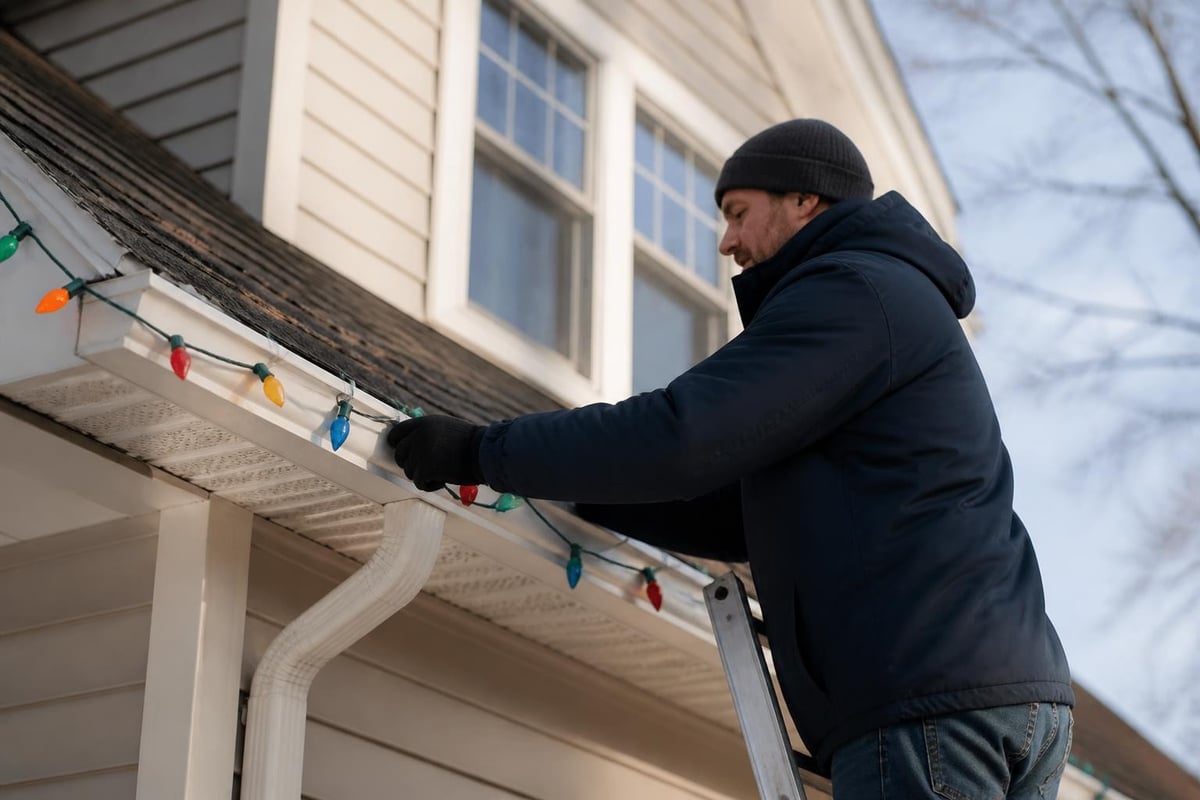
Can Christmas lights damage your roof without obvious symptoms? Absolutely. Some damage isn't apparent until months later when a leak appears during heavy rain.
Post-decoration inspection checklist:
- Loose or lifted shingle edges
- Missing granules in lines or patches
- Small holes or punctures
- Separated flashing
- Sagging gutters
- Water stains on ceilings after the next rain
If you notice any of these issues after taking down holiday decorations, it's worth having a professional inspection. What seems like minor damage can allow water infiltration that leads to bigger problems.
If you're concerned about potential damage from this season's decorations or previous installations, getting a Roof Report provides documented findings with photos and clear explanations of any issues found, helping you understand whether repairs are needed before small problems become major leaks.
Seasonal Timing Considerations
When you install and remove lights affects potential damage. In Eastern North Carolina, our mild winters mean we have more flexibility than northern climates, but timing still matters.
Optimal Installation Windows
Installing lights in November when temperatures are moderate and roofing materials are still flexible reduces damage risk. Shingles are more pliable in warmer weather, making clip insertion under shingle tabs safer. Waiting until late December when temperatures drop increases the chance of cracking brittle shingles.
Best Removal Timing
Taking down lights in early January during a mild afternoon prevents the temperature-related damage that comes from working with frozen or extremely cold materials. Avoid removal during or immediately after rain, when shingles are slippery and more prone to tearing.
Long-Term Roof Health and Holiday Decorating
Can Christmas lights damage your roof over multiple seasons? Repeated installation in the same spots can definitely cause cumulative damage. Each year's installation and removal cycle stresses the same attachment points, gradually wearing down materials.
Strategies for long-term roof protection:
- Rotate attachment points each year
- Upgrade to permanent mounting systems designed for seasonal decorations
- Consider permanent lighting with programmable seasonal displays
- Reduce overall roof decoration in favor of ground displays
- Schedule roof inspections every few years to catch developing issues
Many homeowners in Surf City and Topsail find that alternating decoration styles year to year-roof lights one year, ground displays the next-gives their roof recovery time while keeping displays fresh.
Insurance and Warranty Implications
Most homeowner's insurance policies don't cover damage from improper holiday decoration installation. If a leak develops from holes you created installing lights, you'll likely pay for repairs out of pocket. Understanding this before you decorate helps you make informed decisions about installation methods.
Roofing warranties can also be affected. Many manufacturer warranties are voided by unauthorized roof penetrations. If you're planning to install lights on a newer roof that's still under warranty, check the warranty terms first or use only non-penetrating attachment methods.
Holiday decorating doesn't have to compromise your roof's integrity if you use proper techniques and appropriate attachment methods. Understanding how different installation approaches affect roofing materials helps you create festive displays without risking damage that leads to leaks or costly repairs. If you're unsure about your roof's condition after this season's decorations or if you've noticed signs of potential damage, NC Roofs provides honest assessments and clear recommendations for homeowners throughout Hampstead, Wilmington, Topsail, Surf City, and Holly Ridge. We'll help you understand what's actually happening with your roof and what makes sense for your specific situation, whether that's a simple repair or planning for future replacement.