Noticing a few shingles missing after a storm feels like a minor issue, but the question that immediately follows is how much it will actually cost to fix. Missing shingles repair cost varies widely depending on the extent of damage, the type of roofing material, and whether the underlying structure needs attention. Understanding what drives these costs helps you budget appropriately and avoid surprises when you call a roofer. The good news is that most missing shingle repairs are straightforward and affordable when caught early, especially compared to the expense of ignoring the problem and facing water damage down the road.
What Drives Missing Shingles Repair Cost
The missing shingles repair cost depends on several factors that go beyond just slapping on a few replacement pieces. Roof accessibility plays a significant role. A single-story ranch home with a gentle slope costs less to repair than a two-story colonial with steep pitches and multiple roof planes. Contractors charge more when they need specialized equipment or extra safety measures.
Material type is another major factor. Standard three-tab asphalt shingles run cheaper than architectural shingles, and both cost significantly less than specialty materials like cedar shake or slate. If your roof uses a discontinued shingle style, the roofer may need to source matching materials or blend in a close alternative, which adds to the final bill.
Extent of Damage and Hidden Issues
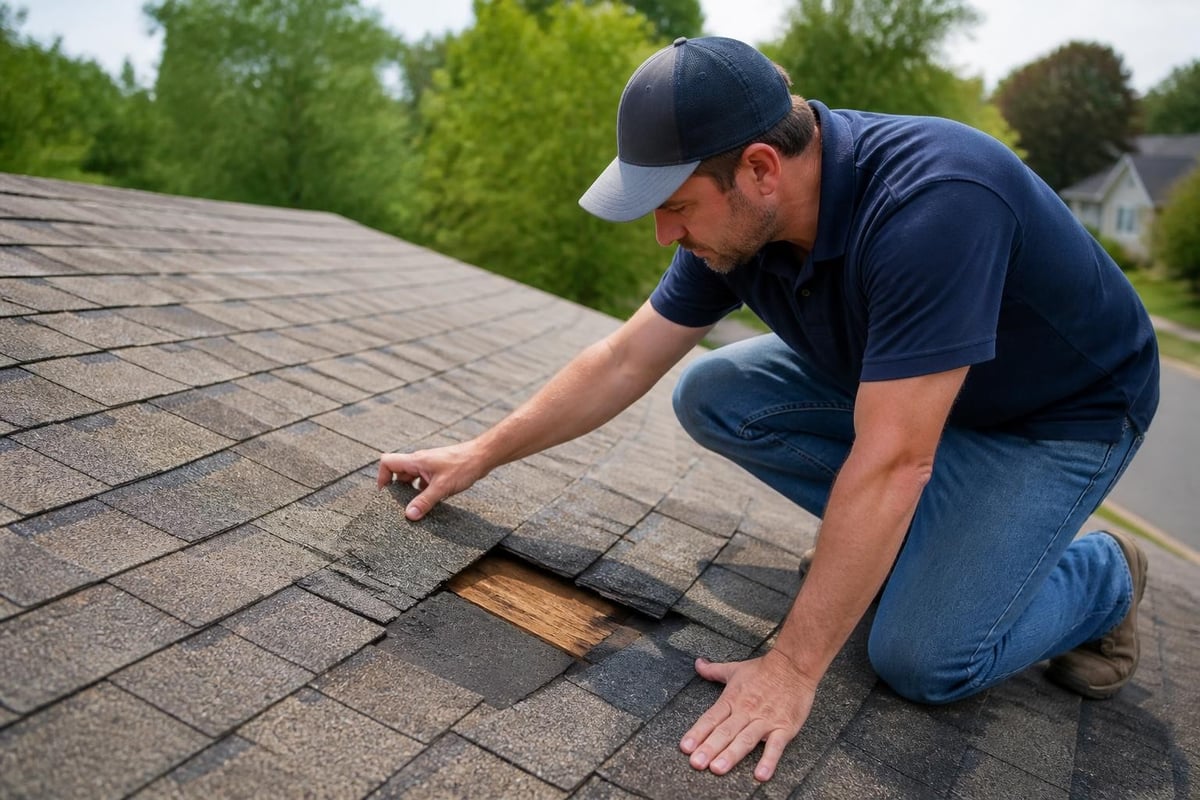
Sometimes what looks like a few missing shingles reveals more extensive damage once a roofer gets up there. Underlayment damage, decking rot, or flashing problems can turn a simple patch job into a larger project. Coastal areas like Topsail and Surf City see this frequently after tropical storms when wind-driven rain compromises the roof deck beneath the shingles.
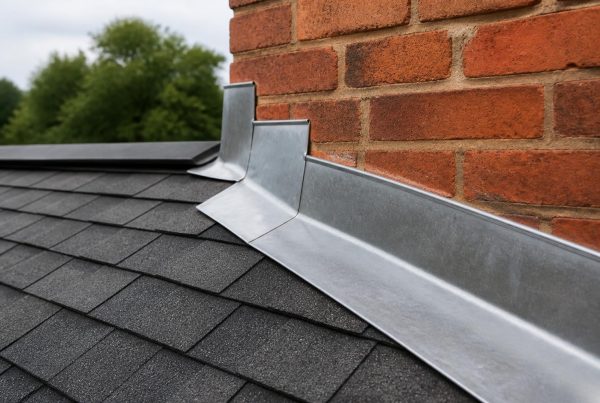
The number of missing shingles obviously affects cost, but so does their location. Shingles near valleys, chimneys, or roof edges often require more detailed work to maintain proper water drainage and seal integrity. A roofer might charge more for these areas even if fewer shingles need replacement.
Average Costs for Shingle Replacement in 2026
Most missing shingles repairs cost between $150 and $600 for a typical residential project, though prices can climb higher with complicating factors. This range reflects current 2026 labor rates and material costs in most markets.
For minor repairs involving one to ten shingles on an accessible section of roof, expect to pay on the lower end. Many roofing companies have minimum service charges of $200 to $300 just to send a crew out, so even a handful of shingles will likely hit that baseline.
Moderate repairs covering 10 to 30 shingles typically fall in the $400 to $800 range. At this scale, you're looking at more labor time, potentially multiple roof sections, and a higher material investment. The roofer may also need to inspect surrounding areas more thoroughly to ensure other shingles aren't at risk of failing.
| Repair Scope | Shingle Count | Typical Cost Range | Time Required |
|---|---|---|---|
| Minor patch | 1-10 shingles | $150-$350 | 1-2 hours |
| Moderate repair | 10-30 shingles | $400-$800 | 2-4 hours |
| Extensive repair | 30+ shingles | $800-$1,500+ | Half to full day |
| Full section replacement | One roof plane | $1,500-$5,000 | 1-2 days |
Material Costs vs. Labor Costs
Material costs represent only a small fraction of most missing shingles repair projects. A bundle of asphalt shingles runs $30 to $50 in 2026, and each bundle covers about 33 square feet. For a repair involving 20 shingles, you're looking at maybe $40 to $60 in materials.
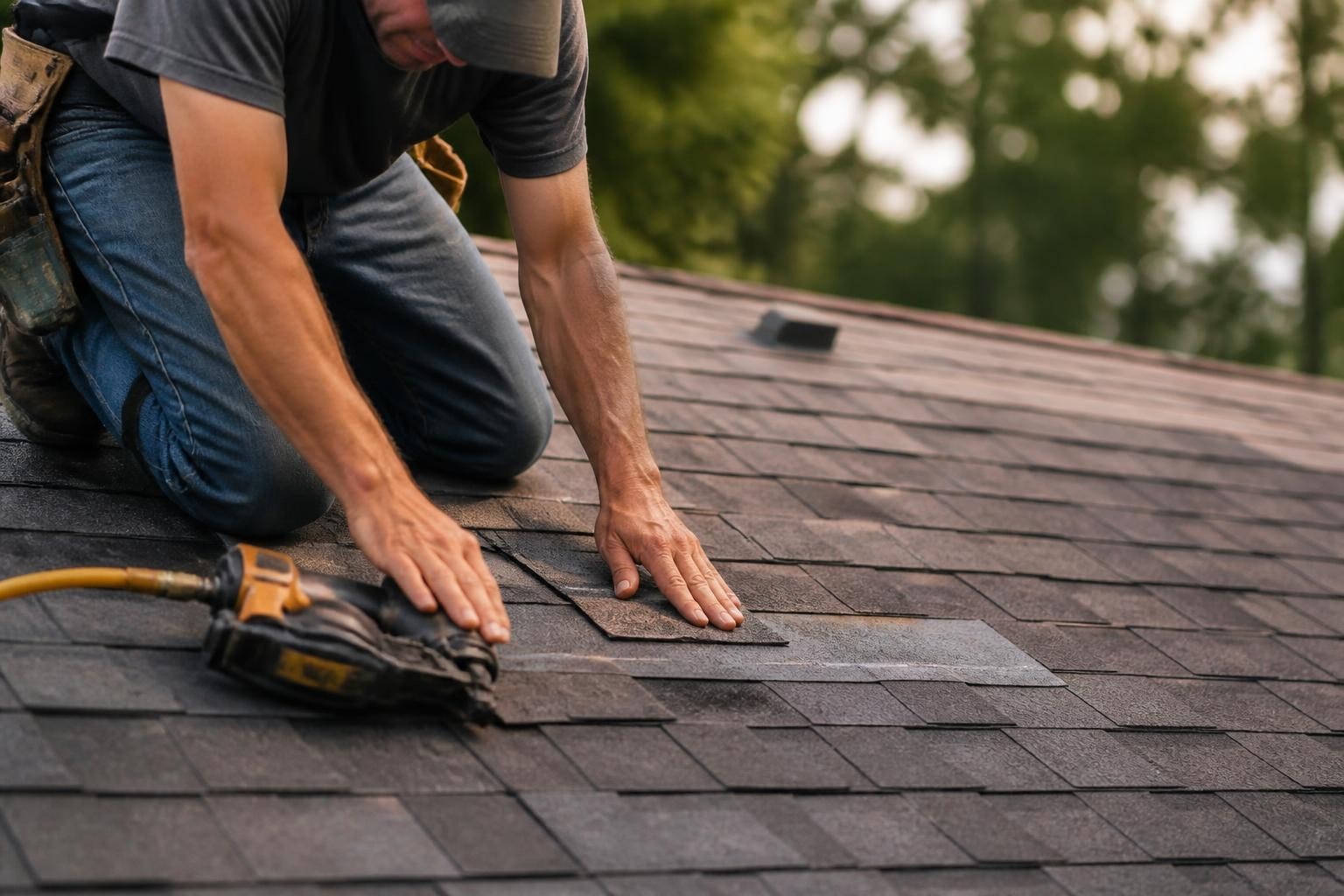
Labor accounts for 70 to 80 percent of the total missing shingles repair cost. You're paying for the roofer's expertise, insurance, equipment, and time. This includes setup, tear-off of damaged shingles, inspection of the underlying structure, installation of new shingles, and cleanup. Coastal North Carolina sees labor rates ranging from $75 to $150 per hour depending on the contractor and complexity of work.
When to Repair vs. When to Replace
Deciding between patching missing shingles and replacing the entire roof depends on age, overall condition, and long-term costs. If your roof is under 10 years old and the missing shingles resulted from isolated storm damage, repair makes clear financial sense. The rest of the roof still has plenty of life left.
Roofs approaching 15 to 20 years old require more careful consideration. Multiple missing shingles often signal broader deterioration. Spending $600 on repairs might seem smart today, but if you're facing a $8,000 replacement in two years anyway, that repair money doesn't add much value.
Look at the overall roof condition beyond just the missing shingles. Are there curling edges elsewhere? Granule loss in the valleys? Multiple layers of old shingles underneath? These factors suggest replacement might be the better investment. When roof repair is the right call, it should buy you several more years of reliable protection, not just postpone the inevitable for a few months.
Cost Comparison Over Time
The math changes when you factor in repeat repairs. One patch job for $400 makes sense. Three separate repair calls over two years at $400 each totals $1,200, which could have gone toward a replacement instead.
- Single repair: $300-$600, extends roof life 3-5 years on a newer roof
- Multiple repairs annually: $800-$1,500+, suggests replacement timeline discussion
- Partial replacement (one section): $2,000-$5,000, works when damage concentrates in one area
- Full replacement: $8,000-$15,000+ depending on size and materials, provides 20-30 year solution
How Location Affects Repair Costs in Coastal North Carolina
Living in Eastern North Carolina means dealing with specific weather patterns that affect both damage frequency and repair costs. Coastal wind patterns create unique stress on roofs, especially on barrier islands and exposed areas. Salt air accelerates shingle deterioration, meaning roofs here often show wear faster than inland properties.
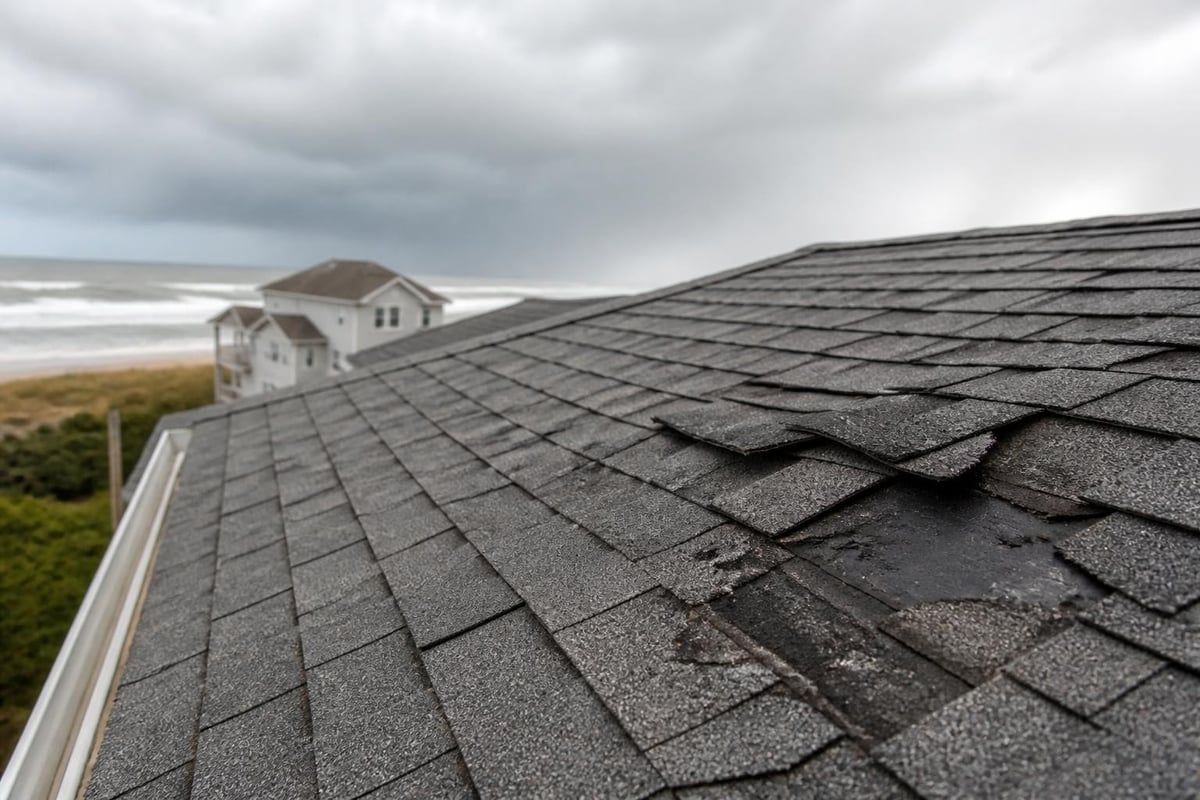
Hurricane season brings the highest risk of missing shingles. Even tropical storms with 50 mph winds can lift shingles that are already compromised by age or improper installation. Communities like Holly Ridge and Wilmington see spikes in roofing demand after major storms, which can temporarily increase prices due to contractor availability.
Seasonal Pricing Variations
Missing shingles repair cost can fluctuate with the seasons. Spring and fall represent peak roofing seasons when weather is mild and homeowners are thinking about maintenance. Demand increases prices slightly during these months.
Winter repairs sometimes come with weather delays but may offer better availability and potentially lower rates. Summer brings afternoon thunderstorms that can complicate scheduling but generally provides good working conditions. The key is addressing missing shingles promptly regardless of season, since waiting often leads to more extensive damage.
DIY vs. Professional Repair Costs
Homeowners sometimes consider handling missing shingle repairs themselves to save money. Materials are inexpensive, and the process seems straightforward. However, the actual missing shingles repair cost calculation needs to include risks and hidden factors.
DIY material costs run $50 to $100 for a small repair including shingles, roofing cement, nails, and basic tools if you don't already have them. Add ladder rental or purchase if needed. The real cost comes in time, safety risk, and the possibility of improper installation that causes leaks later.
Professional repairs include:
- Proper safety equipment and insurance coverage
- Experience identifying hidden damage
- Warranty on workmanship, typically 1-5 years
- Correct installation techniques that prevent future problems
- Efficiency that completes the job in hours instead of a full weekend
Hidden Costs of DIY Repairs
Many homeowners don't account for the cost of mistakes. Installing shingles incorrectly can void manufacturer warranties on the entire roof. Water damage from a botched repair can cost thousands more than hiring a professional initially. Professional roofing contractors also spot problems you might miss, like damaged flashing or ventilation issues.
Safety risks represent another hidden cost. Falls from roofs cause thousands of injuries annually. Professional roofers have training, equipment, and insurance to handle these risks. Your homeowner's insurance likely won't cover injuries you sustain working on your own roof.
Insurance Coverage and Missing Shingles
Whether insurance covers your missing shingles repair cost depends on what caused the damage. Wind damage from storms typically qualifies for coverage, especially if the wind speed exceeded your policy's threshold. Gradual deterioration from age or lack of maintenance usually doesn't qualify.
Most homeowner policies include a deductible ranging from $500 to $2,500. If your repair costs $600 and your deductible is $1,000, filing a claim doesn't make financial sense. You'll pay out of pocket and potentially see your premiums increase for future coverage.
Documenting Damage for Claims
When storm damage causes missing shingles, proper documentation helps with insurance claims:
- Photograph the damage from ground level and note the date
- Document the storm through local weather reports
- Get a professional inspection and written estimate
- File your claim promptly, typically within days of discovering damage
- Keep all receipts and correspondence related to the repair
Some insurance companies require specific types of documentation or inspections by approved contractors. Understanding your policy's requirements before damage occurs saves time and stress when you actually need coverage.
Getting Accurate Estimates for Your Repair
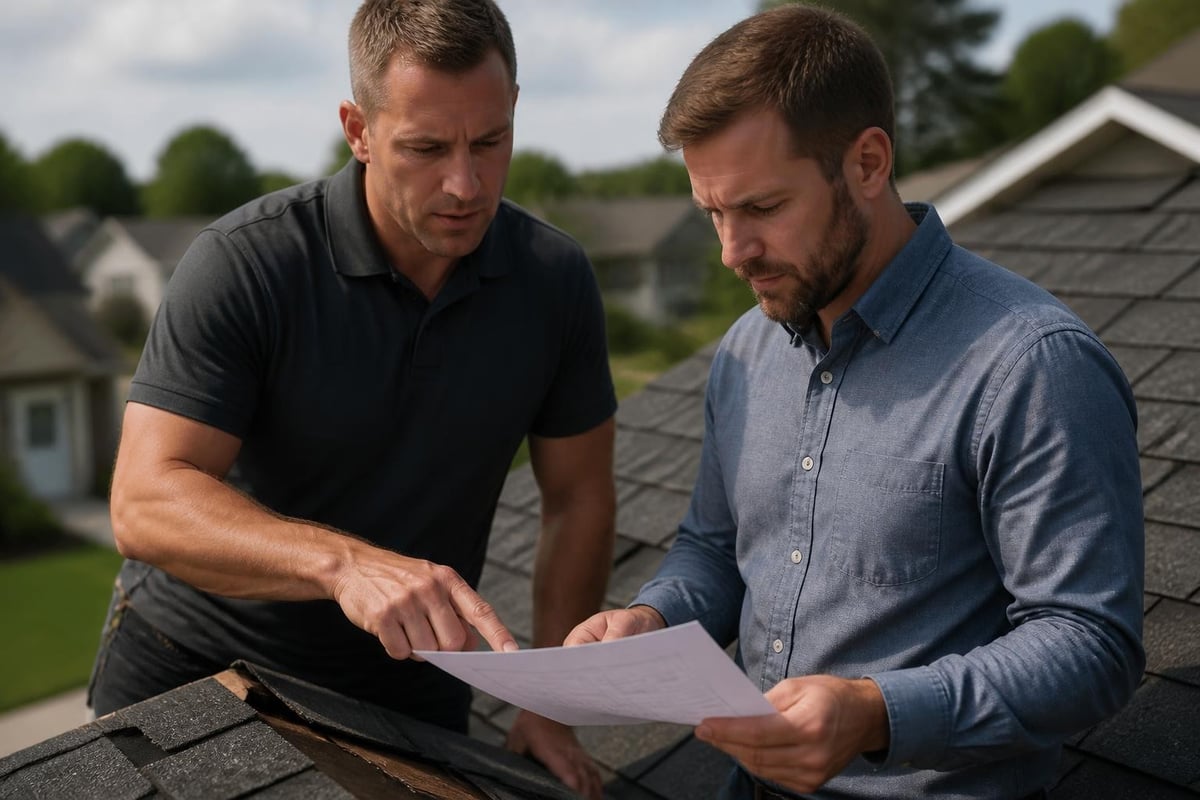
Comparing estimates helps you understand the true missing shingles repair cost for your specific situation. Request at least three quotes from licensed, insured contractors. Each estimate should include:
- Detailed scope of work listing what they'll repair
- Material specifications including shingle type and brand
- Labor costs broken out separately
- Timeline for completing the work
- Warranty information on both materials and workmanship
Be wary of estimates that seem far lower than others without clear explanation. Some contractors lowball initial quotes then discover "additional damage" once work begins, driving up the final cost. Others skip important steps like proper flashing or underlayment repair to keep prices down, which creates problems later.
Questions to Ask Contractors
Smart questions reveal contractor quality and help you understand what you're actually paying for:
- How long have you been in business, and what's your experience with coastal properties?
- Are you licensed and insured, and can I verify that information?
- What's included in your warranty, and how long does it last?
- How will you match existing shingles if mine are older or discontinued?
- What happens if you discover additional damage during the repair?
- Do you pull permits when required, and handle inspections?
The cheapest estimate isn't always the best value. Focus on contractors who explain their process clearly, answer questions thoroughly, and provide references you can check. In communities around Topsail and Surf City, reputation matters because contractors rely on local word-of-mouth.
Preventing Future Missing Shingle Problems
Reducing long-term missing shingles repair cost starts with proper maintenance and quality installation. Annual roof inspections catch minor issues before they become major repairs. Look for lifted shingle edges, missing granules, damaged flashing, and debris accumulation in valleys.
Trim overhanging branches that can scrape shingles during wind events or drop debris that wears through the protective granules. Keep gutters clean so water drains properly and doesn't back up under shingle edges. These simple steps extend roof life and reduce repair frequency.
Installation Quality Matters
When you do need repairs or replacement, proper installation techniques make a significant difference in longevity. Quality roofers use the correct number of nails per shingle, install proper underlayment, and seal edges appropriately. Cutting corners during installation almost guarantees missing shingles after the next storm.
Ventilation affects shingle lifespan more than most homeowners realize. Poor attic ventilation causes heat buildup that degrades shingles from underneath, making them brittle and prone to wind damage. Addressing ventilation during repairs prevents repeat problems and extends the life of your entire roof.
Emergency Repairs and Temporary Solutions
When shingles go missing during a storm and you can't get a roofer out immediately, temporary measures prevent water damage. Tarping the affected area protects the interior until proper repairs happen. Use heavy-duty tarps secured with wood strips, never just nails that can create additional leak points.
Temporary repair costs vary based on extent and urgency. Emergency service after a major storm may include premium rates of 1.5 to 2 times normal pricing. Some contractors offer temporary stabilization for $200 to $500, then return for permanent repairs once materials arrive and schedules normalize.
What Constitutes an Emergency
Not every missing shingle requires emergency attention, but certain situations do:
- Active leaking into living spaces
- Large exposed areas of roof deck vulnerable to rain
- Structural damage visible in the roof framing
- Storm forecast with additional weather approaching soon
A few missing shingles on a dry, sunny week can usually wait a few days for proper repair without causing additional damage. Use common sense and prioritize based on immediate risk to your home's interior and structure. When in doubt, consulting with experienced roofing professionals helps you make informed decisions about timing and urgency.
Understanding Long-Term Value
The missing shingles repair cost needs evaluation in the context of your roof's remaining lifespan and your plans for the property. If you're selling within a year, a quality repair maintains value without the expense of full replacement. If you plan to stay for a decade, investing in comprehensive repairs or strategic replacement delivers better long-term returns.
Energy efficiency improves with proper roof repairs. Missing shingles and underlying damage reduce insulation effectiveness and increase heating and cooling costs. While the repair itself may cost $500, the energy savings over several years add measurable value.
Think about total cost of ownership rather than just immediate expense. A $400 repair that lasts five years costs $80 annually. A $600 repair lasting three years costs $200 annually. Sometimes paying slightly more upfront for better materials and workmanship reduces long-term missing shingles repair cost through fewer callbacks and longer-lasting results.
| Scenario | Initial Cost | Expected Lifespan | Annual Cost | Additional Benefits |
|---|---|---|---|---|
| Budget repair | $300 | 2-3 years | $100-$150 | Minimal warranty |
| Quality repair | $500 | 5-7 years | $71-$100 | Workmanship warranty, better materials |
| Premium repair with inspection | $750 | 7-10 years | $75-$107 | Full warranty, preventive maintenance identified |
Regional Considerations for Eastern North Carolina
Roofs in Hampstead, Wilmington, and surrounding coastal areas face specific challenges that affect both repair needs and costs. The combination of high humidity, salt air, and seasonal storms creates a more aggressive environment for roofing materials than inland regions experience.
Hurricane preparedness should factor into repair decisions. If your roof is already compromised, addressing those issues before storm season reduces the risk of catastrophic failure during a major weather event. The cost of temporary repairs during hurricane season often exceeds proactive fixes made during calmer months.
Local building codes sometimes require specific installation methods or materials in coastal zones. These requirements can affect the overall cost of shingle repairs but exist to ensure roofs withstand the environmental stresses common to the area. Working with contractors familiar with local codes prevents compliance issues and ensures repairs meet required standards.
Choosing Local vs. Out-of-Area Contractors
After major storms, contractors from other regions often flood coastal areas looking for work. While some are legitimate, others provide substandard service and disappear when problems arise. Local contractors maintain reputations in the community and remain available for warranty work or follow-up questions.
Verify licensing and insurance regardless of where a contractor is based. Check references specifically from the local area, and be cautious of door-to-door solicitations after storms. Established local businesses have physical addresses, local phone numbers, and verifiable track records you can research before committing to repairs.
Understanding missing shingles repair cost helps you budget appropriately and make informed decisions about maintaining your roof's integrity. The key is addressing damage promptly with quality repairs that match your roof's age and condition, preventing small problems from becoming expensive emergencies. If you're dealing with missing shingles in the Topsail, Surf City, or Wilmington areas, NC Roofs provides honest assessments and fair pricing on repairs that make sense for your specific situation.