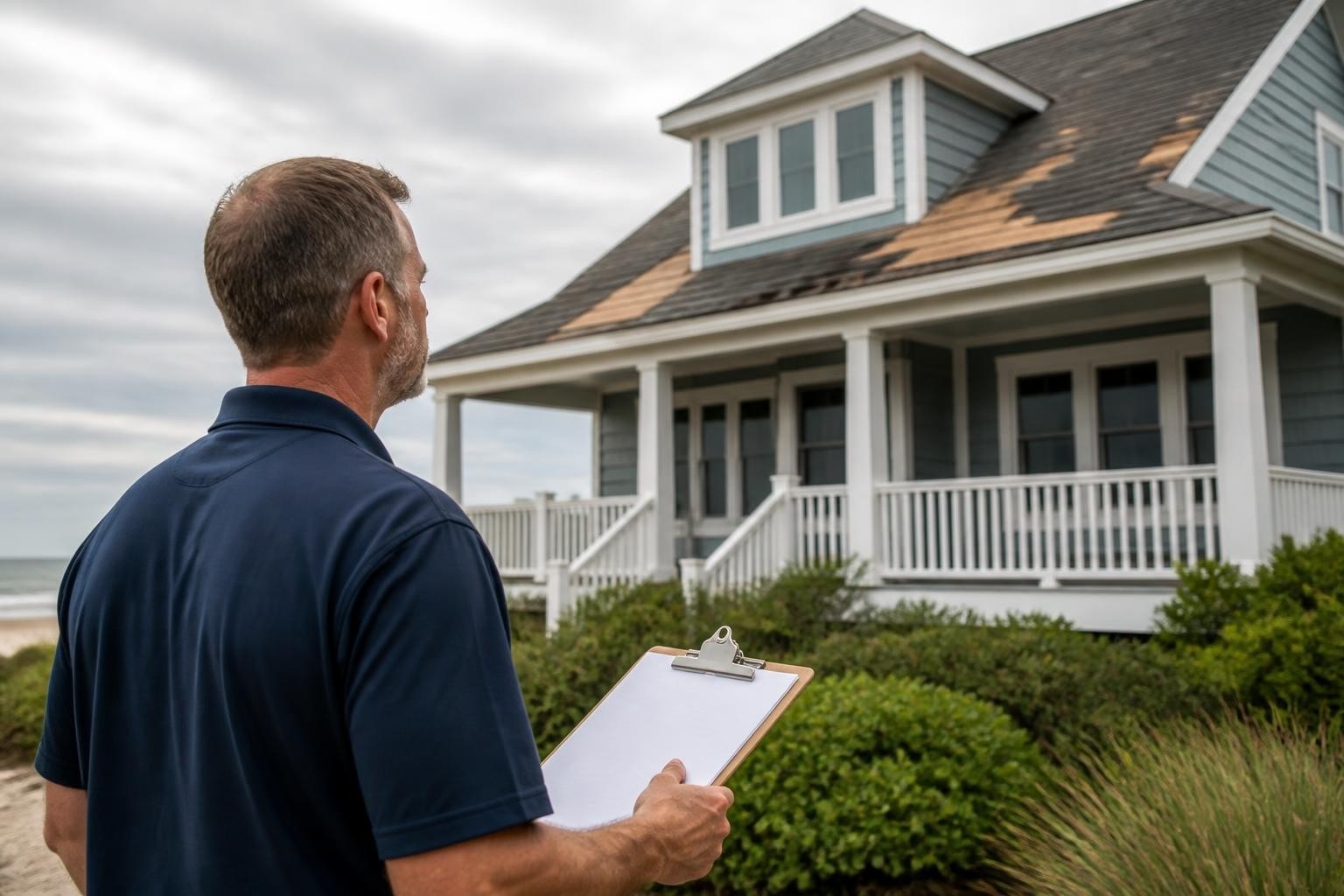
Roof work covers everything from patching a small leak to replacing an entire roof system. For homeowners in coastal North Carolina, understanding what different types of roof work involve helps you make better decisions about your home. Whether you're dealing with missing shingles after a storm, noticing water stains on your ceiling, or planning a full replacement, knowing the basics of roof work gives you confidence when talking to contractors and evaluating quotes. This guide walks through the types of roof work you might encounter, what each project typically involves, and how to approach decisions about your roof without unnecessary stress.
Types of Roof Work Homeowners Encounter
Roof work falls into several broad categories, each addressing different needs and levels of urgency. The scope of work determines the timeline, cost, and planning required.
Emergency Repairs
Storm damage creates immediate needs. When high winds tear off shingles or debris punctures your roof, quick action prevents water from entering your home. Emergency roof work focuses on temporary protection first, then permanent fixes once conditions allow.
- Tarping exposed areas to prevent interior damage
- Replacing missing or damaged shingles
- Sealing punctures or tears in roofing materials
- Addressing flashing failures around chimneys and vents
Emergency work often happens in stages. The initial response stops the bleeding, while follow-up work restores full protection.
Routine Maintenance and Small Repairs
Most roof work falls into this category. Small issues caught early prevent bigger problems later. Regular maintenance extends roof life and keeps repair costs manageable.
Common maintenance tasks include:
- Replacing cracked or curled shingles
- Resealing flashing around penetrations
- Clearing debris from valleys and gutters
- Fixing minor leaks before they spread
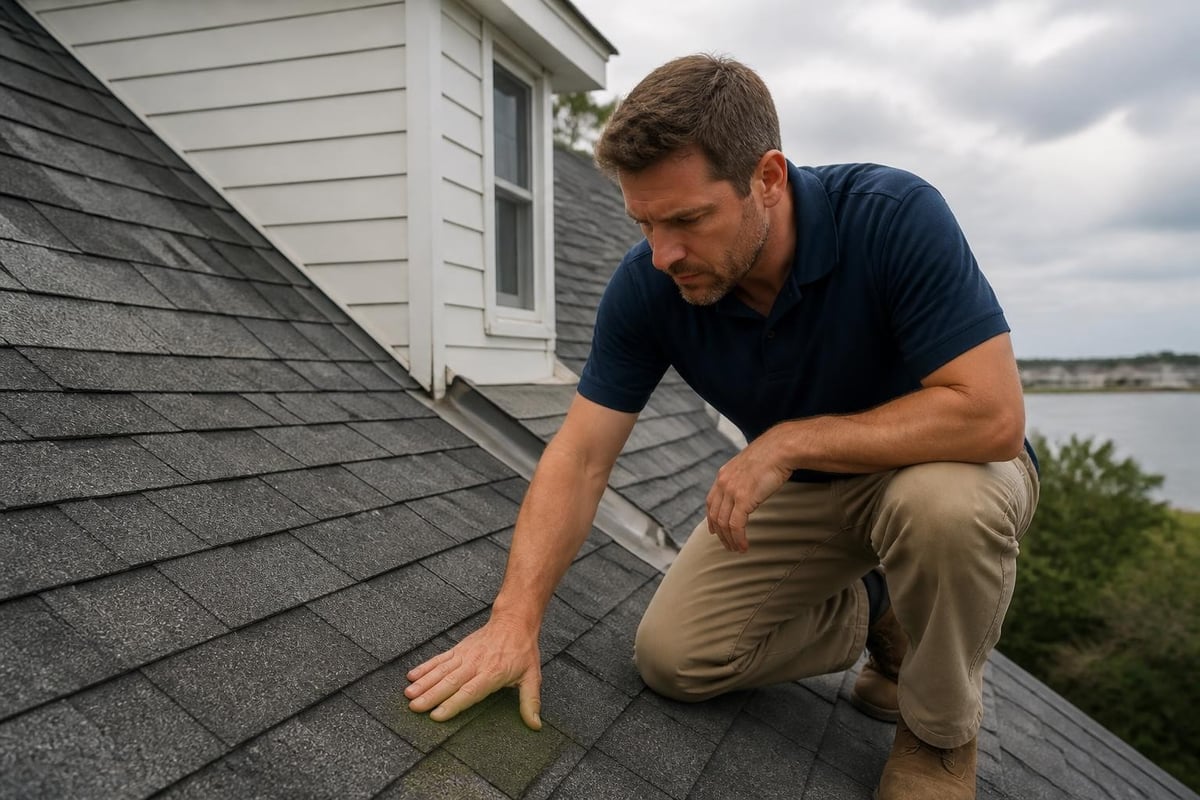
These projects typically take a few hours to a full day. They're straightforward when handled promptly but become expensive if delayed. Many homeowners in Topsail and Surf City schedule annual inspections to catch small issues before they escalate.
Partial Roof Replacement
Sometimes damage affects one section of your roof while the rest remains sound. Partial replacement makes sense when storm damage, a fallen tree, or isolated wear concentrates in a specific area.
| Situation | Typical Approach | Timeline |
|---|---|---|
| One slope damaged | Replace affected slope only | 1-3 days |
| Multiple scattered areas | Evaluate repair vs. full replacement | Varies |
| Localized storm damage | Replace damaged section, blend materials | 2-5 days |
The challenge with partial work involves matching existing materials. If your roof is relatively new, finding matching shingles is easier. Older roofs may require creative solutions to blend new and existing sections.
Full Roof Replacement
When repair costs approach replacement costs, or when your roof has reached the end of its lifespan, complete replacement becomes the practical choice. This major roof work project transforms your home's protection system.
Planning considerations:
- Material selection based on climate and budget
- Timing around weather patterns
- Coordination with insurance if storm damage triggered the need
- Understanding warranties and guarantees
Full replacements in coastal areas require attention to wind resistance ratings and proper installation techniques. Different roofing materials offer varying levels of durability and storm resistance, making material choice an important decision for Eastern North Carolina homes.
Understanding Roof Work Costs
Pricing for roof work varies widely based on scope, materials, and local conditions. Transparency about costs helps homeowners budget appropriately and recognize fair pricing.
Repair Cost Factors
Small repairs might cost a few hundred dollars, while extensive work reaches several thousand. Several elements influence final pricing:
- Accessibility: Steep pitches or multiple stories increase labor time
- Material matching: Finding exact matches for older shingles adds cost
- Extent of damage: Hidden issues discovered during work expand scope
- Urgency: Emergency service commands premium pricing
Coastal properties face unique challenges. Salt air accelerates material breakdown, and wind exposure increases damage frequency. These factors don't necessarily increase individual repair costs but may lead to more frequent roof work needs.
Replacement Cost Components
Full roof replacements involve multiple cost layers beyond just materials and labor.
| Cost Component | Typical Percentage | Notes |
|---|---|---|
| Materials | 35-45% | Varies by roofing type |
| Labor | 40-50% | Includes removal and installation |
| Disposal | 5-10% | Old material removal |
| Permits/Inspection | 2-5% | Local requirements |
| Contingencies | 5-10% | Unexpected issues |
Understanding these breakdowns helps you evaluate quotes. If one estimate seems unusually low, ask which components might be omitted or underestimated.
Getting Value Without Overpaying
Smart homeowners balance cost with quality. The lowest bid isn't always the best value, but the highest doesn't guarantee superior work either.
Look for:
- Detailed written estimates breaking down all costs
- Clear explanations of materials being used
- Realistic timelines that account for weather
- Proof of licensing and insurance
Before committing to any major roof work, consider getting a Roof Report that documents current conditions and provides clear recommendations. This helps you understand whether you're facing a repair situation or if replacement makes more sense for your specific circumstances.
Safety Considerations in Roof Work
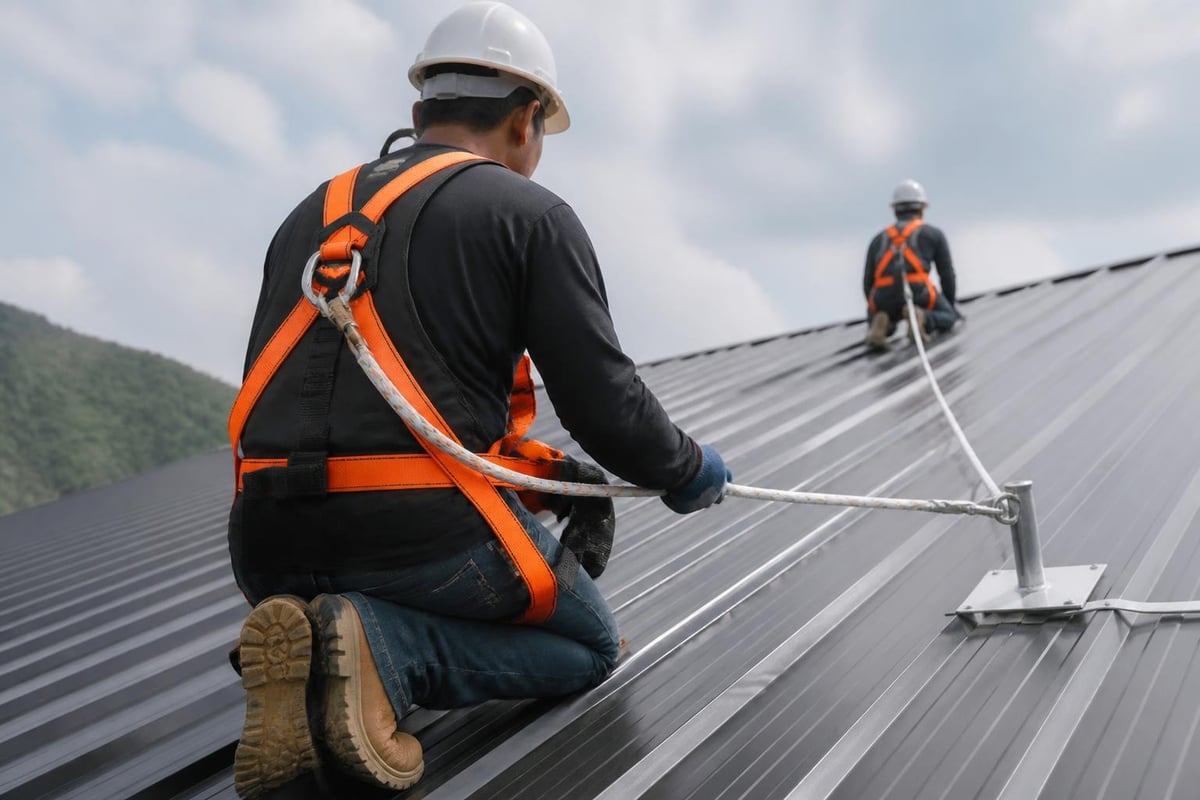
Roof work ranks among the most dangerous home improvement activities. Understanding safety basics protects both homeowners and contractors.
Why Professionals Matter
The UK’s Health and Safety Executive provides comprehensive guidelines on safe roof work practices, emphasizing proper planning and training. These principles apply universally, regardless of location.
Professional contractors bring:
- Proper safety equipment including harnesses and anchor points
- Insurance coverage protecting homeowners from liability
- Training in safe work practices
- Experience identifying and avoiding hazards
Attempting DIY roof work saves money in theory but creates serious injury risks. Even simple tasks like clearing debris become dangerous on sloped surfaces, especially when wet.
Weather and Timing
Coastal North Carolina weather creates specific challenges for roof work. Contractors must navigate:
- Hurricane season from June through November
- Afternoon thunderstorms in summer months
- High humidity affecting adhesive performance
- Salt air requiring special material considerations
Professional crews monitor weather forecasts and pause work when conditions create unsafe situations. Quality roof work requires dry conditions for proper installation. Rushing to beat weather often leads to problems later.
What Homeowners Should Avoid
While professionals handle the actual roof work, homeowners sometimes create hazards through well-meaning actions.
Don't:
- Climb onto your roof to inspect after storms
- Remove snow or debris yourself
- Pressure contractors to work in questionable weather
- Allow unlicensed or uninsured workers on your property
Instead, stay on the ground and use binoculars for visual checks. Safely removing snow from roofs requires special tools and techniques that keep you off the roof entirely.
Planning and Managing Roof Work Projects
Successful roof work projects start with clear planning. Whether you're addressing a small leak or replacing your entire roof, organization prevents surprises.
Initial Assessment
Before any work begins, you need accurate information about your roof's condition. This assessment phase determines what work is actually necessary.
Assessment should include:
- Complete visual inspection of all roof surfaces
- Interior checks for water stains or damage
- Attic inspection for proper ventilation and insulation
- Documentation of findings with photos
- Written recommendations with cost estimates
This process separates necessary work from optional upgrades. Some contractors use fear tactics to upsell unnecessary replacements. Good assessments give you facts to make informed decisions.
Choosing the Right Contractor
Contractor selection significantly impacts project outcomes. The right team completes quality work on schedule, while poor choices lead to delays, cost overruns, and substandard results.
| Selection Criteria | What to Verify | Why It Matters |
|---|---|---|
| Licensing | Current state license | Legal requirement, basic competence |
| Insurance | Liability and workers comp | Protects your property and liability |
| Experience | Years in business, similar projects | Skills and reliability |
| References | Recent customer contacts | Real-world performance |
| Written estimates | Detailed scope and pricing | Prevents disputes |
Ask specific questions about their approach to roof work in coastal environments. Experience with salt air exposure and hurricane-force winds matters in Hampstead, Wilmington, and surrounding areas.
Project Timeline Expectations
Roof work timelines vary based on project scope and external factors. Setting realistic expectations prevents frustration.
Typical timelines:
- Minor repairs: Same day to 2 days
- Moderate repairs: 2-5 days
- Partial replacement: 3-7 days
- Full replacement: 5-14 days
Weather delays extend these timelines. Coastal areas experience frequent afternoon storms during summer months, and contractors can't safely work during rain or high winds. Build buffer time into your expectations.
Communication During the Project
Clear communication prevents misunderstandings. Establish communication protocols before work begins.
Discuss:
- Daily start and end times
- How you'll be notified of issues or changes
- Decision-making process for unexpected findings
- Payment schedule tied to completion milestones
- Cleanup and final walkthrough procedures
Good contractors provide regular updates and involve you in decisions affecting cost or scope. If communication breaks down during roof work, address concerns immediately rather than waiting until project completion.
Common Roof Work Mistakes to Avoid
Homeowners and contractors both make mistakes that compromise roof work outcomes. Learning from common errors helps you avoid them.
Homeowner Mistakes
Delaying necessary repairs tops the list. Small leaks become big problems when ignored. Water damage spreads through roof decking, insulation, and into living spaces. A $500 repair becomes a $5,000 problem through procrastination.
Choosing contractors based solely on price creates risk. Unrealistically low bids often signal:
- Use of substandard materials
- Shortcuts in installation procedures
- Lack of proper insurance
- Inexperienced crews
Failing to get written agreements leads to disputes. Verbal promises evaporate when problems arise. Every aspect of roof work should be documented in writing before work begins.
Contractor Mistakes
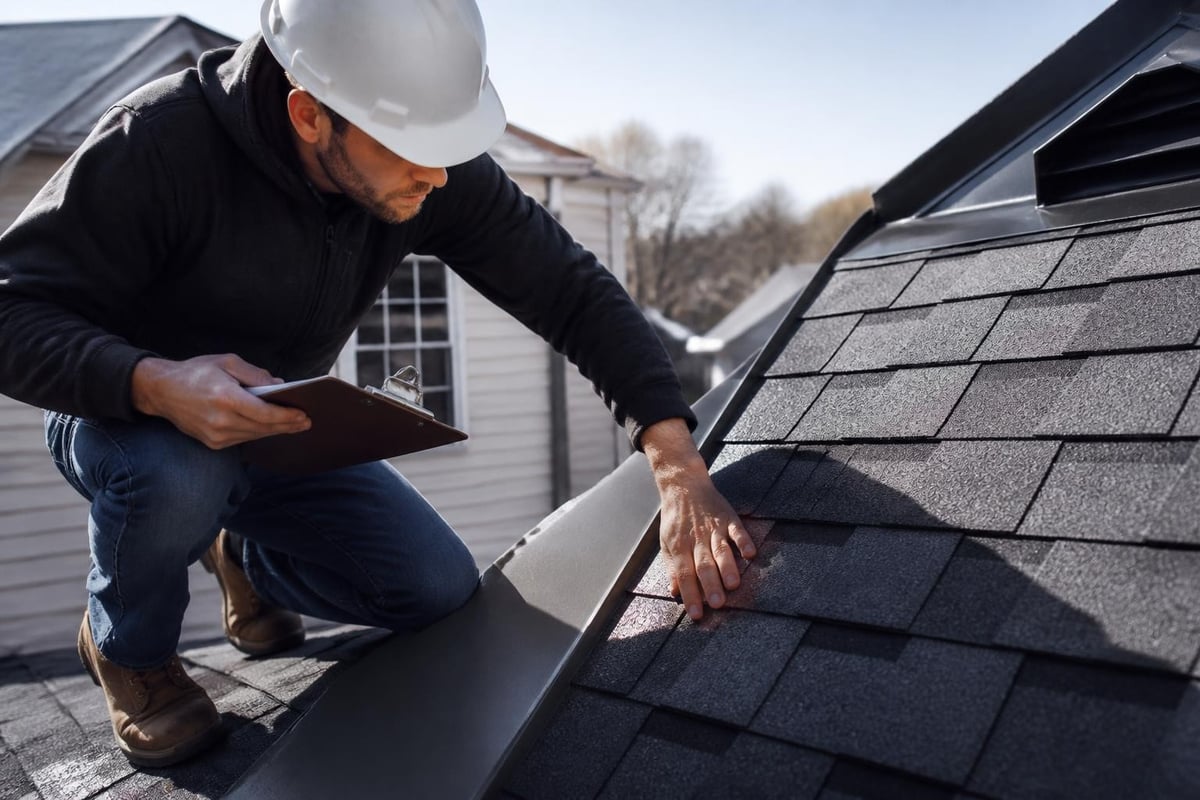
Even professional roof work sometimes goes wrong. Watch for these red flags:
- Starting work without proper permits
- Skipping roof deck inspection and repair
- Installing new roofing over damaged decking
- Inadequate ventilation planning
- Poor flashing installation around penetrations
Quality contractors catch and address these issues. If you notice concerning practices, speak up immediately. Your roof's long-term performance depends on correct installation.
Material Selection Errors
Choosing inappropriate materials for coastal environments causes premature failure. Not all roofing products perform equally in salt air and high winds.
Consider:
- Wind resistance ratings appropriate for coastal exposure
- Corrosion-resistant fasteners and flashing
- Materials proven in humid, high-UV environments
- Warranty terms specific to coastal installations
Your contractor should recommend materials suited to Eastern North Carolina conditions. If they suggest the same products they'd use inland, question whether they understand coastal requirements.
When to Schedule Roof Work
Timing affects both project success and cost. Strategic scheduling leads to better outcomes.
Seasonal Considerations
Spring and fall offer ideal conditions for roof work in coastal North Carolina. Moderate temperatures help materials seal properly, and weather patterns are more predictable than summer months.
Summer brings challenges. Afternoon thunderstorms interrupt work frequently. Extreme heat makes roof surfaces dangerous and accelerates worker fatigue. However, longer days allow more productive hours when weather cooperates.
Winter provides fewer weather delays but shorter working days. Cold temperatures affect adhesive performance and material flexibility. Some roof work becomes impractical in freezing conditions.
Emergency Versus Planned Work
Emergency situations don't allow seasonal selection. When storms damage your roof or leaks threaten your home, immediate action takes priority over optimal timing.
Planned projects benefit from flexible scheduling. If your roof shows age but isn't failing, scheduling during optimal seasons improves installation quality and often reduces costs through off-season pricing.
Lead Time Requirements
Quality contractors stay busy. Expect lead times of:
- Emergency repairs: Same day to 3 days
- Routine repairs: 1-3 weeks
- Full replacements: 4-8 weeks
Hurricane season creates demand spikes. After major storms, wait times extend significantly as contractors work through backlogs. Planning ahead prevents being stuck in queue during peak demand periods.
Roof Work and Insurance Claims
Storm damage often involves insurance claims. Understanding the claims process helps you navigate roof work funded by insurance.
Documentation Requirements
Insurance companies require thorough documentation before approving claims. Your evidence package should include:
- Photos of all damaged areas from multiple angles
- Written description of damage extent
- Estimates from licensed contractors
- Documentation of when damage occurred
- Interior damage photos if leaks developed
Professional documentation strengthens claims. Detailed reports that clearly connect visible damage to specific storm events help adjusters understand claim validity.
Working with Adjusters
Insurance adjusters assess damage to determine covered repairs. Their evaluation drives approval amounts.
During adjuster visits:
- Point out all damaged areas, not just obvious problems
- Ask questions about their assessment methodology
- Request written explanation of any denied items
- Understand depreciation versus replacement value coverage
Sometimes adjusters miss damage or underestimate repair scope. Having your own professional assessment provides leverage during negotiations.
Contractor Involvement
Some contractors offer to "work with your insurance" or promise to "cover your deductible." Approach these offers carefully.
Legitimate assistance includes:
- Providing detailed estimates for insurance review
- Meeting with adjusters to explain necessary work
- Documenting hidden damage discovered during repairs
- Handling paperwork and claim coordination
Red flags include:
- Promising specific insurance outcomes
- Offering to waive deductibles (often illegal)
- Pressuring you to sign contracts before insurance approval
- Inflating estimates to create negotiation room
Quality roof work should cost the same whether insurance pays or you pay out of pocket. Honest contractors provide accurate estimates regardless of payment source.
Maintaining Your Roof After Work Completes
Roof work represents a significant investment. Proper maintenance protects that investment and extends roof life.
Post-Installation Care
New roof work requires attention during the first few months as materials settle and seal.
First year priorities:
- Visual inspections after storms
- Checking flashing and penetration seals
- Monitoring for any fastener backing out
- Ensuring proper drainage in valleys and gutters
Most issues appear early if they're going to appear at all. Catching problems during warranty periods ensures contractor responsibility for corrections.
Long-Term Maintenance
Annual inspections catch small issues before they escalate. Schedule professional inspections every year, ideally in spring before storm season.
Regular tasks homeowners can handle:
- Keeping gutters clean and flowing
- Removing debris from roof surfaces
- Trimming overhanging branches
- Watching for missing or damaged shingles
These simple practices prevent many common roof problems. Neglected maintenance voids some warranties and definitely shortens roof life.
Knowing When to Call Professionals
Some maintenance requires professional help. Don't attempt:
- Walking on roofs for any reason
- Repairs involving flashing or penetrations
- Work near roof edges or steep slopes
- Projects requiring special tools or materials
When you notice issues between annual inspections, document what you see and contact your roofing contractor. Early intervention prevents minor concerns from becoming major roof work projects.
Understanding roof work helps you make confident decisions about your home's protection system. From small repairs to complete replacements, knowing what different projects involve and how to approach them removes uncertainty from the process. Whether you're dealing with storm damage in Surf City or planning a replacement in Wilmington, having clear information puts you in control. NC Roofs provides honest assessments, transparent pricing, and quality workmanship across Eastern North Carolina's coastal communities, helping homeowners get the roof work they need without unnecessary upsells or confusion.