Planning for the holidays starts earlier than most people expect. While you might think about scheduling Christmas light installation in late November, professional installers and homeowners who've done this before know the answer is much different. Understanding when should i schedule christmas light installation helps you avoid stress, secure better availability, and ensure your home looks exactly how you want it for the season. Whether you're hiring professionals or planning a DIY project, timing makes all the difference between a smooth process and a last-minute scramble.
Why Timing Matters for Holiday Light Installation
The difference between booking in September and waiting until Thanksgiving weekend can determine whether you get your first choice of installer or settle for whoever has availability.
Professional installers fill their calendars fast. The best companies often book out completely by mid-October, leaving latecomers with limited options or higher prices. Scheduling early for Christmas light installation gives you access to preferred dates, better design flexibility, and installers who aren't rushing through multiple jobs per day.
Weather plays a bigger role than most homeowners realize. Installing lights in 70-degree October weather is vastly different from doing it during a December cold snap with rain or wind. Coastal North Carolina weather can be unpredictable even in fall, but conditions are generally more favorable in October and early November than later in the season.
The Impact of Installer Availability
Here's what happens to installer schedules throughout the season:
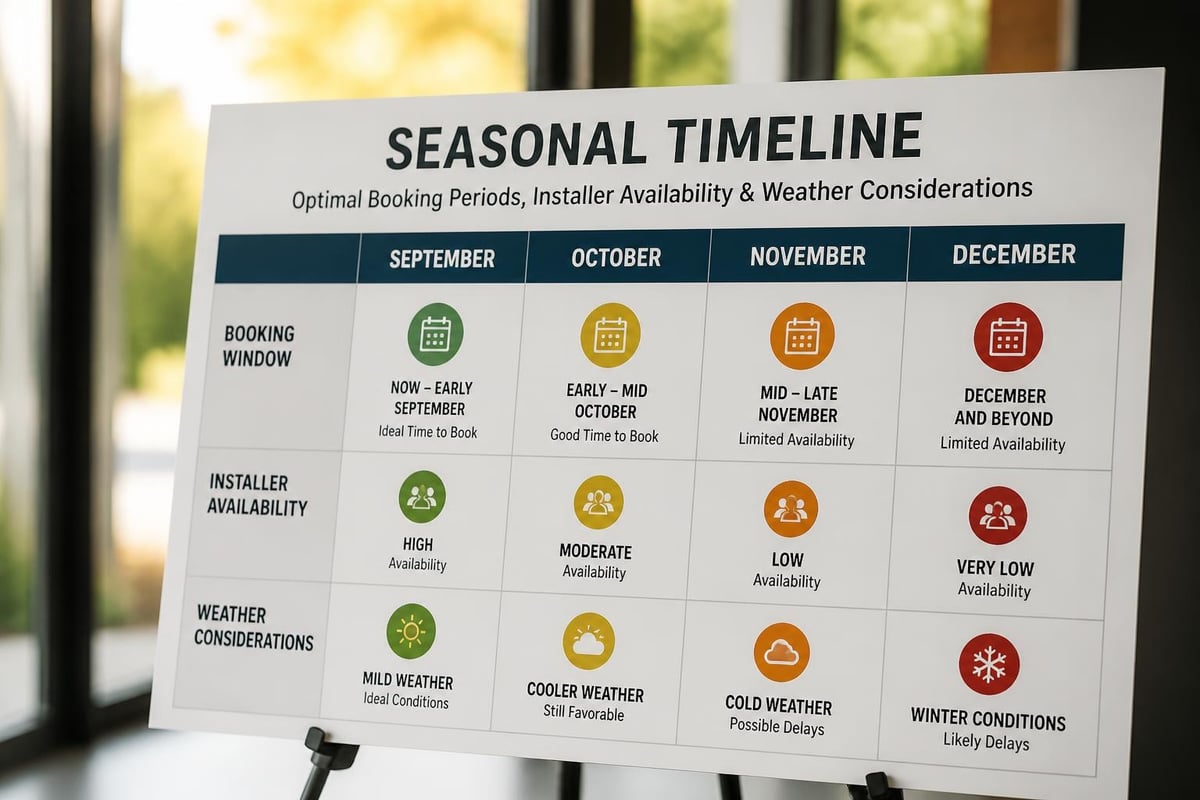
- September-Early October: Wide availability, flexible scheduling, unhurried consultations
- Mid-October-Early November: Prime booking window, still good availability
- Mid-November: Most quality installers are fully booked
- Late November-December: Emergency slots only, premium pricing, rushed installations
The installation timeline itself requires planning. Professional Christmas light installation takes varying amounts of time depending on your home's size, design complexity, and whether you're adding custom features. A simple roofline might take half a day, while elaborate designs with multiple zones, timers, and custom patterns could require two or three full days.
The Ideal Window: When Should I Schedule Christmas Light Installation
October represents the sweet spot for most homeowners. Early October gives you time to research installers, compare quotes, and make thoughtful decisions about your design without feeling rushed.
If you book in early October, installation typically happens in late October or early November. This timing means your lights are up before Thanksgiving, you've avoided the holiday rush, and installers can take proper care with details instead of racing through jobs.
| Booking Period | Installation Window | Advantages | Considerations |
|---|---|---|---|
| September | Late Sept-Early Oct | Best availability, lowest stress | May feel too early for some |
| Early October | Late Oct-Early Nov | Ideal weather, good availability | Prime window fills quickly |
| Late October | Mid-Late November | Still reasonable options | Limited design flexibility |
| November | Late Nov-December | Emergency availability only | Higher cost, weather risks |
Some homeowners prefer waiting until after Halloween to avoid looking "too early." That's fine, but have your installer booked well before then. You can always schedule installation for early November even if you book in September.
The answer to when should i schedule christmas light installation also depends on your specific situation. First-time professional installation customers should add extra time for design consultations. If you're particular about how your home looks or want custom features, starting conversations in September ensures the final result matches your vision.
Understanding Installation Lead Times
Most professional installers need at least two to three weeks from initial contact to completed installation under normal circumstances. Here's what that timeline actually includes:
Initial Consultation and Design
The first step involves either an in-person visit or detailed photos of your home. Installers assess your roofline, identify mounting points, discuss your vision, and create a design plan. This consultation might take a few days to schedule depending on their calendar.
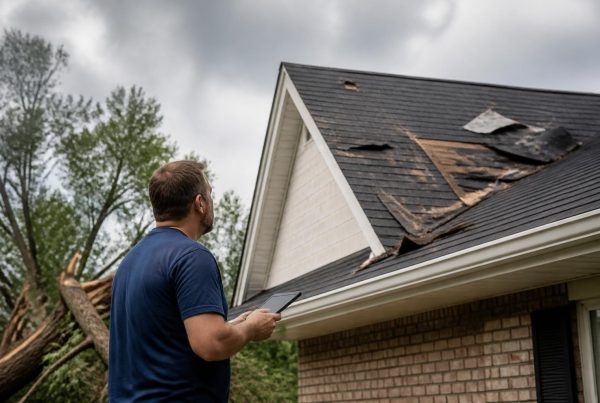
For homes with complex rooflines or unique architectural features, this phase requires extra attention. The same careful assessment you'd want for a roof repair applies here, since installers need to understand your roof's structure, identify safe mounting locations, and avoid areas with existing damage.
Material Ordering and Preparation
Once you approve a design, installers order specific lights, extension cords, clips, and timers. Standard orders might arrive in days, but custom colors or specialty items can take two weeks. This wait time is invisible if you book early but becomes a bottleneck if you're scheduling in November.
Preparation also includes route planning. Professional crews map efficient installation sequences, especially when handling multiple homes in the same neighborhood. Early bookings allow for better route optimization, which can mean faster installation for you.

Weather Considerations for Coastal North Carolina
Eastern North Carolina's coastal climate creates unique installation challenges. Understanding the timing for holiday lighting installations means accounting for our specific weather patterns.
October through early November offers the most reliable weather. Temperatures are comfortable for installers working on roofs, rain is less frequent than in winter months, and wind conditions are typically calmer than during November and December coastal storms.
December installations face increased weather risks:
- Stronger coastal winds that make rooftop work dangerous
- Cold snaps that make plastic clips brittle and prone to breaking
- Rain systems that delay installation for days at a time
- Shorter daylight hours that limit working time
I've seen plenty of homeowners in Hampstead, Topsail, and Wilmington learn this lesson the hard way. Waiting until late November means your installation might get postponed multiple times due to weather, pushing your completion date into mid-December or later.
Roof Safety in Different Seasons
Your roof's safety matters as much during light installation as it does during repairs. Working on a roof in October's mild weather is completely different from doing it during December's wet, cold conditions.
Professional installers should inspect your roof before beginning work, similar to how we approach every project at NC Roofs. Missing shingles, loose flashing, or soft spots need identification before someone walks on your roof. Discovering these issues in October gives you time to address them before installation. Finding them in late November creates scheduling conflicts between necessary repairs and holiday decorating.
How Long Does Installation Actually Take
The professional Christmas light installation process follows a detailed timeline from start to finish, and understanding this helps you plan appropriately.
Basic installations: A standard single-story home with roofline lights typically takes 3-4 hours. This includes setup, installation, testing, and cleanup.
Medium complexity: Two-story homes with multiple rooflines, some shrub lighting, and basic pathway lights usually require 6-8 hours, often completed in one full day.
Complex projects: Large homes with elaborate designs, multiple zones, synchronized features, and extensive landscape lighting can take 2-3 full days.
What Happens During Installation
Here's the actual process installers follow:
- Site preparation – Laying out materials, testing lights before installation
- Mounting and hanging – Securing clips, running wires, hanging strands
- Connection and testing – Wiring everything together, checking for outages
- Final adjustments – Ensuring even spacing, proper tension, aesthetic appeal
- Cleanup and walkthrough – Removing debris, showing you controls, answering questions
Weather delays can extend these timelines unpredictably. An installation scheduled for one day might stretch to two or three if rain interrupts work. This is another reason why answering when should i schedule christmas light installation with "early October" makes sense – you have buffer time built in.
The Cost Factor in Scheduling Decisions
Early scheduling often means better pricing. Some installers offer early-bird discounts for bookings made in September or early October. Even without explicit discounts, you avoid the premium pricing that comes with emergency or last-minute installations.
Rushed installations also cost more in indirect ways. Installers working under time pressure might take shortcuts, use fewer mounting points, or skip quality checks that ensure longevity. A properly installed display in October should last the entire season. A rushed December installation might need service calls for fallen sections or burned-out strings that weren't properly tested.
| Booking Timing | Average Price Range | Installation Quality | Scheduling Flexibility |
|---|---|---|---|
| September | Standard rates | Excellent | Maximum |
| Early October | Standard rates | Excellent | High |
| Late October | 10-15% premium | Good | Moderate |
| November | 20-30% premium | Variable | Low |
| December | 30-50% premium | Rushed | Minimal |
These numbers reflect typical market conditions. Individual installers vary, but the pattern holds – early scheduling saves money and ensures better results.
Planning Your Own DIY Timeline
If you're handling installation yourself, when should i schedule christmas light installation still matters. DIY projects need even more buffer time since you're working around your own schedule, weather, and potential learning curves.
Start planning in September even for DIY work. This gives you time to:
- Measure your roofline and calculate needed materials
- Shop for lights during off-peak times when selection is better
- Test everything before installation day
- Pick ideal weather windows without deadline pressure
Early scheduling reduces stress whether you're hiring out or doing it yourself. The difference is having Thanksgiving weekend free to enjoy rather than spending it on a ladder in the cold.
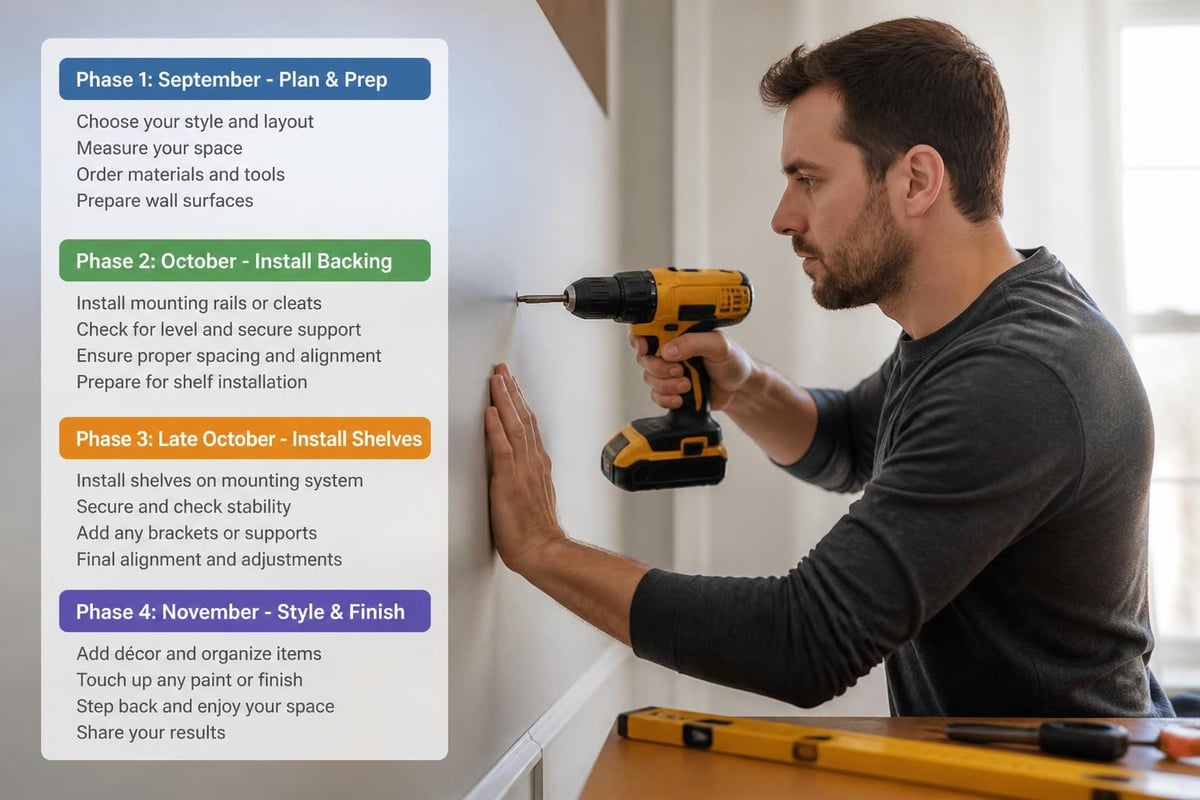
DIY Installation Steps
Breaking your project into phases makes it manageable:
Phase 1 (September): Measure, plan design, purchase materials
Phase 2 (Early October): Test all lights and equipment
Phase 3 (Mid-Late October): Install on clear, mild weather days
Phase 4 (Early November): Final adjustments and testing
This phased approach prevents the common mistake of buying everything in November, discovering half the strands don't work, and scrambling to find replacements during peak shopping season.
Special Considerations for Professional Services
When hiring professionals, communication about timing should happen early in your first conversation. Ask specific questions about their booking window and current availability.
Questions to ask potential installers:
- When does your calendar typically fill up?
- What's your current availability for October installations?
- Do you offer early booking incentives?
- What happens if weather delays installation?
- When do you handle takedown after the holidays?
That last question matters more than most people realize. If an installer is slammed with installations through December, they might not have availability for prompt takedown in January. Booking early often includes better takedown scheduling as well.
Understanding optimal Christmas light installation timing means thinking about the complete service cycle, not just getting lights up quickly.
Regional Factors for Eastern North Carolina
Our coastal location creates specific timing considerations that differ from inland areas. Salt air affects electrical connections, making quality installation even more important. Installers familiar with coastal conditions know to use corrosion-resistant connectors and properly seal all outdoor connections.
Hurricane season officially runs through November 30, though major storms are rare that late. Still, tropical weather systems can bring heavy rain and wind through early November. This makes early October installations ideal – you're past the peak hurricane season but still ahead of winter weather patterns.
Homes in Surf City, Topsail, Holly Ridge, and Wilmington face similar weather patterns. The question of when should i schedule christmas light installation has the same answer across our coastal communities: early October for installation, with booking completed by late September.
Making Your Decision
The practical answer comes down to this: contact installers in September, book in September or early October, and schedule installation for late October or early November.
This timeline works whether you're in Hampstead, Wilmington, or anywhere along our coast. It accounts for weather, installer availability, material lead times, and gives you buffer room for unexpected delays.
If you're reading this and it's already late October or November, don't panic. Contact installers immediately and ask about remaining availability. Some handle last-minute bookings, though you'll have less flexibility on design and timing. The lesson for next year: start earlier.
For homeowners who struggle with heights or roof access, professional installation isn't just about convenience – it's about safety. The same caution you'd use before climbing on your roof to check for damage applies here. If you're uncomfortable with roof work or your home has steep pitches, professional installation is worth the cost.
Balancing Personal Preferences with Practical Timing
Some people feel October is too early to think about Christmas. That's understandable, but remember: booking in October doesn't mean your lights go up in October. You can schedule installation for early November while securing your spot in September.
The cultural question of when it's appropriate to display Christmas lights is separate from the practical question of when should i schedule christmas light installation. Schedule early, install when it makes sense for weather and availability, and set your timer to turn lights on whenever feels right to you.
Many homeowners schedule installation for early November but don't activate the display until after Thanksgiving. This approach combines practical scheduling with personal preference about when the season begins.
Planning ahead takes the stress out of holiday preparations and ensures your home looks its best throughout the season. Just like addressing roof concerns before they become emergencies, scheduling your Christmas light installation early prevents last-minute problems and rushed decisions. If you're dealing with roof questions or need professional guidance about repairs before anyone starts working on your roof for light installation, NC Roofs provides clear, honest assessments that help you understand what's happening and what makes sense for your home.