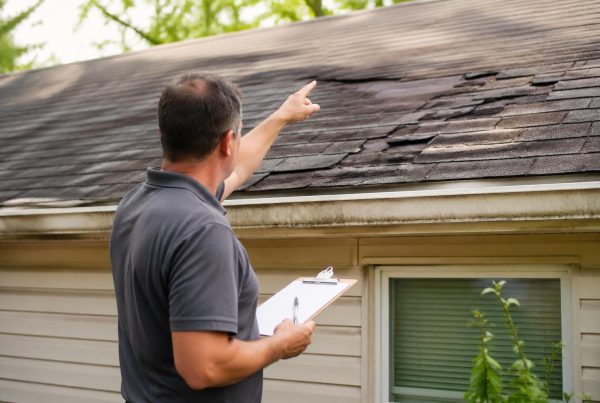
You spot a small stain on your ceiling. Maybe a few shingles lifted after last week's storm. Perhaps there's a minor leak that only shows up during heavy rain. The question running through your mind is probably this: small roof issue should I fix it now, or can it wait until next year? The answer matters more than you might think, especially in coastal North Carolina where weather doesn't wait for convenient timing.
Most homeowners face this exact dilemma. A small problem doesn't feel urgent. It's easy to put off until the budget feels better or the busy season ends. But roofs don't follow our schedules, and what looks minor today can become a major headache in just a few months.
What Counts as a Small Roof Issue
Not every roof problem requires immediate panic. Understanding what qualifies as "small" helps you assess risk accurately.
Common Minor Problems
Missing or damaged shingles rank among the most frequent small issues. A storm blows through Topsail or Surf City, and you're left with a few shingles in the yard. The roof still looks mostly intact from the ground.
Small leaks that only appear during driving rain might seem manageable. They don't drip constantly, so it feels like something you can monitor.
Lifted or curled shingles often show up on older roofs. They haven't blown off yet, but the edges are starting to lift.
Here's a breakdown of typical small issues and their characteristics:
| Issue Type | Visible Signs | When It Shows Up |
|---|---|---|
| Missing shingles | Gaps in roof pattern, shingles in yard | After storms, high winds |
| Minor leaks | Ceiling stains, dampness in attic | During or after heavy rain |
| Lifted shingles | Curled edges, visible nail heads | Year-round, worsens with heat |
| Granule loss | Bare spots on shingles, granules in gutters | Gradual over time |
| Cracked flashing | Visible gaps around chimneys, vents | Any season, check annually |

What Doesn't Qualify as Small
Some issues masquerade as minor but signal bigger concerns. Multiple missing shingles across different roof sections suggest widespread damage. Active leaks that drip regularly mean water is already getting where it shouldn't. Sagging roof sections indicate structural problems beyond surface repairs.
If you're seeing interior damage like peeling paint, warped drywall, or musty odors, the "small" issue passed that threshold weeks or months ago.
The Real Cost of Waiting
When you're asking yourself "small roof issue should I fix it now," understanding cost progression changes the calculation entirely.
How Damage Escalates
Water is patient and relentless. A single missing shingle exposes underlayment to UV rays and moisture. Within weeks, that underlayment starts degrading. The next rain sends water beneath surrounding shingles.
Here's the typical escalation path:
- Week 1-2: Missing shingle, no interior signs
- Week 3-6: Underlayment exposure begins, minor water infiltration possible
- Month 2-3: Decking absorbs moisture, surrounding shingles weaken
- Month 4-6: Interior stains appear, insulation gets wet
- Month 6+: Structural wood rot, mold growth, multiple repair areas needed
The hidden costs of delaying roof repairs compound faster than most homeowners expect, especially in humid coastal climates where mold establishes quickly.
Dollar Impact
A straightforward comparison shows why timing matters:
- Immediate repair: $200-$500 for localized shingle replacement
- 3-month delay: $800-$1,500 including decking repair and larger area
- 6-month delay: $2,000-$4,000 for structural repairs, interior fixes, broader shingle replacement
- 1-year delay: Potentially full roof replacement at $8,000-$15,000+
These aren't scare tactics. They're real numbers from real situations across Holly Ridge, Wilmington, and surrounding areas. Financial implications of postponing roof repairs continue growing the longer you wait.
When Immediate Action Makes Sense
The question of small roof issue should I fix it now has clear yes answers in specific situations.
You Can See Daylight Through Your Attic
Walk into your attic during daytime. If you see pinpoints of light coming through, water can travel that same path. This isn't a "wait and see" situation.
Recent Storm Damage
Hurricane season hits our coastal area hard. After significant wind events, even seemingly small damage deserves quick attention. Wind-driven rain finds openings regular rain misses.
Act within days if:
- Shingles are missing after a storm
- You hear new sounds when wind picks up (flapping, rattling)
- Neighbors are getting repairs done
- Your insurance claim window is closing
Active Interior Signs
Water stains that grow between rainstorms mean continuous moisture infiltration. Mold doesn't wait for permission to grow. Structural risks and safety concerns from water damage accelerate once interior materials stay damp.
Before Selling Your Home
A roof inspection will flag every small issue during the buyer's due diligence. Fixing problems now costs less than negotiating sale price reductions or repair credits later.
When You Can Safely Monitor
Not every small issue requires dropping everything. Some situations allow for planned, strategic timing.
Minor Cosmetic Issues
Slight granule loss on an otherwise healthy roof doesn't demand emergency response. Plan for replacement in the next 2-3 years rather than immediately.
Single curled shingle on a newer roof can usually wait until your annual maintenance window, assuming no active leak.
End of Season Timing
If it's late fall and you've discovered a very minor issue with no interior signs, you might reasonably plan for early spring repair. Key factors:
- No active leaks whatsoever
- No more severe weather forecast short-term
- Interior is completely dry
- Issue is purely cosmetic or very early stage
This approach makes sense for shingle color mismatch, minor flashing wear, or small surface cracks that haven't penetrated protective layers yet.
Budget Constraints with Temporary Fixes
Life happens. Sometimes the budget isn't there for proper repair right this moment. If you're genuinely stuck, temporary sealant or roof tape can buy weeks or a couple months. But understand this is truly temporary, not a solution.
When considering roof repair, starting with an honest assessment helps you understand actual urgency versus what can wait with monitoring.
The Weather Factor in Coastal North Carolina
Our location adds complexity to the small roof issue should I fix it now question. Eastern North Carolina weather doesn't play nice with roof vulnerabilities.
Hurricane Season Reality
We're in an active hurricane zone. Even if your small issue developed in April, hurricane season starts June 1. That missing shingle becomes a water highway during sustained tropical rain bands.
Storm preparation timeline:
- 6+ weeks before season: Ideal repair window, full crew availability
- 2-6 weeks before season: Good timing, may face scheduling competition
- During season: Emergency repairs only, limited availability, higher costs
- After storm damage: Everyone needs help simultaneously, long wait times
Salt Air and Moisture
Coastal humidity and salt air accelerate material degradation. A small issue in Arizona might stay stable for months. The same issue in Surf City or Hampstead worsens faster due to constant moisture exposure.
Temperature Swings
Summer heat makes shingles pliable and vulnerable. Winter freezing can crack already-stressed materials. Minor roof issues leading to major damage happens faster when weather constantly challenges material integrity.
Making Your Decision
Here's a practical framework for deciding whether small roof issue should I fix it now applies to your situation.
The Three-Question Test
Question 1: Can you see any interior signs?
- Yes → Fix now
- No → Continue to Question 2
Question 2: Has weather worsened the issue since you first noticed it?
- Yes → Fix now
- No/Unsure → Continue to Question 3
Question 3: Is severe weather (hurricane season, winter storms) approaching within 8 weeks?
- Yes → Fix now
- No → You may have monitoring time, but get professional assessment
Getting a Professional Opinion
Don't self-diagnose complex issues. A roof report from a local contractor gives you specific information about your exact situation. They can tell you:
- Whether this really is "small" or there's hidden damage
- Timeline before the issue worsens
- Actual cost for proper repair
- Whether monitoring makes sense in your specific case
The dangers of delaying roof repairs include making the wrong call based on incomplete information. Thirty minutes with someone who knows roofs costs nothing compared to a wrong decision.
What Happens During Typical Repairs
Understanding the repair process helps overcome the mental barrier of "it's too much hassle right now."
Small Repair Timeline
Most minor roof repairs take hours, not days:
- Initial assessment: 30-60 minutes
- Material procurement: Same day or next day
- Actual repair: 2-4 hours for typical small jobs
- Cleanup: 30 minutes
You're looking at minimal disruption for most small issues. The hassle factor often feels bigger than reality.
Common Repair Approaches
| Problem | Typical Solution | Duration | Disruption Level |
|---|---|---|---|
| 3-5 missing shingles | Shingle replacement | 2-3 hours | Low |
| Small flashing leak | Reseal or replace flashing | 1-2 hours | Very low |
| Localized decking damage | Decking patch + shingles | 4-6 hours | Moderate |
| Vent boot failure | Replace boot seal | 1 hour | Very low |
Costs for Common Small Repairs
Transparency matters. Here's what you're typically looking at in 2026 for small repairs:
- Shingle replacement (small area): $200-$400
- Flashing repair: $150-$350
- Vent seal replacement: $100-$250
- Small decking repair: $400-$800
- Emergency temporary repair: $150-$300
These numbers assume truly small, localized issues. Once damage spreads, costs increase proportionally.
Planning Around Your Schedule
The "when" question isn't just about urgency but also logistics.
Best Times for Non-Emergency Repairs
Spring (March-May) offers ideal weather and contractor availability before summer heat and hurricane season. Fall (September-November) works well after hurricane season but before winter weather.
Avoid if possible:
- Peak summer (material handling challenges in extreme heat)
- Hurricane season for non-urgent work
- Major holidays (reduced crew availability)
Scheduling Strategies
Get on the calendar even if the repair is weeks out. Good contractors book up, especially during optimal weather windows. For more information on scheduling and planning, check out resources at NC Roofs.
Insurance Considerations
Your coverage plays a role in the timing decision for small roof issue should I fix it now scenarios.
When to File a Claim
File immediately if:
- Storm caused obvious damage
- Multiple areas affected
- Cost exceeds your deductible significantly
- Damage is clearly recent and documented
Don't file for:
- Normal wear and tear
- Single shingle issues
- Repairs under your deductible
- Age-related deterioration
Documentation Matters
Even if you're not filing now, document everything. Take photos from multiple angles. Note the date you first observed the issue. Save weather reports if storm-related. What happens if you delay roof repairs too long includes losing the ability to prove when damage occurred, which matters for insurance.
The Monitoring Approach
If you've determined you can safely wait, active monitoring beats passive hoping.
What to Check Monthly
- Ceiling areas where you previously saw issues
- Attic spaces for new moisture, stains, or daylight
- Exterior shingles for spreading damage
- Gutters for increased granule accumulation
- Weather impacts after each significant rain
When Monitoring Becomes Procrastination
Be honest with yourself. If you're checking the same issue month after month and seeing changes, you've moved past monitoring into avoidance. Hidden costs and potential hazards of neglect grow exponentially once you see progression.
Set a decision deadline. "I'll monitor until October" gives you a clear endpoint rather than indefinite postponement.
Common Mistakes Homeowners Make
Learning from others' experiences helps you avoid the same pitfalls.
Underestimating Coastal Weather Impact
What holds up fine in Raleigh fails faster in Wilmington. Salt air is corrosive. Humidity feeds mold. Don't use inland timelines for coastal roof issues.
Trusting DIY Band-Aids Too Long
Roof tape and caulk serve as temporary emergency measures only. They're not month-long solutions. The four significant dangers of postponing roof repairs include relying on inadequate temporary fixes until permanent damage sets in.
Waiting for the "Perfect Time"
There's rarely a perfect confluence of budget, weather, and schedule. Good enough timing often beats waiting for perfect timing. A repair in less-than-ideal conditions usually outperforms no repair at all.
Ignoring Attic Signs
Many homeowners never check their attics. If you're wondering about a roof issue, that's your first inspection point. Interior evidence answers the urgency question definitively.
Making Peace with Your Decision
Once you've evaluated your situation and made a call, commit to it fully.
If You're Repairing Now
You're making the financially smart choice in most cases. Even if the issue seemed small, preventing escalation saves money and stress. Schedule it, get it done, and enjoy peace of mind through the next storm season.
If You're Monitoring
Set your check-in schedule in your calendar. Commit to monthly reviews. Write down your decision deadline. Most importantly, promise yourself you'll act at the first sign of progression rather than moving goalposts.
The question of small roof issue should I fix it now deserves a thoughtful answer, not a reflex one. But thoughtful doesn't mean slow. In coastal North Carolina, where weather challenges roofs year-round, leaning toward action usually proves wiser than waiting.
Small roof issues rarely improve on their own, and understanding when to act protects both your home and your budget. The right timing depends on your specific situation, but in most cases, earlier beats later when it comes to roof repairs. If you're dealing with roof damage in Hampstead, Topsail, Surf City, Holly Ridge, Wilmington, or surrounding coastal areas, NC Roofs can provide a clear assessment of what you're facing and honest recommendations about whether repair makes sense now or if monitoring is truly an option. We focus on fixing what needs attention without unnecessary upsells, giving you the information to make the right decision for your home.