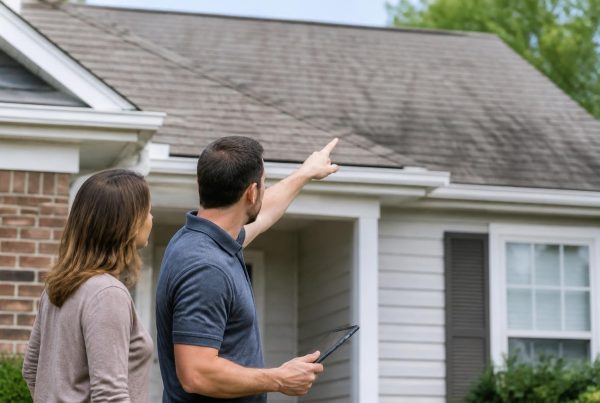
A terrace offers valuable outdoor space, but without proper protection, water can seep through and cause serious damage to your home. Waterproofing for terrace surfaces isn't just about preventing puddles. It protects the structural integrity of your home, prevents mold growth inside living spaces below, and saves thousands in repair costs down the road. In Eastern North Carolina, where we face heavy rain, humidity, and occasional tropical weather, understanding the right waterproofing approach makes all the difference between a terrace that lasts decades and one that becomes a constant headache.
Why Waterproofing for Terrace Matters
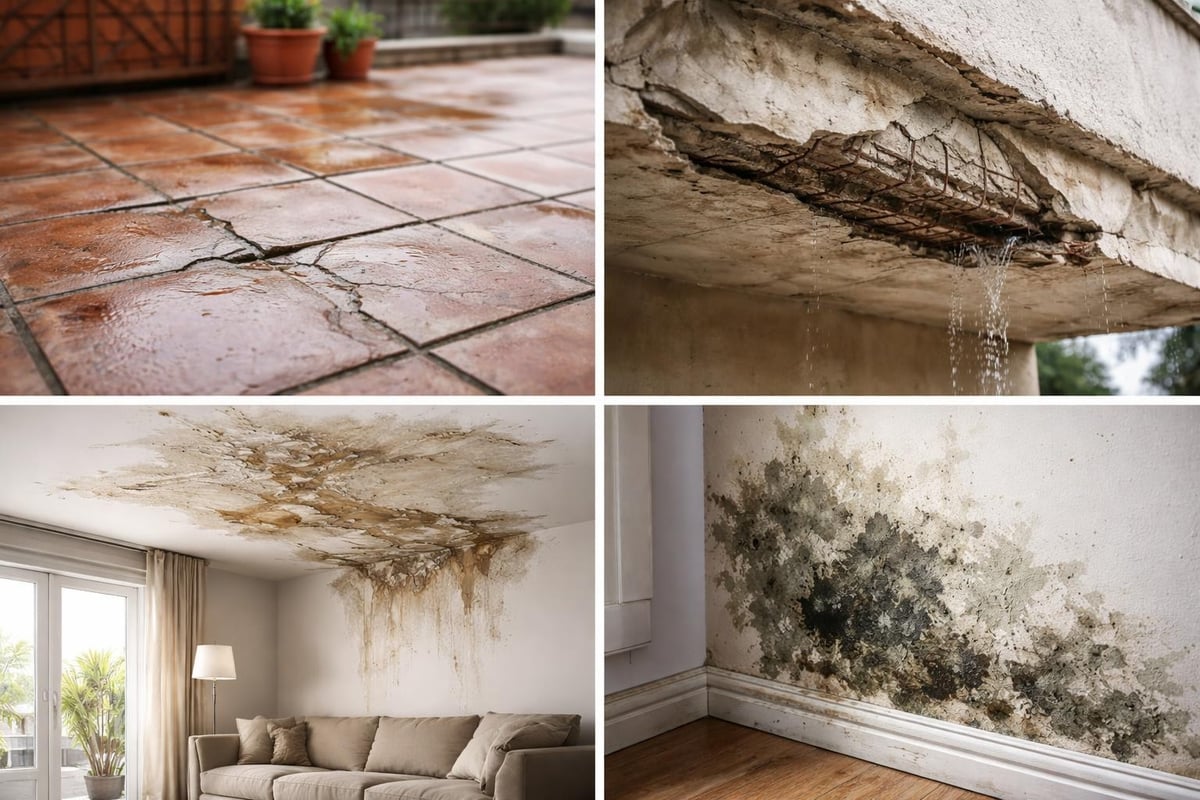
Water damage doesn't announce itself with fanfare. It starts small, a hairline crack, a poorly sealed joint, and gradually works its way through layers of concrete and into the structure below. By the time you notice ceiling stains or peeling paint in the room beneath your terrace, the damage has already spread.
The real cost of skipping waterproofing includes:
- Structural deterioration of concrete slabs
- Interior ceiling and wall damage requiring extensive repairs
- Mold and mildew growth affecting indoor air quality
- Reduced property value due to visible water damage
- Expensive emergency repairs during heavy rain events
Eastern North Carolina's climate presents specific challenges. Our humid summers, afternoon thunderstorms, and hurricane season mean terraces face constant exposure to moisture. A properly waterproofed terrace sheds water effectively, directing it away from vulnerable areas and maintaining a protective barrier between the elements and your home's interior.
The various terrace waterproofing methods available today range from simple surface treatments to complete membrane systems. Choosing the right approach depends on your terrace's age, construction type, and current condition.
Understanding Different Waterproofing Materials
Not all waterproofing products work the same way. Some create a flexible membrane that moves with your terrace as temperatures change. Others penetrate deep into concrete to block water at a molecular level. Knowing the differences helps you make informed decisions about what your terrace actually needs.
Membrane-Based Systems
Membrane waterproofing creates a continuous barrier across your entire terrace surface. These systems come in liquid-applied and sheet forms, each with distinct advantages.
Liquid-applied membranes spread like thick paint, forming a seamless coating once cured. They work well for terraces with complex shapes, drains, and penetrations. Common types include polyurethane, acrylic, and rubber-based formulations.
| Membrane Type | Durability | Flexibility | Best For |
|---|---|---|---|
| Polyurethane | 15-20 years | High | High-traffic areas |
| Acrylic | 8-12 years | Medium | Budget-conscious projects |
| Rubber-based | 20-25 years | Very High | Temperature extremes |
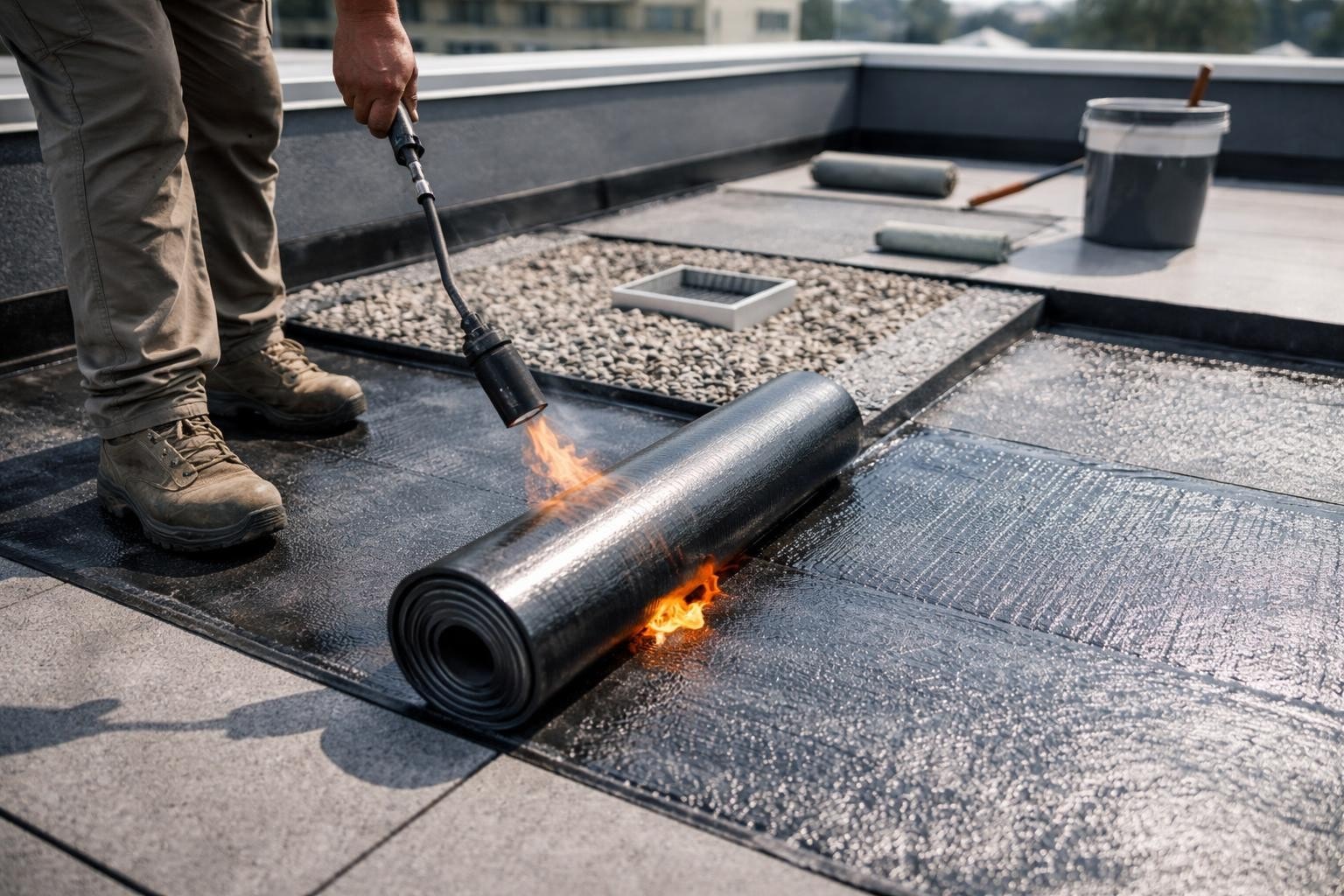
Sheet membranes arrive in rolls that installers lay across the terrace, overlapping seams and heat-welding joints. They provide predictable thickness and consistent coverage. Modified bitumen and PVC sheets dominate this category, offering proven performance in commercial and residential applications.
Cementitious Waterproofing
Cementitious products mix powder with water to create a coating that bonds directly to concrete surfaces. They're easy to apply and relatively affordable, making them popular for straightforward waterproofing projects.
These coatings work best on surfaces that won't experience significant movement or flexing. They're rigid once cured, so they can crack if the underlying concrete shifts. For older terraces with existing cracks, flexible systems typically perform better.
Crystalline Waterproofing
This technology takes a different approach entirely. Crystalline products penetrate into concrete and react with moisture to form crystals that block water pathways. The concrete itself becomes waterproof rather than relying on a surface coating.
Key benefits of crystalline waterproofing:
- Self-healing properties that seal new cracks up to 0.4mm
- Permanent protection that doesn't degrade over time
- No surface membrane to maintain or replace
- Ability to waterproof from either side of the concrete
The terrace waterproofing techniques you choose should match your terrace's specific needs and your long-term maintenance preferences.
Preparing Your Terrace for Waterproofing
Surface preparation determines whether waterproofing succeeds or fails. Even the best materials won't perform if applied over dirty, damaged, or improperly prepared surfaces. This step takes time and careful attention, but it's not optional.
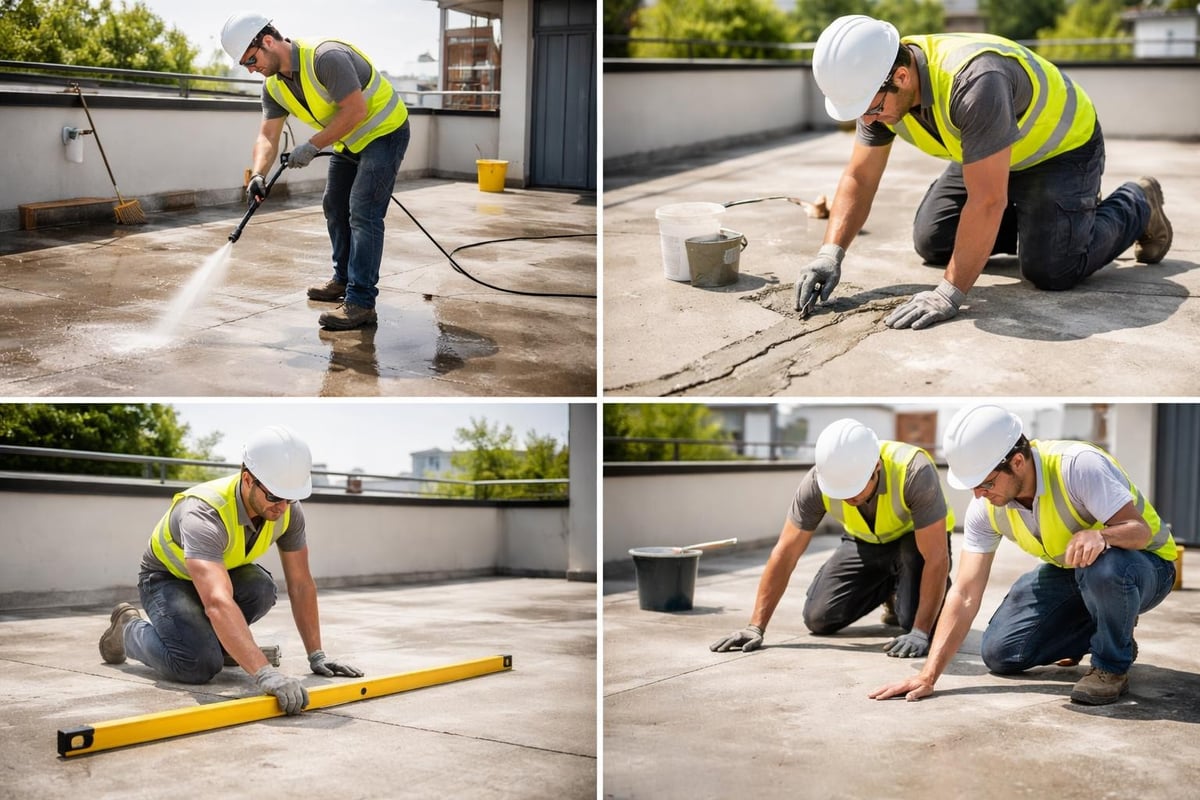
Start by thoroughly cleaning the terrace. Remove all dirt, dust, oil, previous coatings, and loose material. Pressure washing works well for most surfaces, followed by allowing complete drying. Any moisture trapped under new waterproofing can cause adhesion failure.
Addressing Existing Damage
Inspect your terrace for these common issues:
- Cracks wider than 1/16 inch
- Spalling or flaking concrete
- Settling or uneven areas
- Damaged expansion joints
- Poorly functioning drains
Fill cracks with appropriate sealants before applying waterproofing. Small cracks need flexible polyurethane or epoxy fillers. Larger damage may require concrete patching compounds or even structural repairs. The goal is creating a sound, stable substrate.
Check the terrace slope. Water must flow toward drains, not pool in low spots. A minimum 1/4 inch per foot slope ensures proper drainage. If your terrace lacks adequate slope, you may need to add a sloped screed layer before waterproofing.
Prime the surface according to the waterproofing manufacturer's specifications. Primers improve adhesion and help waterproofing materials bond properly to concrete. Skip this step and you risk peeling, bubbling, or complete coating failure within months.
Application Methods That Actually Work
Applying waterproofing for terrace surfaces correctly matters as much as choosing the right product. Even premium materials fail when installed improperly. Understanding the process helps you know what to expect and recognize quality work.
Liquid Membrane Application
For liquid-applied systems, application happens in multiple coats. The first coat typically goes on thinner, working into the surface texture. Subsequent coats build thickness and ensure complete coverage.
Professional applicators follow these steps:
- Apply first coat at manufacturer-specified thickness using roller or spray equipment
- Allow proper curing time between coats (usually 4-8 hours depending on temperature)
- Apply second coat perpendicular to the first for maximum coverage
- Reinforce critical areas like corners, edges, and penetrations with mesh fabric
- Add final coat once previous layers cure fully
Pay special attention to details. Drains, pipes, vents, and edges need extra waterproofing layers. These transition points between different materials are where leaks most often develop. Quality contractors build up multiple layers around these vulnerable spots, creating a watertight seal.
Temperature and humidity affect curing. Most waterproofing products require temperatures above 50°F and low humidity for proper application. Rain within 24-48 hours can ruin fresh coatings. Timing your project around weather forecasts prevents costly failures.
Sheet Membrane Installation
Sheet membranes require different skills. Installers must accurately measure, cut, and position sheets to minimize seams while ensuring complete coverage.
The substrate must be absolutely smooth. Any sharp edges or rough spots can puncture the membrane. A base layer of fiberboard or foam often goes down first to protect the waterproofing sheet.
Seams get overlapped by at least 6 inches and sealed using heat welding or adhesive, depending on the membrane type. Every seam represents a potential leak point, so proper sealing is critical. Quality installers test seams after installation to verify watertight bonds.
The terrace waterproofing guide from industry experts emphasizes that proper installation techniques matter more than product selection in determining long-term performance.
Drainage Systems and Their Role
Waterproofing doesn't stop water from reaching your terrace. It prevents water from penetrating through it. That means you still need effective drainage to move water off the surface and away from your home.
A complete drainage system includes:
- Adequate slope directing water toward collection points
- Properly sized and positioned drains
- Clean drain lines that flow freely
- Scuppers or overflow drains for emergency drainage
- Gutters or edge details preventing water from running down walls
| Drain Type | Flow Capacity | Maintenance Needs | Best Application |
|---|---|---|---|
| Center drains | High | Quarterly cleaning | Large flat terraces |
| Scupper drains | Medium | Annual inspection | Smaller terraces |
| Trench drains | Very High | Monthly cleaning | Heavy-use areas |
Clogged drains cause standing water, which eventually finds its way through even the best waterproofing. Regular cleaning prevents debris buildup. In Eastern North Carolina, falling leaves in autumn and pine needles year-round require consistent attention.
Consider secondary drainage. If your primary drains clog during a heavy storm, where does water go? Overflow scuppers or emergency drains provide backup protection. They may rarely activate, but when needed, they prevent catastrophic water accumulation.
Long-Term Maintenance Requirements
Waterproofing for terrace applications isn't install-and-forget. Regular maintenance extends the life of your waterproofing system and catches small problems before they become expensive failures.
Annual Inspection Checklist
Walk your terrace at least once a year, preferably in spring before heavy summer rains. Look for these warning signs:
- Bubbling, peeling, or cracking in the waterproofing surface
- Standing water or poor drainage
- Vegetation growing in cracks or joints
- Separation between waterproofing and walls or penetrations
- Visible wear in high-traffic areas
Clean the terrace regularly. Sweep away dirt and debris that can trap moisture against the waterproofing. Pressure wash annually if your waterproofing type allows it, but avoid high pressure that might damage the coating.
Test drains by running water and confirming it flows freely. Slow drainage indicates partial clogs that need clearing. Complete blockages require immediate attention to prevent backup and pooling.
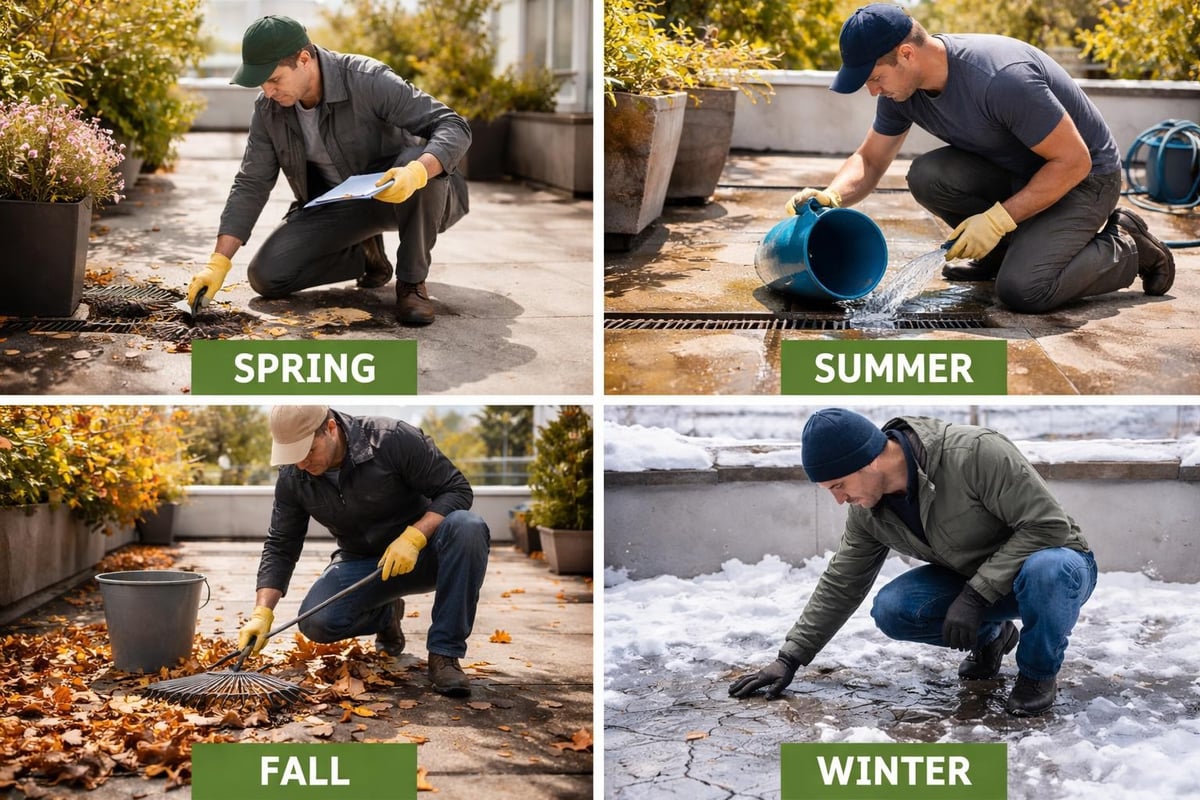
Recoat or reseal as recommended by the manufacturer. Most waterproofing systems need renewal every 5-10 years depending on the product, climate, and wear. Catching this before failure occurs prevents water damage and makes recoating simpler and less expensive.
If you notice roof repair needs or damage during inspections, addressing them promptly prevents small issues from escalating into major problems requiring complete terrace reconstruction.
Cost Factors and Budget Planning
Understanding waterproofing costs helps you plan appropriately and avoid surprises. Prices vary significantly based on terrace size, condition, material choice, and labor requirements.
Typical cost ranges per square foot in 2026:
- DIY cementitious coating: $2-4
- Professional liquid membrane: $6-12
- Sheet membrane system: $8-15
- Crystalline waterproofing: $5-10
- Complete terrace restoration with waterproofing: $15-30
These ranges include materials and professional labor. DIY projects save on labor but require proper skills and equipment to achieve lasting results. Poor application often costs more to fix than hiring professionals initially.
Factor in surface preparation costs separately if your terrace needs significant repair. Crack filling, concrete patching, slope correction, and structural work can add substantially to the base waterproofing price. Get a complete assessment before budgeting.
When to Repair vs. Replace
Sometimes waterproofing isn't the full answer. If your terrace has major structural issues, settling, or widespread deterioration, addressing waterproofing alone won't solve the problem.
Consider complete terrace rebuilding when:
- Concrete shows extensive cracking or spalling across large areas
- The terrace lacks proper slope and water pools extensively
- Previous waterproofing has failed multiple times
- Structural damage extends into the supporting elements below
The best waterproofing methods for different terrace surfaces depend heavily on current condition and whether the underlying structure remains sound.
Regional Considerations for Eastern North Carolina
Our local climate creates specific challenges that influence waterproofing choices. Understanding these regional factors helps you select systems that perform well in actual conditions your terrace faces.
Eastern North Carolina weather patterns that affect terraces:
- High humidity levels year-round promoting mold and mildew
- Intense summer heat expanding and contracting materials
- Hurricane season bringing heavy rain and wind-driven water
- Occasional freeze-thaw cycles in winter months
- Salt air in coastal areas accelerating material degradation
Choose waterproofing products rated for high UV exposure. Our sunny climate breaks down inferior coatings within a few years. Quality products include UV stabilizers that maintain performance despite constant sun exposure.
Flexibility matters in our temperature range. While we don't face extreme cold, we do see temperature swings from freezing winter nights to 95°F summer days. Rigid waterproofing systems can crack under this movement. Flexible membranes accommodate expansion and contraction without failing.
The comparison of different terrace waterproofing products reveals performance differences that become apparent over years of exposure to varying weather conditions.
Common Mistakes to Avoid
Even experienced homeowners make waterproofing mistakes that compromise results. Learning from these common errors saves money and frustration.
Don't make these mistakes:
- Skipping surface preparation – Rushing to apply waterproofing over dirty or damaged surfaces guarantees failure
- Ignoring manufacturer instructions – Each product has specific requirements for mixing, application, and curing
- Using incompatible products – Mixing different waterproofing systems or applying new coatings over incompatible old ones causes adhesion problems
- Neglecting edges and transitions – Failure to properly waterproof where terrace meets walls or around penetrations creates leak paths
- Applying during poor weather – Temperature, humidity, and rain all affect curing and performance
Another frequent mistake is choosing waterproofing based solely on initial cost. The cheapest option often requires replacement sooner, making it more expensive over time. Calculate total cost over the expected lifespan rather than just the upfront price.
Homeowners also commonly underestimate the importance of proper drainage. Outstanding waterproofing can't overcome standing water that sits for days. Address drainage issues before or during waterproofing application.
Professional vs. DIY Application
The question of hiring professionals or tackling waterproofing yourself depends on several factors. Honest assessment of your skills, available time, and project complexity leads to better decisions.
DIY waterproofing makes sense when:
- You have experience with similar coating applications
- The terrace is small and easily accessible
- Surface condition is good with minimal repairs needed
- You have appropriate weather windows for proper curing
- You're comfortable with detailed preparation work
Hire professionals when:
- The terrace is large or difficult to access
- Significant structural repairs are needed first
- You lack confidence in application techniques
- Time constraints make proper curing windows difficult
- Warranty coverage is important to you
Many waterproofing manufacturers offer warranties only when certified contractors perform the installation. If warranty protection matters, professional installation becomes essentially mandatory.
Professional applicators bring experience identifying and addressing underlying issues before they cause waterproofing failure. They also have specialized equipment for consistent application and proper testing to verify results.
For homeowners exploring different roofing and repair options, the same principles apply – knowing when to DIY and when professional expertise makes better long-term sense.
Testing and Verification
After waterproofing application, verification ensures the system actually works before problems develop. Simple testing catches issues while they're still easy to fix.
Flood Testing
Once waterproofing fully cures, flood testing provides direct verification. Block drains temporarily and fill the terrace with 2-3 inches of water. Let it sit for 24-48 hours, then check for leaks in spaces below.
This test reveals application flaws, missed spots, or inadequate coverage around penetrations. Finding problems during testing beats discovering them when rain causes interior damage.
Not all terraces can support flood testing due to structural limitations. Consult with professionals before attempting this verification method on older or questionable structures.
Electronic Testing
For sheet membrane systems, electronic leak detection can identify breaches without flooding. Specialized equipment sends low-voltage current through the membrane, detecting any gaps or holes where current escapes.
This technology costs more than flood testing but works on terraces where water loading isn't feasible. It also pinpoints exact leak locations for targeted repairs rather than guessing where problems exist.
The complete guide to terrace waterproofing methods, benefits, and cost includes detailed information about various testing approaches and their appropriate applications.
Environmental and Health Considerations
Modern waterproofing products vary significantly in their environmental impact and health effects during application. Understanding these factors helps you make informed choices, especially for terraces adjacent to living spaces.
Look for low-VOC (volatile organic compound) formulations that minimize harmful emissions during application and curing. These products protect both applicators and building occupants from unnecessary chemical exposure.
Water-based systems generally offer lower environmental impact than solvent-based alternatives. They still provide excellent performance while reducing toxic emissions and disposal concerns.
Consider long-term sustainability. Products lasting 20-25 years create less waste and require fewer resources over time compared to systems needing replacement every 5-7 years. Higher initial cost often delivers better environmental performance across the product lifecycle.
Some regions encourage or require environmentally responsible building materials. Green building certifications may influence your waterproofing choices if you're pursuing specific sustainability goals for your home.
Future-Proofing Your Investment
Waterproofing for terrace applications represents a significant investment in your home's protection. Making choices that serve both current needs and future flexibility maximizes that investment's value.
Select systems with upgrade paths. Some waterproofing products allow you to add additional coats or layers years later without complete removal and replacement. This flexibility extends system life and reduces long-term costs.
Document everything. Keep records of products used, application dates, warranty information, and maintenance performed. This documentation helps future owners maintain the system properly and proves valuable if you sell your home.
Plan for future terrace use changes. If you might add planters, outdoor kitchen equipment, or other features later, choose waterproofing that can accommodate penetrations and modifications without complete system failure.
Building codes and best practices evolve. What's standard waterproofing today may be considered inadequate in ten years. Choosing robust systems exceeding current minimums provides buffer against changing standards and expectations.
The comprehensive guide to terrace waterproofing discusses long-term planning strategies that help homeowners make waterproofing decisions serving decades of reliable performance.
Protecting your terrace from water damage requires understanding materials, proper application, and ongoing maintenance that work together as a complete system. Whether you're addressing an existing leak, planning preventive waterproofing, or evaluating a terrace showing early warning signs, the right approach depends on your specific situation, budget, and long-term goals. NC Roofs helps Eastern North Carolina homeowners navigate these decisions with honest assessments, clear explanations, and straightforward solutions focused on what your home actually needs rather than unnecessary upsells.