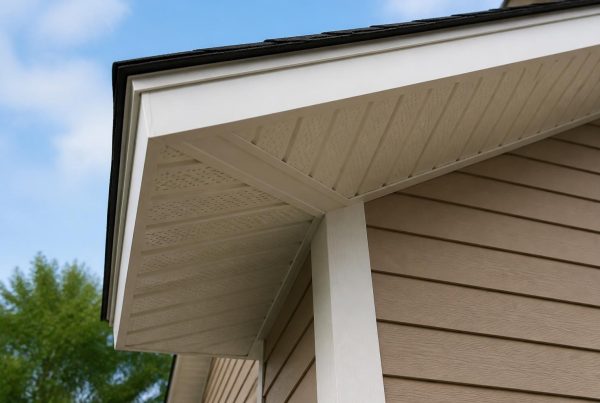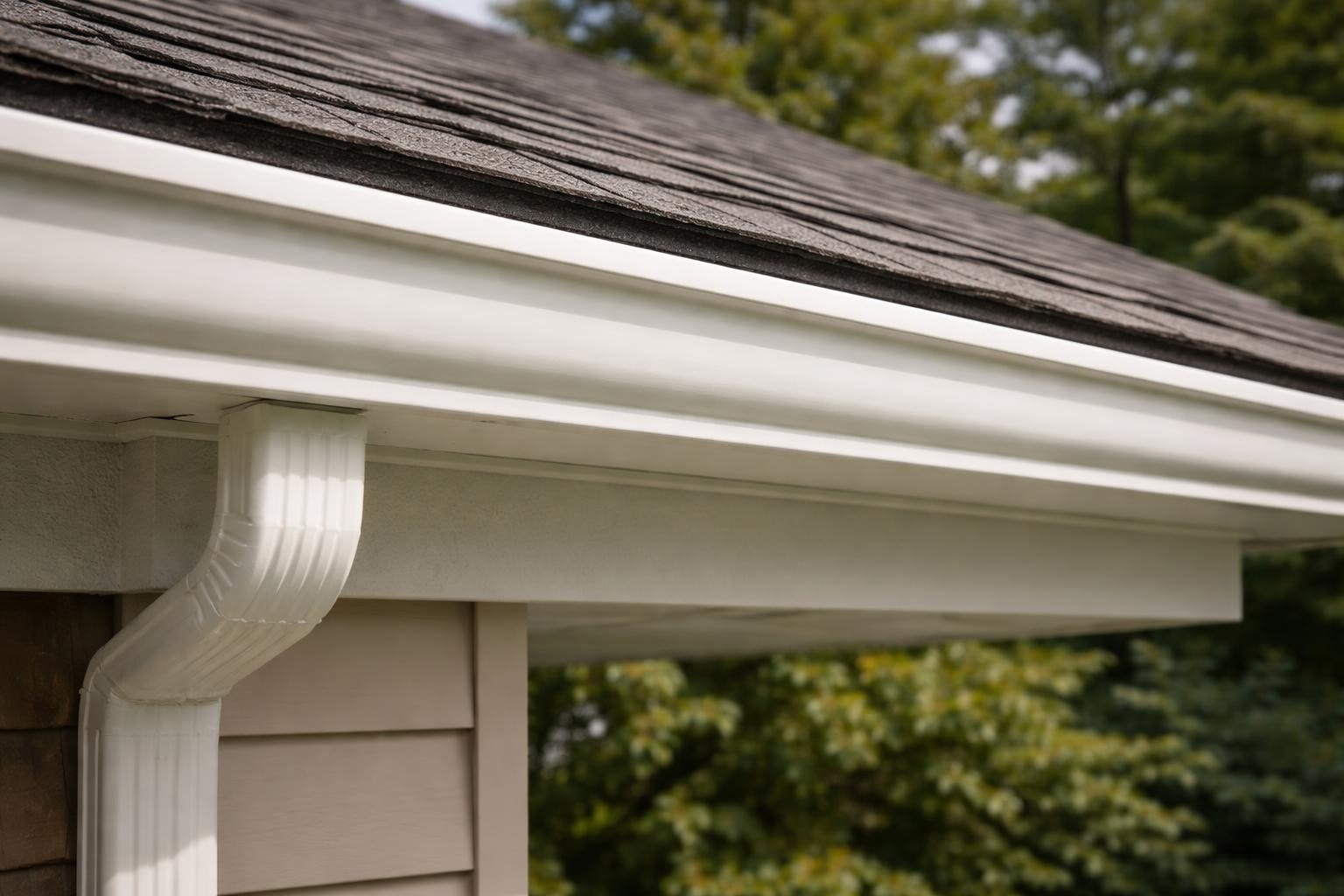
Your fascia boards form the vertical trim running along your roofline, supporting gutters and creating a finished edge between your roof and exterior walls. When they rot or fail, water damage accelerates throughout your roof system, making roof fascia replacement an urgent concern rather than a cosmetic upgrade. Many homeowners don't notice fascia problems until gutters sag or paint peels, but understanding replacement needs, material choices, and realistic costs helps you act before minor damage becomes a major expense.
What Fascia Boards Do and Why They Fail
Fascia serves three critical functions that protect your home's structural integrity. The boards create a mounting surface for gutters, shield roof edges from weather exposure, and seal the gap where your roof meets exterior walls. Without properly functioning fascia, water infiltrates behind gutters and works into roof decking and wall cavities.
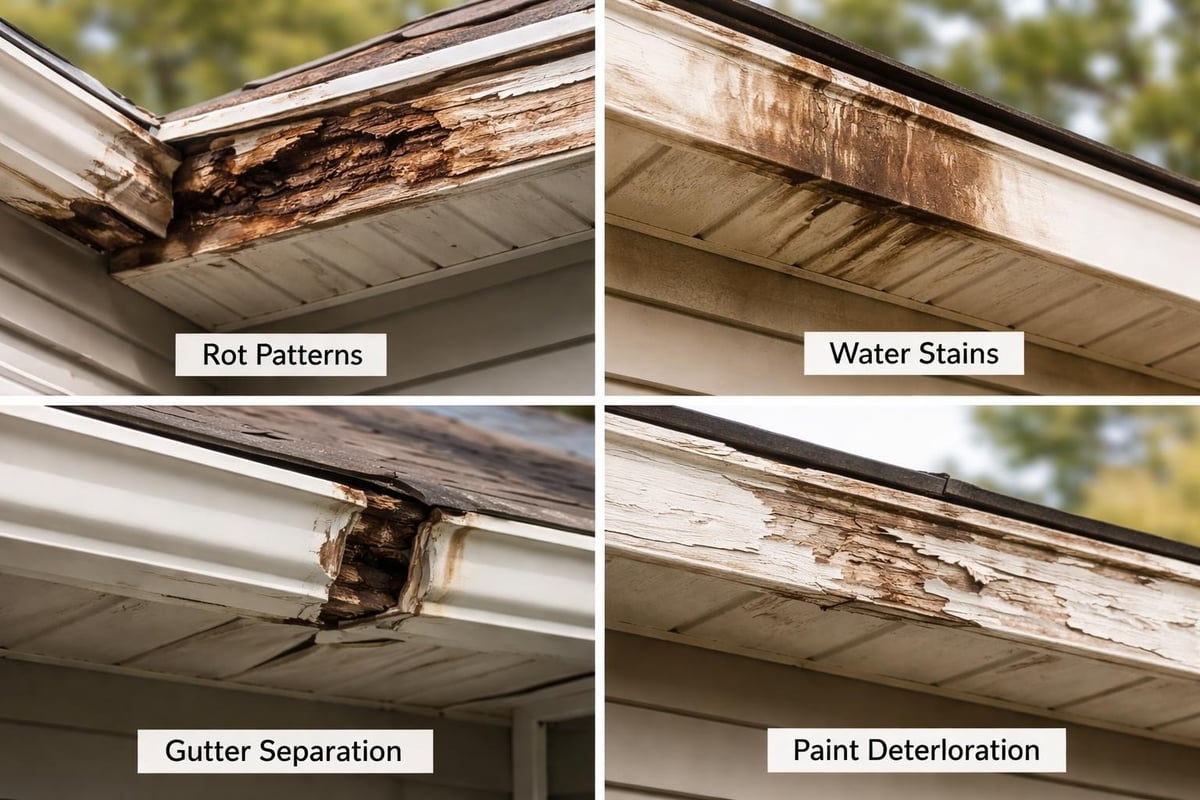
Most fascia failures start with water exposure. Gutters that overflow or leak direct moisture onto the boards beneath them, particularly at joints and seams. Over time, this constant moisture creates rot that spreads from isolated spots to entire sections. Proper installation and sizing of fascia boards reduces these vulnerabilities, but even correctly installed wood fascia eventually succumbs to Eastern North Carolina's humid climate.
Paint failure accelerates the problem. Once protective coatings crack or peel, bare wood absorbs moisture directly. Homeowners often repaint damaged fascia without addressing underlying rot, which only delays inevitable replacement while damage spreads behind fresh paint.
Common Signs Your Fascia Needs Replacement
Visible indicators tell you when roof fascia replacement becomes necessary:
- Sagging gutters that pull away from the roofline despite secure fasteners
- Peeling or bubbling paint that returns shortly after repainting
- Soft spots when you press on the fascia surface
- Visible rot or discoloration along the bottom edge where water collects
- Pest damage including carpenter ant activity or woodpecker holes
- Separation between fascia boards and the roof edge
Water stains on exterior walls just below the roofline signal that fascia has already failed. At this stage, moisture has likely penetrated behind the boards into roof decking or wall framing. Understanding what not to do during replacement helps avoid compounding existing damage with poor repair techniques.
Material Options for Fascia Replacement
The material you select determines how long your replacement lasts and how much maintenance it requires. Each option offers distinct advantages depending on your budget, climate exposure, and long-term plans for the home.
Wood Fascia
Traditional wood fascia remains popular because of its availability and workability. Cedar and pressure-treated pine represent the most common choices, with cedar offering natural rot resistance and pine providing economy when properly sealed.
Wood requires consistent maintenance to perform well. You'll need to repaint every 3-5 years and inspect annually for early signs of rot. In Eastern North Carolina's climate, moisture exposure from afternoon thunderstorms and coastal humidity tests any wood fascia installation. Despite maintenance demands, wood costs less upfront than composite alternatives.
| Wood Type | Lifespan | Maintenance Level | Cost per Linear Foot |
|---|---|---|---|
| Cedar | 15-20 years | Moderate | $3-$5 |
| Pressure-Treated Pine | 10-15 years | High | $2-$4 |
| Redwood | 20-25 years | Moderate | $4-$7 |
Composite and PVC Fascia
Composite materials eliminate rot concerns entirely. PVC and fiber cement fascia boards resist moisture, insects, and fungal growth without ongoing paint requirements. Many homeowners choose to replace wood fascia with PVC specifically to end the maintenance cycle.
PVC fascia typically costs 30-50% more than wood initially but eliminates repainting and reduces replacement frequency. These boards maintain their appearance for 25-30 years with only occasional washing. Fiber cement offers similar durability with a more wood-like appearance, though it requires professional installation due to weight and specialized cutting requirements.
Aluminum Fascia
Aluminum wrapping over existing wood fascia provides a middle-ground solution when boards remain structurally sound but need weather protection. Contractors wrap deteriorated paint surfaces with pre-finished aluminum that never requires painting and sheds water effectively.
This approach works only when underlying wood hasn't rotted. Wrapping damaged boards traps moisture and accelerates hidden deterioration. Before considering aluminum, ensure a thorough inspection confirms the wood beneath can support the covering. The aluminum itself lasts 20-25 years but does dent from hail or impact.
Replacement Process and What to Expect
Professional roof fascia replacement follows a systematic approach that addresses both visible damage and hidden deterioration. Understanding the process helps you evaluate contractor estimates and recognize thorough work.
Inspection and Damage Assessment
Quality contractors start by examining the full fascia system, not just obviously damaged sections. They check behind gutters, probe boards for soft spots, and assess roof edge conditions. Comprehensive inspection methods reveal whether damage extends into soffits or roof decking, which affects project scope and cost.
Inspectors should identify:
- Total linear footage requiring replacement
- Roof decking condition at the fascia edge
- Soffit damage that needs simultaneous repair
- Gutter system integrity and compatibility with new fascia
- Underlying structural issues that contributed to failure
At NC Roofs, inspections document actual conditions through photos and measurements, giving you clear information about what needs attention before any work begins. When fascia damage stems from broader roofing problems, addressing only the trim boards leaves the root cause unresolved.
Removal and Preparation
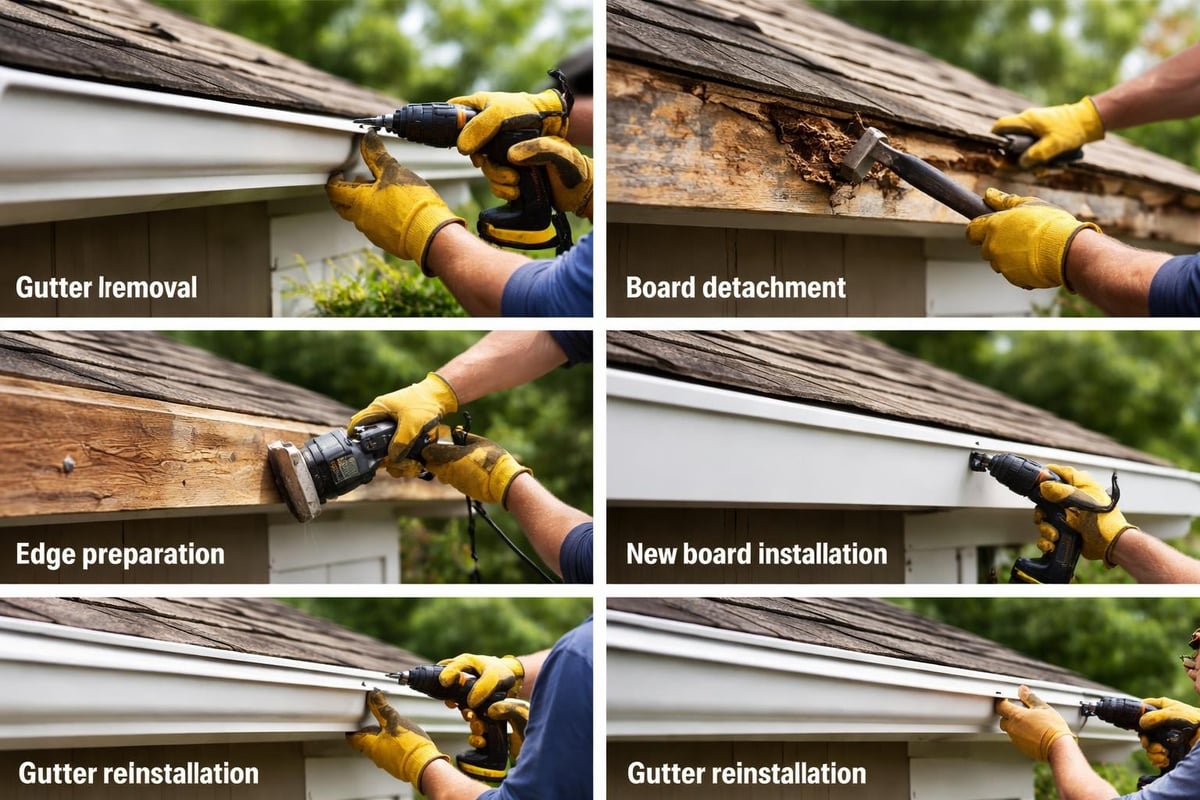
Contractors remove gutters first to access fascia boards completely. They then carefully detach damaged boards from roof edges and rafter tails, working to preserve underlying structures. This stage reveals any hidden damage that wasn't apparent during initial inspection.
Proper preparation includes treating exposed wood surfaces with fungicide and sealing any compromised roof decking. Contractors should replace damaged drip edge flashing that sits between roofing material and fascia boards. Skipping this step during fascia replacement leaves a weak point where water can penetrate.
Installation and Finishing
New fascia boards attach to rafter tails with corrosion-resistant fasteners sized for the material. Proper installation maintains a slight slope away from the house to encourage water drainage rather than pooling. Boards should overlap at joints or meet at angled cuts that shed water effectively.
Following proper installation techniques prevents common failures like inadequate support spacing or improper fastener placement. Contractors prime and paint wood fascia before reinstalling gutters, ensuring complete coating coverage that won't be accessible later.
Final steps include:
- Reinstalling or replacing gutters with proper pitch
- Sealing all joints and seams
- Installing fascia vents if required for attic ventilation
- Applying final paint coat after initial cure
- Testing water flow to confirm proper drainage
Cost Factors for Roof Fascia Replacement
Fascia replacement costs vary based on material selection, damage extent, and access difficulty. Understanding pricing components helps you budget accurately and evaluate contractor estimates.
Material and Labor Breakdown
Material costs represent 30-40% of total project expense for wood fascia and 45-55% for composite options. Labor accounts for the remainder, reflecting the precision required for proper installation and finishing.
Average costs in Eastern North Carolina for 2026:
| Project Component | Wood Fascia | Composite Fascia | Aluminum Wrap |
|---|---|---|---|
| Materials (per LF) | $2-$5 | $4-$8 | $3-$6 |
| Labor (per LF) | $4-$7 | $5-$8 | $3-$5 |
| Gutter Removal/Reinstall | $200-$400 | $200-$400 | $200-$400 |
| Paint/Finish | $300-$600 | $0 | $0 |
| Total (100 LF) | $900-$1,600 | $1,300-$2,000 | $800-$1,500 |
These figures assume straightforward single-story installation. Two-story homes or properties with limited access increase labor costs by 25-40% due to additional scaffolding and safety requirements.
Hidden Costs and Related Repairs
Budget for potential additional work that emerges during fascia removal. Contractors commonly discover roof decking damage, soffit deterioration, or rafter end rot that wasn't visible during initial inspection. Understanding full replacement costs means accounting for these contingencies.
Related expenses that may arise:
- Soffit replacement: $6-$12 per square foot
- Roof edge decking repair: $150-$300 per section
- Gutter replacement if old system incompatible: $8-$15 per linear foot
- Drip edge flashing: $2-$4 per linear foot
- Rafter tail repair: $100-$250 per location
Request itemized estimates that separate fascia work from potential additional repairs. This clarity prevents surprise charges and helps you understand what's essential versus optional.
DIY Versus Professional Installation
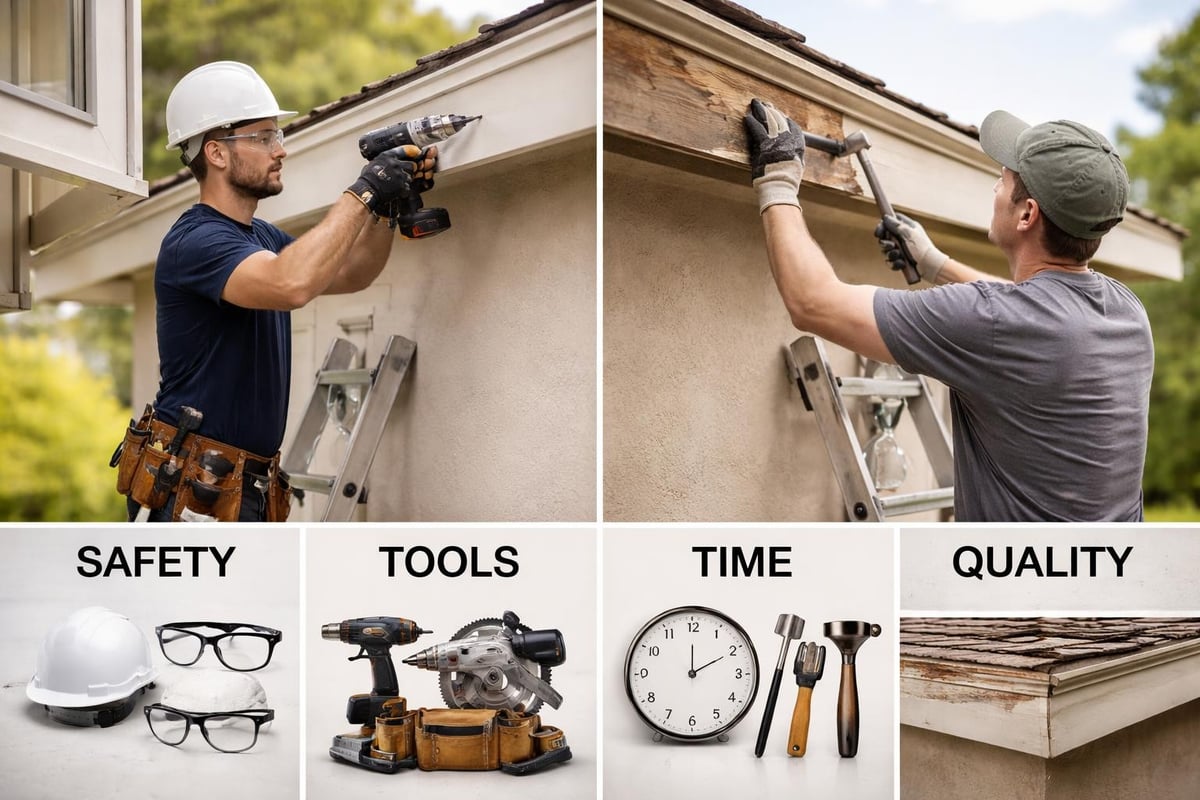
Homeowners with carpentry experience can handle straightforward wood fascia replacement on single-story homes, but several factors favor professional installation for most situations.
When DIY Makes Sense
Single-story homes with ground-level fascia access and isolated damage limited to a few boards make reasonable DIY projects. You'll need basic carpentry tools, a stable ladder, and confidence working at height. Step-by-step repair guidance walks through the process for simple replacements.
DIY replacement works best when:
- Damage affects less than 20 linear feet
- You can work safely from a ladder without scaffolding
- The existing fascia is wood, not composite requiring specialized tools
- No underlying structural damage exists
- You have time for proper surface preparation and finishing
Calculate material costs and tool needs before committing to DIY. Factor in time for multiple trips to obtain materials and address unexpected issues that emerge during removal.
Why Professional Installation Often Pays
Professional contractors complete fascia replacement efficiently while ensuring code compliance and warranty coverage. They identify and address underlying problems that might escape homeowner notice, preventing premature failure of new materials.
Two-story installations require scaffolding that rental costs and safety risks make professional work more practical. Contractors also coordinate gutter work seamlessly, ensuring proper attachment to new fascia without damaging fresh installations.
NC Roofs’ roof repair services include fascia assessment and replacement when needed, providing clear recommendations based on actual damage rather than upselling unnecessary work. Professional installation includes warranties on both materials and workmanship, protecting your investment.
Maintenance After Replacement
New fascia requires minimal maintenance compared to aging boards, but regular attention extends lifespan and preserves appearance. The maintenance approach depends entirely on material choice.
Wood Fascia Care
Inspect painted wood fascia twice yearly, in spring and fall. Look for paint deterioration, particularly at joints and along bottom edges where water collects. Touch up any compromised areas immediately before moisture penetrates to bare wood.
Plan for complete repainting every 4-5 years using quality exterior paint rated for trim applications. Clean fascia annually by gently washing with mild detergent to remove dirt, pollen, and organic growth that holds moisture against the surface.
Keep gutters clean and properly aligned. Overflowing or sagging gutters pour water directly onto fascia boards, overwhelming even well-maintained paint. Address gutter issues promptly to protect your fascia investment.
Composite and PVC Maintenance
Synthetic fascia needs only annual washing with soap and water. Check periodically that fasteners remain tight and boards haven't separated from mounting surfaces. While the material doesn't rot, physical damage from impacts or fallen branches requires prompt repair to maintain weather sealing.
Inspect joints and seams annually for separation. Recaulk any gaps that develop to prevent moisture intrusion behind boards. This simple maintenance takes minutes but prevents water from reaching the wood structure behind synthetic fascia.
Regional Considerations for Eastern North Carolina
Coastal humidity and severe weather patterns in Eastern North Carolina create specific challenges for roof fascia systems. Understanding these factors influences material selection and maintenance priorities.
Hurricane and Storm Damage
High winds during tropical systems and severe thunderstorms test fascia attachment strength. Properly installed boards with appropriate fastener spacing resist wind uplift better than compromised installations. After major storms, inspect fascia for loosening or separation even if gutters remain attached.
Wind-driven rain finds any weakness in fascia systems, driving moisture into joints and behind boards. Understanding fascia’s role in roof protection helps you recognize why storm-damaged fascia needs immediate attention rather than temporary fixes.
Humidity and Moisture Management
Year-round humidity accelerates wood deterioration in Eastern North Carolina compared to drier climates. This reality makes composite materials particularly attractive despite higher initial costs. Wood fascia in this region rarely achieves its maximum lifespan without exceptional maintenance.
Proper ventilation behind fascia boards helps manage moisture accumulation. Ensure soffit vents function correctly and aren't blocked by insulation or debris. Adequate airflow reduces condensation that contributes to fascia rot from behind.
Integration with Overall Roof Health
Fascia condition often signals broader roofing problems that need attention. Contractors should evaluate your complete roof system when addressing fascia damage rather than treating it as an isolated issue.
Water that rots fascia typically originates from roof edge problems, inadequate flashing, or gutter overflow. Comprehensive roofing guidance helps you understand how fascia connects to your roof's overall performance and why addressing only symptoms leaves problems unresolved.
When fascia replacement occurs during roof replacement, contractors ensure proper integration between new roofing materials, drip edge, and fascia boards. This coordination creates a cohesive weather barrier that protects your home more effectively than piecemeal repairs.
Permit and Code Requirements
Most jurisdictions don't require permits for straightforward fascia replacement, but regulations vary by location and project scope. Check local requirements before starting work, particularly if replacement involves structural repairs or modifications.
Code requirements typically address:
- Fire-resistant materials in wildfire-prone areas
- Minimum board thickness and material specifications
- Proper attachment methods and fastener spacing
- Integration with roof edge flashing systems
- Ventilation provisions if fascia includes venting
Professional contractors handle permit applications when required and ensure work meets current building codes. This compliance protects you during home sales and ensures insurance coverage remains valid if claims arise from installation defects.
Replacing damaged fascia protects your roof system, gutters, and home structure from accelerating water damage that starts at the roofline and spreads quickly. Material selection, proper installation, and regular maintenance determine how long your investment lasts and how well it performs through Eastern North Carolina's challenging weather. NC Roofs provides honest assessments of fascia condition during roof inspections, clear recommendations about repair versus replacement, and straightforward pricing so you understand exactly what your home needs without unnecessary upsells.