Metal roofing has shifted from a purely commercial choice to a trusted residential option across Eastern North Carolina and beyond. Homeowners today recognize that quality metal roofing delivers decades of protection when sourced and installed correctly. The difference between a roof that lasts 50 years and one that starts failing after 15 often comes down to material specifications, coating technology, and installation precision. Understanding these distinctions helps you make informed decisions when evaluating options and comparing quotes.
What Defines Quality in Metal Roofing Materials
The term "quality metal roofing" refers to specific material characteristics rather than general appearance or brand reputation. Three core factors determine long-term performance.
Gauge Thickness and Substrate Strength
Metal roofing panels come in different thicknesses measured by gauge numbers. Lower gauge numbers mean thicker metal. Most residential applications use 24-gauge, 26-gauge, or 29-gauge steel.
Standard gauge specifications:
- 24-gauge: Premium residential choice, maximum wind resistance, best dent protection
- 26-gauge: Most common residential option, balanced durability and cost
- 29-gauge: Budget option, adequate for low-wind areas, more susceptible to denting
The substrate material matters equally. Steel panels dominate the residential market due to strength and affordability. Aluminum offers superior corrosion resistance in coastal environments but costs more and dents easier. Copper and zinc represent premium options with distinctive appearance and century-long lifespans at significantly higher investment.
Coating Systems and Corrosion Protection
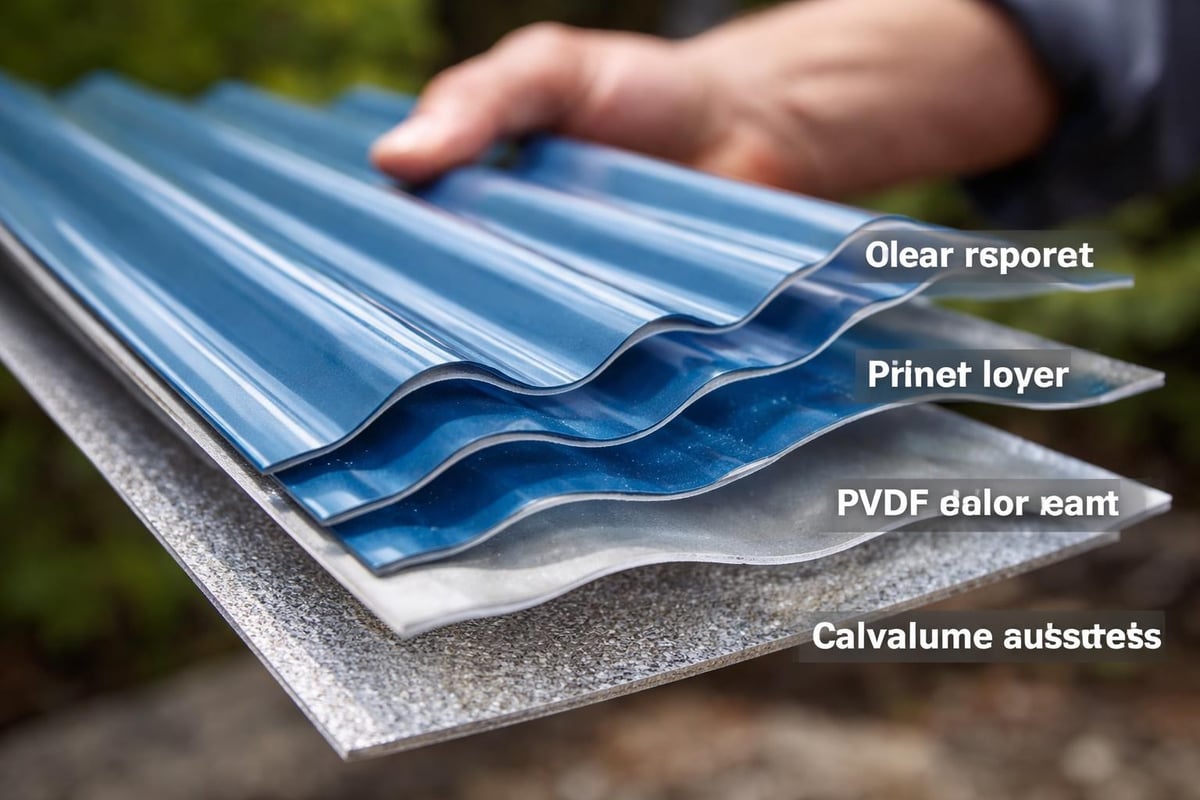
Paint is not just color on quality metal roofing. Modern coating systems involve multiple layers engineered for specific protection.
| Coating Layer | Purpose | Performance Impact |
|---|---|---|
| Galvalume or Galvanized Base | Corrosion barrier | Prevents rust penetration |
| Primer | Adhesion foundation | Bonds paint to metal |
| Color Coat | UV and weather protection | Resists fading and chalking |
| Clear Topcoat | Additional UV barrier | Extends color life 30-40% |
Quality standards in metal roofing emphasize the importance of PVDF (Kynar 500 or Hylar 5000) resin-based coatings for residential applications. These fluoropolymer finishes maintain color integrity 2-3 times longer than standard polyester paints. The difference shows clearly after 15 years when PVDF roofs still look sharp while polyester roofs show noticeable fading.
Panel Design and Water Management
Water infiltration causes most premature metal roof failures. Quality metal roofing incorporates engineered details that manage moisture effectively.
Standing seam profiles elevate the fastener line above water flow. Concealed fasteners remain protected from UV degradation and thermal cycling. Properly designed panels include:
- Capillary breaks: Small ribs that prevent water from wicking under overlaps
- Sealant channels: Designated zones for weatherproofing tape or caulk
- Thermal movement allowances: Clips that allow expansion without stress cracks
- Adequate overlap dimensions: Minimum 6-inch sidelaps, 12-inch endlaps for weather protection
The Metal Roofing Alliance provides detailed specifications showing how these design elements work together. Cheap panels skip these features to reduce manufacturing costs, creating vulnerability points that show up during the first major storm.
Installation Standards That Ensure Longevity
Even premium materials fail when installation shortcuts occur. Quality metal roofing requires attention to substrate preparation, fastener placement, and weatherproofing details.
Deck Preparation and Underlayment Requirements
The roof deck condition directly affects metal panel performance. Installers should address these issues before any metal touches the structure:
- Replace damaged decking: Soft spots, rot, or deterioration must be corrected
- Ensure proper ventilation: Ridge vents, soffit vents, and adequate airflow prevent condensation
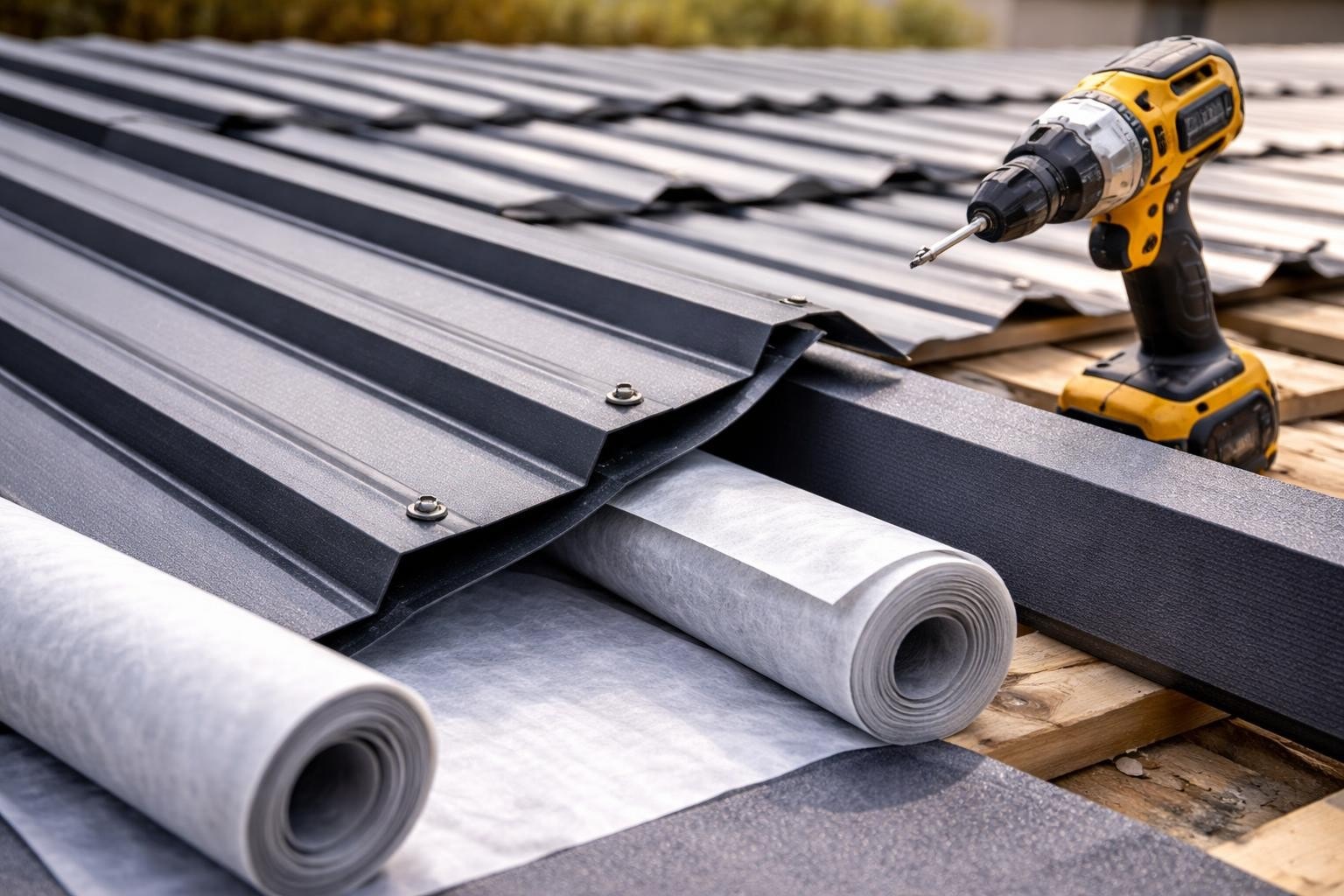
- Install appropriate underlayment: Synthetic underlayment rated for metal roofing, not basic felt paper
- Create flat, smooth surface: High/low spots telegraph through metal and create leak points
Proper underlayment acts as a secondary water barrier and thermal break. Standard roofing felt degrades quickly under metal due to heat buildup. Quality installations use synthetic products specifically engineered for metal applications.
Fastener Selection and Placement Precision
Fasteners represent the most common failure point on metal roofs. Quality metal roofing demands specific fastener types and installation patterns.
Critical fastener specifications:
- Stainless steel or coated screws matching panel finish life expectancy
- EPDM or silicone washers that maintain compression for 30+ years
- Correct length to penetrate deck minimum 3/4 inch without over-penetration
- Self-sealing design that closes around shank
Testing protocols for metal roofing include wind uplift assessments that verify fastener patterns. Under-fastening creates billowing during high winds. Over-tightening compresses washers excessively, causing premature seal failure. Installers should use torque-limiting drill clutches set to manufacturer specifications.
Standing seam systems using concealed clip fasteners avoid most of these issues. Clips attach to the deck, panels snap onto clips, and seams crimp together without penetrating the weather surface. This approach costs 30-40% more upfront but eliminates exposed fastener maintenance.
Flashing Details and Penetration Management
Water finds its way through transition points between roof planes, walls, and penetrations. Quality metal roofing installations treat these areas as critical engineering challenges.
Chimneys require counter-flashing integrated into masonry and step-flashing that overlaps each panel course. Valleys need either closed-cut designs with underlayment protection or open valleys with separate metal channels. Pipe boots must accommodate thermal movement without creating stress points.
Roof repair services frequently address flashing failures that developed because installers used generic details rather than metal-specific approaches. A properly flashed metal roof rarely needs repairs beyond occasional sealant touch-ups at penetrations.
Cost Factors and Investment Considerations
Quality metal roofing costs significantly more than basic asphalt shingles but substantially less than many homeowners expect when they understand the true comparison.
Material Cost Breakdown by System Type
| Roofing System | Material Cost per Square | Expected Lifespan | Cost per Year |
|---|---|---|---|
| Architectural Shingles | $150-$250 | 20-25 years | $7-$11 |
| Standing Seam (26ga, PVDF) | $450-$650 | 40-50 years | $9-$16 |
| Aluminum Shake Profile | $550-$750 | 40-50 years | $11-$19 |
| Copper Standing Seam | $1,500-$2,500 | 75-100 years | $15-$33 |
These figures reflect materials only. Installation adds $250-$500 per square for metal versus $150-$250 for shingles, depending on roof complexity and regional labor rates.
The annual cost perspective changes the equation. Quality metal roofing often delivers better value over 30-40 years than replacing asphalt shingles twice during the same period. Factor in reduced insurance premiums (many carriers offer 20-35% discounts for metal roofs), eliminated maintenance costs, and energy savings from reflective coatings.
Hidden Costs and Quality Compromises
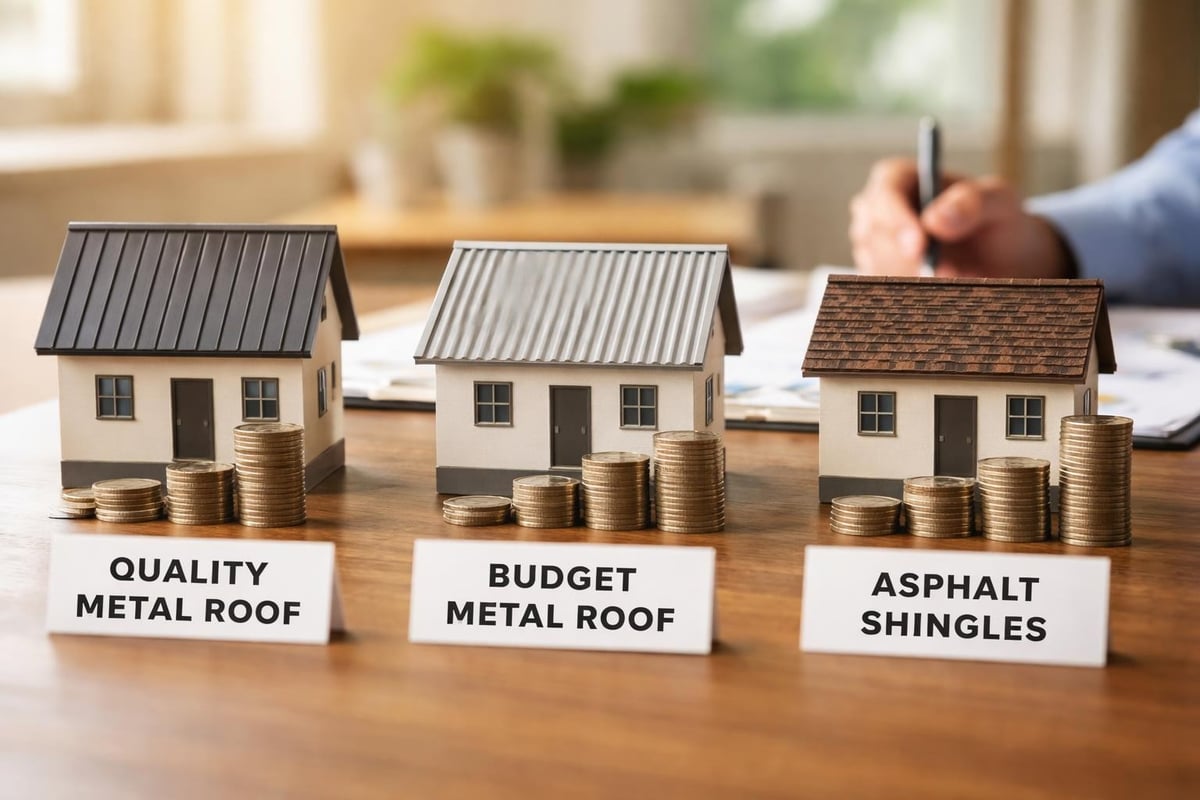
Budget metal roofing options save money upfront through specific compromises that create costs later.
Lower gauge metal (29ga or lighter) reduces material expense by 15-25% but increases dent risk from hail and falling branches. Polyester paint instead of PVDF coating saves another 10-15% while guaranteeing noticeable fading within 10-15 years. Exposed fastener systems cost 30-40% less than standing seam but require fastener replacement every 15-20 years.
Some manufacturers offer economy lines with thinner coatings, reduced warranties, and minimal quality control. These products technically qualify as "metal roofing" but don't deliver the performance homeowners expect. Verify actual specifications rather than relying on general product categories.
Warranty Coverage and What It Actually Protects
Metal roofing warranties vary dramatically in actual coverage. Quality metal roofing manufacturers provide clear, specific protection.
Warranty components to verify:
- Paint warranty duration: 30-40 years for PVDF, 20-25 years for polyester
- Substrate perforation coverage: Should match or exceed paint warranty
- Transferability terms: Does coverage transfer to new homeowners?
- Prorated vs. non-prorated: How does compensation decline over time?
- Installation requirements: What certifications or methods are mandatory?
Many warranties become void if installers don't follow manufacturer specifications exactly. This includes fastener type, underlayment products, flashing methods, and ventilation requirements. Reputable contractors document compliance and provide homeowners with installation certificates that activate full warranty protection.
Labor warranties come separately from material coverage. Quality installers back their work for 10-25 years, ensuring repair costs don't fall solely on homeowners if installation defects appear.
Regional Performance Considerations
Metal roofing performs differently based on climate, weather patterns, and environmental factors specific to your location.
Coastal and High-Humidity Environments
Eastern North Carolina's coastal proximity creates specific challenges for roofing materials. Salt air accelerates corrosion on metal surfaces that lack proper protection.
Aluminum and heavily-coated steel perform best near the coast. Galvanized steel without premium coatings shows rust within 10-15 years in these conditions. Quality metal roofing in coastal areas should include:
- Kynar or similar fluoropolymer coatings rated for marine environments
- Stainless steel fasteners (never galvanized screws near saltwater)
- Increased panel overlap and sealant applications
- More frequent inspection schedules to catch minor issues early
The Metal Roofing Alliance member directory includes manufacturers who specify products for coastal applications. These companies engineer coating formulations specifically for high-salt environments.
Wind Resistance and Storm Performance
Hurricane potential makes wind ratings critical for metal roofing selection. Quality panels tested to Miami-Dade standards withstand sustained winds exceeding 140 mph when properly installed.
Standing seam systems mechanically interlock, creating continuous attachment that distributes wind load across the entire roof surface. Exposed fastener panels rely on individual screw connections, making them more vulnerable to progressive failure where one loose panel creates stress on adjacent sections.
How standing seam metal roofing resists wind uplift through interlocking panel design, concealed clip fasteners, and continuous attachment compared to individual fastener connections on exposed screw systems
Temperature Extremes and Thermal Movement
Metal expands and contracts with temperature changes. Quality metal roofing accommodates this movement without creating stress points or fastener failure.
A 40-foot metal panel can expand/contract 3/8 inch between summer heat and winter cold. Standing seam clips allow this movement while maintaining weathertight seals. Fixed fastener systems must use slotted holes and flexible washers to prevent pulled fasteners or buckled panels.
Light-colored metal roofs with high reflectivity reduce cooling costs 20-25% in hot climates by reflecting solar heat rather than absorbing it. This benefit applies year-round in North Carolina where summer cooling costs typically exceed winter heating expenses.
Maintenance Requirements and Long-Term Care
Quality metal roofing requires minimal maintenance compared to other roofing types, but specific attention items ensure maximum lifespan.
Inspection Schedule and What to Check
Annual inspections catch small issues before they become expensive problems. Homeowners or professional inspectors should verify:
- Fastener condition: Check for loose screws, deteriorated washers, or rust staining
- Sealant integrity: Inspect caulk at penetrations, endlaps, and transition points
- Panel attachment: Verify standing seam crimps remain tight, no separation
- Debris accumulation: Remove leaves, branches, and material from valleys and low areas
- Paint condition: Note any scratches, chips, or areas showing substrate exposure
Most issues appear first at roof penetrations, where differential movement creates stress. Catching sealant failure early prevents water infiltration that damages underlying structure.
Cleaning Methods and Surface Protection
Metal roofs rarely need cleaning beyond what rain provides naturally. When dirt, pollen, or staining occurs, proper methods preserve the coating.
Safe cleaning approach:
- Use garden hose with moderate pressure, never power washers above 1,200 PSI
- Mild detergent solution (avoid acidic or alkaline cleaners that attack coatings)
- Soft-bristle brush for stubborn areas, never abrasive pads or steel wool
- Rinse thoroughly to remove all cleaning residue
Walking on metal roofs requires caution. Wear soft-soled shoes, step on structural support lines, and avoid panels during wet conditions when surfaces become slippery. Quality metal roofing handles foot traffic well, but repeated walking creates wear patterns on coating finish.
When Professional Service Makes Sense
Most metal roof maintenance falls within homeowner capabilities, but specific situations warrant professional attention. Complex repairs involving panel replacement, flashing modifications, or structural issues require specialized tools and experience.
Roofing resources and information help homeowners understand when DIY approaches work versus when contractor expertise prevents costly mistakes. Insurance adjusters evaluating storm damage often require professional documentation to process claims for metal roof repairs.
Selecting Quality Contractors and Avoiding Problems
The gap between excellent and poor metal roof installation often exceeds the difference between premium and economy materials. Finding qualified contractors requires specific verification steps.
Certifications and Manufacturer Training
Quality metal roofing manufacturers provide installer certification programs that verify technical knowledge and installation competency. These programs typically include classroom training, field assessments, and ongoing education requirements.
Ask potential contractors about:
- Which manufacturers have certified them and verification numbers
- How many metal roofs they install annually (versus occasional projects)
- Whether they employ full-time metal specialists or general roofers
- What percentage of their business involves metal versus asphalt installations
Contractors who primarily install asphalt shingles often lack the specialized knowledge that metal roofing demands. Details like thermal movement accommodation, proper fastener torque, and specific flashing methods require dedicated experience.
Reference Checks and Portfolio Review
Previous work quality provides the most reliable contractor assessment. Request contact information for 5-7 metal roof installations completed 3-5 years ago, not just recent projects.
When contacting references, ask specific questions:
- Did the project stay within quoted budget and timeline?
- How did the contractor handle unexpected issues or changes?
- Have any problems appeared since completion, and how were they addressed?
- Would you hire this contractor again for future work?
Visit completed projects when possible. Look for clean flashing details, straight panel lines, uniform appearance, and professional trim work. Quality installations look crisp and precise, not rough or improvised.
Contract Details and Protection Measures
Written contracts should specify exact materials, installation methods, timeline, payment schedule, and warranty coverage. Vague language like "industry standard installation" leaves room for shortcuts and disputes.
Essential contract elements:
- Specific product names, model numbers, gauges, and coating types
- Detailed scope including deck replacement, underlayment, ventilation, and cleanup
- Payment tied to completion milestones, not upfront lump sums
- Manufacturer warranty activation requirements and installer compliance certification
- Dispute resolution process and performance guarantees
Never pay more than 10-20% upfront for materials deposit. Reputable contractors carry credit with suppliers and don't need large advances. Final payment should occur only after inspection confirms proper installation and cleanup completion.
Energy Efficiency and Environmental Benefits
Quality metal roofing delivers measurable energy savings and environmental advantages beyond basic weather protection.
Cool Roof Technology and Reflectivity Standards
Metal roofs with high solar reflectance and thermal emittance reduce attic temperatures 20-30 degrees compared to dark asphalt shingles. This translates to lower air conditioning costs and reduced peak demand on electrical systems.
The Cool Roof Rating Council certifies products meeting specific performance standards. Quality metal roofing often achieves:
- Solar reflectance values of 0.25-0.65 (higher numbers reflect more heat)
- Thermal emittance ratings of 0.75-0.85 (measures heat re-radiation)
- Solar Reflectance Index (SRI) scores of 25-80+ depending on color
Light colors perform best, but even darker metal finishes with specialized pigments outperform traditional roofing materials. These benefits apply in both summer cooling and winter heating scenarios through reduced thermal transfer.
Recycled Content and End-of-Life Recyclability
Most metal roofing contains 25-95% recycled content depending on substrate type. Steel panels typically use 30-60% recycled material, while aluminum products often exceed 90% recycled content.
More importantly, metal roofing maintains full recyclability at end of service life. Removed panels become feedstock for new metal products without quality degradation. Compare this to asphalt shingles, where 11 million tons enter landfills annually according to environmental impact data on metal roofs.
This closed-loop recyclability reduces environmental impact across the product lifecycle. Homeowners investing in quality metal roofing today won't create landfill waste 50 years from now when replacement time arrives.
Reduced Material Consumption Over Time
A single quality metal roof often outlasts two or three asphalt shingle installations. This reduces total material consumption, manufacturing energy, transportation fuel, and installation waste generation.
Consider the cumulative impact over 50 years:
| Scenario | Roof Installations | Total Material Weight | Waste Generated | Energy Consumed |
|---|---|---|---|---|
| Metal (50-year life) | 1 installation | 4,000-5,000 lbs | Near zero | Baseline |
| Asphalt (20-year life) | 2-3 installations | 15,000-22,000 lbs | 13,000-19,000 lbs | 3-4x baseline |
These figures demonstrate how upfront material intensity of metal roofing becomes minor compared to avoided consumption from repeated shingle replacements. Homeowners focused on environmental responsibility find quality metal roofing aligns with broader sustainability goals.
Quality metal roofing represents a significant investment that pays dividends through decades of reliable performance when materials and installation meet proper standards. Understanding gauge specifications, coating systems, and installation requirements helps you evaluate options and select contractors confidently. If you're considering metal roofing in Eastern North Carolina and want honest guidance on whether it fits your home and budget, NC Roofs provides straightforward assessments and clear pricing without pressure or unnecessary upsells.