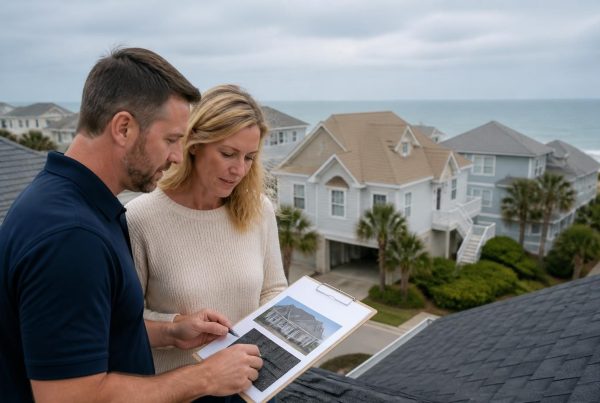
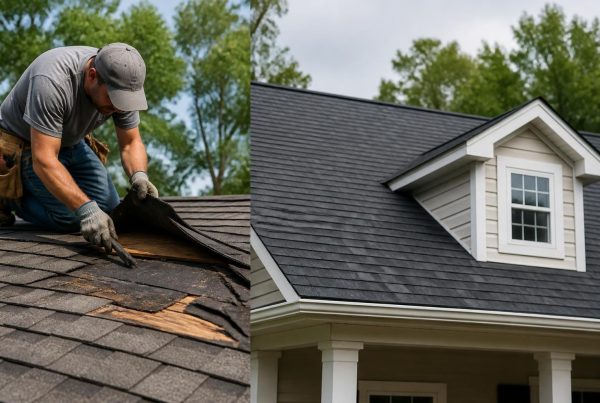
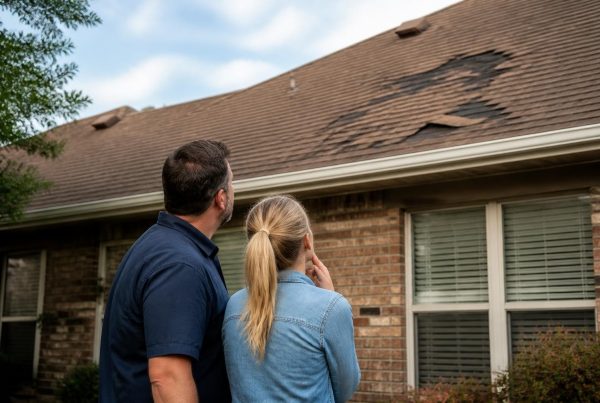
Getting a roof estimate can feel overwhelming if you don't know what to expect. You're looking at numbers, unfamiliar terms, and trying to figure out whether a quote is fair or if you're being overcharged. Understanding what goes into a professional roof estimate helps you compare options clearly and make decisions based on real information instead of guesswork. Most homeowners in Eastern North Carolina receive multiple estimates before choosing a contractor, and knowing how to read them makes all the difference in finding honest pricing and quality work.
What a Roof Estimate Actually Includes
A proper roof estimate breaks down every aspect of your roofing project into clear line items. You should see measurements, material specifications, labor costs, and additional expenses listed separately. This transparency lets you understand exactly what you're paying for and makes it easier to spot inconsistencies between different quotes.
Roof Measurements and Square Footage
Your roof size drives most of the cost in any estimate. Contractors measure in squares, with one square equaling 100 square feet of roof surface. A typical single-family home might range from 15 to 30 squares depending on the floor plan and roof complexity.
Key measurement factors include:
- Total square footage of all roof planes
- Pitch or slope steepness
- Number of roof sections and valleys
- Overhangs and eave extensions
Steep roofs require more safety equipment and take longer to work on, which increases labor costs. Complex roof designs with multiple angles, dormers, or intersecting planes need more materials and precision cutting, driving up both material waste and installation time.

Material Specifications and Quality Levels
The materials section of your roof estimate should specify exactly what products the contractor plans to use. Generic descriptions like "architectural shingles" aren't enough. You need brand names, product lines, and warranty information.
| Material Component | What to Look For | Why It Matters |
|---|---|---|
| Shingles | Brand, style, weight class, color | Determines durability and appearance |
| Underlayment | Synthetic vs. felt, brand | Affects leak protection |
| Ventilation | Ridge vent type, intake vents | Controls attic temperature and moisture |
| Ice & Water Shield | Coverage areas, brand | Prevents ice dam damage |
| Flashing | Material type, gauge | Protects vulnerable areas |
Higher-quality materials cost more upfront but often include better warranties and longer lifespans. A roof estimate that uses premium underlayment and comprehensive ice and water shield coverage will naturally run higher than one using minimum-code materials.
Labor Costs and Installation Details
Labor typically represents 40-60% of your total roof estimate depending on project complexity and local market rates. The estimate should indicate how many crew members will work on your project and the expected timeline.
Installation details matter as much as the final price. Your estimate should address:
- Tear-off and disposal of existing materials
- Deck inspection and repair allowances
- Installation method and fastener specifications
- Cleanup procedures and site protection
Some contractors include contingency amounts for deck repairs since they can't fully assess plywood or OSB condition until the old roof comes off. This honest approach prevents surprise charges mid-project.
How Contractors Calculate Your Roof Estimate
Professional contractors follow systematic processes to develop accurate roof estimates. Understanding their approach helps you recognize thorough quotes versus rushed guesswork.
The Inspection and Assessment Process
A detailed roof estimate starts with a comprehensive inspection. The contractor examines your current roof condition, takes measurements, and identifies any structural concerns or damage. They'll check attic ventilation, look for signs of leaks, and assess the deck condition from inside when possible.
The inspection typically covers:
- Current roof age and remaining lifespan
- Shingle condition and granule loss
- Flashing around chimneys, vents, and valleys
- Gutter and fascia condition
- Attic ventilation adequacy
- Signs of moisture intrusion or deck damage
This thorough evaluation feeds directly into the estimate accuracy. Contractors who skip the attic inspection or rush through the process often miss important details that affect pricing and project scope.
Factoring in Regional and Seasonal Considerations
Your location in Eastern North Carolina influences your roof estimate in several ways. Coastal proximity means higher wind ratings for shingles and more stringent building codes. Local permit costs, disposal fees, and labor market rates all vary by county and municipality.
Seasonal timing affects availability and sometimes pricing. Spring and fall represent peak roofing seasons when contractors stay busy, while winter and summer might offer more flexible scheduling. However, choosing a contractor based on availability rather than the lowest bid often leads to better results.

Comparing Multiple Roof Estimates Effectively
Most homeowners collect three or more estimates before making a decision. Simply comparing bottom-line numbers misses important differences in scope, quality, and value.
What to Look for Beyond the Total Price
The detailed breakdown of a professional roofing estimate reveals more than just cost. You're evaluating the contractor's thoroughness, communication style, and attention to detail through their written proposal.
Compare these elements across estimates:
- Level of detail in material specifications
- Clarity of scope and work description
- Warranty terms for both materials and labor
- Payment schedule and terms
- Project timeline and crew size
- Permit handling and responsibilities
A roof estimate that's significantly lower than others often reflects shortcuts in materials, abbreviated scope, or optimistic assumptions about deck condition. Higher estimates might include premium materials or more comprehensive protection measures.
Red Flags in Roofing Estimates
Certain patterns in roof estimates signal potential problems. Vague descriptions, missing line items, or pressure tactics deserve your attention and skepticism.
Watch for these warning signs:
- No written estimate, only verbal quotes
- Pressure to sign immediately for "today only" pricing
- Require full payment upfront
- Lack of specific material brands or product lines
- Missing information about permits or inspections
- No mention of deck repair contingencies
- Unusually short completion timeframes
Legitimate contractors provide detailed written estimates and give you time to review and compare options. They answer questions directly and explain cost differences when you ask. When you're reviewing options for roof repair or replacement, those detailed explanations help you understand what you're actually getting for your investment.
Understanding Material Costs in Your Estimate
Material selection drives significant cost variation between roof estimates. The difference between standard three-tab shingles and premium architectural styles can add thousands to your project total.
Shingle Types and Price Ranges
Roofing material costs vary considerably based on style, brand, and warranty coverage. Understanding these categories helps you evaluate whether an estimate reflects appropriate materials for your needs.
| Shingle Type | Typical Cost per Square | Lifespan | Best For |
|---|---|---|---|
| 3-Tab | $90-150 | 15-20 years | Budget projects, rental properties |
| Architectural | $150-250 | 25-30 years | Most residential homes |
| Premium Designer | $250-400 | 30-50 years | High-end homes, complex designs |
| Impact Resistant | $200-350 | 25-30 years | Hail-prone areas, insurance discounts |
Your roof estimate should specify not just the shingle type but the exact product line. "Architectural shingles" could mean anything from a basic 25-year product to a premium 50-year designer line with triple the warranty coverage.
Underlayment and Ventilation Investments
Quality underlayment and proper ventilation often get overlooked in roof estimate comparisons, but they significantly affect long-term performance. Synthetic underlayment costs more than traditional felt but offers better water resistance and durability.
Ventilation components in your estimate might include:
- Ridge vents along the roof peak
- Soffit or intake vents near the eaves
- Baffles to maintain airflow in rafter bays
- Power vents or turbines in some applications
Adequate ventilation extends shingle life and reduces cooling costs. A roof estimate that skimps on ventilation might look cheaper initially but costs more over the roof's lifetime through premature shingle failure and higher energy bills.
Labor and Installation Variables
Installation quality matters as much as material selection. Your roof estimate's labor component reflects the contractor's experience, crew efficiency, and attention to proper installation methods.
Tear-Off and Deck Preparation
Most roof estimates assume complete removal of existing shingles down to the deck. This tear-off process reveals the true deck condition and ensures proper adhesion of new materials. Some estimates offer overlay options where new shingles install over existing ones, but this approach has limitations.
Deck preparation steps included in thorough estimates:
- Complete removal of old shingles and felt
- Inspection of all deck boards or panels
- Replacement of damaged or rotted decking
- Securing loose boards and replacing missing fasteners
- Sweeping and cleaning the deck surface
Your roof estimate might include a contingency allowance for deck repairs since the full extent of damage only becomes visible during tear-off. This honest accounting prevents mid-project pricing disputes.
Installation Techniques and Best Practices
Professional installation follows manufacturer specifications and local building codes. Your roof estimate should reflect adherence to these standards even if it doesn't spell out every detail.
Quality installation practices include proper nailing patterns, correct shingle exposure, proper valley treatments, and careful flashing details. Contractors who rush installations to maximize daily output often skip steps that ensure long-term performance. The detailed approach to roofing work influences both the estimate accuracy and the final result.

Additional Costs Often Included in Estimates
Beyond shingles and labor, complete roof estimates account for numerous smaller expenses that add up quickly. Understanding these additional costs prevents surprise charges and helps you compare estimates accurately.
Permits, Disposal, and Site Protection
Most municipalities require building permits for roof replacement. Your roof estimate should either include permit costs or clearly state they're the homeowner's responsibility. Permit fees vary by location but typically range from $200 to $500 in Eastern North Carolina.
Disposal costs for old roofing materials represent another significant expense. A typical residential roof generates several tons of debris requiring proper disposal. Roll-off container rental and dump fees might appear as separate line items or bundled into the total price.
Site protection measures include:
- Tarps to protect landscaping and vehicles
- Magnetic sweepers to collect fallen nails
- Plywood walkways to protect delicate surfaces
- Covering for pool areas or outdoor furniture
These details in your NC roofing estimate show the contractor's commitment to protecting your property throughout the project.
Specialty Items and Unique Features
Roof features beyond basic shingle installation affect estimate totals. Each chimney, skylight, or complex valley requires additional time and specialized materials.
| Feature | Typical Impact on Estimate | Why It Adds Cost |
|---|---|---|
| Chimneys | $300-800 each | Custom flashing, cricket installation |
| Skylights | $200-600 each | Careful integration, potential resealing |
| Pipe Boots | $50-100 each | Proper sealing around penetrations |
| Valleys | $100-300 per valley | Metal installation or woven shingle work |
| Steep Pitch | 20-40% premium | Safety equipment, slower installation |
These additions make direct estimate comparisons challenging. One roof might have three chimneys and two skylights while another has none, making the per-square costs appear very different even with identical base pricing.
Timeline Expectations in Roof Estimates
Project duration affects scheduling, weather exposure risk, and overall convenience. Your roof estimate should provide realistic timeframes for completion based on roof size and complexity.
Typical Installation Schedules
Most residential roofs complete in one to three days depending on size and weather. A straightforward 20-square ranch might finish in a single day with a full crew, while a 35-square two-story with multiple chimneys could take three or four days.
Factors affecting timeline:
- Roof size and square footage
- Number of roof planes and complexity
- Weather conditions and forecasts
- Crew size and experience
- Additional repairs discovered during tear-off
Contractors who promise unrealistic completion times often cut corners or push crews beyond safe working speeds. A roof estimate with a reasonable, well-explained timeline demonstrates professional planning.
Weather Contingencies and Scheduling
Weather plays a major role in roofing project scheduling. No contractor can guarantee specific dates months in advance, but they can explain their typical lead times and how they handle weather delays.
Professional roof estimates address weather planning through flexible start dates and clear communication protocols. You should understand how rain delays get handled, whether your roof will be protected overnight, and what happens if conditions prevent safe work.
Getting the Most Value from Your Roof Estimate
Value doesn't always mean the lowest price. The best roof estimate balances fair pricing with quality materials, professional installation, and comprehensive warranties.
Questions to Ask Every Contractor
Before accepting any roof estimate, ask questions that reveal the contractor's expertise and business practices. Their answers tell you as much as the written quote.
Essential questions include:
- What specific products are included and why did you choose them?
- How do you handle unexpected deck repairs during installation?
- What does your warranty cover and for how long?
- How do you protect my property during the project?
- What happens if weather delays the project?
- Can you provide references from recent similar projects?
Contractors confident in their roof estimates welcome these questions and provide clear, detailed answers. Evasive responses or pressure to skip the questions signal potential problems.
When to Request Revised Estimates
Sometimes your initial roof estimate needs adjustment based on additional information or changed project scope. Legitimate reasons to request revisions include discovering additional damage during inspection, deciding to upgrade materials, or adding work to other roof features.
Changes to the roofing category of work you're requesting should result in updated estimates that clearly show what changed and why. Professional contractors provide these revisions promptly and explain cost differences thoroughly.
Homeowners sometimes request multiple revisions to compare different material options or scope variations. Most contractors accommodate reasonable requests, though excessive revision demands might signal you're not ready to proceed.
Making Your Final Decision
After collecting and comparing roof estimates, you're ready to make an informed decision. The process should leave you confident in both the contractor and the project scope.
Evaluating Total Cost vs. Value
Understanding the full scope of what goes into roof replacement costs helps you see beyond simple price comparisons. A roof estimate that's $2,000 higher but includes premium underlayment, better ventilation, and a stronger warranty might deliver more value than the cheapest option.
Consider the cost per year of expected roof life rather than just the upfront expense. A $15,000 roof that lasts 30 years costs $500 annually, while a $12,000 roof lasting 20 years costs $600 per year.
Trust and Communication Matter
The contractor-homeowner relationship extends beyond a single roof estimate. You're choosing someone who'll be working on your home, handling problems that arise, and potentially servicing warranty issues years later.
Select contractors who communicate clearly, answer questions thoroughly, and demonstrate genuine interest in meeting your needs rather than just closing a sale. Your roof estimate represents the beginning of this relationship, and how contractors handle the estimating process reveals how they'll handle the entire project.
A thorough roof estimate gives you the information needed to make confident decisions about protecting your home. Understanding what drives costs, how to compare quotes, and what questions to ask puts you in control of the process. NC Roofs provides detailed estimates and honest guidance throughout Eastern North Carolina, helping homeowners understand their options and choose the right solution without pressure or unnecessary upsells.