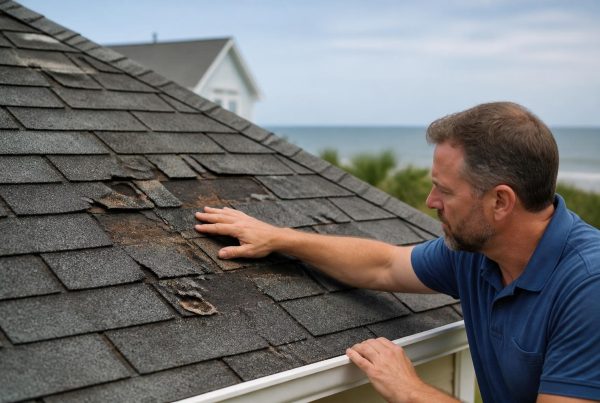
Choosing the right approach for your roof can feel overwhelming, especially when you're dealing with a leak, storm damage, or simply an aging roof system. Homeowners across Eastern North Carolina face unique challenges thanks to coastal winds, salt exposure, and frequent severe weather. Understanding the range of roofing solutions available helps you make informed decisions based on your home's actual needs rather than what a contractor might push. The best approach depends on your roof's current condition, your budget, and how long you plan to stay in your home.
Understanding Different Types of Roofing Solutions
Roofing solutions cover everything from small repairs to complete system replacements. The right choice depends on the scope of damage, the age of your roof, and what makes financial sense for your situation.
Repair-focused solutions address specific problems without touching the entire roof. These work well for:
- Isolated leak areas caused by flashing failure or damaged shingles
- Storm damage limited to one section or slope
- Penetration issues around vents, chimneys, or skylights
- Minor wear that hasn't compromised the overall system
Partial replacement solutions involve removing and replacing a section of your roof. This middle-ground approach makes sense when damage affects multiple areas but the majority of the roof remains in good condition.
Complete replacement solutions become necessary when the roof system has reached the end of its useful life or when damage is too widespread to address piecemeal.
How to Evaluate Which Solution Fits Your Situation
Most homeowners benefit from starting with a thorough assessment before committing to any particular solution. A detailed roof report documents what's actually happening on your roof, giving you the information needed to compare options and costs honestly.
| Solution Type | Best For | Typical Lifespan Extension | Cost Range |
|---|---|---|---|
| Targeted Repair | Single problem areas, recent damage | 3-7 years | $300-$2,500 |
| Partial Replacement | Section damage, localized wear | 10-15 years | $2,000-$8,000 |
- Full Replacement | System-wide failure, aging roof | 20-30+ years | $8,000-$25,000+ |
The numbers above vary based on roof size, material choice, and complexity of the work. Coastal homes often face higher material costs due to wind rating requirements and corrosion-resistant fasteners.
Common Roofing Solutions for Storm Damage
Coastal North Carolina sees its share of hurricanes, tropical storms, and severe thunderstorms. The damage patterns these events create often determine which roofing solutions make the most sense.
Wind damage typically shows up as:
- Lifted or missing shingles along roof edges and ridges
- Exposed nail lines where wind got underneath shingle tabs
- Damaged flashing around chimnas and roof-to-wall connections
- Granule loss concentrated on south and west-facing slopes
For wind damage limited to one or two areas, targeted repairs usually provide the most cost-effective solution. When multiple slopes show damage or when the existing roof was already approaching replacement age, a full system replacement often makes more financial sense than patching.
Water Intrusion Solutions
Water damage requires a different evaluation process. The visible signs you see inside (stains, drips, or mold) don't always appear directly below the actual roof failure point. Water can travel along rafters or sheathing before showing up in your living space.
Effective water intrusion solutions address both the entry point and any secondary damage:
- Locate the actual failure point through careful inspection and water testing if needed
- Assess the extent of sheathing or structural damage caused by ongoing moisture exposure
- Determine whether surrounding areas show early signs of the same failure mode
- Choose repair or replacement based on the total affected area and remaining roof life
Many homeowners in Hampstead, Topsail, and Wilmington discover that what seemed like a simple leak actually indicates broader issues with valley installation, inadequate underlayment, or improper flashing details. The National Roofing Contractors Association provides technical resources that outline proper installation standards for these critical areas.
Material-Specific Roofing Solutions
The material currently on your roof influences which solutions work best and what replacement options make sense for coastal conditions.
Asphalt Shingle Solutions
Three-tab and architectural shingles dominate residential roofing in Eastern North Carolina. These materials offer good performance at reasonable costs, but they do have specific failure patterns.
Common shingle problems and their solutions:
- Granule loss: Minor granule loss is normal aging; severe loss (exposing the mat) requires replacement of affected shingles or the full roof
- Curling or cupping: Indicates moisture issues or poor ventilation; addressing the root cause matters more than just replacing shingles
- Cracking or splitting: Usually age-related; if widespread, full replacement beats ongoing repairs
- Missing shingles: Simple replacement works if surrounding shingles remain in good condition
The key decision point for asphalt shingles comes around the 15-20 year mark. Minor repairs make sense early in a roof's life. Once you're past the halfway point of expected lifespan, frequent repairs often cost more over time than proactive replacement.
Metal Roofing Solutions
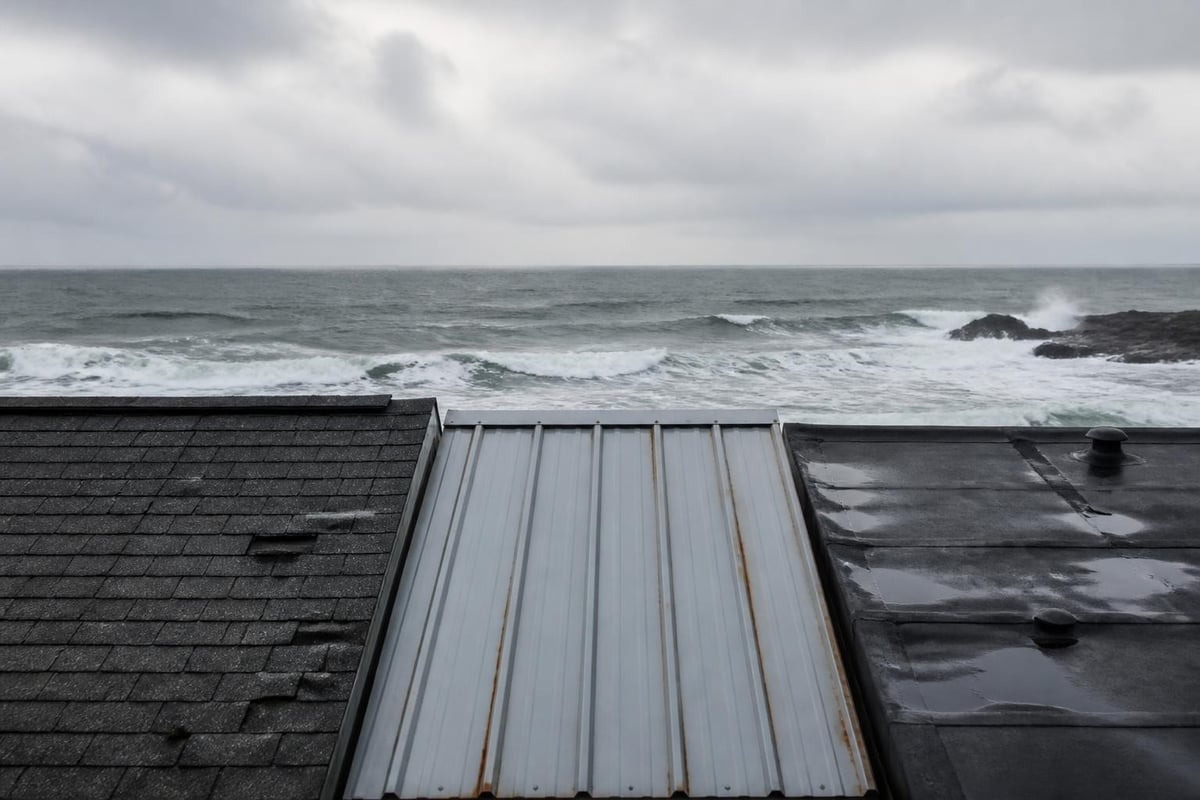
Metal roofs perform exceptionally well in coastal environments when properly installed. Salt air doesn't affect them the way it does asphalt, and wind resistance typically exceeds shingle ratings.
Metal roofing solutions focus on:
- Fastener replacement when screws back out or corrode
- Panel resealing along seams and overlaps
- Flashing repairs at transitions and penetrations
- Full panel replacement when denting or coating failure occurs
Metal roofs rarely need complete replacement unless the panels themselves have failed. Most issues involve fasteners, sealants, or accessories that are easier and less expensive to address than with shingled roofs.
Energy-Efficient Roofing Solutions
Homeowners increasingly look for roofing solutions that reduce cooling costs and improve home comfort. Eastern North Carolina's hot, humid summers make energy performance a practical consideration.
Cool roof technology uses reflective materials or coatings to reduce heat absorption. According to the EPA’s guidance on cool roofs, these systems can reduce roof surface temperature by 50°F or more compared to traditional dark shingles.
The energy benefits break down into:
- Lower air conditioning costs during summer months
- Reduced attic temperatures that protect stored items and HVAC equipment
- Extended shingle life due to less thermal cycling
- Decreased urban heat island effect in developed areas
Choosing Energy-Saving Options
When evaluating roofing solutions with energy efficiency in mind, look at solar reflectance and thermal emittance ratings. ENERGY STAR provides specific criteria that qualify roofing products for their label.
For replacement projects, selecting lighter-colored shingles with high reflectance ratings costs roughly the same as traditional options but delivers measurable energy savings. Specialty cool roof coatings work for metal roofs or low-slope sections.
Ventilation plays an equally important role. Proper attic ventilation works together with your roof covering to manage heat buildup. The ASHRAE handbook offers technical guidance on calculating ventilation needs based on attic square footage and climate zone.
Preventive Roofing Solutions
The most cost-effective roofing solutions often involve preventing damage before it occurs. This approach works particularly well for coastal homes facing predictable weather patterns.
Maintenance Programs
Regular inspections catch small issues before they become expensive problems. A typical maintenance schedule includes:
- Spring inspection after winter storms and before hurricane season
- Fall inspection to prepare for winter weather and address any hurricane damage
- Post-storm checks after any significant weather event
- Annual cleaning of gutters, valleys, and debris-prone areas
What maintenance catches:
- Loose or lifted shingles that haven't blown off yet
- Early flashing failures before water intrusion starts
- Clogged gutters causing water backup
- Tree limbs touching or overhanging the roof
- Worn sealants around penetrations
Storm Preparation Solutions
Hurricane season runs June through November, giving homeowners time to implement protective measures. Effective storm preparation includes inspecting and securing loose materials, trimming overhanging branches, and ensuring proper fastener patterns meet wind code requirements.
The Insurance Institute for Business & Home Safety researches storm-resistant construction methods. Their FORTIFIED roofing program outlines specific installation practices that significantly improve wind performance.
Insurance-Related Roofing Solutions
Dealing with insurance claims adds complexity to choosing roofing solutions. Understanding how insurance companies evaluate damage helps homeowners navigate the process.
Documentation Requirements
Insurance adjusters look for clear evidence of covered damage. This means:
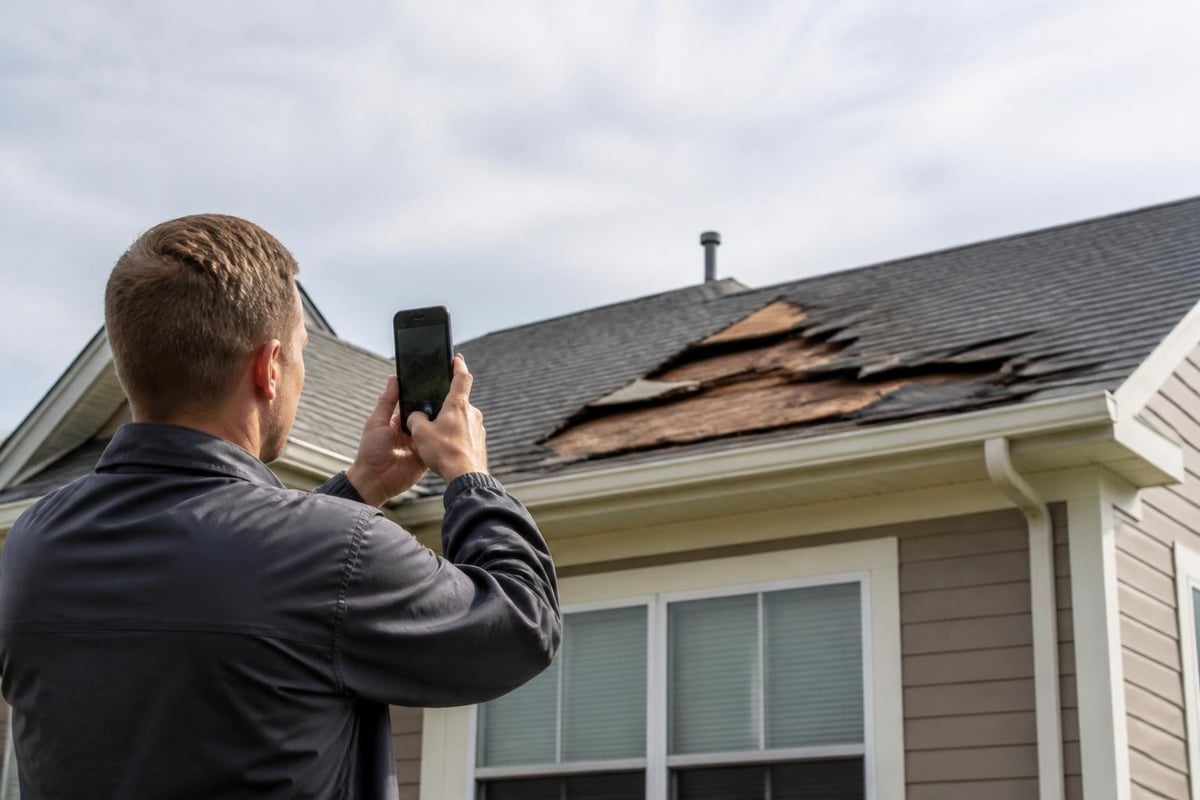
- Photos showing damage details and overall roof condition
- Documentation of when damage occurred
- Evidence linking interior damage to specific roof failures
- Comparison of damaged and undamaged areas
Strong claims include:
| Documentation Element | Why It Matters | How to Provide It |
|---|---|---|
| Damage photos | Proves extent and cause | Clear, well-lit images from multiple angles |
| Pre-damage condition | Establishes maintenance history | Previous inspection reports or photos |
| Interior damage | Links roof failure to losses | Photos of stains, mold, or structural issues |
| Professional assessment | Provides expert opinion | Detailed roof report from qualified contractor |
Many coastal homeowners find that having a professional roof inspection completed before filing a claim strengthens their position. The documentation provides specific details about wind damage, hail impacts, or other covered perils.
Repair vs. Replacement in Insurance Context
Insurance companies typically prefer repairs over replacement when possible. This creates tension when a repair-focused solution doesn't address underlying issues or when the roof's remaining lifespan is short.
The reality is that insurance covers damage from covered perils, not normal wear and aging. A 20-year-old roof damaged by a hurricane might receive payment for storm damage repairs, but not for addressing age-related wear across the rest of the roof.
Homeowners face a choice: accept insurance payment for repairs on an aging roof, or pay the difference between insurance coverage and full replacement cost. The right answer depends on your specific situation, budget, and plans for the home.
Comparing Costs Across Roofing Solutions
Understanding the full cost picture helps homeowners make decisions that fit their budget and timeline. Roofing solution costs go beyond just the initial work.
Short-Term vs. Long-Term Cost Analysis
A repair costing $800 might seem like a bargain compared to a $12,000 replacement. But if that repair only extends roof life by three years, and you'll need another $1,200 repair in two years, the math changes.
Consider these factors when comparing costs:
- How long each solution extends useful roof life
- Likelihood of additional repairs during that timeframe
- Your expected ownership period for the home
- Energy cost impacts over the extended timeline
- Property value implications for resale
A replacement might cost 15 times more than a repair, but if it lasts 10 times longer and eliminates ongoing repair needs, the annual cost works out favorably.
Hidden Costs to Consider
Roofing solutions carry costs beyond the contractor's invoice:
- Permits and inspections required by local building departments
- Disposal fees for old roofing materials
- Upgrades to code when local requirements have changed since original installation
- Matching challenges when repairs need to blend with discontinued materials
- Access fees for difficult-to-reach homes or limited working areas
Coastal homes often face higher material costs for wind-rated shingles, corrosion-resistant fasteners, and enhanced underlayment. These aren't upsells but requirements for proper installation in high-wind zones.
Selecting a Contractor for Roofing Solutions
The contractor you choose matters as much as the roofing solution itself. Poor installation of the right solution creates problems, while excellent installation of a mediocre solution still disappoints.
What to Look For
Essential contractor qualities include:
- Proper licensing and insurance for roofing work in North Carolina
- Experience with your specific roof type and the chosen solution
- Willingness to provide detailed written estimates
- References from recent local projects
- Clear communication about timeline, process, and potential complications
Red flags include contractors who:
- Push for immediate decisions without time to review options
- Suggest solutions that don't match the documented problem
- Offer prices significantly below other estimates without clear explanation
- Request large upfront deposits or full payment before starting
- Can't provide proof of insurance or local references
Questions to Ask Before Hiring
Before committing to any roofing solution, ask contractors:
- What specific problem does this solution address? You want contractors who explain the why, not just the what.
- How long will this solution last? Realistic expectations matter more than optimistic promises.
- What alternatives did you consider and why did you recommend this approach? This reveals their thought process.
- What warranty covers the work and materials? Understand both manufacturer and workmanship coverage.
- How will you protect my property during the work? Landscaping, siding, and gutters need protection too.
The contractor should welcome these questions and provide clear, specific answers. Vague responses or irritation at being questioned suggests potential problems ahead.
Timing Your Roofing Solution
When you implement roofing solutions affects both cost and outcome. Strategic timing can save money and improve results.
Best Seasons for Roofing Work
Fall and spring offer ideal conditions for most roofing work in Eastern North Carolina. Temperatures stay moderate, humidity is manageable, and rain is less frequent than summer.
Summer challenges include:
- Extreme heat making work conditions difficult
- Afternoon thunderstorms interrupting installation
- High demand driving up costs and extending scheduling
- Faster shingle aging due to high installation temperatures
Winter considerations involve:
- Cold temperatures affecting shingle sealant activation
- Shorter daylight hours limiting work windows
- Weather unpredictability delaying projects
- Better contractor availability and sometimes lower prices
Emergency repairs obviously can't wait for perfect timing. But planned replacements or major repairs benefit from strategic scheduling.
Planning Around Weather Patterns
Hurricane season creates a challenging window for roofing work. Starting a major project in August means potentially having an unfinished roof when a storm approaches. Completing work before June or waiting until December reduces this risk.
After major storms, contractor availability drops while demand spikes. Homeowners waiting for insurance resolution may find six-month backlogs for roofing work. This reality makes preventive solutions and pre-storm roof evaluation increasingly valuable.
Long-Term Planning for Roofing Solutions
Smart homeowners think beyond the immediate problem to develop long-term roofing strategies. This approach reduces stress, spreads costs over time, and prevents emergency situations.
Creating a Roof Maintenance Budget
Setting aside money annually for roof maintenance and eventual replacement takes the surprise out of roofing expenses. A typical approach:
- Calculate annual roof cost: Total replacement cost divided by expected lifespan
- Add maintenance buffer: 20-30% additional for repairs and upkeep
- Adjust for home age: Older homes need larger reserves
For a $15,000 roof replacement with a 25-year lifespan, annual cost is $600. Adding 25% for maintenance brings the annual budget to $750. Over a decade, this creates a $7,500 reserve, covering half the replacement cost when needed.
Monitoring Roof Condition Over Time
Regular documentation of roof condition helps identify when proactive replacement makes more sense than continued repairs. Annual photos from the same angles create a visual timeline of roof aging.
Track these indicators:
- Number and cost of repairs per year
- Rate of granule loss or material degradation
- Changes in energy costs potentially linked to roof performance
- Frequency of leaks or water intrusion events
When repair costs start exceeding 15-20% of replacement cost annually, or when you're addressing the same problem area repeatedly, replacement typically becomes the smarter choice.
Building Science and Roofing Solutions
Understanding how your roof interacts with the rest of your home's building envelope leads to better roofing solution choices. The roof doesn't work in isolation.
Ventilation and Moisture Management
Proper attic ventilation affects roof lifespan, energy costs, and interior comfort. Inadequate ventilation causes:
- Premature shingle aging from excessive heat
- Ice damming in winter (less common in NC but possible)
- Moisture buildup promoting mold and wood rot
- Higher cooling costs from superheated attic spaces
Building Science Corporation provides detailed guidance on ventilated and unvented roof assemblies. Their research shows that balanced intake and exhaust ventilation works best for most climate zones.
When implementing roofing solutions, evaluate whether ventilation modifications should accompany the work. Adding ridge vents during replacement costs little extra but delivers significant benefits.
Integration with Other Building Systems
Your roof connects to multiple home systems:
- Gutters and drainage that channel water away from the foundation
- Insulation that controls heat transfer and moisture migration
- HVAC systems potentially vented through the roof
- Solar panels if renewable energy is part of your plan
Comprehensive roofing solutions consider these connections. For example, improving attic insulation while replacing a roof provides better overall value than tackling projects separately. Planning for future solar installation might influence material choices or structural reinforcement needs.
Choosing the right roofing solutions comes down to understanding your roof's actual condition, evaluating realistic options, and matching the solution to your situation and budget. Whether you're dealing with storm damage, planning a replacement, or trying to extend your current roof's life, starting with clear information beats making decisions under pressure. NC Roofs helps homeowners across Hampstead, Topsail, Surf City, and Wilmington understand what's happening with their roofs through detailed inspections and honest recommendations, so you can move forward with confidence knowing you're getting the right fix at a fair price.