Choosing the right roofing material for your home involves balancing cost, durability, weather resistance, and long-term value. In coastal North Carolina, where salt air, high winds, and summer storms test every surface, a roof steel sheet system can offer advantages that traditional materials struggle to match. Metal roofing has evolved beyond commercial buildings and barns. Modern residential roof steel sheet options now include finishes that mimic traditional shingles, along with performance features designed specifically for homeowners facing the unique challenges of living near the coast. Understanding what makes metal different, how it performs in real conditions, and whether it fits your budget helps you make a decision based on your home's needs rather than assumptions about what metal roofing looks like or costs.
What Makes Roof Steel Sheet Different
A roof steel sheet system consists of formed metal panels installed over your roof deck, typically with an underlayment barrier and fasteners designed to resist uplift. Unlike asphalt shingles that rely on adhesive and weight, metal panels mechanically attach to the structure and interlock along their edges.
The core material is steel, usually cold-rolled into specific gauges and then treated with protective coatings. Most residential applications use 26-gauge or 29-gauge steel, which balances strength with workability. Thicker doesn't always mean better. A 29-gauge panel with quality coatings often outperforms a thicker panel with inferior protection.
Coating Systems and Protection
Steel alone would rust quickly in coastal environments. That's why every roof steel sheet product includes multiple protective layers applied during manufacturing.
Galvanized coatings apply zinc to the steel base through hot-dip processes. The zinc acts as a sacrificial layer, corroding before the steel underneath is affected. Galvanization levels are measured in coating weight, with G-90 being standard for most roofing applications.
Galvalume coatings combine aluminum and zinc, offering better corrosion resistance than straight galvanization. The aluminum content provides superior protection against salt air and acidic conditions, making it the preferred choice for homes within a few miles of the ocean.
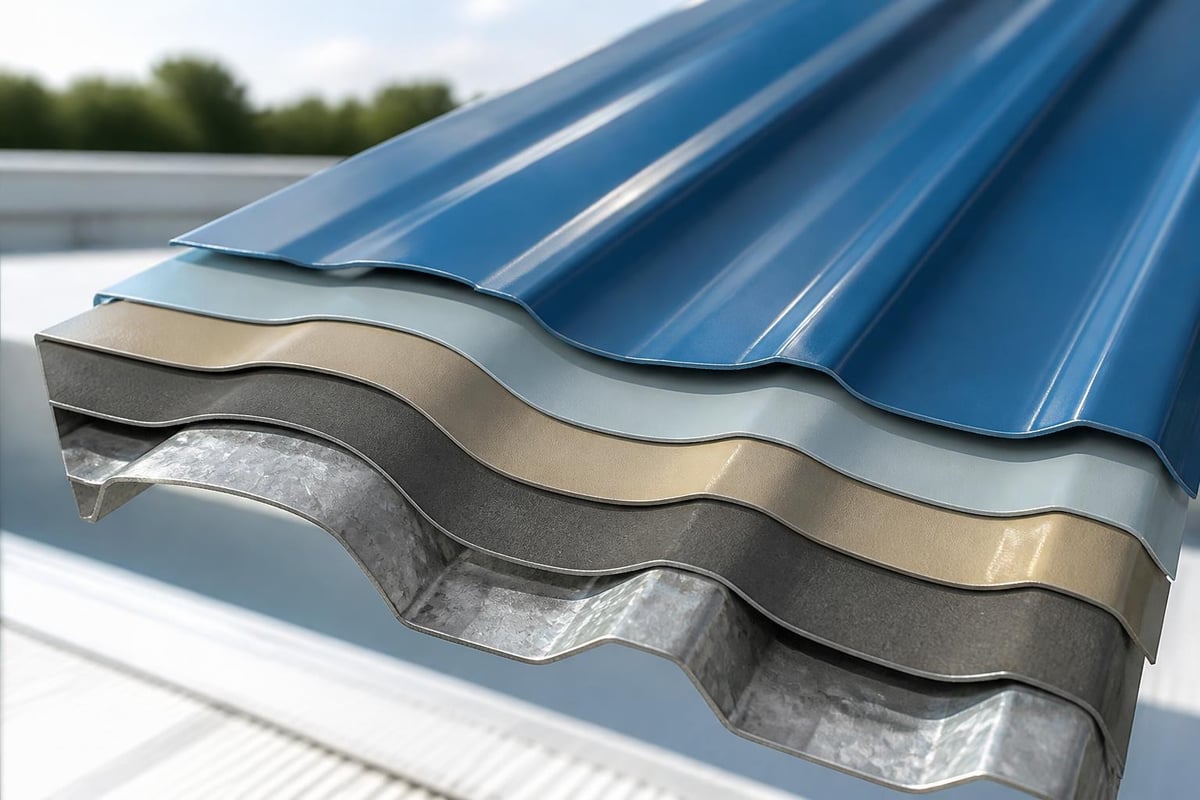
Paint finishes add another protection level and determine appearance. Kynar 500 or similar polyvinylidene fluoride (PVDF) coatings resist fading and chalking far better than standard polyester paints. You'll pay more upfront, but the finish holds its appearance for decades rather than years.
Types of Roof Steel Sheet Panels
Not all metal roofing looks the same or installs the same way. Panel profiles affect appearance, water shedding, wind resistance, and installation complexity.
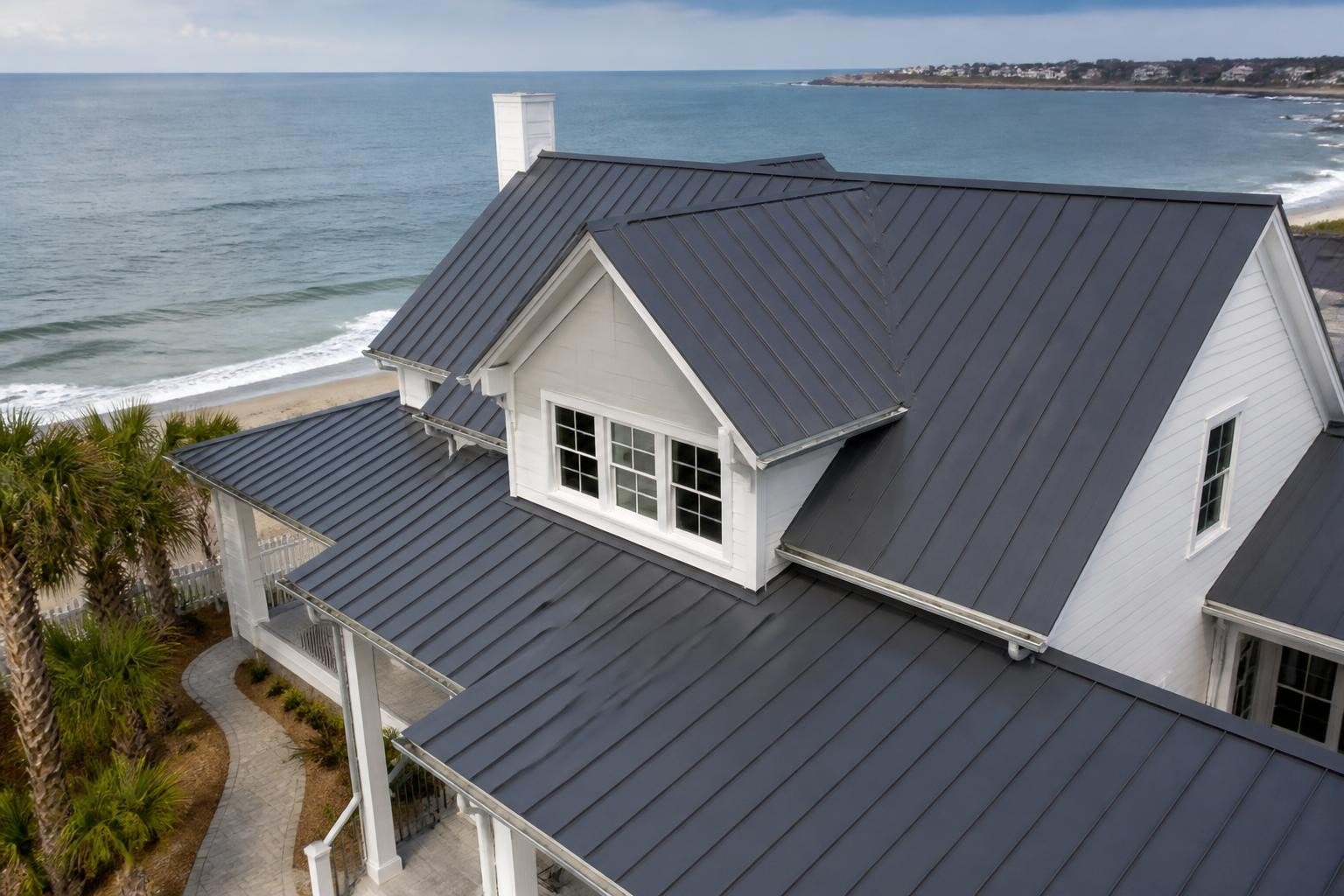
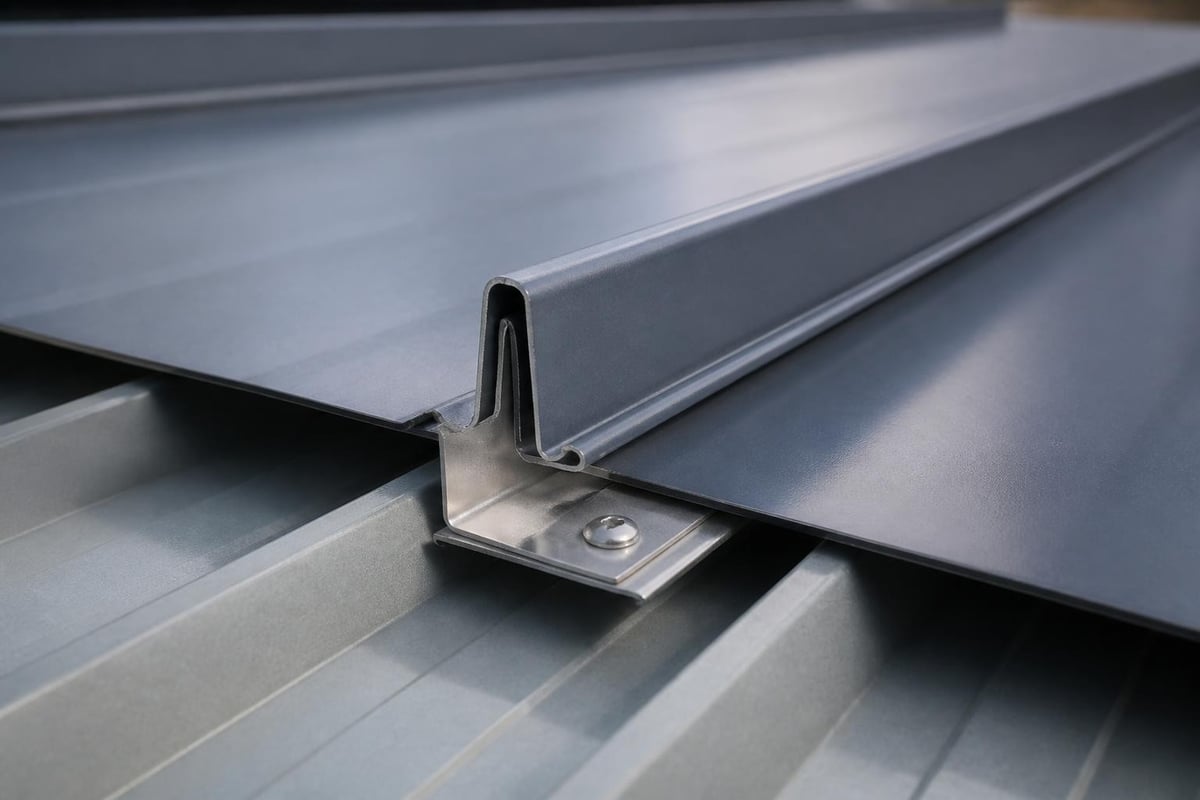
Standing seam panels feature raised ribs running vertically from ridge to eave. The fasteners hide beneath the seam, creating a clean appearance and eliminating exposed fastener points where leaks typically start. Panels connect through clips that allow thermal expansion and contraction without stressing the material.
Corrugated panels use repeating waves across the width of the sheet. This traditional agricultural style has found renewed interest in residential applications, especially for outbuildings and secondary structures. The corrugations add strength and rigidity to thinner gauge materials.
R-panel and PBR panels include vertical ribs with wider flat areas between them. These profiles install faster than standing seam systems and cost less, though they use exposed fasteners with rubber washers that eventually need maintenance or replacement.
| Panel Type | Fastener Style | Cost Level | Best Application |
|---|---|---|---|
| Standing Seam | Concealed clips | High | Primary residence, high visibility |
| R-Panel | Exposed screws | Medium | Moderate budgets, standard applications |
| Corrugated | Exposed screws | Low to Medium | Outbuildings, budget projects |
| Stone-Coated | Concealed | High | Traditional appearance required |
Stone-Coated Steel Options
Some homeowners want metal's performance without metal's appearance. Stone-coated roof steel sheet products bond ceramic-coated mineral granules to the metal surface, creating a textured finish that resembles traditional shingles or tiles from ground level.
These systems cost more than bare metal panels and require different installation techniques. The stone coating adds weight and changes how panels overlap and fasten. You gain sound dampening and a familiar aesthetic, but you sacrifice some of metal's low-maintenance advantages since the granules can eventually shed just like those on asphalt shingles.
Performance in Coastal Conditions
Eastern North Carolina's climate demands roofing materials that handle sustained wind, driving rain, salt exposure, and intense UV radiation. Roof steel sheet addresses these challenges differently than organic materials.
Wind resistance comes from the panel's mechanical attachment and interlocking design. Properly installed standing seam roofing regularly achieves wind ratings above 140 mph, well beyond what most hurricane-force winds produce. The continuous attachment along panel edges prevents the kind of progressive damage that starts when one shingle lifts and creates opportunities for neighbors to follow.
Salt air corrodes many building materials over time, particularly in homes within a mile or two of the ocean. Quality galvalume coatings and PVDF paint systems resist this corrosion far better than most alternatives. You'll still see some weathering over decades, but the protective layers prevent the accelerated deterioration common with other materials in marine environments.
Heat and Energy Considerations
Metal reflects solar radiation rather than absorbing it like dark asphalt. A light-colored roof steel sheet can reduce cooling loads, though the effect depends on roof design, attic ventilation, and insulation quality.
Cool roof coatings with high solar reflectance and thermal emittance values maximize this benefit. These specialty finishes meet Energy Star requirements and may qualify for energy efficiency rebates or insurance discounts in some areas.
The flip side is that metal conducts heat readily. Without proper underlayment and attic ventilation, condensation can form on the underside of panels when warm, moist air contacts cold metal. This matters more in new construction where you control the full assembly than in reroof situations where existing ventilation usually suffices.
Installation Requirements and Considerations
Installing roof steel sheet differs significantly from shingling. The learning curve means fewer contractors work with metal, and those who do typically charge more for their specialized knowledge.
Proper installation requires:
- Solid or closely spaced decking to support panel weight and fastener loads
- Synthetic or premium underlayment rated for metal roofing applications
- Specialty fasteners sized and coated to match the panel material
- Thermal breaks on certain applications to prevent thermal bridging
- Careful flashing details at valleys, ridges, walls, and penetrations
Panels expand and contract with temperature changes. A 40-foot panel might move half an inch between summer heat and winter cold. Installation systems account for this movement through floating clips or slotted fastener holes. Ignoring thermal movement creates waves, buckles, and fastener failures within a few seasons.
Pitch and Profile Requirements
Most roof steel sheet products require minimum roof slopes between 3:12 and 4:12, depending on panel type and seam design. Steeper pitches shed water faster and reduce the chance of wind-driven rain entering through seams or fasteners.
Lower-slope applications need special considerations. Standing seam panels with factory-applied sealant can work on slopes as low as 2:12 if details are perfect and underlayment provides redundant protection. Exposed-fastener panels should not be used on slopes below 3:12 regardless of other precautions.
According to market analysis of steel roofing, the sector continues growing as more homeowners recognize metal's advantages, with projections reaching $6.7 billion by 2033. This growth has increased contractor familiarity and improved installation quality across the industry.
Cost Factors and Budgeting
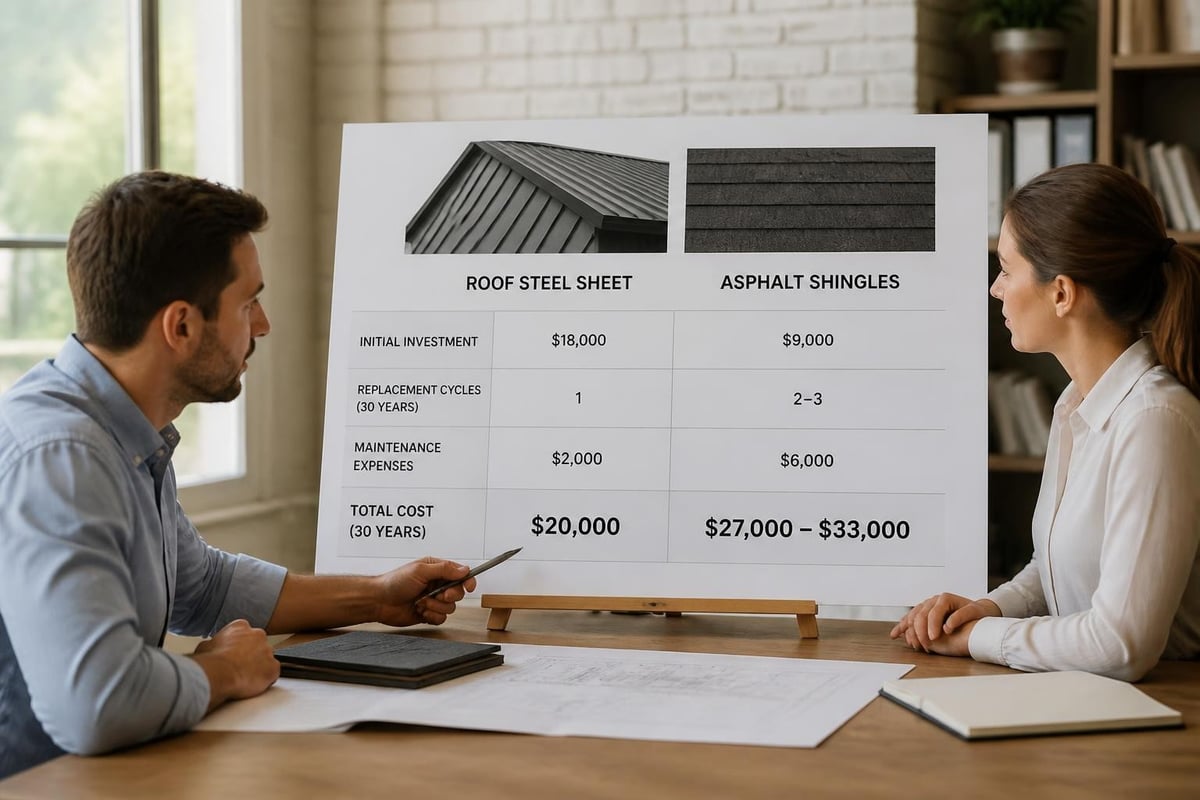
Roof steel sheet costs more initially than standard asphalt shingles. Typical installed prices range from $8 to $16 per square foot depending on panel type, coating quality, roof complexity, and regional labor rates.
Breaking down the cost components helps understand where money goes:
- Material costs (panels, trim, fasteners): $3-$7 per square foot
- Labor costs (installation): $4-$8 per square foot
- Removal and disposal (if replacing existing roof): $1-$2 per square foot
- Specialty items (ventilation, flashing, ridge caps): $500-$2,000 total
Compare this to architectural asphalt shingles at $4-$7 per square foot installed. The gap narrows when you factor in metal's longer lifespan and lower maintenance costs over time.
When Metal Makes Financial Sense
The longer you plan to own your home, the better metal's economics look. If you're staying 15-plus years, the durability advantage becomes real value rather than theoretical benefit.
For homeowners dealing with repeated storm damage and roof repair cycles on aging asphalt, switching to metal can end the pattern of five-year fixes. Coastal homes that re-shingle every 12-15 years due to wind and salt damage might find metal pays for itself within two replacement cycles.
Insurance considerations matter too. Some carriers offer premium discounts for impact-resistant and wind-resistant roofing. A 10-15% annual discount on a $3,000 insurance bill returns $300-$450 per year, recouping part of the metal premium over the roof's lifetime.
Common Concerns and Misconceptions
Homeowners considering roof steel sheet often raise predictable questions based on outdated information or commercial roofing experiences that don't apply to residential systems.
Noise during rain: Modern installations with solid decking and proper underlayment produce no more sound than other roofing materials. The stereotype of loud metal roofs comes from barn and shop buildings with exposed panels and no sound-dampening layers beneath.
Lightning attraction: Metal roofing doesn't attract lightning any more than other materials. Lightning seeks the highest point and the path of least resistance to ground, regardless of roof composition. Metal actually provides advantages if lightning does strike, distributing energy across the entire roof structure rather than concentrating it at the strike point.
Denting from hail: Quality roof steel sheet resists denting from typical hail events better than most people expect. Panels rated for Class 4 impact resistance meet UL 2218 standards, withstanding strikes from two-inch steel balls dropped from specific heights. The galvanized corrugated steel sheets market continues expanding as construction professionals recognize these performance advantages.
Appearance and Resale Concerns
Some homeowners worry that metal roofing looks too industrial or commercial for residential neighborhoods. Modern residential roof steel sheet products address this through varied colors, textures, and profiles that complement traditional architecture.
Stone-coated options mimic traditional materials so effectively that most people can't identify them as metal from ground level. Even standard standing seam panels now come in enough color options to coordinate with any exterior palette.
Resale impact varies by market. In areas where metal roofing is common, it's seen as a premium feature that justifies higher asking prices. In markets where it's rare, some buyers view it as unusual rather than valuable. Your location and buyer demographics matter more than the material itself.
Maintenance and Long-Term Care
Roof steel sheet requires less maintenance than most alternatives, but it's not maintenance-free. Understanding what actually needs attention prevents both neglect and unnecessary work.
Annual inspection tasks include:
- Clear debris from valleys and behind chimneys where leaves collect
- Check fasteners on exposed-screw systems for loose screws or deteriorated washers
- Inspect flashing at wall intersections and around penetrations
- Look for scratches or coating damage that exposes bare metal
- Ensure gutters drain properly to prevent water backing under edge trim
Fastener maintenance applies mainly to exposed-screw systems. The rubber washers that seal around screws compress over time and eventually need replacement. A fastener that looks fine from the ground might no longer seal against water intrusion. Plan for fastener inspection every 10-15 years and budget for selective replacement if needed.
Standing seam systems avoid this issue entirely since fasteners hide beneath the panels. Once properly installed, they typically need nothing beyond debris clearing and occasional inspection until other roof components like boots or flashing require attention.
Coating Touch-Ups and Repairs
Minor scratches in the paint finish need prompt attention in coastal environments. Exposed steel or coating can start corroding quickly when salt air reaches bare metal. Touch-up paint matched to your panel color prevents minor damage from becoming major problems.
Severe scratches through all protective layers may need more than paint. Some situations call for metal patches installed with proper sealants, or in worst cases, panel replacement. Addressing damage early always costs less than waiting until corrosion spreads.
Research in steel sheet defect recognition demonstrates how advanced inspection methods improve quality control during manufacturing, though residential homeowners rely on visual inspection and professional assessments rather than automated systems.
Comparing Metal to Other Options
Roof steel sheet isn't the only durable roofing option. Understanding where it fits among alternatives helps determine if it's right for your specific situation.
Asphalt shingles cost less initially and most contractors install them confidently. You'll replace them more often, and they perform poorly in sustained high winds. Good choice when budget is tight and you're planning to sell within ten years.
Concrete or clay tiles match metal's longevity and exceed its weight by factors. They need structural support that most homes don't have without reinforcement. Premium appearance and genuine 50-year lifespan, but cost approaches or exceeds standing seam metal.
Synthetic slate or shake products offer middle ground on cost and durability. They resist impact and wind better than asphalt while avoiding metal's expansion concerns. Newer materials with limited long-term performance data in coastal conditions.
| Material | Typical Lifespan | Wind Resistance | Coastal Durability | Cost Range |
|---|---|---|---|---|
| Asphalt Shingles | 12-20 years | Moderate | Fair | $ |
| Roof Steel Sheet | 30-50 years | Excellent | Excellent | $$$ |
| Concrete Tile | 40-50 years | Good | Very Good | $$$$ |
| Synthetic Products | 25-35 years | Good | Good | $$ |
The commercial metal roofing guide provides detailed comparisons for larger applications, though the principles apply equally to residential projects.
Making Your Decision
Choosing roof steel sheet for your coastal North Carolina home makes sense when you value long-term performance over short-term savings, when you're tired of repeated storm damage cycles, or when you're building or renovating with a 20-plus year ownership timeline.
It doesn't make sense when you're selling soon and won't recoup the premium in your market, when your home's structure can't support the installation requirements without expensive modifications, or when your HOA prohibits metal roofing materials.
The best decisions come from understanding your specific roof's condition, your home's structural capabilities, your actual budget including long-term costs, and your realistic timeline for ownership. Generic advice about what's "best" ignores these individual factors that determine what actually works for your situation.
Before committing to any material, get multiple detailed estimates that break down material specifications, installation methods, warranty coverage, and total project costs. Compare these against honest assessments of how long you'll own the home and what maintenance you're willing to handle. The right roofing choice emerges from these specifics rather than from general material preferences.
For guidance on evaluating your current roof's condition and understanding your options, resources available through NC Roofs help Eastern North Carolina homeowners make informed decisions based on actual roof condition rather than sales pressure.
Roof steel sheet offers real advantages for coastal homeowners who need durability against salt air, wind, and storms, though it requires higher initial investment than traditional materials. Understanding panel types, coating systems, and installation requirements helps you determine whether metal roofing fits your home's needs and your long-term plans. If you're in Hampstead, Wilmington, or surrounding coastal communities and want an honest assessment of whether metal makes sense for your roof, NC Roofs provides clear guidance focused on what your roof actually needs rather than what generates the biggest sale.