When you think about what protects your home through every storm, every season, and every year, your roof sits at the top of that list. A quality roof isn't just about the shingles you can see from the street. It's about how those materials were chosen, how they were installed, what's happening underneath them, and whether the whole system was built to handle the specific weather conditions where you live. Understanding what separates a quality roof from an average one helps you make better decisions, whether you're replacing an old roof, repairing storm damage, or simply trying to understand what you already have.
What Actually Defines a Quality Roof
A quality roof starts with proper installation. You can have the best materials available, but if they're not installed correctly, you won't get the performance or lifespan you're paying for. Installation quality matters more than most homeowners realize because it determines how well everything else functions.
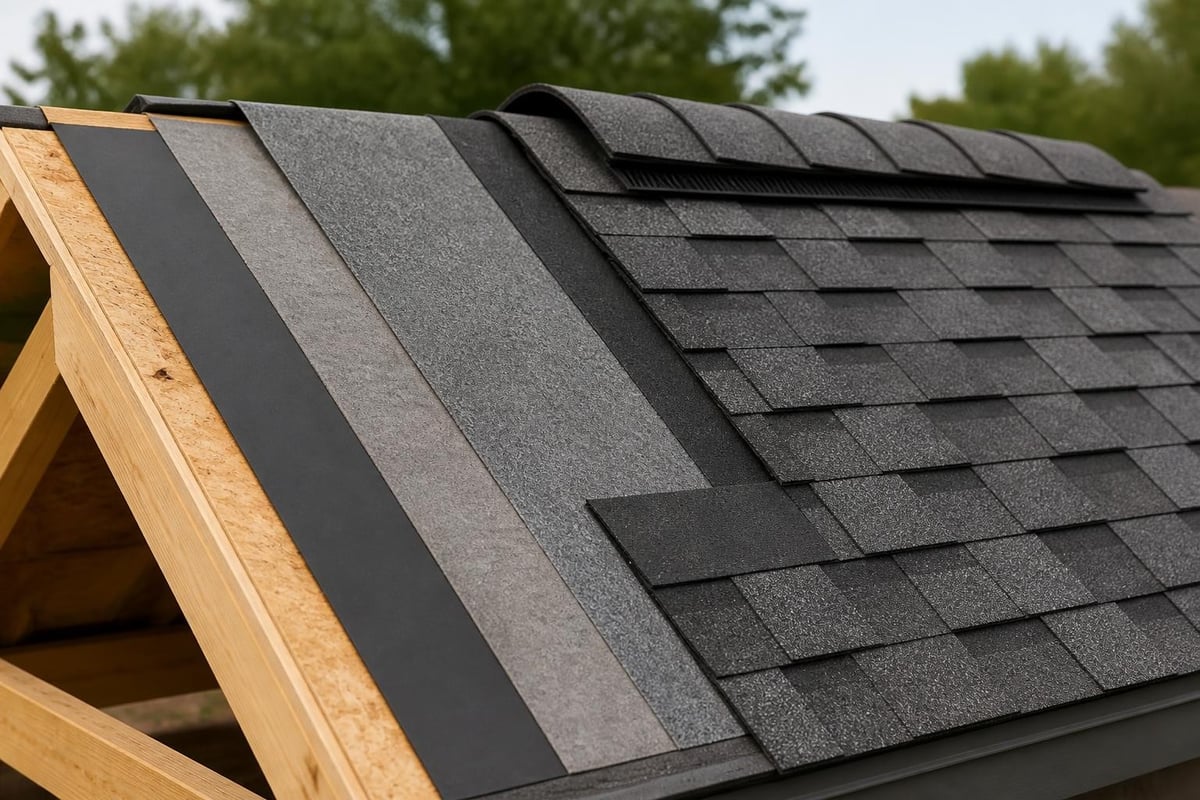
The best practices for roof installation include proper deck preparation, correct fastener placement, appropriate underlayment, and attention to ventilation. Each layer matters. The deck needs to be solid and level. The underlayment needs to be installed with proper overlap. Shingles need to be nailed in the right spots with the right number of fasteners. Flashing around chimneys, vents, and valleys needs to be sealed correctly.
Material Selection and Suitability
Not all roofing materials perform the same way in every climate. What works well in Arizona might not be the best choice for Eastern North Carolina's coastal conditions. A quality roof uses materials suited to local weather patterns, including wind exposure, humidity levels, salt air, and seasonal temperature swings.
For most residential applications in coastal areas, the material choices include:
- Architectural shingles: Heavier and more wind-resistant than basic three-tab shingles
- Impact-resistant shingles: Designed to withstand hail and debris
- Metal roofing: Long-lasting and excellent for high-wind zones
- Synthetic underlayments: Better moisture resistance than traditional felt
The right material depends on your specific situation, but quality always comes from matching the product to the environment and installing it according to manufacturer specifications.
Installation Standards That Matter
Professional installation follows specific standards that protect your investment. These aren't arbitrary rules; they're developed through decades of real-world performance data and engineering research.
According to ASTM quality assurance standards for roof construction, proper observation and verification during installation ensures the finished product matches contract requirements and industry best practices. This level of oversight separates quality work from rushed or careless installation.
Deck Preparation and Structural Integrity
Before any roofing material goes on, the deck itself needs proper attention. Proper roof sheathing installation requires checking for level surfaces, ensuring adequate spacing for expansion, and using appropriate fasteners for the decking material.
A quality roof installation includes:
- Inspection of existing deck boards for rot, damage, or weakness
- Replacement of any compromised sheathing before new materials go on
- Proper fastening of deck boards to rafters
- Adequate spacing between sheets for thermal expansion
- Installation of drip edge before underlayment
These steps happen before the visible roofing starts, which is why many homeowners never see them. But they determine whether your roof holds up or develops problems within a few years.
Underlayment and Water Barriers
The layer between your deck and your shingles does critical work. Quality installations use synthetic underlayment in most cases because it offers better tear resistance, lies flatter, and provides superior moisture protection compared to traditional felt paper.
Proper underlayment installation means starting at the eaves and working up, with each row overlapping the one below it. Valleys get special attention with either additional underlayment or specific valley materials. All penetrations get sealed. The underlayment should create a complete secondary water barrier, even if it's rarely visible once the roof is finished.
Ventilation and Long-Term Performance
Attic ventilation directly affects how long your roof lasts and how well it performs. A quality roof includes properly designed and installed ventilation that moves air through the attic space, preventing heat and moisture buildup.
Poor ventilation causes several problems:
- Premature shingle aging from excessive heat
- Ice damming in winter conditions
- Mold and mildew growth in the attic
- Higher energy costs from trapped heat
- Reduced insulation effectiveness
Continuous ridge vent installation requires specific techniques to ensure proper airflow while keeping out weather and pests. The vent needs to be cut to the right width, installed with appropriate spacing, and secured with the correct fasteners.
The Balance of Intake and Exhaust
Ventilation works when you have balanced intake (soffit vents) and exhaust (ridge vents or other roof-mounted vents). A quality roof installation calculates the needed ventilation based on attic square footage and ensures adequate openings for both intake and exhaust.
| Ventilation Component | Purpose | Quality Standard |
|---|---|---|
| Ridge vent | Allows hot air to exit at peak | Continuous, properly sized |
| Soffit vents | Brings fresh air in at eaves | Clear of insulation, adequate area |
| Attic baffles | Maintains airflow path | Installed between rafters |
| Gable vents | Supplemental exhaust | Sized appropriately if used |
Flashing and Critical Detail Work
The areas where your roof meets walls, chimneys, skylights, and vents represent the most common failure points. Quality roof installations give these details extra attention because they're where leaks typically start.
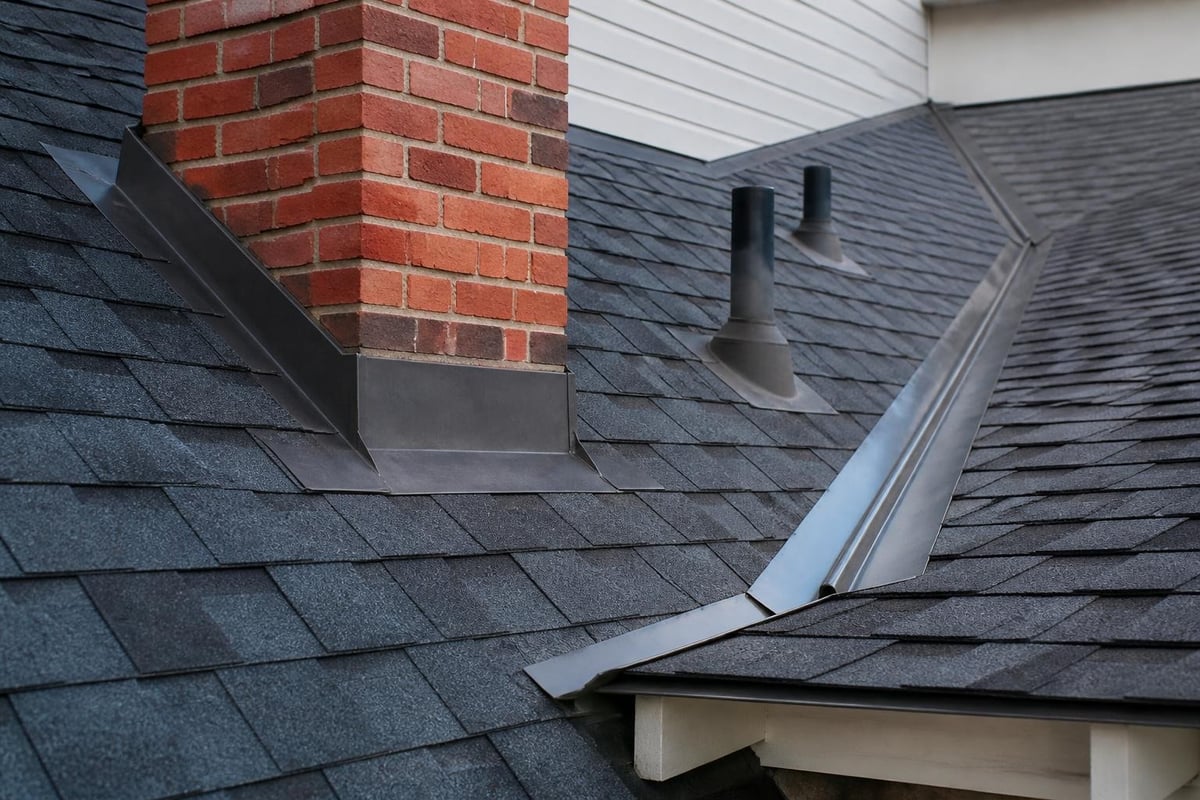
Step flashing along walls should be woven with the shingles, not just installed on top. Chimney flashing includes both base flashing and counter flashing. Pipe boots should be appropriate for the roof pitch and properly sealed. Valley flashing needs to be installed before shingles and extend far enough under both roof planes.
When you're evaluating roof work or trying to understand what makes one installation better than another, look at how these details were handled. Sloppy flashing work shows up quickly when it rains. Professional flashing work often lasts as long as the roof itself.
Fastening Patterns and Wind Resistance
In coastal North Carolina, wind resistance matters. A quality roof uses the right number of fasteners in the right locations to keep shingles in place during storms. This isn't guesswork; manufacturers specify exactly how their products should be fastened based on local wind zones.
Standard installation in high-wind areas requires:
- Six nails per shingle instead of four
- Hand-sealing of shingles in some applications
- Starter strips at eaves and rakes
- Proper nail placement in the nail zone
- Fasteners driven flush, not overdriven
Overdriven nails damage shingles and reduce their wind resistance. Underdriven nails don't secure properly. Both represent quality failures that show up during the next significant wind event.
Manufacturer Specifications and Warranties
Following manufacturer installation instructions isn't optional if you want your warranty to remain valid. A quality roof installation adheres to these specifications because they represent tested, proven methods that produce the best results.
Deviations from manufacturer guidelines can void warranties and reduce roof lifespan. Professional installers know these requirements and build them into their process. When you get roof repair work done, the same standards apply; repairs should match original installation quality and maintain warranty compliance.
What Quality Looks Like From the Ground
You don't need to climb on your roof to spot quality indicators. Certain visible elements tell you whether the work was done right.
Look for:
- Straight shingle lines: Rows should be parallel and evenly spaced
- Consistent exposure: Each shingle shows the same amount of material
- Clean valleys: Straight, well-defined valley lines
- Proper ridge caps: Uniform appearance along all ridges
- Flush trim work: Clean edges at rakes and eaves
- No lifted shingles: Everything lies flat
Quality work looks neat and uniform. You shouldn't see wavy lines, inconsistent spacing, or shingles that don't lie flat. These visual cues reflect the care and precision applied during installation.
How Weather Affects Roof Quality
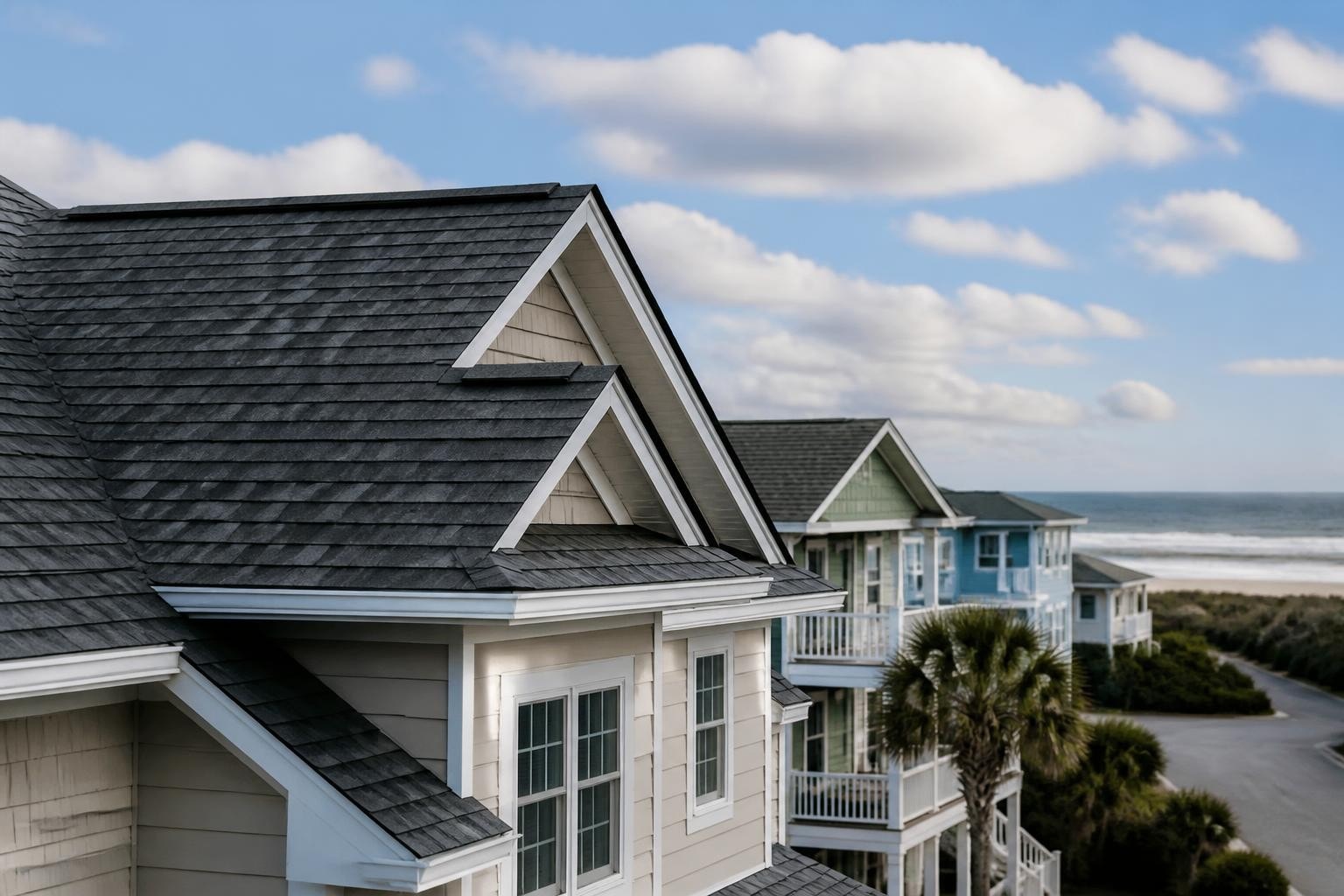
Eastern North Carolina's coastal climate presents specific challenges. Salt air, high humidity, frequent storms, and intense sun all stress roofing materials. A quality roof accounts for these local conditions in both material selection and installation details.
Detailed roofing installation techniques emphasize proper underlayment layers and weatherproofing specifically because these elements protect against moisture intrusion, which accelerates roof deterioration in humid climates.
Storm Preparation Built In
Quality roofs handle normal weather without issues. The test comes during severe weather events. Wind resistance depends on proper fastening. Water resistance depends on proper underlayment and flashing. A roof built to quality standards performs when it matters most.
After storms, quality roofs typically show less damage because they were built to withstand local weather extremes. When damage does occur, the underlying structure remains sound, making repairs more straightforward.
Maintenance and Inspection for Quality
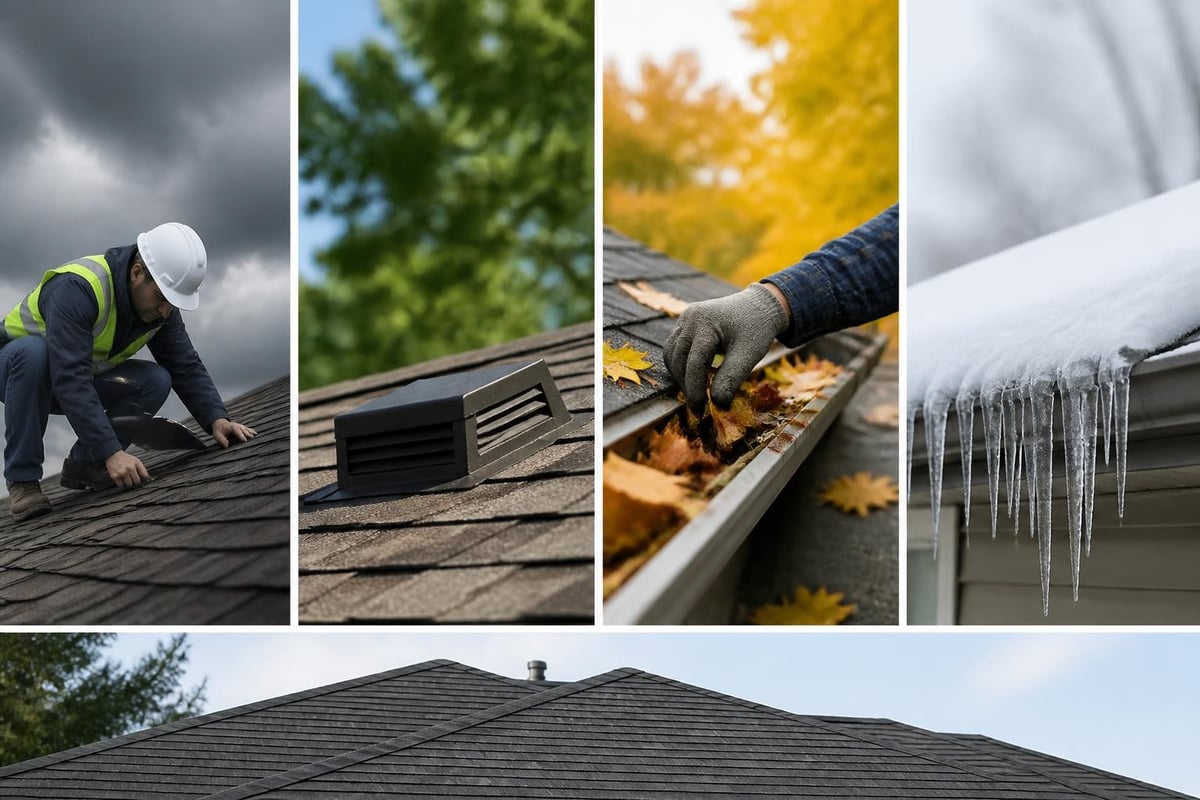
Even a quality roof needs regular attention. Annual inspections catch small problems before they become big ones. Basic maintenance extends roof life and maintains performance.
| Maintenance Task | Frequency | Purpose |
|---|---|---|
| Visual inspection | Annual | Spot damage early |
| Gutter cleaning | Twice yearly | Prevent water backup |
| Debris removal | As needed | Avoid moisture retention |
| Flashing check | Annual | Ensure seals intact |
| Ventilation check | Annual | Confirm proper airflow |
Quality roofs respond well to maintenance. Small repairs remain small. Problems get addressed before they cause widespread damage. The investment in proper installation pays off through easier, less expensive maintenance over the roof's lifetime.
Understanding Roof Reports and Documentation
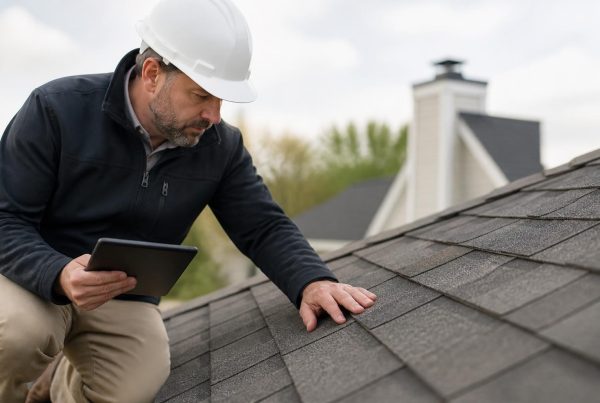
Knowing what you have matters as much as having quality work done. Professional roof documentation provides a baseline for future decisions and creates a record of condition and remaining lifespan.
A thorough roof evaluation includes photos, condition notes, identification of any existing damage, assessment of remaining life, and recommendations for repairs or replacement timing. This documentation helps you plan budgets, make insurance decisions, and understand when action becomes necessary.
Cost Versus Value in Roofing
Quality roofs cost more upfront than budget installations. The difference shows up in material grades, installation time, attention to detail, and adherence to best practices. But the cost difference rarely matches the performance difference.
A quality roof might cost 15-20% more than a basic installation, but it often lasts 30-50% longer and requires fewer repairs. Over the roof's lifetime, quality becomes the better value. You also get better storm performance, fewer leaks, and more consistent protection.
Budget roofing makes sense when you need a temporary solution or plan to sell soon. For long-term homeownership, quality roofing represents the smarter investment.
Making Quality Roof Decisions
When you're evaluating roof options, whether for replacement or repair, focus on the fundamentals. Ask about deck inspection procedures. Confirm underlayment types. Verify fastening patterns and wind resistance ratings. Request references and check recent work.
Quality shows up in answers as much as actions. Contractors who explain what they're doing and why they're doing it usually deliver better results than those who rush through explanations or avoid details.
For help understanding what's happening with your specific roof and what quality solutions make sense for your situation, you need clear information based on actual inspection rather than general recommendations. Every roof is different, and quality decisions start with accurate assessment of current conditions.
A quality roof protects your home through proper materials, professional installation, and attention to the details that determine long-term performance. Whether you need help understanding your current roof's condition, evaluating repair options, or planning a replacement, NC Roofs provides honest assessments and quality work tailored to Eastern North Carolina's coastal environment. We focus on helping homeowners make informed decisions with clear explanations and fair recommendations.