Most homeowners facing roof problems immediately wonder whether they need an expensive full replacement or if a simpler fix will do the job. The answer is often encouraging. Many roofs showing signs of wear, minor leaks, or storm damage can be repaired without a complete tear-off and rebuild. Understanding when repairs make sense and when replacement becomes necessary helps you make the right call for your home and your budget. In coastal North Carolina, where wind, salt air, and seasonal storms put extra pressure on roofing systems, knowing your options matters even more.
When Roof Repairs Actually Work
Can I fix my roof without replacing it? The short answer is yes, but only under the right conditions. Roof repairs work best when damage is localized, the roof is still relatively young, and the underlying structure remains sound.
Repairs make sense when:
- Damage affects less than 25% of the roof surface
- The roof is under 15 years old with decent remaining life
- Leaks are isolated to specific areas, not widespread
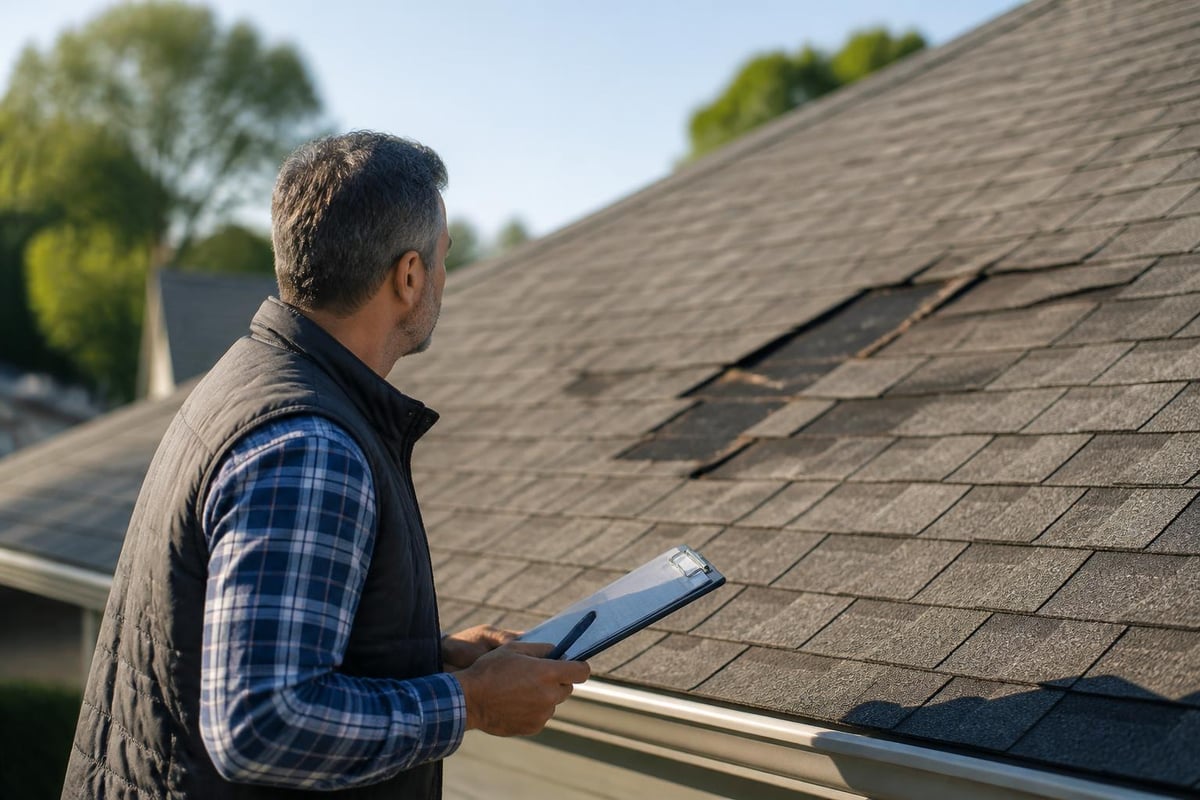
- Shingles are missing or damaged in small sections
- Flashing around chimneys, vents, or skylights has failed
- Storm damage is limited to one slope or section
The key is that the rest of the roof still performs its job. If you're dealing with a few blown-off shingles after a coastal storm or a leak around a pipe boot, repair is almost always the right move. Understanding when repairs are appropriate helps avoid unnecessary costs while still protecting your home.
The 25% Rule in Roofing
Most roofing professionals follow what's called the 25% rule. If damaged or worn areas cover more than 25% of your roof, replacement usually becomes the smarter choice. Below that threshold, targeted repairs often extend your roof's life without the full investment.
This isn't an arbitrary cutoff. It's based on practical considerations around matching materials, maintaining warranty coverage, and avoiding patchwork that costs more long-term than doing the job right once.
Common Repairs That Skip Full Replacement
Not all roof problems require starting from scratch. Several common issues respond well to focused repair work.
Isolated Leak Repairs
A leak doesn't mean your entire roof has failed. Most leaks start in vulnerable spots where water finds a way through compromised areas. Valleys, penetrations, and worn flashing cause the majority of problems homeowners notice inside their homes.
Fixing these leaks often involves:
- Identifying the exact entry point (which isn't always directly above the interior stain)
- Removing damaged shingles or flashing in that area
- Replacing underlayment if moisture has compromised it
- Installing new materials that match existing roof
- Sealing and testing to confirm the repair holds
A skilled roofer tracks water flow patterns and addresses the source, not just symptoms. This kind of roof repair saves thousands compared to full replacement while solving the actual problem.
Missing or Damaged Shingle Replacement
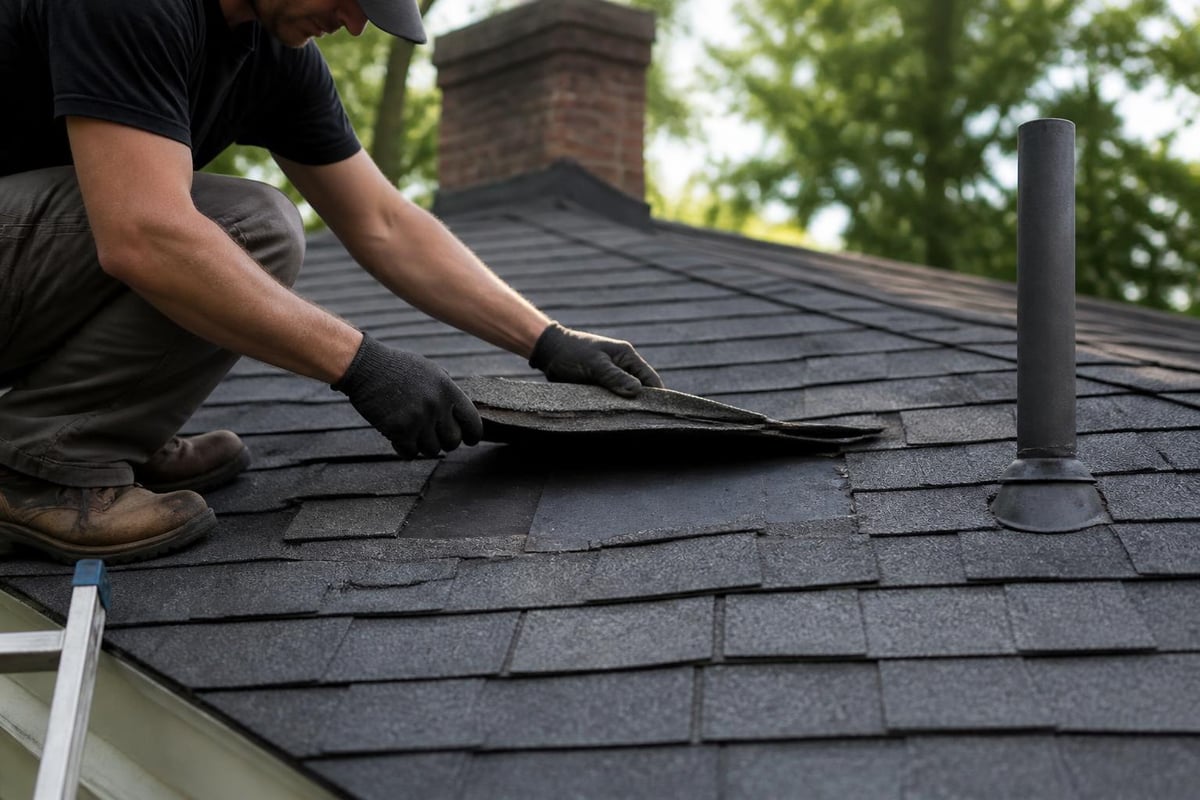
Coastal wind regularly tears shingles loose, especially on roofs that have weathered a few seasons. Replacing individual shingles or small sections is straightforward when the surrounding roof remains in good shape.
| Shingle Issue | Repair Approach | Typical Cost Range |
|---|---|---|
| 5-10 missing shingles | Individual replacement | $200-$500 |
| Small damaged section | Section replacement | $400-$1,200 |
| Storm-damaged slope | Single-slope reroof | $2,000-$5,000 |
| Multiple scattered issues | Strategic repairs | $800-$2,500 |
The challenge comes with matching older shingles. Color fading and product changes mean perfect matches aren't always possible, but experienced roofers blend repairs to minimize visual differences.
Flashing Repairs and Upgrades
Flashing fails more often than shingles themselves. The metal strips around chimneys, dormers, skylights, and walls take constant weather exposure and eventually deteriorate.
Can I fix my roof without replacing it when flashing has failed? Absolutely. Flashing repairs are among the most common and effective fixes. New step flashing along a chimney or fresh valley metal can solve persistent leak problems without touching the rest of the roof.
Modern flashing materials last longer than older galvanized steel, so upgrading during repair often prevents future problems.
When Repairs Don't Make Sense
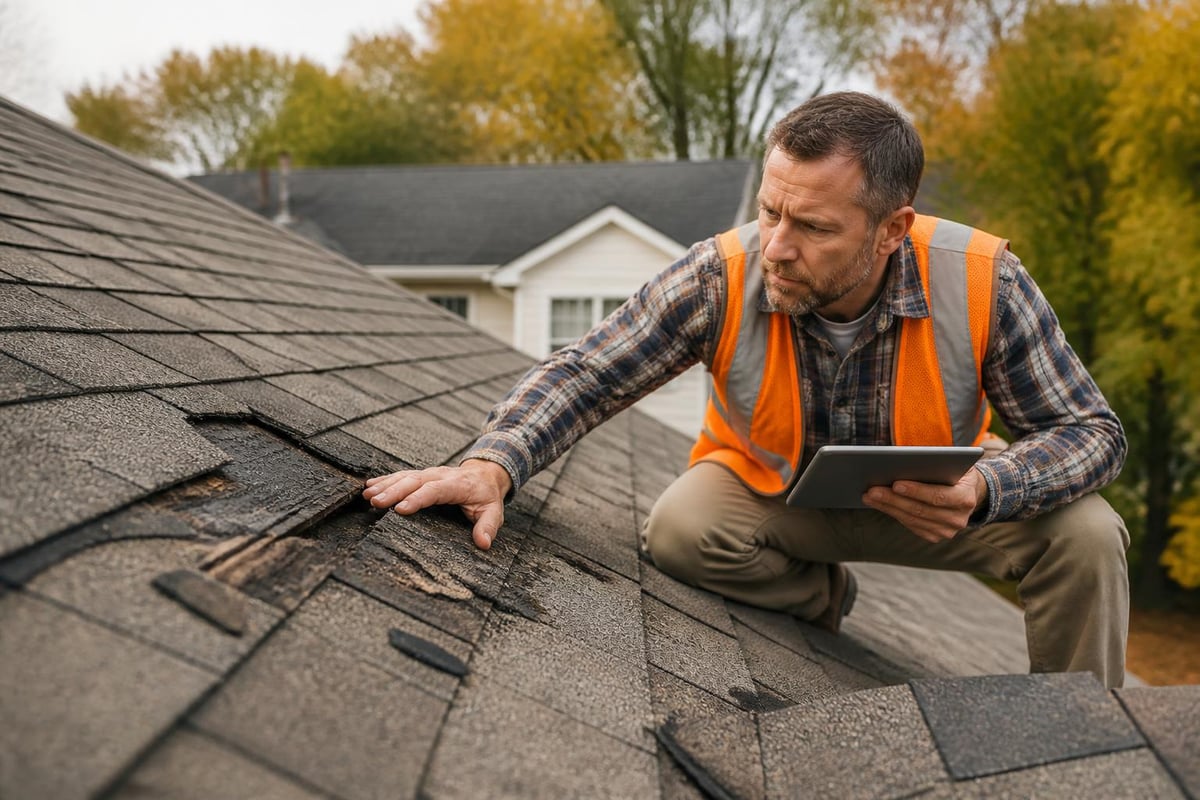
Sometimes pushing for repair over replacement costs more in the long run or creates bigger problems down the road.
Skip repairs when:
- The roof is over 20 years old and showing general wear
- Multiple leaks appear in different areas
- Granule loss is widespread across shingles
- The roof deck shows sagging or structural issues
- Previous repairs have already addressed several areas
- You're planning to sell within two years
A roof with five remaining years of life might not justify major repair investments. Similarly, widespread granule loss signals that shingles have reached the end of their protective capacity, even if they're still attached.
The decision between repair and replacement depends on honest assessment of overall condition, not just the immediate problem you're seeing.
Evaluating Your Roof's True Condition
Before deciding whether you can fix your roof without replacing it, you need accurate information about what's actually happening up there.
Professional Inspection Value
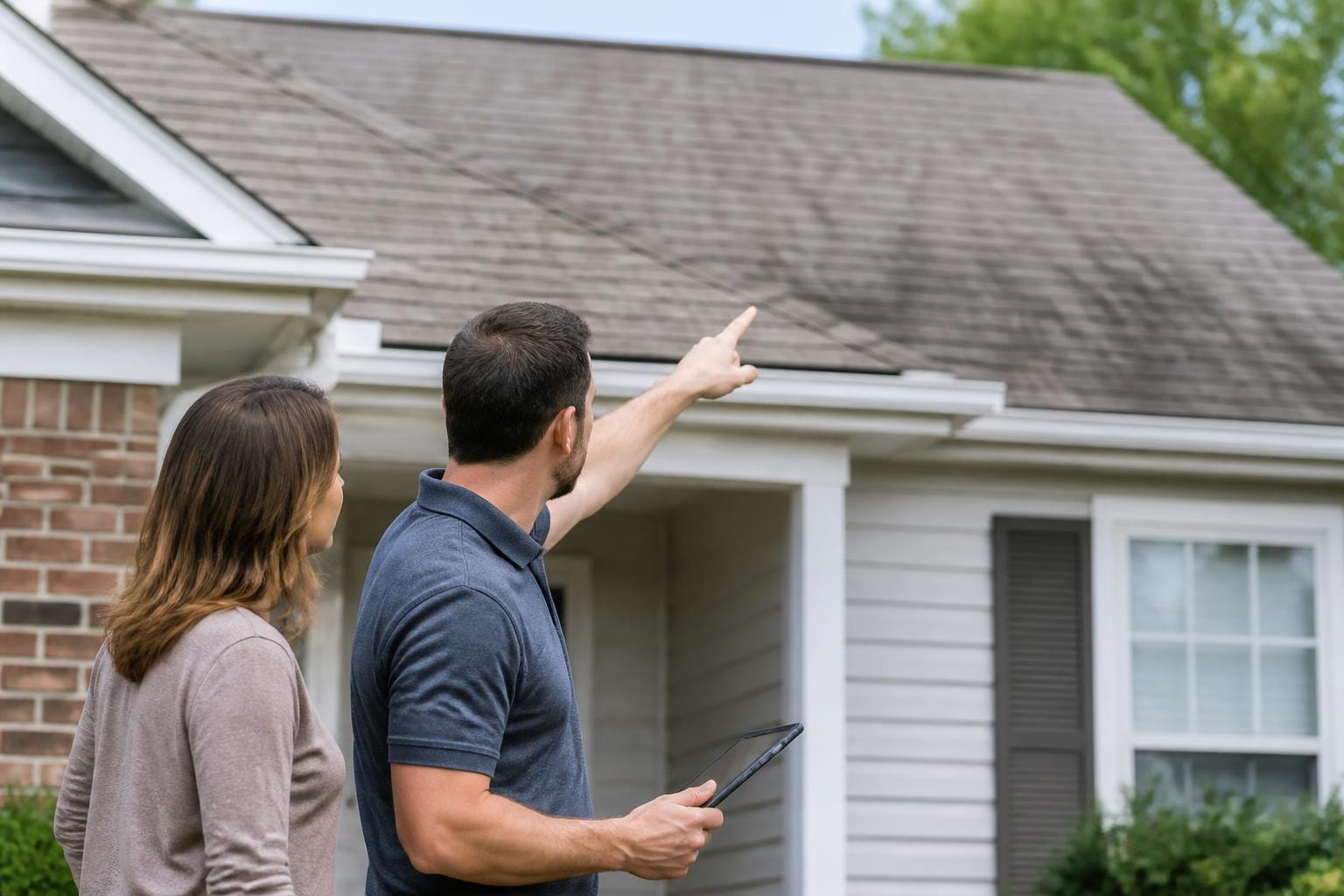
A thorough roof inspection reveals problems you can't see from the ground and identifies issues before they cause interior damage. Inspectors check:
- Shingle condition across all roof planes
- Flashing integrity at all penetrations and transitions
- Ventilation adequacy and soffit condition
- Underlayment visibility at edges and valleys
- Deck condition visible from attic inspection
- Overall drainage and ponding issues
In Eastern North Carolina's coastal environment, inspectors also look for salt air corrosion on metal components and wind damage patterns common to the region. This complete picture tells you whether strategic repairs will actually solve your problems or just delay inevitable replacement.
Age and Material Considerations
Different roofing materials age differently and offer varying repair potential.
| Material Type | Typical Lifespan | Repair Potential | Replacement Trigger |
|---|---|---|---|
| Asphalt shingles | 15-25 years | Good when under 15 years | Widespread granule loss |
| Architectural shingles | 20-30 years | Very good when under 20 years | Curling, brittleness |
| Metal roofing | 30-50 years | Excellent throughout | Panel corrosion |
| Tile roofing | 50+ years | Good for broken tiles | Underlayment failure |
A 10-year-old asphalt roof with storm damage is an easy repair candidate. A 23-year-old roof with the same damage might not be worth the investment.
Cost Realities: Repair vs. Replace
Budget drives many decisions, so understanding actual costs helps you weigh options realistically.
Repair Cost Ranges
Simple repairs run $300 to $1,500 for most homeowners. More extensive work addressing multiple areas or requiring deck repairs can reach $3,000 to $6,000. These numbers assume standard asphalt shingle roofs on average-sized homes.
Typical repair costs:
- Small leak repair: $300-$800
- Flashing replacement: $400-$1,200
- Storm damage (minor): $600-$2,000
- Section replacement: $1,500-$4,000
- Multiple repairs: $2,500-$6,000
Can I fix my roof without replacing it and save money? Usually yes, if repairs address the actual problems and your roof has useful life remaining. Exploring repair feasibility before committing to replacement protects your budget.
Replacement Cost Comparison
Full roof replacement in coastal North Carolina typically runs $6,000 to $15,000 for average homes, depending on size, pitch, material choice, and access difficulty. Complex roofs with multiple valleys, dormers, or steep pitches cost more.
When repair costs approach 40-50% of replacement cost and your roof is already past its midpoint, replacement often makes better financial sense. You get a fresh warranty, eliminate multiple problem areas, and avoid repeat repair visits.
Making the Right Decision for Your Home
The question "can I fix my roof without replacing it" doesn't have a universal answer. It depends on your specific roof, damage type, home plans, and budget reality.
Questions to Ask Your Roofer
Getting clear answers from roofing professionals helps you decide with confidence:
- How much useful life does my roof have left?
- Will this repair solve the problem or just postpone replacement?
- Are there other areas showing early signs of failure?
- How much would replacement cost compared to repair?
- What warranty comes with repair work?
- Are materials available that match my existing roof?
Honest roofers will tell you when replacement makes more sense than repair. They'll also confirm when repair is the smarter move, even if it means a smaller job.
Getting Multiple Opinions
For significant damage or older roofs, getting 2-3 professional opinions helps you see the full picture. Different contractors might spot different issues or have varying approaches to the same problem.
Watch for consistency in their assessments. If two out of three roofers say your roof needs replacement while one offers to patch it cheaply, the majority view probably reflects reality.
Regional Considerations for Coastal North Carolina
Eastern North Carolina's coastal environment creates specific challenges that affect repair decisions.
Salt Air and Wind Impact
Salt air accelerates metal corrosion, affecting flashing, fasteners, and metal valleys more quickly than in inland areas. Wind regularly tests shingle adhesion, especially on exposed homes near the water.
These factors mean coastal roofs often show localized damage that's perfect for repair. A few blown shingles after a storm don't indicate whole-roof failure, just normal exposure to coastal weather.
Storm Damage Patterns
Hurricanes and tropical systems bring intense wind and rain that can damage roofs still in good overall condition. This storm damage is precisely the situation where knowing when repairs work instead of replacement saves homeowners significant money.
Insurance often covers storm damage, making professional documentation and proper repairs especially important. A roof report detailing damage extent helps with claims and guides repair scope.
DIY vs. Professional Repairs
Some homeowners consider handling repairs themselves to save money. While replacing a few shingles might seem straightforward, several factors complicate DIY work.
Professional repairs offer:
- Proper diagnosis of underlying issues
- Warranty protection on labor and materials
- Insurance coverage during work
- Code compliance and permit handling
- Material access and matching capability
- Safety equipment and experience
Falls from roofs cause serious injuries every year. The cost savings from DIY work rarely justify the risk, especially when you factor in tool rental, material minimums, and the learning curve.
When to Call a Professional
Call a roofing professional whenever you're dealing with leaks, structural concerns, or damage you can't easily see or access. Even for seemingly simple repairs, professional assessment ensures you're actually fixing the problem rather than treating symptoms.
For homeowners around Topsail, Surf City, and Wilmington, local roofers understand coastal-specific challenges and can spot problems that general contractors might miss.
Long-Term Planning After Repairs
Successful repairs buy time, but they don't reset your roof's age clock. Planning ahead helps you maximize that investment.
Maintenance Extends Repair Value
After completing repairs, regular maintenance helps protect that investment:
- Annual inspections to catch new problems early
- Gutter cleaning to prevent water backup
- Tree trimming to reduce debris and damage risk
- Prompt attention to any new leaks or issues
- Ventilation monitoring to prevent heat damage
These simple steps extend the life you gained through repair work and help you spot the next problem before it becomes serious.
Budgeting for Eventual Replacement
Even successful repairs mean replacement is coming eventually. Starting a replacement fund after completing repairs removes the stress when that time arrives.
Setting aside $100-200 monthly builds a replacement fund over several years. When your roof finally reaches the end of its life, you'll have options instead of emergency financing.
Understanding whether you can fix your roof without replacing it starts with honest assessment of damage extent, roof age, and your home's specific situation. Most localized problems respond well to targeted repairs that save thousands while solving the actual issue. If you're dealing with roof damage or concerns around Hampstead, Topsail, Surf City, or Wilmington, NC Roofs provides clear roof reports and honest recommendations about whether repair or replacement makes sense for your home. We help coastal homeowners make confident decisions based on what's actually happening with their roof, not pressure or unnecessary upsells.