When you start learning all about roof systems, the topic quickly expands beyond shingles and nails. Your roof protects everything underneath it, influences energy costs, affects home value, and requires thoughtful decisions about materials, maintenance, and timing. For homeowners in coastal North Carolina, where salt air, wind, and storms add extra challenges, understanding your roof becomes even more important. This guide breaks down what every homeowner should know, from basic construction to practical maintenance, so you can make informed decisions without the confusion.
What Makes Up Your Roof System
A roof is more than the surface you see from the street. The complete system includes multiple layers working together.
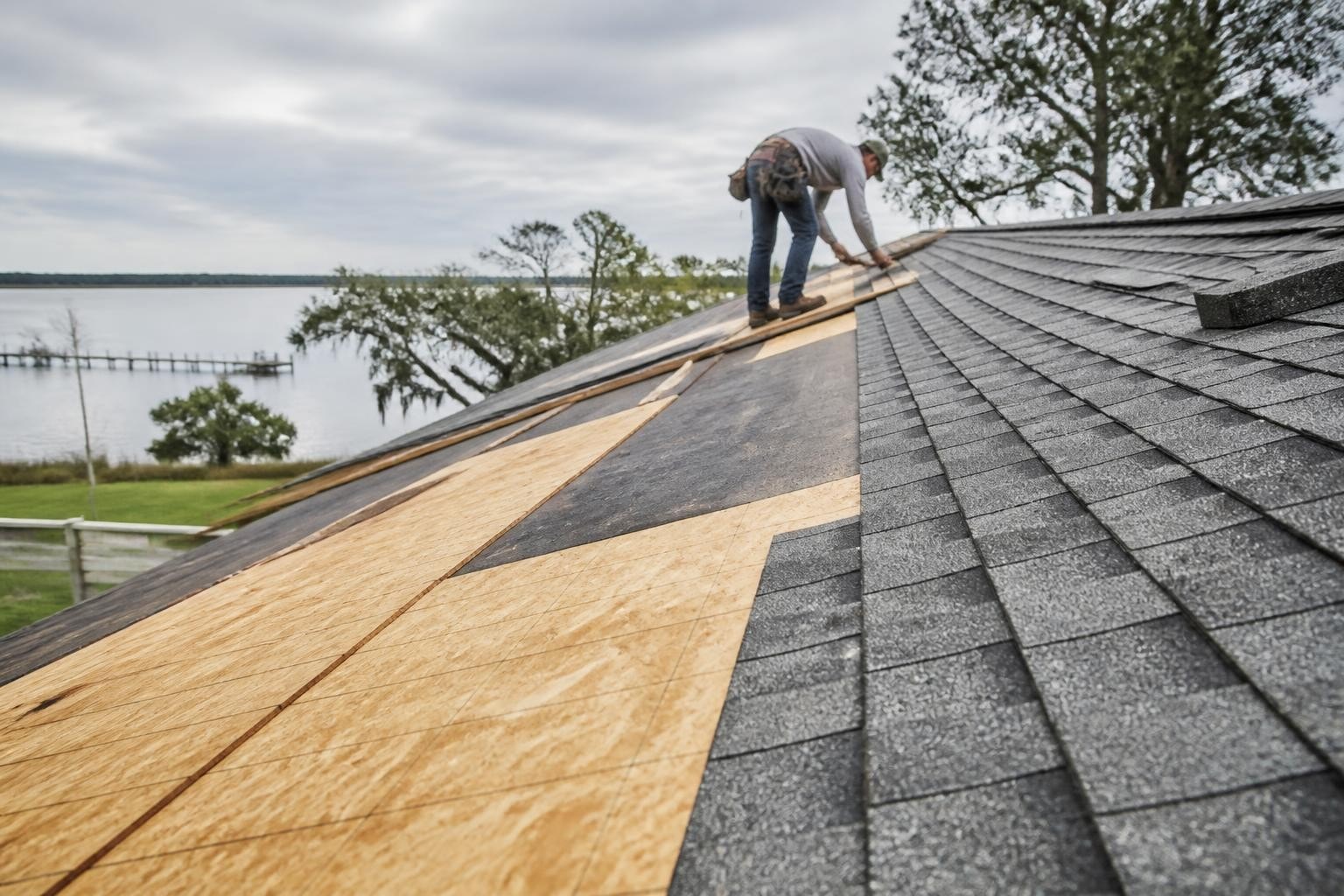
Structural components start with the roof deck, typically plywood or oriented strand board (OSB) attached to your rafters or trusses. This deck provides the foundation for everything above it.
Underlayment sits directly on the deck, creating a waterproof barrier. Modern synthetic underlayment outperforms older felt paper, especially in coastal environments where moisture and heat accelerate wear.
The visible layer includes your chosen roofing material, whether asphalt shingles, metal panels, or tile. This layer takes the direct impact from sun, rain, wind, and debris.
Supporting Elements That Affect Performance
Beyond the basic layers, several components determine how well your roof performs:
- Flashing around chimneys, vents, and valleys directs water away from vulnerable joints
- Ventilation systems regulate attic temperature and moisture levels
- Drip edges guide water into gutters instead of behind fascia boards
- Ridge vents or gable vents allow air circulation that prevents heat buildup
Each element affects the others. Poor ventilation shortens shingle life. Missing flashing creates leak points. Understanding all about roof systems means recognizing how these pieces work together rather than viewing them as separate parts.
Common Roofing Materials and Their Characteristics
Choosing roofing materials involves balancing cost, durability, appearance, and climate suitability. Different roofing materials offer distinct advantages depending on your priorities.
Asphalt Shingles
Three-tab shingles represent the most economical option. They provide 15-20 years of service in moderate climates but may wear faster in coastal areas with intense sun and salt exposure.
Architectural shingles cost more upfront but deliver better wind resistance and typically last 25-30 years. Their dimensional appearance adds visual interest compared to flat three-tab profiles.
| Shingle Type | Average Lifespan | Wind Rating | Cost Range |
|---|---|---|---|
| Three-tab | 15-20 years | 60-70 mph | $ |
| Architectural | 25-30 years | 110-130 mph | $$ |
| Premium/Designer | 30-50 years | 110-130 mph | $$$ |
Metal Roofing
Metal panels offer exceptional durability in coastal environments. They resist salt corrosion when properly coated, reflect heat to reduce cooling costs, and handle high winds better than most shingle options.
Standing seam metal roofing costs significantly more than asphalt but can last 40-70 years with minimal maintenance. For homeowners planning to stay long-term, the math often favors metal despite higher initial investment.
Alternative Materials
Tile and slate provide longevity but require structural support for their weight. These materials work better in areas without regular freeze-thaw cycles, making them less common in North Carolina compared to coastal regions with milder winters.
Understanding costs and benefits helps you evaluate which material fits your home, budget, and timeline. The "best" material depends on your specific situation rather than universal rankings.
How Long Roofs Actually Last
Manufacturer warranties provide one data point, but real-world lifespan depends on installation quality, maintenance, climate, and ventilation. Learning all about roof longevity means looking beyond advertised numbers.
Climate impact matters significantly. Coastal homes face salt air, high humidity, and intense UV exposure. A shingle rated for 30 years in Minnesota might deliver 22-25 years in Wilmington or Surf City.
Installation quality affects performance from day one. Proper nail placement, correct flashing techniques, and adequate ventilation determine whether your roof reaches its expected lifespan or fails prematurely.
Signs Your Roof Is Aging
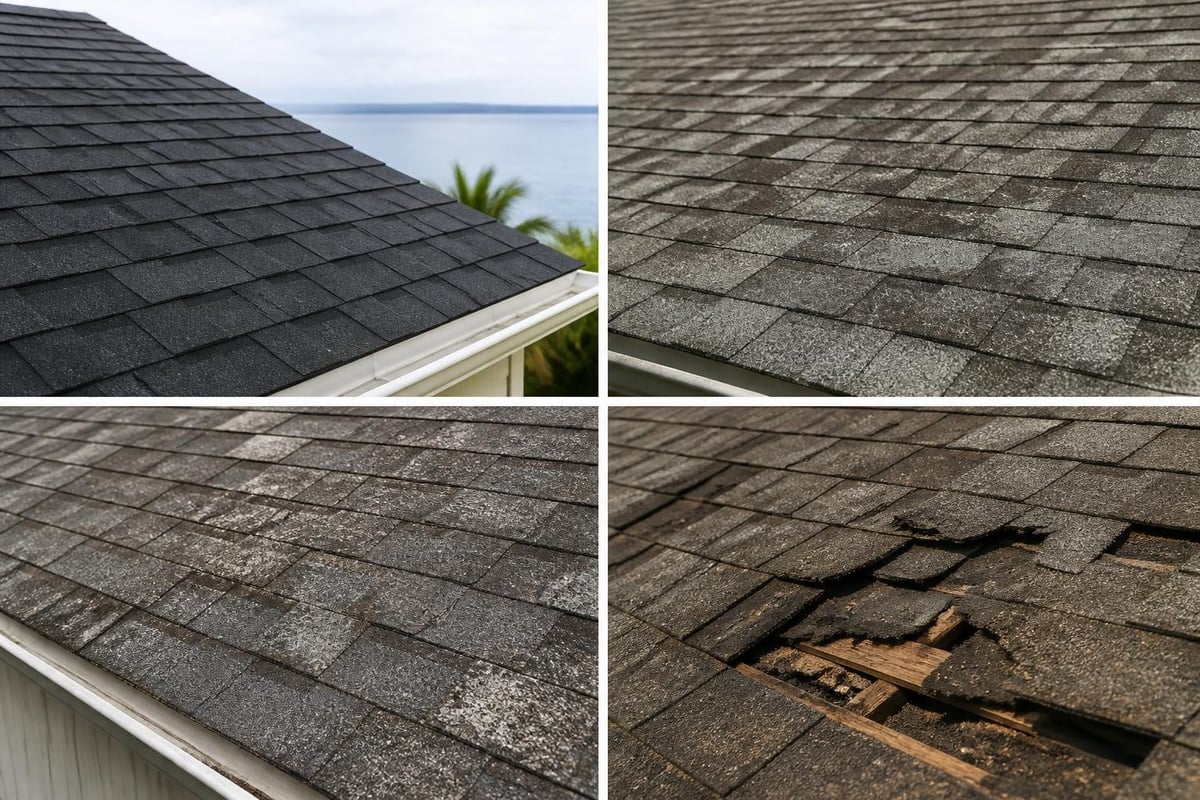
- Granule loss leaving dark patches on asphalt shingles
- Curling or cupping shingle edges
- Missing shingles after moderate storms
- Daylight visible through roof boards from the attic
- Water stains on ceilings or in the attic space
Regular maintenance extends roof life regardless of material. Small repairs prevent minor issues from becoming major failures.
Maintenance That Actually Matters
All about roof care focuses on prevention rather than reactive repairs. A few simple practices keep small problems small.
Twice-Yearly Inspections
Spring and fall inspections catch damage before it spreads. Look for:
- Damaged or missing shingles from wind or falling branches
- Clogged gutters that cause water backup under shingles
- Flashing separation around chimneys and vent pipes
- Moss or algae growth that holds moisture against roofing materials
- Loose or exposed nail heads that create leak points
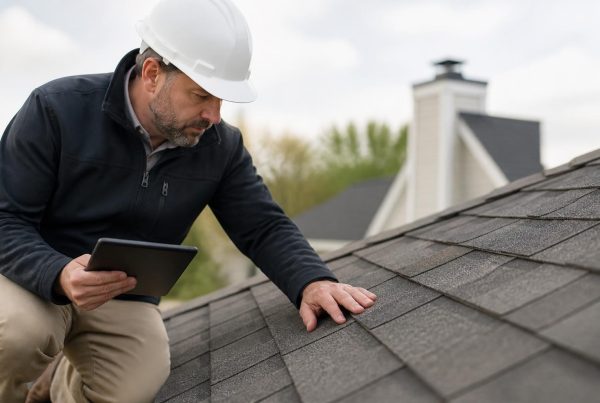
You can handle these inspections yourself from ground level using binoculars, or schedule professional inspections for comprehensive assessment.
Cleaning Without Damage
Cleaning asphalt shingles properly removes organic growth without shortening roof life. Pressure washing damages shingles by removing protective granules. Instead, use gentle cleaning solutions designed for roofing or hire professionals with proper equipment.
After storms, walk your property to check for visible damage. Wind-blown debris, fallen branches, and lifted shingles need prompt attention to prevent water infiltration.
Tree Management
Overhanging branches scrape shingles during wind events and drop leaves that hold moisture. Trim trees back at least six feet from your roof edge. Remove dead branches before they fall during storms.
Understanding Roof Repairs vs. Replacement
One of the most important aspects of learning all about roof decisions involves knowing when repair makes sense versus full replacement. Many homeowners face unnecessary replacement recommendations when targeted repairs would solve the problem.
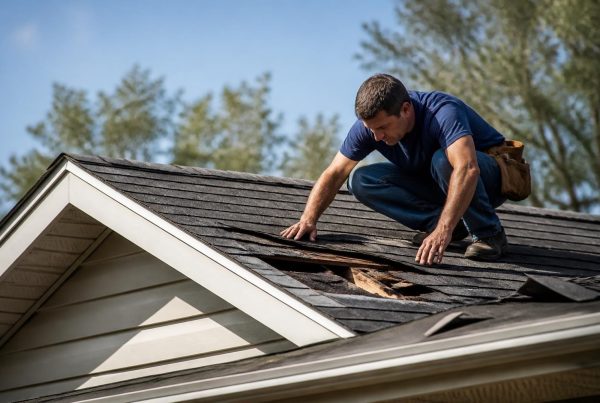
Localized damage from a fallen branch, isolated leak around a vent, or small section of wind-damaged shingles typically qualifies for repair. Roof repair addresses specific problems without the cost of complete replacement.
Widespread wear across most of the roof surface, multiple leak locations, or structural concerns usually indicate replacement timing. The key question: will you face additional repairs within the next few years?
| Situation | Repair | Replace |
|---|---|---|
| Roof under 15 years old | Usually | Rarely |
| Damage covers less than 30% | Usually | Sometimes |
| Multiple leak sources | Sometimes | Usually |
| Structural concerns | No | Yes |
| Roof over 20 years old | Sometimes | Usually |
Budget considerations matter, but short-term savings from delaying necessary replacement often cost more when emergency repairs become necessary. Honest assessment prevents both premature replacement and delayed action.
Storm Damage and Insurance Claims
Coastal North Carolina experiences regular weather events that test roofing systems. Understanding all about roof damage assessment helps homeowners navigate insurance claims effectively.
Common Storm Damage Types
Wind damage appears as lifted shingle tabs, missing shingles, or exposed underlayment. Winds above 60 mph can damage even newer roofs, especially at edges and ridges where uplift forces concentrate.
Hail impact creates circular bruises or cracks in shingles. Hail larger than one inch diameter typically causes damage visible to trained inspectors even when homeowners don't notice it initially.
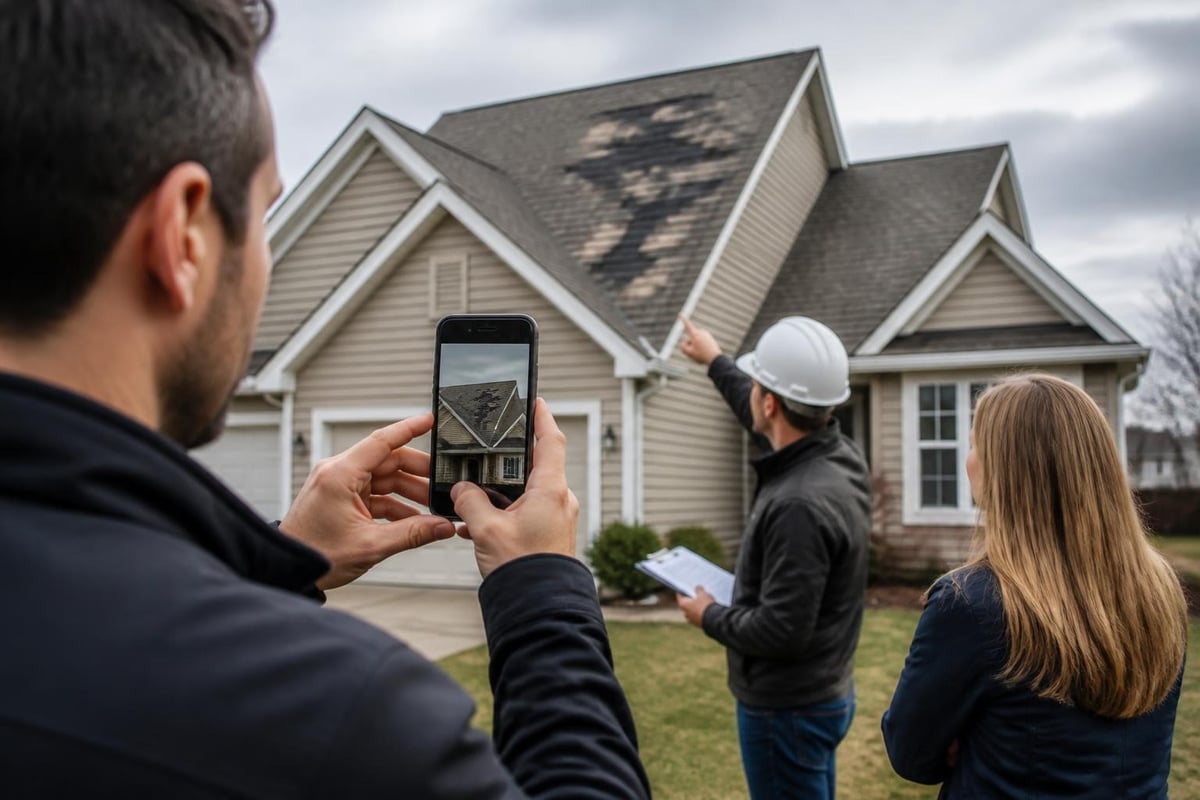
Debris impact from fallen branches or wind-blown objects creates obvious damage. Document this damage with photos before removing debris.
Documentation Steps
- Photograph damage from multiple angles before making temporary repairs
- Note the storm date and weather conditions for insurance records
- Call your insurance company within a few days of discovering damage
- Get professional assessment with detailed damage documentation
- Review your policy to understand coverage, deductibles, and claim processes
Insurance adjusters look for storm-pattern damage rather than wear-and-tear issues. Professional roof reports provide detailed evidence supporting legitimate claims while avoiding inflated estimates that raise red flags.
Ventilation and Energy Efficiency
Proper attic ventilation affects roof lifespan, energy costs, and interior comfort. All about roof performance includes understanding how air movement protects your investment.
Heat buildup in poorly ventilated attics reaches 150-160°F during summer. This extreme temperature accelerates shingle aging, warps decking, and increases cooling costs as heat radiates downward into living spaces.
Moisture accumulation without adequate ventilation leads to mold growth, wood rot, and insulation damage. Coastal humidity makes ventilation even more critical than in drier climates.
Balanced Ventilation Systems
Effective ventilation requires intake (soffit vents) and exhaust (ridge or gable vents) working together. Intake alone or exhaust alone creates imbalanced air movement that reduces effectiveness.
Ridge vents running along the roof peak provide continuous exhaust when paired with soffit vents along the eaves. This combination uses natural convection to move hot air out and draw cooler air in.
Powered attic fans add mechanical exhaust but cost more to install and operate. They work best when passive ventilation proves insufficient due to roof design constraints.
Choosing the Right Contractor
Finding reliable roofing contractors involves more than comparing quotes. Understanding all about roof contractor selection protects you from poor workmanship and inflated pricing.
What to Verify
- Active local business with physical address and established presence
- Proper licensing required by North Carolina for roofing work
- Current insurance including liability and workers compensation
- Manufacturer certifications for installing specific roofing products
- References from recent projects similar to yours
Red flags include pressure tactics, requests for full payment upfront, significantly lower bids than competitors, and reluctance to provide documentation.
Getting Accurate Estimates
Quality estimates include:
- Detailed scope of work describing materials and methods
- Specific product names and warranty information
- Timeline for completion
- Payment schedule tied to completion milestones
- Cleanup and disposal responsibilities
Comparing three estimates helps identify fair market pricing. The lowest bid often cuts corners somewhere. The highest bid doesn't guarantee better quality. Look for detailed explanations of what you're paying for.
Regional Considerations for Coastal North Carolina
Roofs in Hampstead, Topsail, Surf City, and Wilmington face unique challenges compared to inland or northern locations. Salt air, hurricane-force winds, and high humidity require specific considerations.
Wind ratings matter more in coastal zones. Impact-resistant shingles rated for 110+ mph winds cost slightly more but perform better during tropical storms and hurricanes. Building codes in some coastal areas require higher wind ratings.
Salt corrosion affects metal components including flashing, fasteners, and metal roofing panels. Galvanized or stainless steel materials resist corrosion better than standard metals.
Algae and moss growth happens faster in humid coastal climates. Algae-resistant shingles with copper or zinc granules slow this growth, reducing maintenance frequency.
Hurricane Preparedness
Before hurricane season, inspect your roof for loose shingles or flashing that could fail during high winds. Secure or remove loose objects from your property that could become wind-blown projectiles.
After hurricanes pass, check for damage before the next rain event. Temporary tarps prevent water damage while you arrange permanent repairs.
Color, Style, and Curb Appeal
While function drives most roofing decisions, appearance matters for home value and personal satisfaction. Learning all about roof aesthetics helps balance practical requirements with visual preferences.
Shingle colors affect heat absorption. Lighter colors reflect more sunlight and reduce cooling costs. Darker colors absorb heat but may better complement certain architectural styles.
Architectural styles suggest appropriate roofing choices. Coastal cottage homes suit lighter colors and simpler profiles. Traditional homes often look better with dimensional shingles that add depth and shadow lines.
Neighborhood consistency influences home value. Drastically different roofing choices can make homes stand out negatively when most neighbors use similar materials and colors.
Matching Existing Elements
Consider your home's:
- Exterior siding color and material
- Trim and shutter colors
- Brick or stone accent colors
- Overall architectural period and style
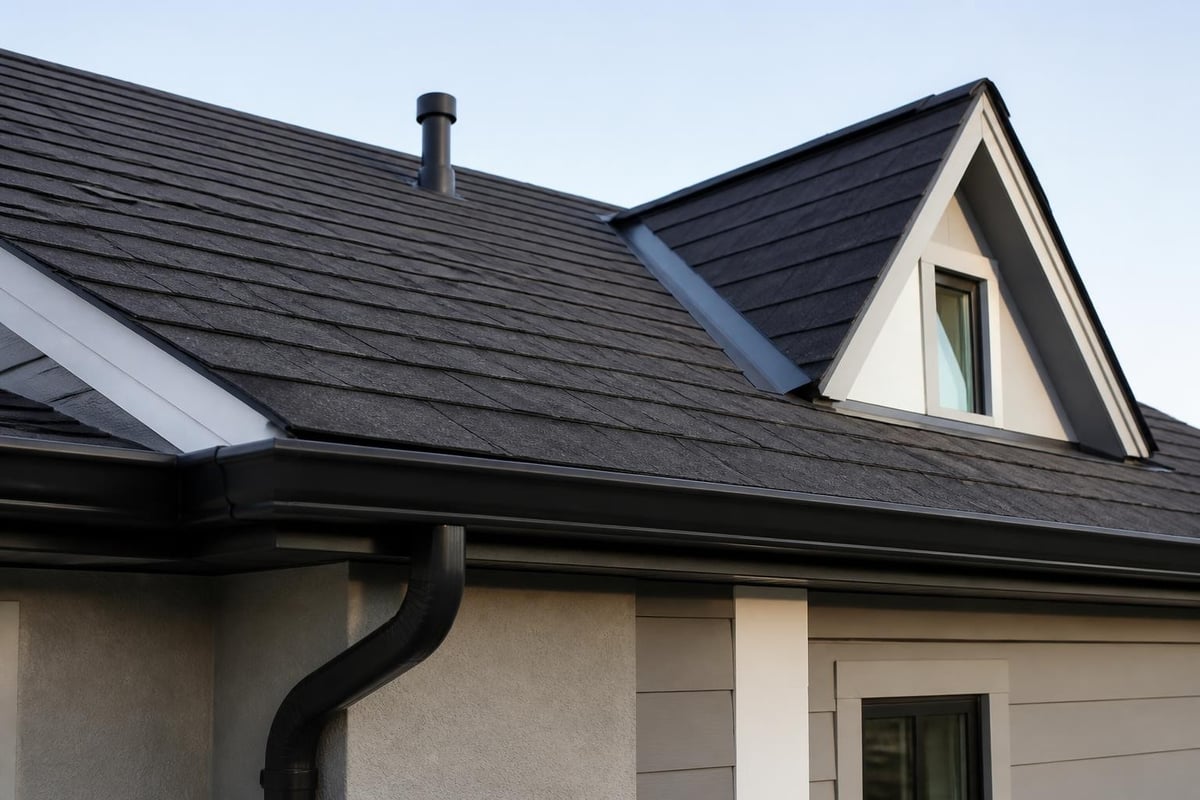
Different roofing types offer varying aesthetic options. Metal roofing creates clean, modern lines. Architectural shingles provide traditional texture. The best choice complements your home's existing character.
Roof Safety and DIY Limits
Some roof maintenance tasks suit DIY handling, but many require professional expertise and safety equipment. Understanding all about roof safety prevents injuries and costly mistakes.
Ground-level tasks like gutter cleaning, visual inspections with binoculars, and minor yard work to remove debris present manageable risk for most homeowners.
Roof surface work involves fall risk, especially on steeper pitches. Professional roofers use harness systems, proper footwear, and experience working on angled surfaces.
When to Call Professionals
- Any repair requiring shingle removal or replacement
- Flashing work around chimneys or valleys
- Structural concerns with decking or framing
- Work on roofs steeper than 6/12 pitch
- Situations requiring roof access in wet or windy conditions
The cost of professional service includes expertise, proper materials, safety equipment, and warranty protection. DIY savings rarely justify the risk for actual repair work.
Planning for Roof Replacement
Whether your roof approaches the end of its service life or sustained major damage, planning replacement carefully ensures good results. Knowing when replacement makes sense prevents both premature spending and delayed action.
Timing considerations include:
- Seasonal weather patterns that affect installation conditions
- Project scheduling during contractor busy seasons versus slower periods
- Budget planning to avoid rushed decisions under emergency pressure
- Home sale timing if replacement affects listing value
Material selection balances initial cost against lifespan and maintenance requirements. A 50-year metal roof costs significantly more than 25-year shingles, but the annual cost over the roof's life may actually be lower.
Getting Multiple Opinions
Before committing to replacement, get at least three professional assessments. Some contractors push replacement when repairs would suffice. Others recommend delaying replacement beyond prudent timing. Multiple perspectives reveal the actual condition and appropriate action.
Working with Insurance After Damage
Insurance claims for roof damage require documentation, patience, and understanding of coverage terms. All about roof claims means knowing what to expect and how to protect your interests.
Policy coverage varies significantly. Some policies cover full replacement cost. Others pay actual cash value minus depreciation. Review your specific policy before filing claims.
Deductibles apply to most claims. If damage costs less than your deductible plus a reasonable buffer, filing a claim may not make financial sense and could affect future premiums.
Claim Process Timeline
Typical claims follow this pattern:
- Homeowner reports damage (immediately after discovery)
- Insurance company assigns adjuster (within days)
- Adjuster inspects damage (within 1-2 weeks)
- Insurance company issues decision (1-3 weeks after inspection)
- Homeowner selects contractor and schedules work (after approval)
- Work completion and final payment (according to project timeline)
Disputes happen when adjusters and contractors disagree about damage scope or repair costs. Professional roof reports with detailed documentation help resolve these situations fairly.
Budget Planning and Financing Options
Understanding all about roof costs helps homeowners plan financially and avoid surprise expenses.
Repair costs vary based on damage extent, accessibility, and materials needed. Simple shingle replacement might cost a few hundred dollars. Extensive flashing work or multiple leak repairs run higher.
Replacement costs depend on:
- Roof size and complexity
- Material choice
- Removal and disposal of existing materials
- Structural repairs if decking needs replacement
- Permit and inspection fees
| Project Type | Typical Range | Factors Affecting Cost |
|---|---|---|
| Minor repair | $300-$1,000 | Location, materials |
| Major repair | $1,000-$3,500 | Extent, accessibility |
| Full replacement | $8,000-$25,000+ | Size, material, complexity |
Financing options include home equity loans, personal loans, contractor financing programs, and sometimes insurance proceeds for covered damage. Compare terms carefully, as interest rates and fees vary significantly.
Understanding all about roof systems, materials, maintenance, and decision-making helps homeowners protect their investment and avoid costly mistakes. Whether you need minor repairs or full replacement, the right approach starts with honest assessment of actual conditions rather than pressure or guesswork. If you're facing roof concerns in Hampstead, Topsail, Surf City, Wilmington, or surrounding areas, NC Roofs provides clear explanations and fair recommendations to help you make the right choice for your home and budget.