Understanding roofing and repair starts with knowing your home's most important protection system. Your roof faces constant exposure to sun, wind, rain, and everything nature delivers. Over time, wear happens naturally, but unexpected events can accelerate damage. The challenge for most homeowners isn't whether their roof will eventually need attention, it's knowing when that moment arrives and what type of work makes the most sense. This guide walks through the fundamentals of roofing and repair so you can make informed decisions based on your home's actual condition rather than sales pressure or guesswork.
Signs Your Roof Needs Attention
Most roofing issues announce themselves gradually before becoming urgent problems. Recognizing early warning signs saves money and prevents secondary damage to your home's interior.
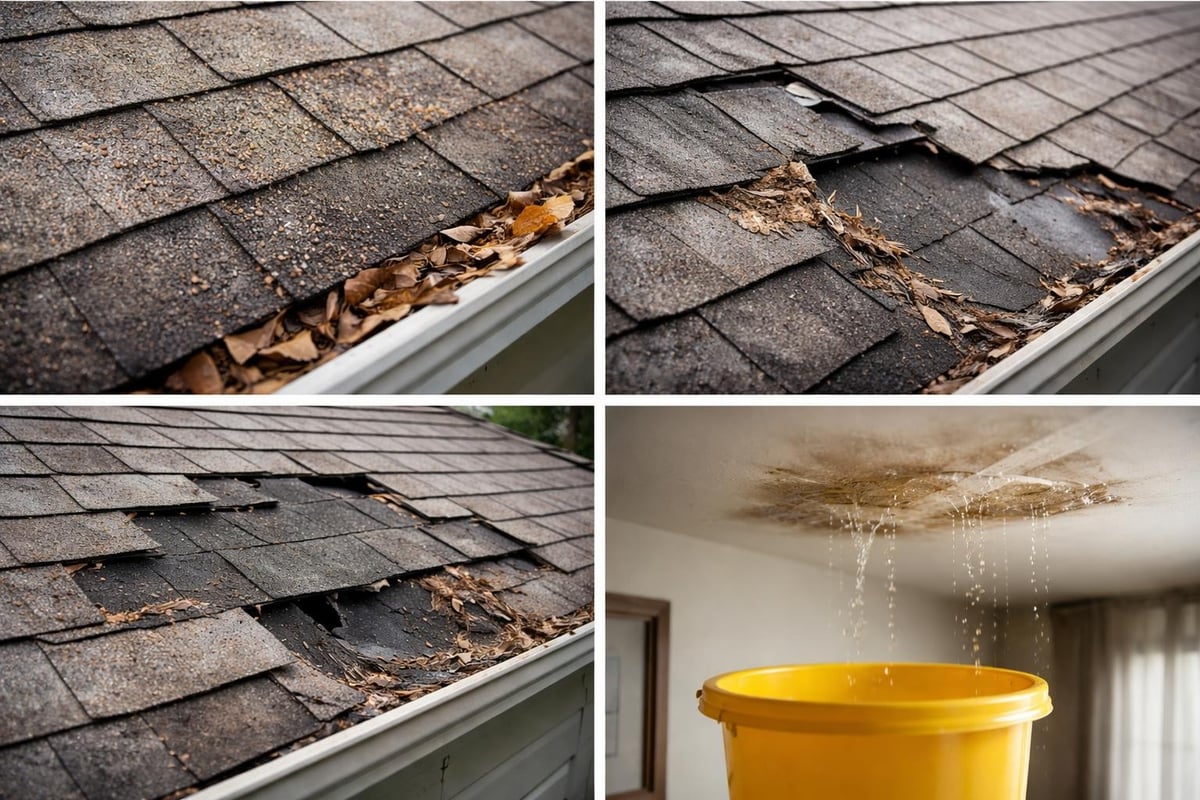
Missing or damaged shingles stand out as the most visible indicator. After storms, walk around your property and look for shingles in the yard or hanging loose from the roofline. Wind can lift shingle edges, and age makes them brittle enough to crack or break.
Water stains on ceilings or walls signal active leaks. Even small discoloration means water is penetrating somewhere. The leak location on your ceiling often differs from where water enters the roof, since water travels along rafters before dripping down.
Interior Warning Signs
Look up in your attic on a sunny day. Light coming through the roof deck means holes exist. Check for water stains on rafters or insulation. Dampness or mold growth indicates chronic moisture problems.
Sagging areas in your roofline suggest structural concerns beyond simple shingle replacement. This requires immediate professional assessment, as it might indicate damaged decking or compromised support.
Exterior Red Flags
- Curled, cupped, or clawed shingles losing their flat profile
- Granule accumulation in gutters (looks like coarse sand)
- Exposed or loose nails
- Damaged or missing flashing around chimneys, vents, and valleys
- Dark streaks or moss growth indicating moisture retention
Your roof's age matters too. Asphalt shingles typically last 20-30 years depending on quality and climate. If your roof approaches this range while showing multiple symptoms, replacement might make more financial sense than repeated repairs.
Types of Roofing Repairs
Not all roof problems require the same solution. Understanding repair categories helps you evaluate quotes and recommendations from contractors.
Shingle Replacement
Localized shingle damage represents the most straightforward repair. Wind, fallen branches, or installation defects might affect specific sections while the rest of the roof remains sound. Contractors remove damaged shingles and install new ones matching your existing roof.
This repair works best when:
- Damage covers less than 20% of the roof
- Surrounding shingles remain in good condition
- Replacement shingles match reasonably well
- The roof is under 15 years old
Leak Repairs
Leak repairs involve finding the entry point (which takes detective work), then sealing it properly. Common leak sources include:
| Leak Source | Typical Cause | Repair Approach |
|---|---|---|
| Flashing | Separation, rust, or improper installation | Replace or reseal flashing |
| Valleys | Debris buildup or worn shingles | Clean and replace valley materials |
| Vents/Pipes | Cracked boots or loose seals | Replace rubber boots and reseal |
| Skylights | Failed seals or flashing issues | Reseal or replace flashing system |
The National Roofing Contractors Association provides detailed guidance on proper repair techniques for asphalt shingle systems, which can help you understand what quality work looks like.
Storm Damage Repairs
Storm damage often combines multiple issues: missing shingles, dented flashing, punctures from debris, and compromised seals. Insurance typically covers sudden storm damage but not gradual deterioration.
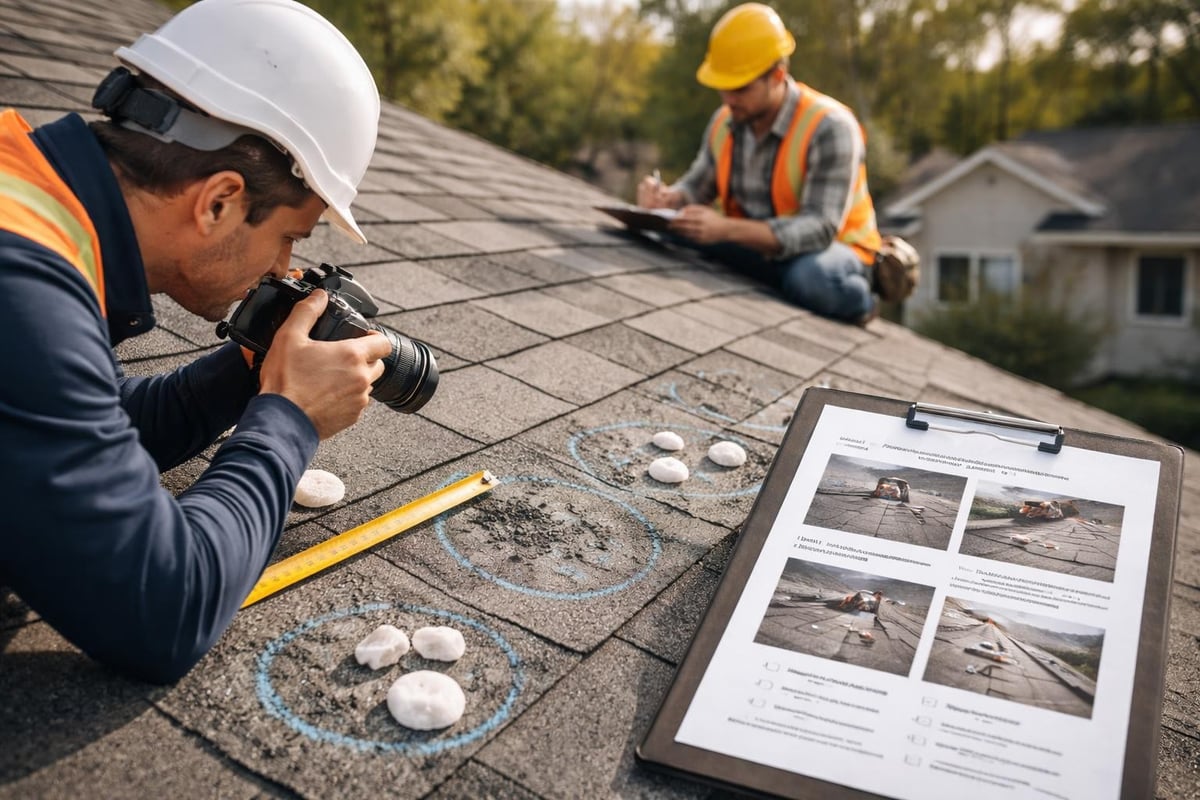
After severe weather, document everything with photos before tarps or temporary repairs. Your insurance adjuster needs clear evidence of what the storm caused versus pre-existing wear.
When Repair Makes Sense vs. Replacement
This decision comes down to math, timing, and practicality. Neither choice is automatically right, it depends on your specific situation.
Repair is Usually the Better Choice When:
The damage is isolated and recent. A small leak from one area or damage to a limited section typically costs far less to repair than replace. If the rest of your roof has years of serviceable life, repair preserves that value.
Your roof is relatively young (under 10-12 years old). Modern shingles should provide two decades of protection. Repairing a newer roof gets you back to full protection without the major expense of replacement.
Budget constraints exist. Repairs range from a few hundred to a few thousand dollars. Full replacement costs typically start at $8,000-$12,000 for an average home in Eastern North Carolina. If finances are tight and repairs genuinely solve the problem, they bridge you to a better financial position for eventual replacement.
At NC Roofs, we start with a roof report before any work begins, so homeowners understand their options based on actual conditions rather than sales targets.
Replacement Makes More Sense When:
Multiple areas show problems. When issues pop up in three, four, or five different sections, you're chasing symptoms of overall aging. Repair costs start approaching replacement costs, but you're still left with an aging roof.
The roof has reached 70-80% of its expected lifespan and shows wear. A 17-year-old roof with damage might only provide another 3-5 years even with repairs. Replacement gives you 20-30 fresh years.
You're planning to sell within 2-3 years. New roofs significantly impact home value and buyer perception. Buyers often request roof replacements during negotiations when the existing roof shows age or damage.
Understanding Repair Costs in 2026
Roofing and repair costs vary based on problem complexity, materials, roof accessibility, and local market rates. Eastern North Carolina pricing tends to run below national averages but has increased since 2024 due to material costs and demand.
Typical Repair Price Ranges
- Minor shingle replacement (10-20 shingles): $350-$750
- Moderate repairs (flashing, small leak, localized damage): $750-$2,000
- Significant repairs (multiple areas, structural work, extensive damage): $2,000-$5,000
- Emergency leak repairs with temporary waterproofing: $400-$1,200
These ranges assume standard asphalt shingle roofs on homes with normal pitch and accessibility. Steep roofs, multi-story homes, or specialty materials cost more due to safety equipment and labor complexity.
What Affects Your Specific Cost
- Labor intensity: Repairs on steep or high roofs require additional safety equipment and time
- Material matching: Discontinued shingle lines might need special ordering or creative solutions
- Underlying damage: What looks like simple shingle replacement might reveal rotted decking once the old shingles come off
- Permit requirements: Some municipalities require permits even for repairs, adding administrative costs
Quality contractors provide written estimates explaining what work they'll perform, what materials they'll use, and what their pricing includes. Vague estimates or pressure to decide immediately should raise concerns.
The Repair Process: What to Expect
Understanding the typical roofing and repair workflow helps you work effectively with contractors and know what questions to ask.
Initial Assessment
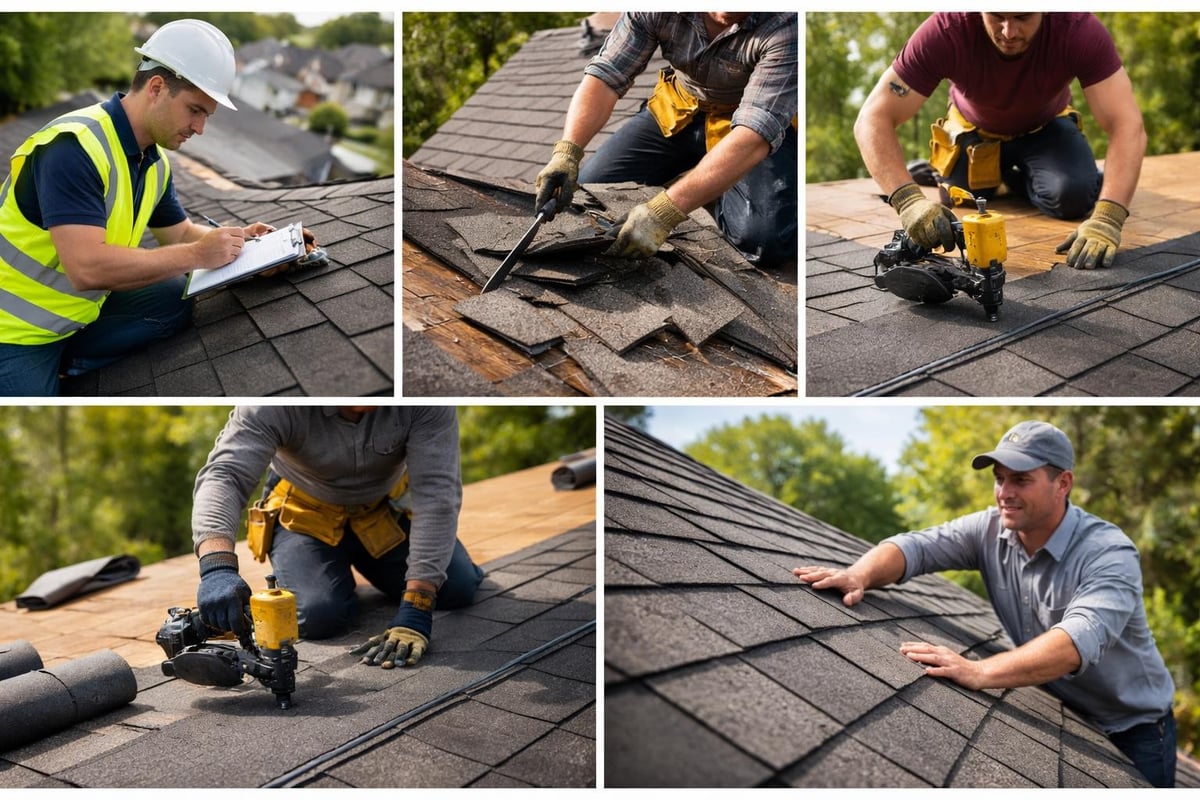
A thorough inspection covers your entire roof, not just the obvious problem area. Problems in one section often indicate issues elsewhere. Professional inspectors check:
- All shingle conditions and attachment quality
- Flashing integrity at transitions and penetrations
- Ventilation adequacy (poor ventilation accelerates roof aging)
- Structural soundness of decking and supports
- Gutter function and drainage patterns
This inspection should result in a clear report, ideally with photos, showing what's wrong and why specific repairs are recommended. The Asphalt Roofing Manufacturers Association notes that asphalt shingle roofs are inherently repairable when properly assessed.
Estimate and Decision
You receive a written proposal detailing recommended repairs, costs, timeline, and materials. Quality contractors explain their reasoning and answer questions without pressure.
Compare estimates on scope, not just price. A lower quote might skip necessary work or use substandard materials. Higher quotes sometimes include value like better warranties or more thorough preparation.
The Actual Repair Work
Timeline depends on repair extent. Simple jobs might take 3-4 hours. Complex repairs can span 2-3 days.
- Preparation: Contractors protect landscaping, set up equipment, and stage materials
- Removal: Damaged materials come off carefully to avoid expanding the work area
- Inspection: Once the surface is removed, underlying layers get checked for hidden damage
- Installation: New materials go in following manufacturer specifications and building codes
- Cleanup: Professional crews remove all debris and check the property for dropped nails
Weather impacts scheduling. Roofing requires dry conditions for proper sealing and adhesive activation. Spring and fall typically offer the most predictable weather windows in North Carolina.
Preventive Maintenance to Extend Roof Life
Regular maintenance catches small problems before they become expensive repairs. Homeowners can handle some tasks; others need professional attention.
Annual Inspection Checklist
Spring inspection (after winter weather):
- Check for lifted or damaged shingles from winter storms
- Clear debris from valleys and gutters
- Inspect flashing around chimneys and vents
- Look for ice dam damage (less common in NC but possible)
Fall inspection (before winter):
- Remove leaves and organic debris that retain moisture
- Verify all flashing remains sealed
- Check attic ventilation is functioning
- Trim overhanging branches that could drop debris
Maintenance Tasks That Protect Your Investment
Clean gutters at least twice yearly. Clogged gutters cause water to back up under shingles, leading to rot and leaks. Water should flow freely through downspouts and away from your foundation.
Remove moss and algae growth promptly. While mostly cosmetic in early stages, these organisms retain moisture against shingles and accelerate deterioration. Zinc or copper strips installed near the ridge prevent growth.
Address tree issues proactively. Branches scraping your roof during wind wear away protective granules. Falling limbs can puncture shingles or damage flashing. Keep trees trimmed back at least 10 feet from your roofline.
Working with Insurance for Roofing Repairs
Insurance coverage for roofing and repair depends on your policy and damage cause. Understanding the process helps you navigate claims successfully.
What Insurance Typically Covers
Sudden, accidental damage usually gets covered. Storm damage, falling trees, fire, and vandalism fall under standard homeowners policies. Your deductible applies before insurance pays.
Gradual wear and maintenance issues don't get coverage. If your roof is simply old or wasn't maintained, that's considered a homeowner responsibility. Insurance doesn't cover replacement due to age alone.
Partial coverage based on age applies in many policies. If your 20-year-old roof gets damaged, some policies only pay depreciated value, not full replacement cost. Check your policy for "Actual Cash Value" vs. "Replacement Cost" coverage.
Filing a Successful Claim
- Document immediately: Take clear photos from multiple angles before any temporary repairs
- Review your policy: Understand your deductible, coverage limits, and any roof-specific clauses
- Get professional assessment: Contractor documentation supports your claim, especially for less obvious damage like hail impacts
- File promptly: Most policies require notification within specific timeframes after damage occurs
- Work with adjusters: Be present during their inspection and point out all damage areas
The International Roof Certification and Inspection Association explains how independent roof experts can provide unbiased documentation supporting legitimate insurance claims. This helps when adjusters initially deny claims or underestimate damage.
Material Considerations for Repairs
Matching existing materials ensures repairs blend properly and perform as expected. Material science has evolved, so older roofs sometimes present challenges.
Asphalt Shingle Matching
Color variation happens even with the same product line. Shingles on your roof have weathered for years, while new shingles look fresh. This difference fades over 6-12 months as new materials weather.
Discontinued products require creative solutions. Manufacturers regularly update their lines. If your exact shingle isn't available, contractors source the closest match or suggest strategic placement where differences are less visible.
Three-tab vs. architectural shingles shouldn't be mixed. These different styles have distinct profiles and thicknesses. Mixing them creates obvious visual breaks and potential performance issues.
Underlayment and Decking Updates
Modern building codes require better underlayment than what might exist on older roofs. During repairs, contractors often upgrade to synthetic underlayment in repair areas, which exceeds old felt paper performance.
Rotten or damaged decking must be replaced before new shingles go down. Soft spots, holes, or water-damaged areas compromise the entire roof system. This adds cost but isn't optional for proper repairs.
Common Roofing and Repair Mistakes to Avoid
Learning from others' errors saves money and frustration. These mistakes happen frequently but are completely avoidable.
Hiring Based Solely on Price
The lowest bid often means cut corners, inferior materials, or inexperienced crews. Roofing requires skill and proper technique. Poor repairs cost more when you need them redone correctly.
Look for contractors who:
- Carry proper licensing and insurance
- Provide detailed written estimates
- Offer references from recent local jobs
- Explain their process and answer questions clearly
- Don't pressure for immediate decisions
Ignoring Small Problems
That tiny leak seems manageable until water damage spreads through your ceiling, insulation, and walls. A $600 repair becomes $3,000 once interior damage gets factored in.
Small issues rarely improve on their own. They expand slowly until becoming urgent problems at the worst possible time.
DIY Repairs Without Proper Knowledge
Roofing looks simpler than it is. Improper repairs void warranties, create new leak points, and can be dangerous. Walking on roofs requires proper safety equipment and technique.
Leave repairs to professionals unless you have genuine roofing experience. The NRCA’s comprehensive repair guidance shows just how detailed proper repair techniques need to be.
Skipping Permits When Required
Some municipalities require permits for roof work. Skipping permits seems like saving time and money until you face:
- Code enforcement fines
- Difficulty selling your home
- Insurance claim denials
- Liability if work doesn't meet code
Check local requirements before any work begins. Reputable contractors handle permit applications as part of their service.
Regional Considerations for Eastern North Carolina
Eastern North Carolina's climate and weather patterns create specific roofing challenges that affect both damage patterns and repair timing.
Hurricane and Wind Damage
Coastal and near-coastal areas face regular hurricane threats. High winds lift shingles, blow off ridge caps, and drive rain under normally protected areas.
Wind resistance ratings matter here. Look for shingles rated for 130+ mph winds. Proper installation techniques, including correct nailing patterns and adequate adhesive, determine whether your roof withstands the next storm.
Hurricane season timing (June through November) affects repair scheduling. Contractors stay busiest after storms, with wait times extending to weeks or months. Getting repairs done during calm periods ensures availability when you need it.
Heat and Humidity Effects
Summer heat accelerates shingle aging through UV exposure and thermal cycling. Humidity promotes algae and moss growth, especially on north-facing slopes with limited sun exposure.
Adequate attic ventilation becomes critical in hot, humid climates. Poor ventilation traps heat against roof decking, cooking shingles from below while sun bakes them from above. This dramatically shortens roof life.
Seasonal Repair Timing
| Season | Advantages | Disadvantages |
|---|---|---|
| Spring | Moderate temperatures, good adhesive curing | Unpredictable rain, high contractor demand |
| Summer | Best adhesive activation, longest daylight | Extreme heat, afternoon thunderstorms |
| Fall | Comfortable working conditions, moderate demand | Shortened days, hurricane season overlap |
| Winter | Lower contractor demand, better pricing | Cold affects adhesive, limited working hours |
Fall and spring generally offer the best balance for planned repairs in Eastern North Carolina. Emergency repairs obviously happen whenever damage occurs, regardless of season.
Questions to Ask Before Hiring a Contractor
The right questions reveal contractor quality and help you avoid problematic situations. Don't feel awkward asking – legitimate contractors expect informed homeowners to ask detailed questions.
Verification Questions
- How long have you been in business under your current company name?
- Can you provide your license number and insurance certificate?
- Do you have workers' compensation insurance for your crew?
- Can you provide three recent references from jobs similar to mine?
Process Questions
- What exactly does your estimate include and exclude?
- How do you handle unexpected damage discovered during repairs?
- What warranties cover your workmanship and materials?
- Who will actually perform the work (employees vs. subcontractors)?
- How do you protect my property during the work?
Technical Questions
- What materials do you recommend and why?
- How will you match my existing shingles?
- Do you follow manufacturer installation specifications?
- What permits are required and who pulls them?
- How do you handle ventilation and underlayment in repair areas?
Contractors who answer clearly and patiently demonstrate professionalism. Those who dodge questions or provide vague answers raise red flags.
Understanding Roof Reports and Inspections
Professional roof reports document current conditions and guide repair decisions. These reports serve multiple purposes beyond immediate repair planning.
What Complete Reports Include
Condition assessment of all roof components: shingles, flashing, valleys, penetrations, gutters, and ventilation. Photos document issues and overall condition.
Damage documentation specifies what's wrong, where it's located, and likely causes. This detail supports insurance claims and helps you understand recommendations.
Repair vs. replacement analysis explains whether repair makes sense given the roof's overall condition and remaining lifespan. Good reports present options, not ultimatums.
Cost estimates for recommended work, broken down by repair area or category. This transparency helps you budget and compare proposals.
Using Reports for Decision Making
Reports empower informed decisions. You can see exactly what professionals see rather than relying on verbal descriptions. This clarity helps you:
- Evaluate whether proposed repairs address actual problems
- Compare different contractors' assessments and identify discrepancies
- Plan for future needs based on overall roof condition
- Support insurance claims with professional documentation
For homeowners exploring options, NC Roofs provides detailed blog resources covering various roofing topics to help with the decision-making process.
The Future of Roofing Materials and Repair
Roofing technology continues evolving, offering better performance and easier repairs. Understanding emerging trends helps with long-term planning.
Advanced Shingle Technologies
Impact-resistant shingles with UL 2218 Class 4 ratings resist hail damage better than standard products. Some insurance companies offer premium discounts for these materials, offsetting their higher upfront cost.
Cool roof shingles with reflective granules reduce heat absorption, lowering cooling costs in hot climates. These shingles maintain lower surface temperatures than traditional dark shingles.
Longer warranties now extend to 50 years for premium products, though actual lifespan depends on installation quality and maintenance. Extended warranties provide peace of mind but don't eliminate the need for proper maintenance.
Repair Technology Improvements
Synthetic underlayments last longer and perform better than traditional felt paper. They resist tearing, don't absorb water, and maintain integrity during roof repairs when old materials get exposed.
Advanced sealants and adhesives cure faster and maintain flexibility in wider temperature ranges. This improves repair reliability and allows work in less-than-perfect conditions.
Drone inspections enable safer, more thorough roof assessment without walking on potentially damaged surfaces. High-resolution imaging catches issues human inspectors might miss while documenting conditions precisely.
Understanding roofing and repair fundamentals helps you protect your home investment through informed decisions rather than reactive panic. Whether you're dealing with storm damage, aging materials, or mysterious leaks, knowing when repairs make sense and what quality work looks like puts you in control. If you're in Eastern North Carolina and need honest assessment of your roof's condition, NC Roofs provides transparent roof reports and clear guidance to help you make the right choice for your home and budget.