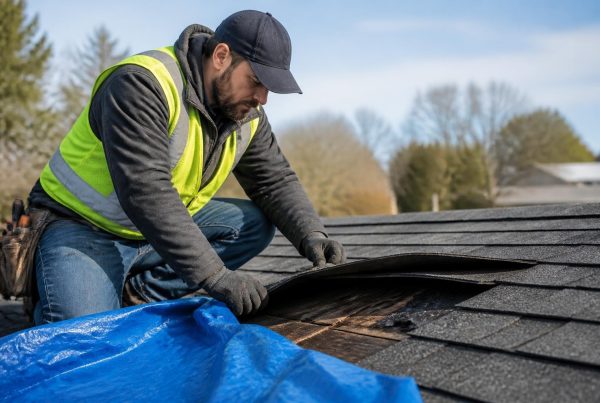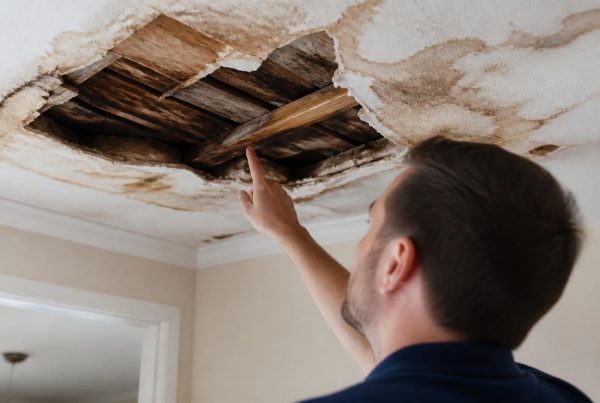
Your roof works every day to protect your home from sun, wind, rain, and everything coastal North Carolina throws at it. Most homeowners don't think about their roof until something goes wrong, but a little routine attention can add years to its lifespan and save you from expensive emergency repairs. Roof care isn't complicated, and it doesn't require special skills. It just needs to happen consistently, so small issues get addressed before they turn into bigger problems.
Why Roof Care Matters for Coastal Homes
Eastern North Carolina homes face unique challenges. Salt air, intense sun, afternoon thunderstorms, and occasional hurricanes put constant stress on roofing materials. A roof that might last 25 years in the mountains could wear faster here if you don't stay on top of basic maintenance.
The goal of roof care is simple: catch problems early. A missing shingle costs $50 to fix today. Left alone, that same spot can lead to water damage, rotted decking, and interior ceiling stains that run into thousands of dollars.
What Happens When Roofs Get Ignored
Roofs deteriorate gradually. Granules wear off. Seals around vents loosen. Flashing pulls away from chimneys. None of these issues announce themselves until water starts coming through the ceiling.
By the time you see a water stain, the damage has often been happening for weeks or months. The decking underneath might be soft, insulation soaked, and framing starting to rot. That's why proactive roof care makes financial sense. You're not just maintaining shingles; you're protecting the entire structure.
Inspecting Your Roof Twice a Year
The foundation of good roof care is regular inspection. Spring and fall are ideal times to check your roof, though after any major storm works too.
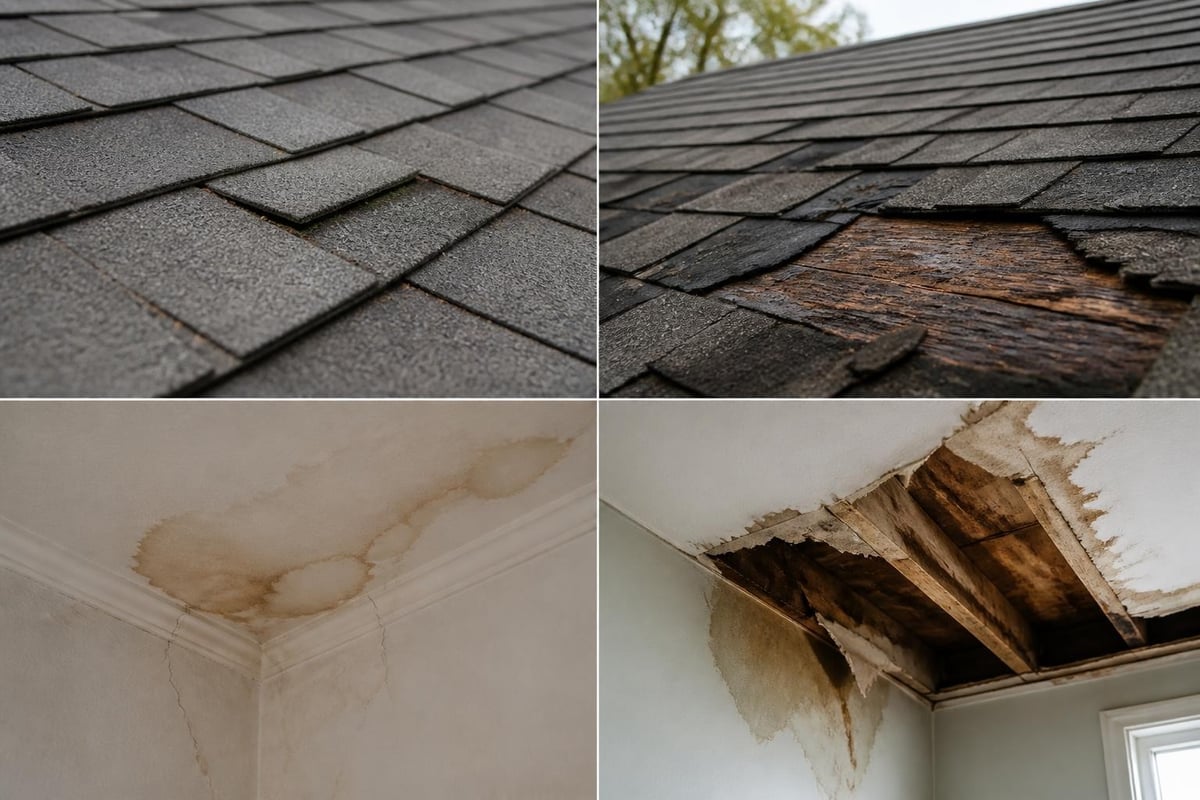
You don't need to climb onto the roof yourself. Many problems are visible from the ground with binoculars or from an attic inspection. Look for:
- Missing or damaged shingles that expose the underlayment
- Curling edges where shingles have started to lift
- Moss or algae growth in shaded areas
- Sagging sections that suggest structural issues
- Debris buildup in valleys or around chimneys
From inside the attic, check for daylight coming through gaps, water stains on decking, or damp insulation. These signs tell you water is getting past the shingles, even if you haven't seen interior damage yet.
The City of Boulder’s roof inspection guide outlines what professional inspectors look for, which can help you understand what matters during your own visual checks.
When to Call a Professional
Some roof issues are obvious from the ground, but others require walking the roof to spot. If your roof is steep, if you're uncomfortable with heights, or if you're not sure what you're looking at, bring in someone who does this daily.
A roof report gives you a clear picture of current condition, remaining lifespan, and what repairs make sense now versus later. For homeowners in Topsail, Surf City, or Wilmington, roof repair services often start with a detailed inspection, so you understand exactly what needs attention before making any decisions.
Cleaning Gutters and Downspouts
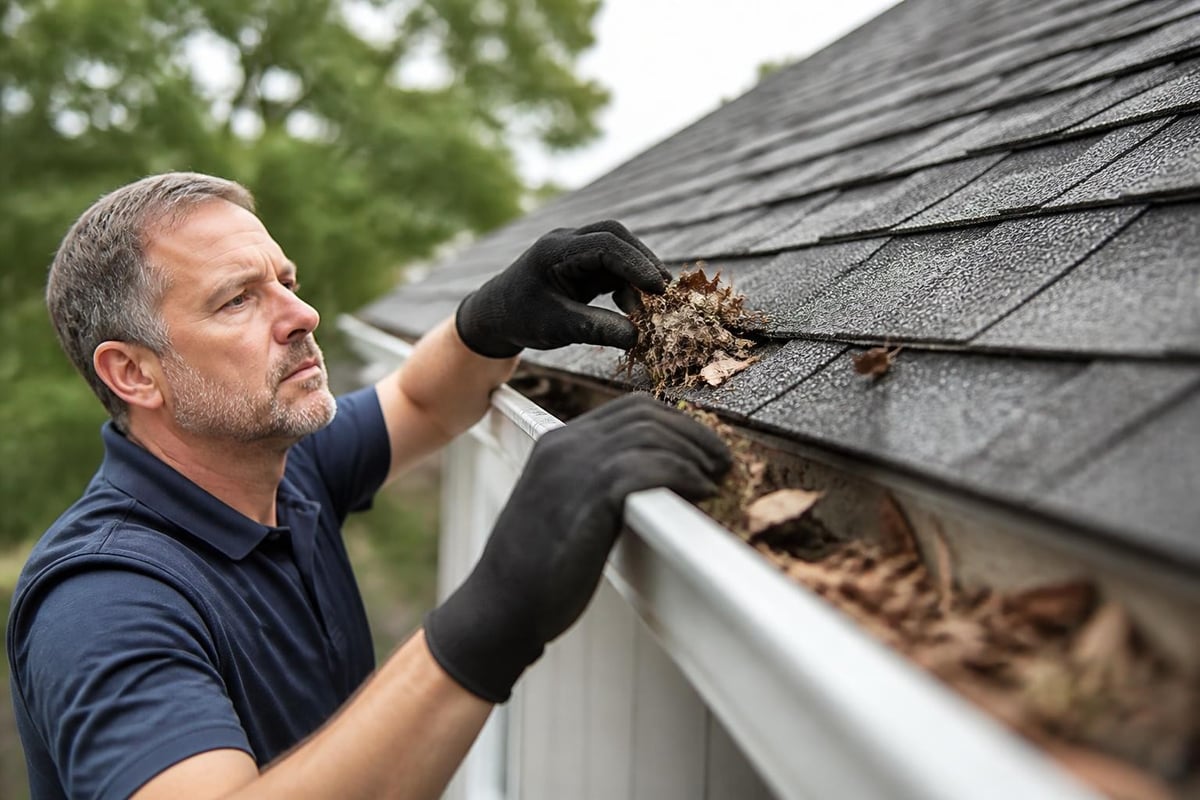
Clogged gutters are one of the most common roof care mistakes. When gutters overflow, water backs up under shingles, soaks fascia boards, and can even seep into walls.
Cleaning gutters twice a year keeps water flowing where it should. In coastal areas with pine trees and live oaks, you might need to clean more often.
| Task | Frequency | Why It Matters |
|---|---|---|
| Clean gutters | Spring and fall | Prevents water backup under shingles |
| Check downspouts | Each gutter cleaning | Ensures water drains away from foundation |
| Inspect gutter slope | Annually | Confirms proper drainage toward downspouts |
| Tighten loose brackets | As needed | Prevents sagging that causes standing water |
Use a sturdy ladder, gloves, and a bucket. Scoop out leaves and debris, then flush gutters with a hose to check flow. If water pools anywhere, the gutter may need adjustment.
Don't forget downspouts. Make sure they extend at least four feet from the foundation, so runoff doesn't saturate the soil next to your house.
Removing Debris and Organic Growth
Leaves, branches, and pine needles trap moisture against shingles. Over time, this leads to algae, moss, and even rot.
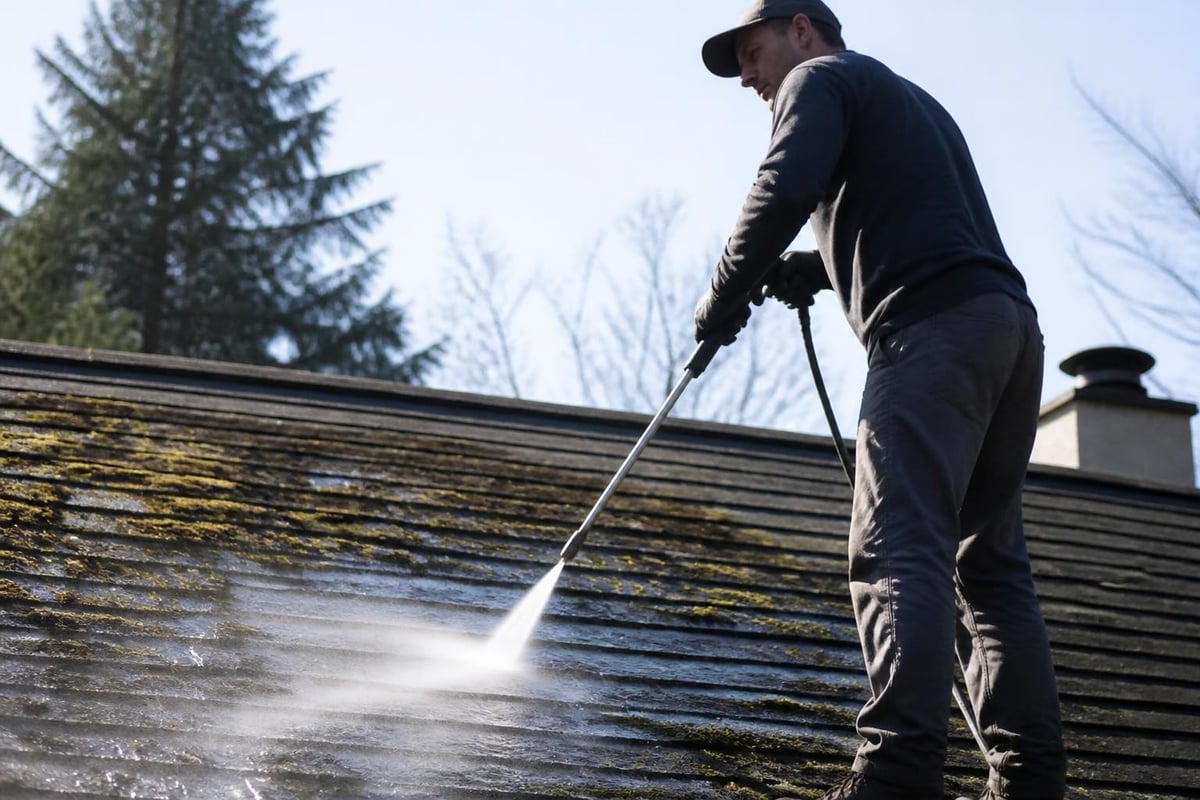
After storms, walk around your house and clear anything that landed on the roof. Pay special attention to valleys where debris collects naturally. A soft broom works for light buildup. Avoid pressure washers, which can strip protective granules off asphalt shingles.
Dealing with Moss and Algae
Dark streaks on your roof are usually algae, not dirt. Moss grows in shaded, damp areas and can lift shingle edges as it spreads.
Owens Corning’s guide to cleaning asphalt shingles explains safe cleaning methods that won't damage your roof. A mix of water and oxygen bleach (not chlorine) applied on an overcast day works well. Let it sit for 15 minutes, then rinse gently with a garden hose.
If moss is thick or widespread, a professional cleaning might be needed. Scraping moss yourself can tear shingles or void warranties if done improperly.
Trimming Overhanging Branches
Tree branches scraping against your roof wear down shingles and provide a pathway for squirrels and raccoons to reach your attic. They also drop leaves directly onto the roof, creating constant debris problems.
Trim branches back at least six feet from the roofline. This reduces shade (which encourages moss), limits falling debris, and keeps critters from using branches as bridges.
For large trees or branches near power lines, hire a certified arborist. The cost of professional trimming is minor compared to the roof damage from years of branch contact.
Checking Flashing and Seals
Flashing is the metal or rubber material that seals joints where your roof meets chimneys, vents, skylights, and walls. These are the most common leak points on any roof.
During your twice-yearly inspection, look for:
- Rust spots on metal flashing
- Cracks in rubber boots around vent pipes
- Gaps where caulk has dried and pulled away
- Lifted edges where flashing has come loose
Small gaps can be resealed with roofing caulk designed for outdoor use. If flashing is rusted through or significantly damaged, replacement is the better option. This isn't a DIY job for most homeowners since it requires understanding how flashing integrates with the shingle layers.
Vent Pipe Boots and Skylights
Rubber vent pipe boots dry out and crack over time, especially in direct sun. Once cracked, water runs straight into your attic every time it rains.
Check each vent boot annually. If you see cracks, plan for replacement within the next few months. Waiting until water comes through creates unnecessary damage.
Skylights also need attention. Check the flashing around all four sides and make sure the seal between the skylight frame and the roof remains intact.
Addressing Small Repairs Promptly
Good roof care means fixing minor issues before they escalate. A single lifted shingle takes five minutes to reseal. Left alone, wind gets underneath, lifts more shingles, and suddenly you're looking at a section replacement instead of a simple repair.
Common small repairs include:
- Replacing missing shingles before the next storm
- Resealing lifted edges with roofing cement
- Caulking small gaps around flashing
- Securing loose ridge caps that could blow off
- Replacing cracked vent boots before leaks start
This Old House’s roofing maintenance tips cover many of these small fixes in detail, showing you what's possible to handle yourself and what needs a professional.
Keep roofing cement, a caulk gun, and spare shingles on hand if you're comfortable with basic repairs. For anything involving flashing, valleys, or multiple shingles, call someone who does this work regularly.
Preparing for Storm Season
Hurricane season runs June through November in North Carolina, but summer thunderstorms can produce damaging winds any month.
Pre-storm roof care includes:
- Securing any loose shingles or ridge caps
- Clearing gutters completely so water can drain
- Removing dead branches that could fall on the roof
- Checking attic ventilation to reduce uplift pressure
- Taking photos of your roof's current condition for insurance records
After storms, inspect for wind damage, missing shingles, or debris impact. Even if you don't see obvious problems from the ground, check your attic for new leaks. Sometimes water intrusion shows up inside before exterior damage is visible.
Understanding Your Roof's Age and Lifespan
Part of responsible roof care is knowing where your roof is in its expected lifespan. Asphalt shingles typically last 20 to 30 years depending on quality, installation, climate, and maintenance.
If your roof is approaching 20 years old, increase inspection frequency. Look for widespread granule loss, multiple shingles curling, or consistent leak issues. These signs suggest replacement is becoming more cost-effective than ongoing repairs.
Keep maintenance records showing when repairs were done, what was replaced, and inspection findings. This documentation helps if you sell the house and provides a history if issues develop.
| Roof Age | Maintenance Focus | What to Watch For |
|---|---|---|
| 0-5 years | Basic cleaning, gutter care | Installation defects, seal failures |
| 6-15 years | Regular inspections, prompt repairs | Storm damage, flashing wear |
| 16-20 years | Increased vigilance | Granule loss, widespread curling |
| 20+ years | Replacement planning | Multiple leaks, systemic failures |
Creating a Roof Care Schedule
Consistency matters more than intensity with roof care. A simple annual schedule keeps tasks from being forgotten:
Spring (April-May)
- Clean gutters and downspouts
- Inspect from ground and attic
- Trim overhanging branches
- Address any winter storm damage
Fall (October-November)
- Clean gutters before leaves finish falling
- Second inspection of shingles and flashing
- Check attic ventilation before winter
- Clear debris from valleys and roof surface
After Major Storms
- Walk the property looking for damage
- Check attic for new leaks
- Document damage with photos
- Contact professionals if repairs are needed
Kiplinger’s spring home maintenance checklist includes roof-specific tasks that fit well into a seasonal schedule.
Set reminders on your phone or mark a calendar. Roof care only works if it actually happens, and it's easy to let months slip by without thinking about what's overhead.
Attic Ventilation and Moisture Control
Proper attic ventilation isn't just about temperature. It's critical for roof longevity because it controls moisture that can rot decking from underneath.
Your attic needs intake vents (usually in soffits) and exhaust vents (ridge vents or roof vents near the peak). Air should flow in low, move through the attic space, and exit high.
Check that insulation hasn't blocked soffit vents. Make sure bathroom and kitchen vents exhaust outside, not into the attic. Look for condensation or frost on the underside of roof decking in winter, which signals ventilation problems.
Poor ventilation leads to premature shingle failure because heat and moisture age materials faster. It also creates conditions for mold growth and wood rot that you won't see until damage is extensive.
Knowing When Repair Isn't Enough
Roof care extends the life of a sound roof, but it can't fix a roof that's reached the end of its lifespan. Sometimes the honest answer is replacement, not another round of patches.
Consider replacement when:
- Multiple leaks appear in different areas
- More than 30% of shingles show significant wear
- Repairs are needed every year
- Widespread granule loss leaves shingles looking bare
- The roof is over 25 years old with original shingles
A roof replacement is a bigger investment, but continuing to repair a failing roof often costs more over two or three years than replacing it once and starting fresh.
Working with Local Professionals
For homeowners in Hampstead, Topsail, or surrounding areas, working with local roofers who understand coastal conditions makes a difference. They know how salt air affects materials, which shingles perform best here, and how to detail flashing for wind-driven rain.
Local professionals can provide regular maintenance services if you prefer not to handle inspections yourself. Many offer annual or seasonal checkups that include gutter cleaning, minor repairs, and detailed reports on roof condition.
When choosing a roofer, ask about their inspection process, whether they provide written reports, and how they communicate repair priorities. Good roof care partners explain what needs immediate attention versus what can wait, helping you make informed decisions without pressure.
Regular roof care protects your home, extends your roof's lifespan, and prevents small problems from becoming expensive emergencies. Whether you handle basic maintenance yourself or work with professionals, consistency is what matters most. If you're in Eastern North Carolina and want a clear assessment of your roof's current condition or need repairs handled right, NC Roofs provides honest inspections and straightforward recommendations tailored to coastal homes.