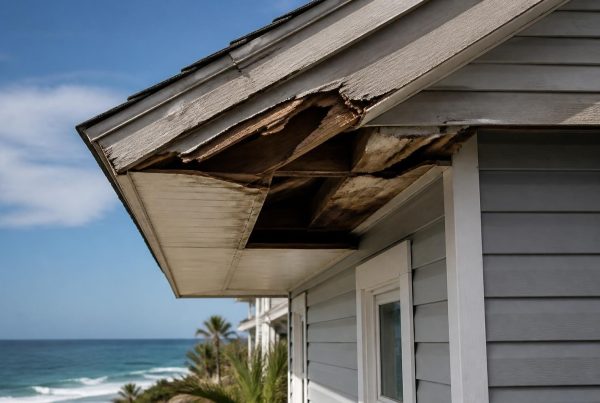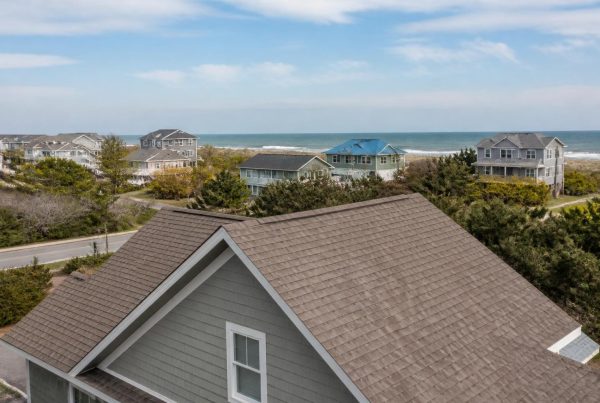
Roof waterproofing is one of the most important protections your home has against water damage, mold growth, and structural problems. In coastal areas like Eastern North Carolina, where rain, wind, and humidity are part of everyday life, keeping water out of your home starts at the roof. Understanding what roof waterproofing actually involves, when it matters most, and how different materials and methods work helps you make better decisions about protecting your home before problems show up inside your walls or ceilings.
What Roof Waterproofing Really Means
Roof waterproofing refers to the combination of materials and installation methods that prevent water from penetrating through your roof system into the structure below. This isn't just about shingles shedding rain. It's about creating multiple layers of defense that work together to keep moisture out even when wind drives water sideways or when ice dams form during rare freezes.
The waterproofing system includes several components working as a team:
- Primary water barrier (shingles, metal panels, or other roofing material)
- Secondary barrier (underlayment beneath the visible roof surface)
- Flashing around chimneys, vents, valleys, and roof edges
- Drainage paths that direct water away from vulnerable areas
- Sealed penetrations where anything passes through the roof plane
Each piece matters. A perfect shingle installation means nothing if the underlayment fails or flashing isn't properly sealed. Roof Online’s detailed guide to roof underlayment explains how the National Roofing Contractors Association views this critical secondary barrier as essential waterproofing protection.
Why Traditional Roofing Isn't Always Enough
Standard asphalt shingle roofs rely primarily on gravity and overlapping layers to shed water. This works well under normal conditions. But coastal weather in places like Topsail and Surf City creates scenarios where wind-driven rain moves horizontally or even upward under shingle edges.
That's where proper waterproofing becomes critical. The difference between a roof that handles a heavy nor'easter and one that develops leaks often comes down to what's happening beneath those shingles.
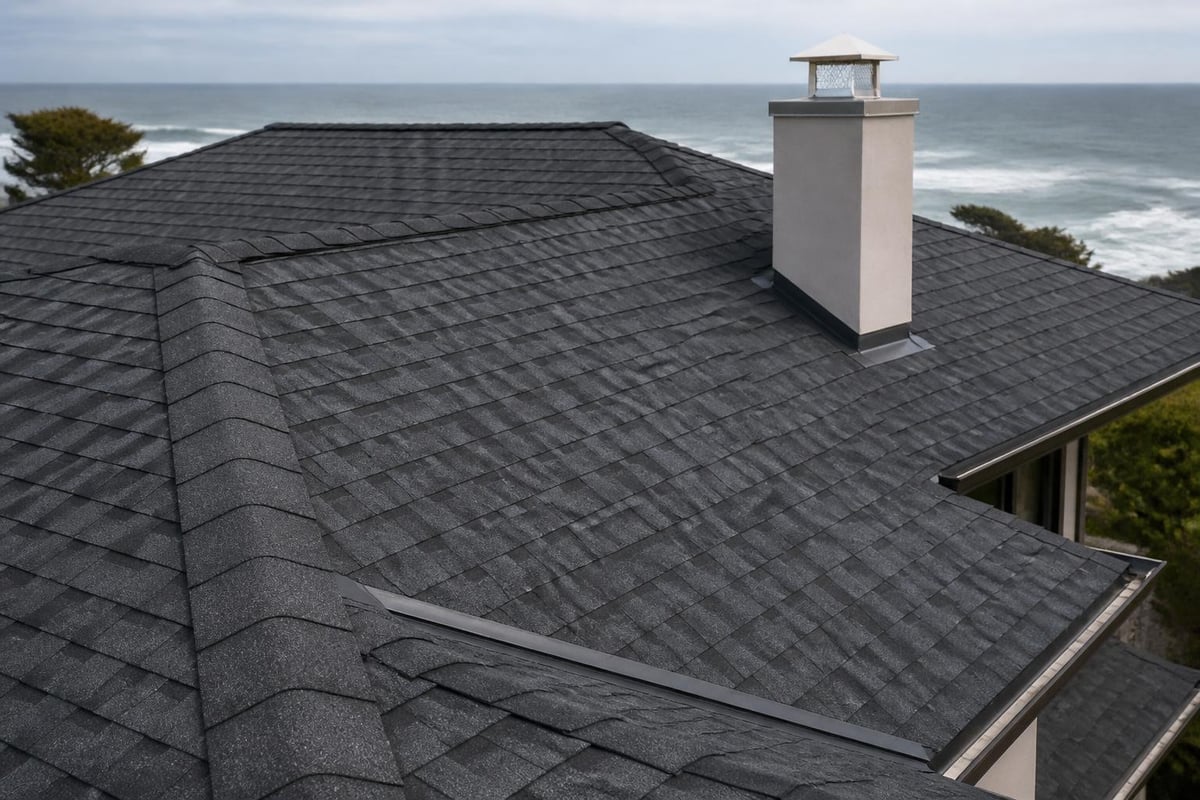
Common Waterproofing Materials and How They Work
The materials you choose for roof waterproofing directly affect how well your home handles moisture over time. Not every roof needs the same approach, and understanding your options helps you match the protection level to your specific situation.
Felt and Synthetic Underlayment
Traditional felt paper (also called tar paper) has been used for decades as roof underlayment. It provides basic water resistance and costs less than newer alternatives. But felt tears easily during installation, can wrinkle, and degrades faster when exposed to sun before shingles go down.
Synthetic underlayment has become the preferred choice for most installations. These products are:
- Stronger and more tear-resistant during installation
- Better at shedding water if left exposed temporarily
- More consistent in thickness and coverage
- Longer-lasting when properly installed
For standard pitched roofs in good condition, quality synthetic underlayment paired with proper installation techniques provides solid waterproofing protection. The EPA’s moisture control guidance emphasizes how critical these barriers are for preventing indoor air quality problems that start with roof leaks.
Self-Adhering Membrane
Self-adhering waterproofing membrane (sometimes called peel-and-stick or ice-and-water barrier) creates a completely sealed layer that sticks directly to the roof deck. Unlike felt or synthetic underlayment that's just laid down, membrane bonds to the wood and seals around nail penetrations.
This material is essential in specific areas:
- Roof valleys where water concentrates
- Eaves and rakes where ice dams might form
- Around chimneys and other penetrations
- Low-slope sections where water might pond
Building codes in many areas require membrane along eaves in cold climates. In coastal North Carolina, we use it strategically in high-risk areas even though ice dams are rare, because the waterproofing protection during severe storms is worth the investment.
| Material Type | Water Resistance | Cost | Best Application |
|---|---|---|---|
| Felt Underlayment | Good | $ | Budget-conscious standard roofs |
| Synthetic Underlayment | Better | $$ | Most residential applications |
| Self-Adhering Membrane | Excellent | $$$ | Valleys, eaves, penetrations |
| Liquid-Applied Membrane | Excellent | $$$$ | Flat roofs, complex details |
Modified Bitumen and Liquid Membranes
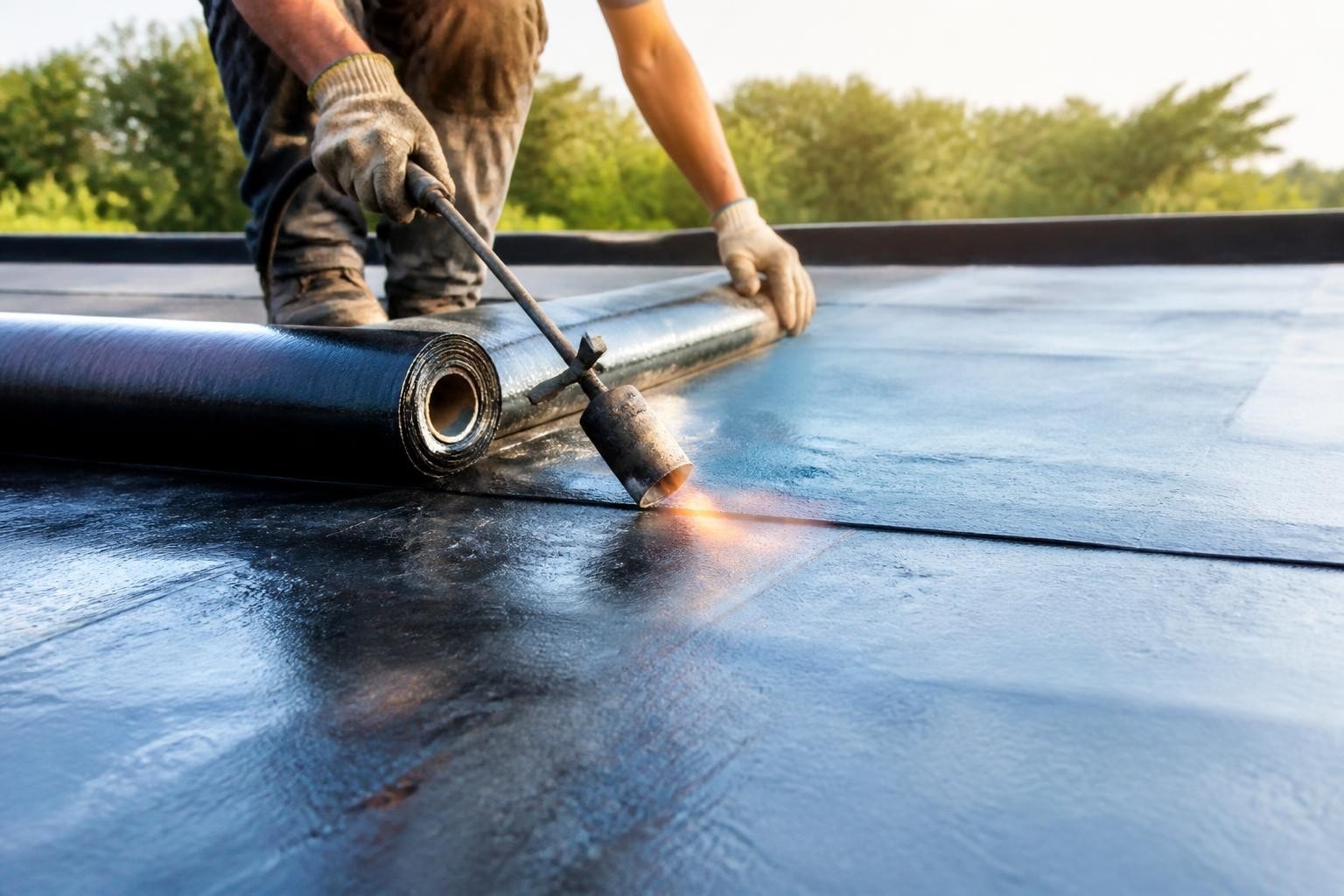
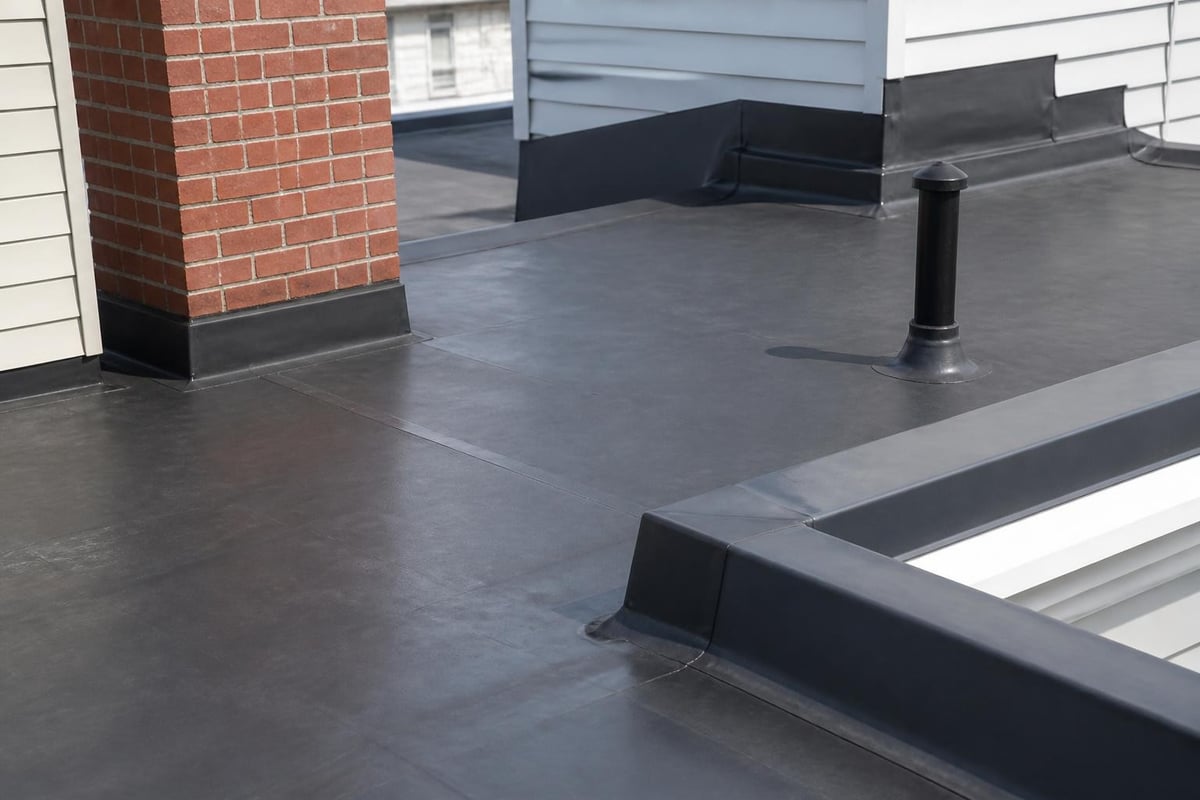
Flat or low-slope roofs need different waterproofing approaches than pitched residential roofs. Modified bitumen systems use torch-applied or self-adhering sheets that create continuous waterproof barriers across the entire roof surface.
Liquid-applied membranes go on as a coating that cures into a seamless waterproof layer. These work particularly well for complex roof shapes or areas with lots of penetrations. The RCABC’s overview of waterproofing materials details how different bituminous options perform in various applications.
Installation Methods That Make or Break Waterproofing
Even the best materials fail without proper installation. Roof waterproofing depends as much on technique as on what you buy.
Proper Overlap and Fastening
Underlayment and membrane need specific overlap amounts to work correctly. Too little overlap creates gaps where water finds its way through. Too much wastes material and creates bumps that affect shingle installation.
Standard practice calls for:
- Horizontal overlaps of 4-6 inches depending on product
- Vertical overlaps of 6 inches at minimum
- Extra coverage in valleys and around penetrations
- Proper fastening that doesn't over-compress or under-secure
The fastening pattern matters too. Wrinkles or loose areas allow water to travel laterally beneath the waterproofing layer, potentially finding nail holes or seams far from where it first entered.
Flashing Integration
Flashing is where roof waterproofing gets complicated. Every spot where your roof meets a wall, wraps around a chimney, or transitions to a different plane needs carefully installed metal or membrane flashing that directs water away from the seam.
Step flashing along walls should weave into each shingle course, not just tuck behind one continuous piece. Valley flashing needs to extend well beyond where water will travel. Vent pipe boots must seal completely around the pipe while allowing for thermal expansion.
When working with existing roofs, roof repair often focuses on these flashing details since they're common failure points long before the main roof surface wears out. Addressing waterproofing problems at chimneys or skylights makes more sense than replacing an otherwise solid roof.
Deck Preparation and Condition
Roof waterproofing only works if the deck beneath is solid and properly prepared. Warped, rotted, or improperly spaced decking prevents underlayment from laying flat and creates pathways for water movement.
Before any waterproofing materials go down, the deck should be:
- Free of old nails, debris, and damaged sections
- Properly fastened with no bounce or movement
- Spaced correctly for the decking material type
- Replaced wherever rot or damage exists
This preparation step gets skipped during rushed installations, but it's foundational to long-term waterproofing performance.
When Roof Waterproofing Becomes Critical
Not every roof needs maximum waterproofing protection. Understanding when to invest in enhanced systems versus standard approaches helps you spend money where it actually matters.
Low-Slope and Flat Sections
Any roof area with less than 3:12 pitch needs special waterproofing attention. Water doesn't run off as quickly, creating more opportunity for penetration through small gaps or worn spots.
Many coastal homes have flat sections over porches or connecting different building heights. These areas require either continuous membrane coverage or specific low-slope roofing systems designed for minimal pitch. Standard shingle installation isn't appropriate and will eventually leak.
Complex Roof Geometry
Roofs with multiple valleys, dormers, skylights, or level changes have more potential failure points. Each transition is a place where waterproofing can go wrong if details aren't right.
Simple gable roofs with minimal penetrations are easier to waterproof successfully. The NRCA’s 2025 Roofing Manual includes updated guidelines specifically addressing waterproofing techniques for complex steep-slope systems where multiple planes meet.
Coastal and High-Wind Areas
Wind-driven rain is the ultimate test of roof waterproofing. During hurricanes or strong nor'easters, water gets pushed under shingles and into areas that never see moisture during normal rain.
Homes in Hampstead, Holly Ridge, and other coastal communities need waterproofing systems installed with wind in mind. This means:
- Sealed shingle edges along rakes and eaves
- Enhanced underlayment coverage beyond minimum code
- Membrane in valleys and lower roof sections
- Proper drip edge installation to keep water off fascia
The investment in better waterproofing pays off during the first major storm when neighboring homes are dealing with interior leaks.
Maintenance and Long-Term Waterproofing Performance
Roof waterproofing isn't install-and-forget. Regular attention keeps systems working as designed and catches small problems before they become big ones.
Regular Inspection Points
Check these areas at least twice yearly:
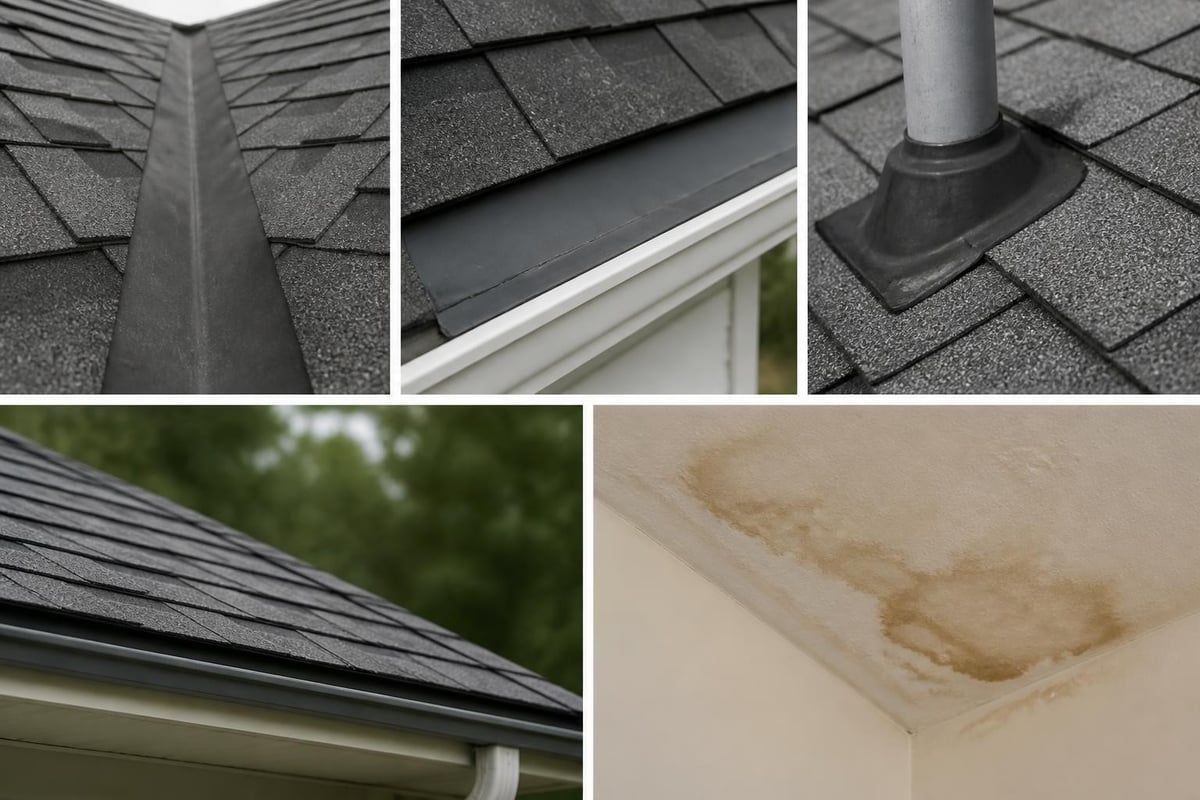
- Flashing seams for separation or rust
- Valleys for debris buildup or damage
- Vent boots for cracks around pipes
- Shingle edges along eaves and rakes
- Ceiling stains inside indicating leaks
After major storms, walk around your home looking for lifted shingles, damaged flashing, or any signs that the waterproofing system took a hit. Catching damage early often means a simple repair instead of interior water damage.
When to Add Waterproofing Protection
Sometimes roof waterproofing can be improved without full replacement. If your roof is structurally sound but showing vulnerability in specific areas, targeted improvements make sense.
Adding membrane around a chimney with recurring leaks, reinforcing valley flashing, or upgrading vent boots during a minor repair extends your roof's life and improves protection. These strategic additions cost far less than dealing with rotted decking or ceiling damage later.
Special Considerations for Different Roof Types
The waterproofing approach changes based on your roof style and covering material. What works for asphalt shingles differs from metal roofing or tile systems.
Shingle Roof Waterproofing
Asphalt shingles are the most common residential roofing, but their waterproofing depends entirely on proper underlayment and flashing since the shingles themselves aren't fully waterproof. They shed water through overlapping layers.
Three-tab shingles offer less wind resistance than architectural shingles, making the underlayment even more critical since wind can more easily lift the thinner material. Architectural shingles provide better primary protection, but the waterproofing system beneath still carries the real load during extreme weather.
Metal Roof Waterproofing
Metal roofing panels are themselves waterproof, but the underlayment still matters. It protects against condensation underneath the metal and provides backup if sealants around fasteners fail over time.
High-temperature synthetic underlayment works best under metal since traditional felt can deteriorate from heat buildup. The National Research Council Canada’s discussion of protected membrane systems explores how placing insulation above waterproof membranes, common in commercial applications, can extend membrane life by reducing temperature cycling.
Tile and Slate Considerations
Tile and slate roofs require specialized waterproofing since the roof covering is heavy, installed with gaps for drainage, and essentially permanent. The underlayment beneath tile must last as long as the tile itself – potentially 50-100 years.
Self-adhering membrane or high-grade synthetic products rated for extended exposure provide the necessary longevity. Since you won't be replacing tile roofs routinely, the waterproofing investment should match the roof covering's lifespan.
Understanding Waterproofing Versus Water Resistance
There's an important distinction in roofing terminology that affects what products you choose and what performance to expect.
Waterproofing means a material completely prevents water passage under normal conditions. Self-adhering membrane, properly installed, is waterproof. Water cannot pass through it.
Water-resistant means a material resists water penetration but isn't a complete barrier. Most shingles and some underlayments are water-resistant. They handle water well under intended conditions but can be overwhelmed or penetrated if exposed long enough or under unusual circumstances.
Your roof system needs both. The primary covering should be highly water-resistant. The underlayment and flashing should be truly waterproof. The Chicago Roofing Contractors Association’s waterproofing resources explain how different applications require different levels of moisture protection based on exposure and risk.
| System Component | Protection Level | Function |
|---|---|---|
| Asphalt Shingles | Water-Resistant | Primary shedding surface |
| Synthetic Underlayment | Water-Resistant to Waterproof | Secondary barrier |
| Self-Adhering Membrane | Waterproof | Critical area protection |
| Metal Flashing | Waterproof | Transition waterproofing |
| Sealants | Water-Resistant | Gap and penetration sealing |
Cost Factors in Roof Waterproofing
Understanding what drives waterproofing costs helps you make informed decisions about where to invest and where standard approaches are sufficient.
Material Quality and Coverage
Basic felt underlayment costs significantly less than premium synthetic or self-adhering membrane. For a typical 2,000 square foot roof, the difference between minimum code compliance and enhanced waterproofing might run $500-1,500 in materials.
That sounds like a lot until you compare it to the cost of repairing interior water damage, replacing insulation, or dealing with mold remediation. The waterproofing investment is usually the cheapest insurance you can buy.
Installation Complexity
Simple gable roofs with few penetrations cost less to waterproof properly than complex designs with multiple dormers, valleys, and level changes. Each additional detail point requires extra time, material, and skill to execute correctly.
Labor represents the majority of roofing costs, and waterproofing details are where experienced installers earn their pay. Corners get cut here more than anywhere else during rushed or budget-focused installations.
Repair Versus Prevention
Addressing waterproofing during scheduled roof replacement costs far less than emergency repairs after leaks develop. If your roof is 15-20 years old and showing wear, investing in proper waterproofing during replacement makes sense even if current leaks are minor.
Waiting until water damage appears means paying for both the roof work and the interior repairs. Being proactive about waterproofing saves money long-term.
Climate-Specific Waterproofing Needs in Eastern North Carolina
Coastal North Carolina presents specific challenges that affect how we approach roof waterproofing. Understanding local weather patterns helps you prepare for what your roof will actually face.
Hurricane and Tropical Storm Considerations
Wind-driven rain during tropical weather overwhelms standard waterproofing assumptions. Water gets pushed horizontally and even upward under normal shingle edges. Areas that would stay dry during regular rain become vulnerable.
This is why enhanced waterproofing in valleys, along eaves, and around penetrations matters more here than in calmer climates. The NIST literature survey on moisture effects in roofing documents how water infiltration damages roofing systems over time, particularly when periodic extreme events stress normal waterproofing capacity.
Salt Air and Coastal Moisture
The constant salt air exposure in Surf City, Topsail, and Wilmington accelerates deterioration of metal flashing and fasteners. Using corrosion-resistant materials and properly sealed waterproofing details extends service life in this environment.
High humidity year-round also means any water that does penetrate the roof system takes longer to dry out. This makes comprehensive waterproofing more important since the margin for error is smaller.
Temperature and Expansion Issues
While Eastern North Carolina doesn't see the freeze-thaw cycles common further north, summer heat creates its own challenges. Roof surface temperatures can exceed 160°F, causing expansion and contraction that stresses waterproofing seals and sealants.
Quality waterproofing materials rated for high-temperature performance handle this cycling without breaking down. Cheap alternatives often fail prematurely in hot coastal summers.
Making Decisions About Your Roof's Waterproofing
When faced with waterproofing decisions during roof work, focus on these practical questions rather than marketing claims.
What's the roof pitch? Lower slopes need more robust waterproofing. Above 4:12, standard quality materials usually suffice. Below 3:12, consider enhanced systems.
How complex is the roof? More valleys, penetrations, and level changes mean more potential failure points. Match waterproofing investment to complexity.
What's your budget versus timeline? If the roof can last a few more years, targeted waterproofing repairs might make more sense than full replacement. If the roof is already failing, invest in proper waterproofing during replacement rather than cutting corners.
How long will you own the home? If you're planning to stay long-term, waterproofing quality matters more than if you're selling within two years. Though good waterproofing is always a selling point.
Don't let anyone pressure you into waterproofing solutions that don't match your actual situation. A straightforward roof in good condition doesn't need the same approach as a complex older roof showing wear in multiple areas.
Roof waterproofing protects your home through carefully selected materials and proper installation techniques that work together as a complete system. For homeowners in Hampstead and surrounding coastal communities, understanding these principles helps you make informed decisions about repairs, upgrades, and replacements that actually match your roof's condition and your home's needs. If you're dealing with leaks, planning roof work, or just want to understand what's happening above your ceiling, NC Roofs provides honest assessments and clear recommendations focused on the right solution at the right price.