Service roofing is the practice of maintaining and repairing roofs through regular attention rather than waiting for complete failure. It includes inspections, preventative maintenance, targeted repairs, and ongoing care that keeps your roof working properly between major replacements. For homeowners in coastal North Carolina, understanding service roofing helps you make better decisions about when to fix issues, when to maintain what you have, and how to avoid unnecessary replacement costs. This approach focuses on addressing problems early, extending your roof's lifespan, and getting the most value from your existing investment.
What Service Roofing Actually Covers
Service roofing is different from new installations or full replacements. It focuses on keeping your current roof functional through deliberate care and attention.
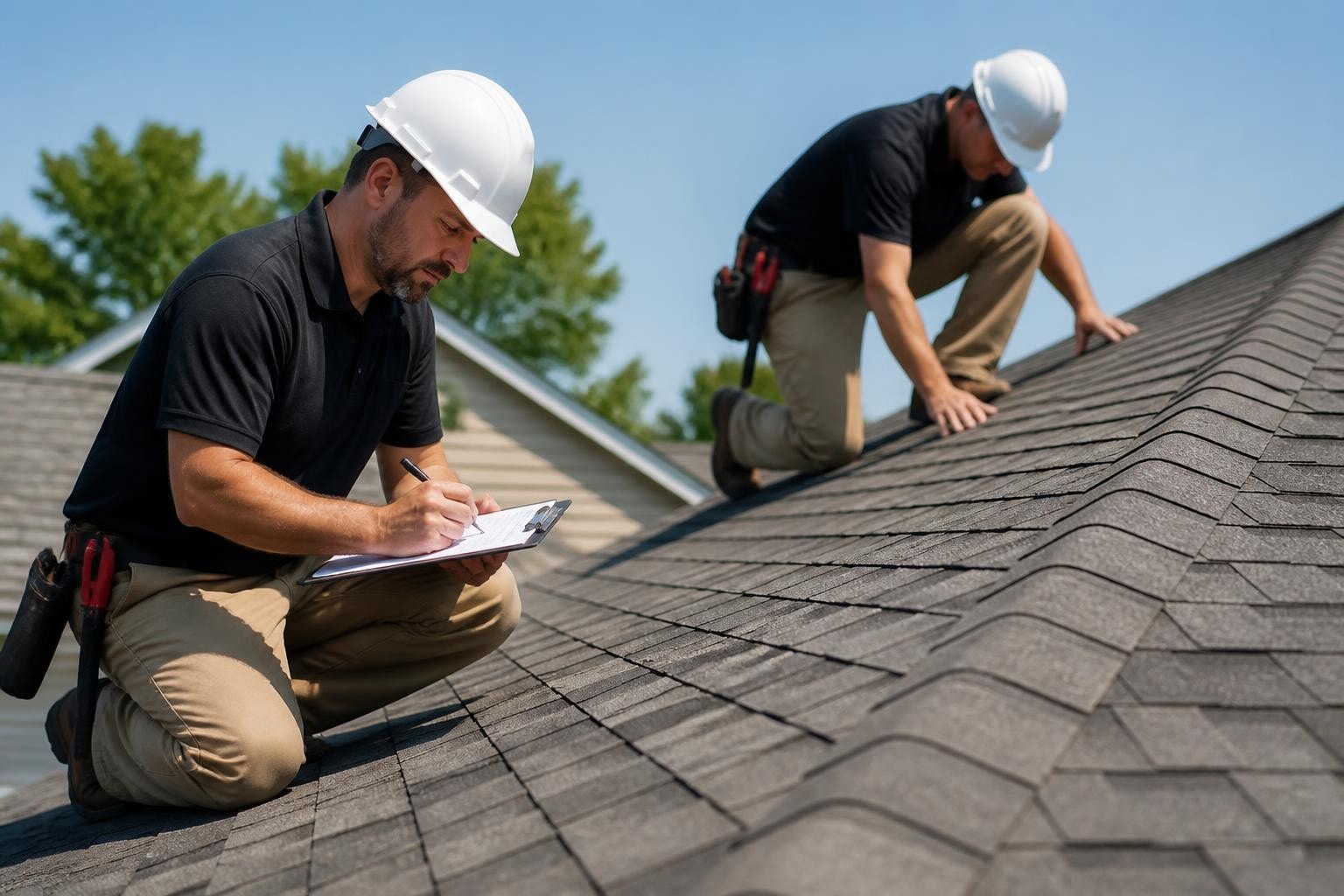
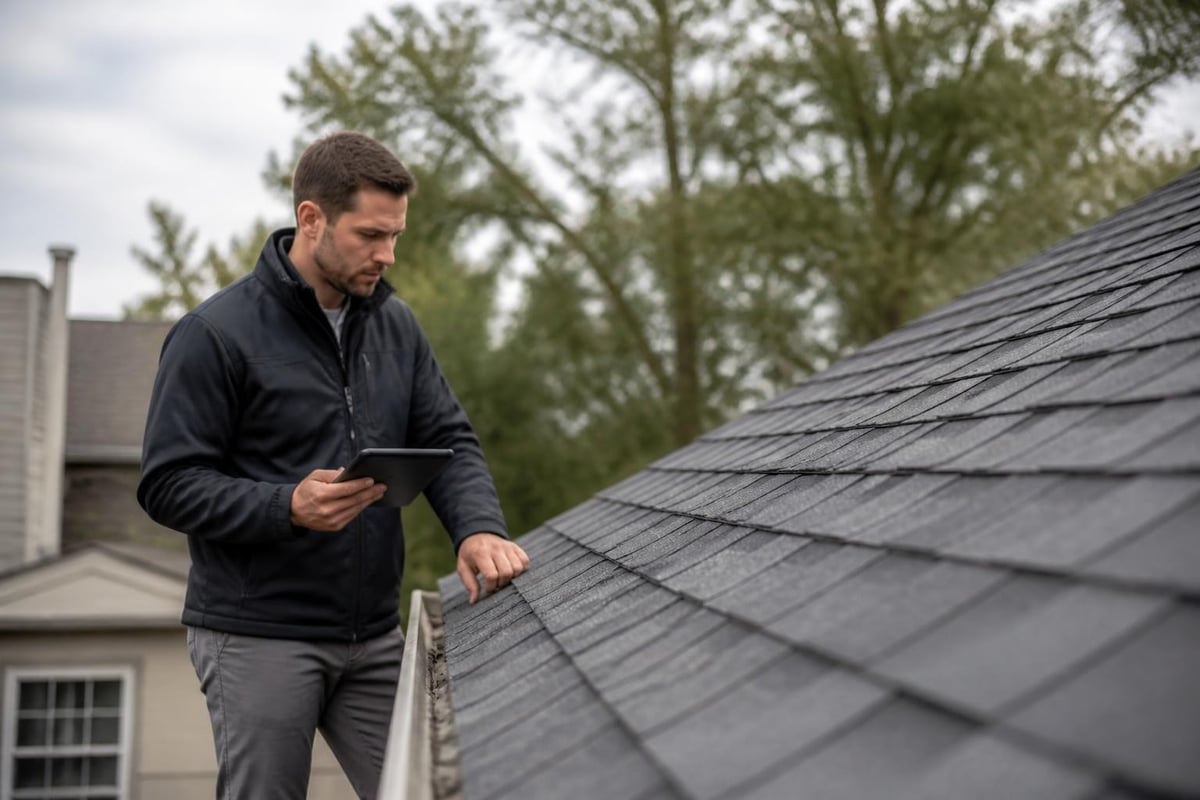
The core of service roofing includes regular inspections to catch problems before they become emergencies. These inspections look at shingles, flashing, gutters, ventilation, and structural elements. They identify wear patterns, potential leak points, and areas that need attention.
Preventative maintenance is the second major component. This includes:
- Cleaning debris from gutters and valleys
- Replacing worn or missing shingles
- Resealing flashing around chimneys and vents
- Checking and repairing caulking and sealants
- Addressing minor leaks before they spread
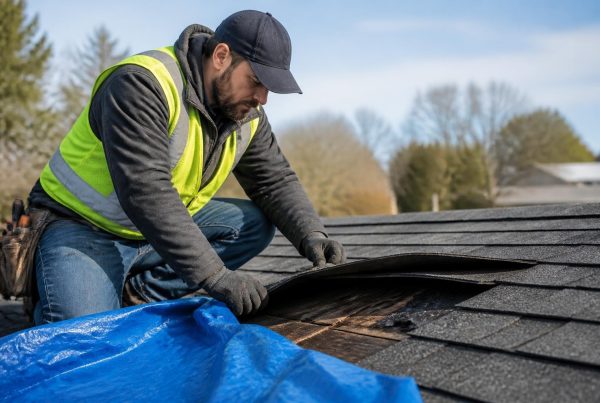
Targeted repairs address specific damage without redoing the entire roof. When a storm takes off a few shingles or a leak develops around a skylight, service roofing handles these issues individually rather than defaulting to replacement.
Service roofing also involves documentation and planning. Keeping records of inspections, repairs, and maintenance helps you track your roof's condition over time and make informed decisions about future work.
How Service Roofing Differs From Replacement
Many homeowners assume any roof problem requires a full replacement. Service roofing takes a different view.
| Service Roofing | Full Replacement |
|---|---|
| Addresses specific issues | Replaces entire system |
| Extends existing roof life | Starts fresh with new materials |
| Lower upfront cost | Major investment |
| Can be scheduled flexibly | Requires planning and timing |
| Preserves functioning components | Removes everything |
Replacement makes sense when a roof has reached the end of its useful life, suffered extensive damage, or has systemic failures across multiple areas. Service roofing works when most of your roof is sound but certain sections need attention.
For a 15-year-old roof with isolated leak points, service roofing often provides another 5-10 years of life at a fraction of replacement cost. That matters when you are weighing immediate expenses against long-term value.
The Role of Regular Inspections
Inspections drive effective service roofing. Without knowing what is happening on your roof, you cannot maintain it properly.
Most roofing professionals recommend inspections twice yearly, typically in spring and fall. Coastal homes face additional challenges from salt air, high winds, and storm exposure, which can accelerate wear. According to the National Roofing Contractors Association guidelines, semi-annual inspections combined with post-storm checks provide the best protection.
A thorough service roofing inspection examines:
- Shingle condition – looking for curling, cracking, granule loss, or missing pieces
- Flashing integrity – checking seals around chimneys, vents, skylights, and roof penetrations
- Gutter function – ensuring water flows properly away from the roof
- Ventilation performance – verifying attic airflow prevents moisture buildup
- Structural soundness – identifying sagging, soft spots, or framing concerns
- Interior signs – checking for water stains, mold, or dampness inside
These inspections should produce a written report documenting current conditions and recommending specific actions. This detailed approach to roof inspections ensures nothing gets missed and homeowners understand exactly what their roof needs.
What Inspections Actually Cost
Service roofing inspections typically range from free to $300, depending on the provider and depth of examination. Some companies offer free inspections hoping to sell major work, while others charge for detailed reports regardless of whether repairs are needed.
The value is not in the inspection fee itself but in what you learn. A good inspection tells you whether your roof needs immediate attention, can wait, or just requires monitoring. That information helps you budget appropriately and avoid surprises.
Common Service Roofing Repairs
Service roofing addresses specific problems that do not require full replacement. Understanding common repairs helps you recognize issues early.
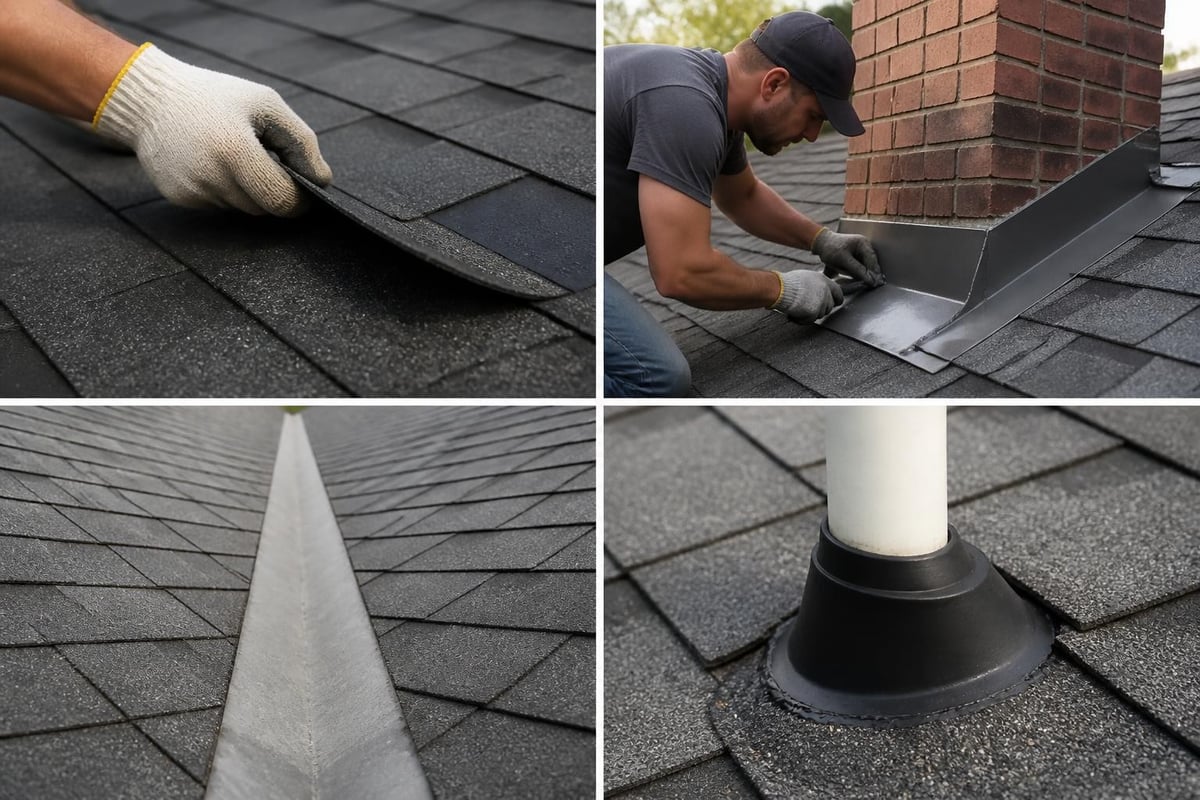
Shingle replacement is the most frequent service roofing task. Wind, hail, or simple age can damage individual shingles. Replacing them quickly prevents water from reaching the underlayment or decking. In coastal areas like Topsail and Surf City, wind-driven rain makes shingle integrity especially important.
Flashing repairs stop leaks at transition points where your roof meets walls, chimneys, or other structures. Old flashing can crack, pull away, or lose its seal. Repairing or replacing flashing sections is straightforward service roofing work that prevents major water damage.
Valley work addresses the channels where two roof planes meet. Valleys handle heavy water flow and often wear faster than other areas. Service roofing keeps these sections properly sealed and functional.
Penetration sealing maintains the integrity around vents, pipes, and other roof penetrations. These are common leak sources and regular attention through service roofing prevents problems.
If you are dealing with specific damage, roof repair focuses on fixing what actually needs attention rather than replacing what is still working. This targeted approach is the foundation of effective service roofing.
Emergency vs. Scheduled Service Roofing
Service roofing works in two modes. Emergency repairs respond to sudden damage from storms, falling trees, or unexpected failures. Scheduled maintenance handles planned work based on inspections and known wear patterns.
Emergency work costs more due to urgency and often involves temporary fixes until permanent repairs can be made. Scheduled service roofing allows better planning, competitive pricing, and thorough solutions.
The goal of regular inspections and maintenance is to minimize emergency situations by catching problems early when they are small and manageable.
Cost Considerations for Service Roofing
Understanding service roofing costs helps you budget effectively and make smart decisions about your roof.
Minor repairs typically range from $150 to $800 depending on the scope. Replacing a few shingles or resealing flashing sits at the lower end. More extensive work like valley repairs or multiple leak sources moves toward the higher range.
Preventative maintenance programs often cost $200-$500 annually and include regular inspections, minor repairs, and gutter cleaning. These programs catch small issues before they become expensive problems.
| Service Type | Typical Cost Range | When It Makes Sense |
|---|---|---|
| Single inspection | $0-$300 | Annual checkup or after storms |
| Minor shingle repair | $150-$400 | Isolated wind or hail damage |
| Flashing repair | $200-$600 | Leak around chimney or vent |
| Valley repair | $300-$800 | Water pooling or visible wear |
| Annual maintenance | $200-$500 | Preventative care program |
The key question for any service roofing decision is whether the repair makes financial sense relative to the roof's remaining life. Spending $500 on repairs for a roof with 10 years of life left is smart. Spending $2,000 on repairs for a roof that needs replacement within two years is questionable.
When Service Roofing No Longer Makes Sense
Service roofing extends your roof's life, but it does not work forever. Several signs indicate replacement rather than continued repairs:
- Widespread damage affecting more than 30% of the roof surface
- Multiple leak sources appearing repeatedly despite repairs
- Age-related failure when shingles have exceeded their rated lifespan
- Structural concerns like sagging or soft decking
- Repair costs approaching 50% or more of replacement cost
Honest service roofing guidance tells you when you have crossed from maintenance into throwing good money after bad. The best providers explain this threshold clearly rather than continuing to sell repairs on a failing roof.
Best Practices for Homeowners
Getting the most from service roofing requires active participation and smart decision-making.
Schedule regular inspections rather than waiting for visible problems. Most roof damage starts small and becomes obvious only after it has spread. Twice-yearly inspections catch issues early when they are cheap to fix.
Document everything related to your roof. Keep inspection reports, repair invoices, warranty information, and photos. This record helps you track your roof's condition, supports insurance claims, and provides valuable information for future buyers.
Act quickly on recommendations from inspections. Small problems multiply fast on coastal roofs exposed to salt air and storms. A $200 repair ignored can become a $2,000 problem within months.
Professional guidance on roofing best practices emphasizes thorough documentation and clear communication between homeowners and contractors. This transparency ensures everyone understands the roof's condition and what needs to happen.
Working With Service Roofing Providers
Choose service roofing contractors carefully. Look for providers who:
- Provide detailed written inspection reports
- Explain what you need versus what you might want
- Show you actual damage rather than just describing it
- Offer repair options alongside replacement quotes
- Stand behind their work with warranties
Avoid contractors who immediately push for full replacement without documenting the need or who refuse to provide repair options. Good service roofing guidance helps you make informed decisions rather than selling the most expensive solution.
Ask about their experience with your specific roof type and age. Coastal roofing presents unique challenges, and contractors familiar with Eastern North Carolina conditions understand what to look for and how to address it.
Service Roofing for Different Roof Types
Different roofing materials require different service approaches. Understanding your roof type helps you maintain it properly.
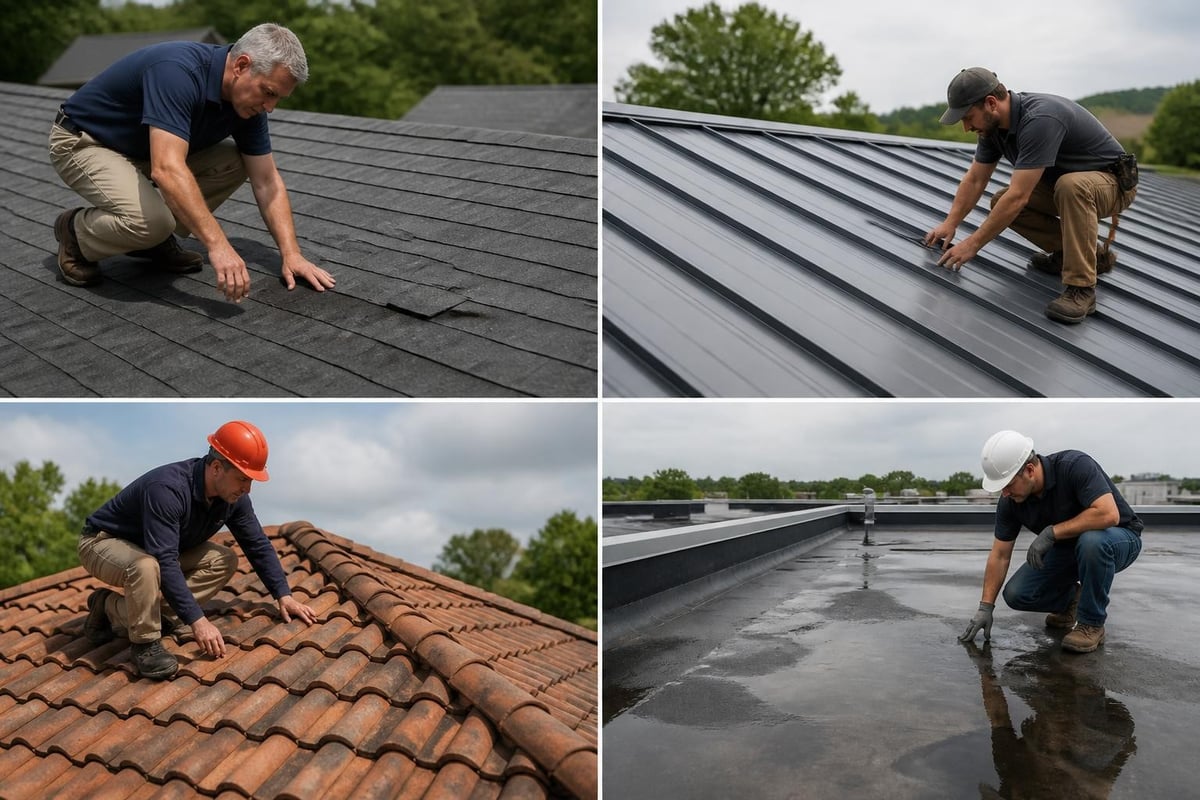
Asphalt shingle roofs are most common and generally easiest for service roofing. Individual shingles can be replaced, flashing repaired, and problem areas addressed without affecting the rest of the roof. Regular inspections catch granule loss, curling, and wind damage early.
Metal roofing requires less frequent service but needs attention to fasteners, seams, and panel condition. Coastal environments can cause corrosion at penetration points and panel edges. Service roofing for metal focuses on maintaining proper seals and addressing corrosion before it spreads.
Tile roofing demands careful service work since tiles are fragile and easy to crack. Service roofing often involves replacing broken tiles, maintaining underlayment, and ensuring proper flashing. Walking on tile roofs requires expertise to avoid creating more damage than you repair.
Flat or low-slope roofs need especially vigilant service roofing due to drainage concerns. Pooling water accelerates membrane deterioration. Regular inspections should check for ponding, membrane splits, and proper drainage function. According to commercial roof maintenance guidelines, low-slope roofs benefit from quarterly inspections rather than semi-annual checks.
Seasonal Service Roofing Considerations
Coastal North Carolina weather creates specific service roofing challenges through the year.
Spring inspections should check for winter damage from ice, wind, and temperature fluctuations. Look for shingle damage, flashing separation, and gutter issues before summer storm season.
Summer brings intense heat and UV exposure. Service roofing during this period often addresses heat-related shingle deterioration and ensures ventilation systems work properly to prevent attic heat buildup.
Fall preparation before winter includes checking seals, clearing debris, and ensuring drainage systems function properly. This is prime time for preventative service roofing before weather turns harsh.
Hurricane season from June through November demands special attention. Post-storm inspections are critical service roofing activities that catch damage before small problems become major failures.
Insurance and Service Roofing
Understanding how insurance relates to service roofing helps you protect your investment and navigate claims effectively.
Most homeowners insurance covers sudden damage from storms, falling objects, or other catastrophic events. It typically does not cover wear and tear, age-related deterioration, or damage from deferred maintenance.
Proper documentation is essential for insurance claims. Service roofing inspections that document your roof's condition before and after storms provide evidence for claims. Photos, written reports, and dated records support your case.
Insurance-ready reports detail specific damage, probable causes, and estimated repair costs. This information helps adjusters evaluate claims fairly and speeds the approval process.
Some insurance companies offer discounts for roofs under regular maintenance programs. The difference between preventative maintenance and corrective service matters for coverage. Documented preventative care shows you have maintained your roof properly, which can influence claim decisions.
Storm Damage Service Roofing
Coastal areas experience frequent storms requiring specialized service roofing response. Wind, rain, and hail create different damage patterns that need specific approaches.
Wind damage often manifests as missing or lifted shingles, torn flashing, and debris impact. Service roofing inspections after wind events should check exposed nail heads, seal integrity, and underlying damage.
Hail damage creates bruises in shingles that compromise their waterproofing ability. These may not leak immediately but will fail prematurely. Service roofing addresses hail damage by replacing affected shingles before leaks develop.
Water intrusion from wind-driven rain can penetrate even small openings. Service roofing inspections following storms should check attic spaces for moisture, examine ceilings for stains, and verify flashing remained sealed during the event.
Maximizing Your Roof's Lifespan Through Service
Strategic service roofing can add years to your roof's useful life and delay expensive replacement.
Proactive maintenance is more effective and less expensive than reactive repairs. Addressing small issues before they grow prevents compounding damage that forces premature replacement.
Quality materials matter for service roofing work. Using proper replacement shingles that match your existing roof, appropriate sealants for coastal conditions, and correct flashing materials ensures repairs last rather than failing quickly.
Professional installation of even minor repairs makes a significant difference. Improper shingle replacement or poorly executed flashing work can create new problems worse than the originals. The importance of proper techniques applies to service roofing just as much as new installations.
Tracking Service Roofing ROI
Calculating return on investment for service roofing helps justify the expense and inform future decisions.
Consider a roof originally expected to last 20 years. Without service roofing, it might fail at year 18 due to accumulated minor damage. With regular inspections and targeted repairs costing $500 annually, you might extend that life to 23-24 years.
The math works like this:
- New roof cost: $12,000
- Service roofing over 5 extra years: $2,500
- Net savings: 5 years of useful life for $2,500 versus early replacement
- Annual ROI: Delaying $12,000 expense while spending $500/year
This simplified calculation shows why service roofing makes financial sense for roofs in good overall condition with isolated problems.
Finding Reliable Service Roofing Support
Quality service roofing requires trustworthy professionals who prioritize your roof's needs over their sales goals.
Look for contractors who offer clear communication about what your roof actually needs. They should explain why they recommend specific repairs, show you the problems they have identified, and discuss both repair and replacement options when appropriate.
Local experience matters significantly. Contractors familiar with coastal North Carolina understand how salt air affects materials, which shingles perform best in your climate, and how to detail work for hurricane resistance. Someone who has worked in Hampstead, Wilmington, and surrounding areas for years knows these conditions better than traveling crews.
Written estimates and reports should detail specific work proposed, materials to be used, and clear pricing. Avoid contractors who pressure immediate decisions or refuse to provide written documentation.
You can explore more comprehensive roofing information and guidance through resources available at NC Roofs, where you will find articles covering various aspects of roof care and decision-making.
Building a Long-Term Service Relationship
The best service roofing happens through ongoing relationships with contractors who know your roof's history.
Working with the same provider over time means they understand your roof's unique characteristics, previous repairs, and potential trouble spots. This continuity improves service quality and catches developing issues earlier.
Regular service contracts often provide priority scheduling, discounted rates, and faster emergency response. These programs work well for homeowners who want predictable maintenance costs and proactive care.
Service Roofing in Coastal Environments
Coastal North Carolina presents specific challenges that make service roofing especially important.
Salt air exposure accelerates corrosion on metal components like flashing, fasteners, and trim. Regular service roofing inspections should check these elements closely and address corrosion before it compromises roof integrity.
High wind frequency means more opportunities for shingle damage, lifted edges, and seal failures. Service roofing in coastal areas should emphasize seal integrity and proper shingle adhesion.
Moisture and humidity create conditions for mold, algae, and moss growth. While mainly aesthetic, these organisms can retain moisture and accelerate shingle deterioration. Service roofing may include treatments or cleaning to manage biological growth.
Hurricane preparation and recovery is a critical service roofing function along the coast. Pre-storm inspections ensure your roof is as secure as possible, while post-storm assessments catch damage quickly before it worsens.
Communities like Topsail, Surf City, and Holly Ridge face these challenges regularly, making ongoing service roofing more valuable than in inland areas with gentler conditions.
Making Smart Service Roofing Decisions
The key to effective service roofing is making informed decisions based on your roof's actual condition and your financial situation.
Start by understanding your roof's current state through professional inspection. Know what problems exist, how urgent they are, and what addressing them will cost.
Compare repair costs to replacement costs and your roof's remaining expected life. If repairs cost less than 30% of replacement and your roof has at least 5 years of life remaining, service roofing usually makes sense.
Consider your plans for the property. If you are selling within two years, strategic service roofing might address issues that would complicate sale while avoiding unnecessary replacement costs. If you plan to stay long-term, balance current repairs against future replacement timing.
Get multiple opinions on significant decisions. Different contractors may assess conditions differently, and hearing varied perspectives helps you make better choices. Just ensure each contractor provides detailed written reports rather than verbal estimates.
Service roofing keeps your existing roof functional through regular care, targeted repairs, and smart maintenance decisions. By catching problems early and addressing them appropriately, you extend your roof's life and avoid premature replacement costs. If you are trying to understand what your roof actually needs or whether repairs make more sense than replacement, NC Roofs provides honest guidance and clear recommendations focused on what is best for your home and situation.