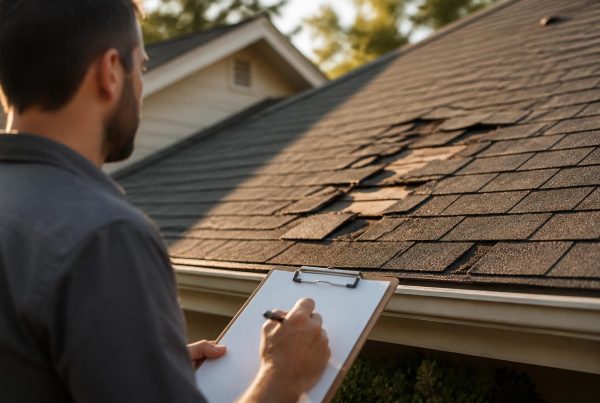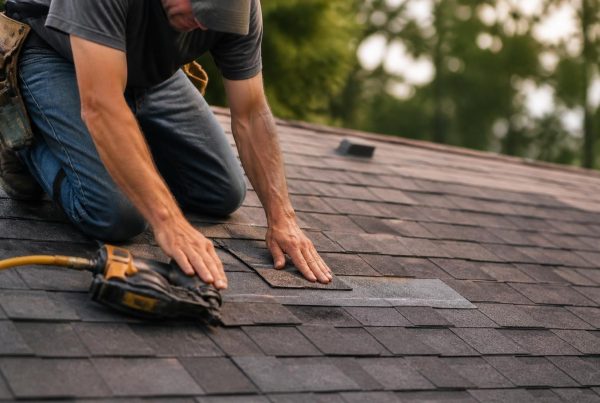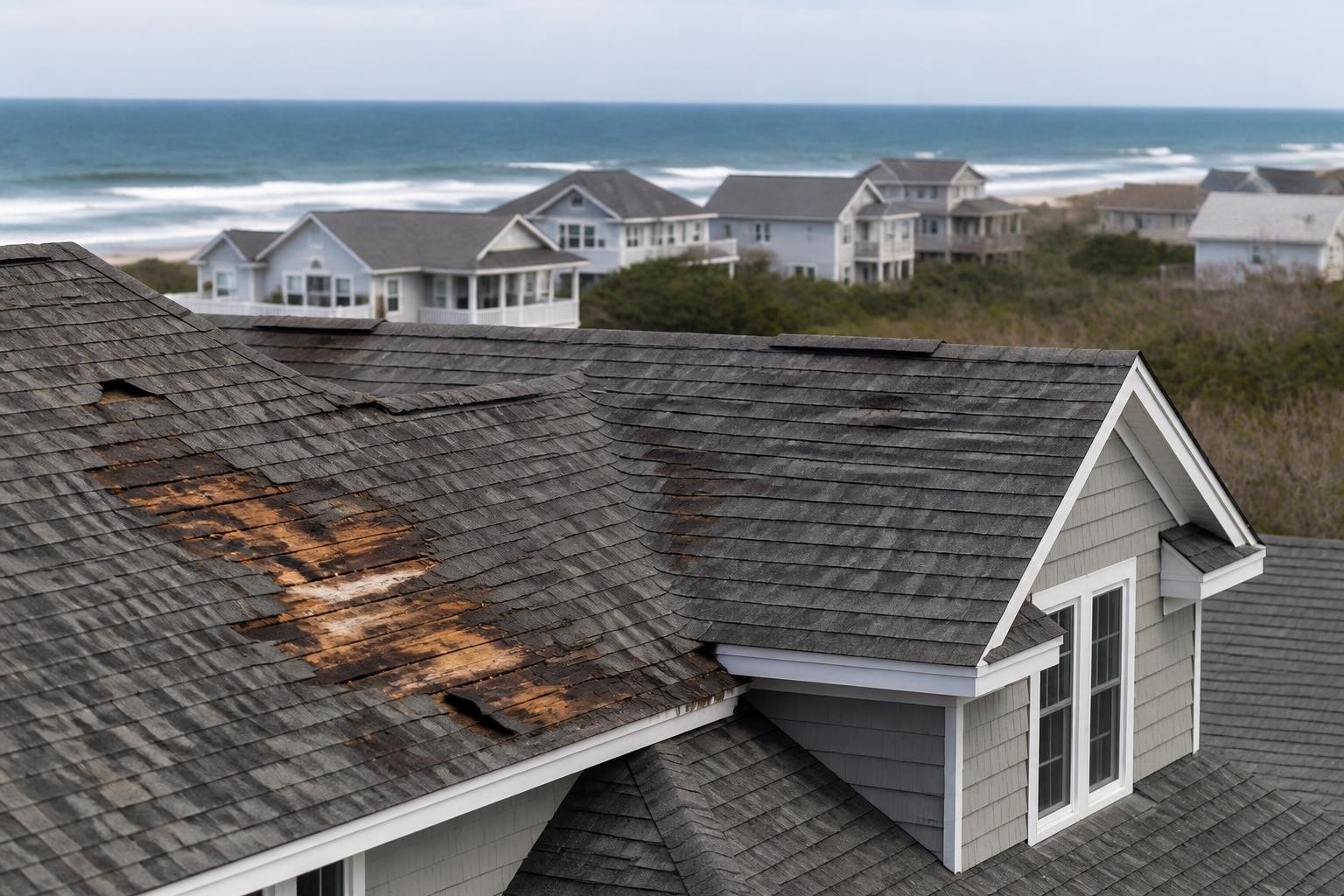
Your roof protects everything inside your home, but most homeowners don't think about it until something goes wrong. Knowing what to watch for can save you from emergency repairs and help you make better decisions when issues do appear. Understanding common roof problems homeowners face gives you a clearer picture of what's normal wear versus what needs immediate attention, especially in coastal North Carolina where weather conditions put extra stress on roofing materials.
Roof Leaks and Water Intrusion
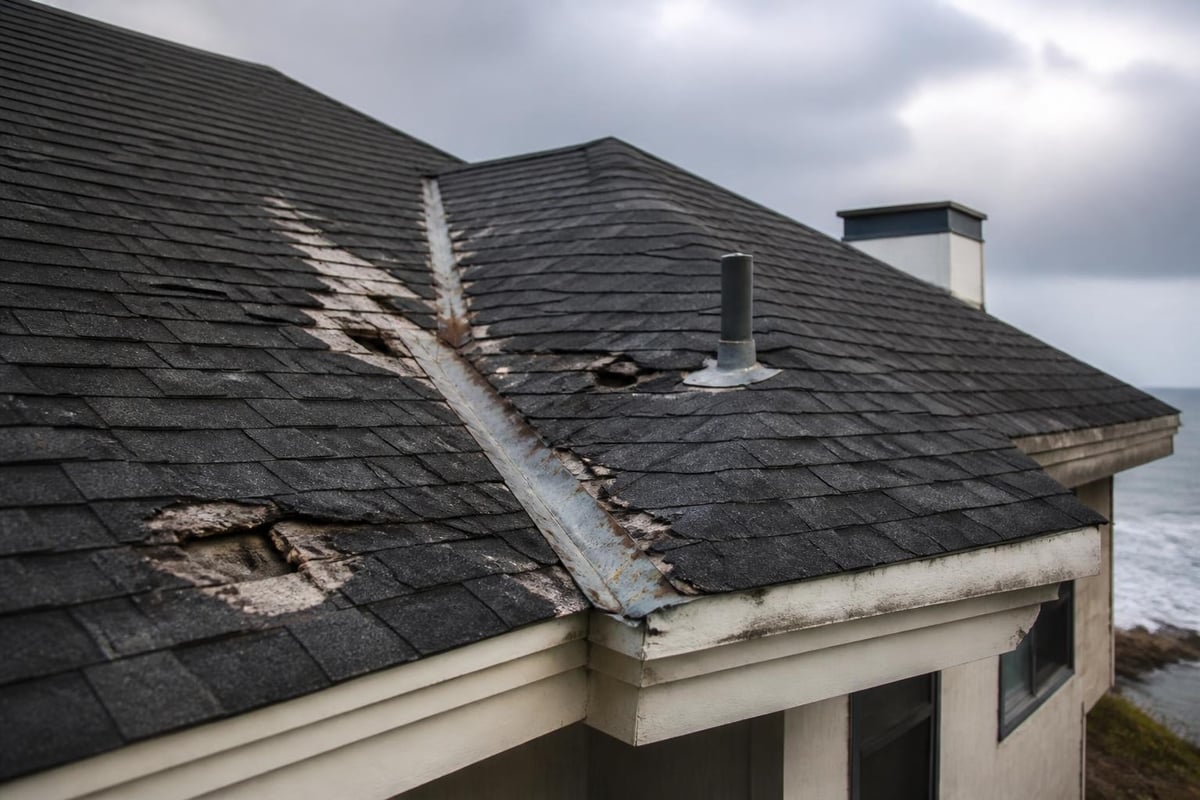
Water finding its way inside is one of the most common roof problems homeowners face. Leaks don't always show up directly below the entry point, which makes them tricky to track down.
Water can travel along rafters, insulation, or sheathing before dripping into a visible area. You might notice ceiling stains in one room while the actual roof breach sits several feet away. This happens frequently in older homes where the roof deck has settled unevenly over time.
Common leak entry points include:
- Flashing around chimneys and skylights
- Valleys where two roof planes meet
- Penetrations for vents and pipes
- Damaged or missing shingles
- Ice dam areas (less common in NC but possible)
Catching leaks early matters because water damage compounds quickly. What starts as a small drip can lead to rotted decking, damaged insulation, and mold growth within weeks. Most common roofing problems start small but grow into larger issues without prompt attention.
Finding the Source
Start in your attic during daylight hours. Look for water stains on the underside of the roof deck or moisture on insulation. Follow any stains upward and toward the roof peak to identify where water might be entering.
During rain, check your ceilings and walls for new moisture. Mark any spots you find so you can reference them later when conditions are dry. Some leaks only appear during wind-driven rain, which is common along the North Carolina coast where storms push water horizontally.
Missing or Damaged Shingles
Wind events regularly lift or tear shingles from roofs in Topsail, Surf City, and surrounding areas. A single missing shingle exposes the underlayment and decking to direct weather, accelerating wear across the entire section.
Damaged shingles come in several forms. Curling happens when edges lift away from the roof surface, usually from age or poor ventilation. Cracking splits shingles down the middle, often from thermal expansion and contraction. Blistering creates raised bumps from trapped moisture underneath.
| Damage Type | Cause | Urgency |
|---|---|---|
| Missing shingles | Wind, installation error | High |
| Curling edges | Age, heat, poor ventilation | Medium |
| Cracked shingles | Temperature cycles, impact | Medium-High |
| Blistering | Moisture, manufacturing defect | Medium |
| Granule loss | Age, hail, weathering | Low-Medium |
After storms, walk your property and look for shingles in the yard or stuck in gutters. Check the roof from ground level with binoculars if you can't safely access it. Dark patches on an asphalt shingle roof often indicate missing pieces or areas where granules have worn away completely.
Flashing Failures
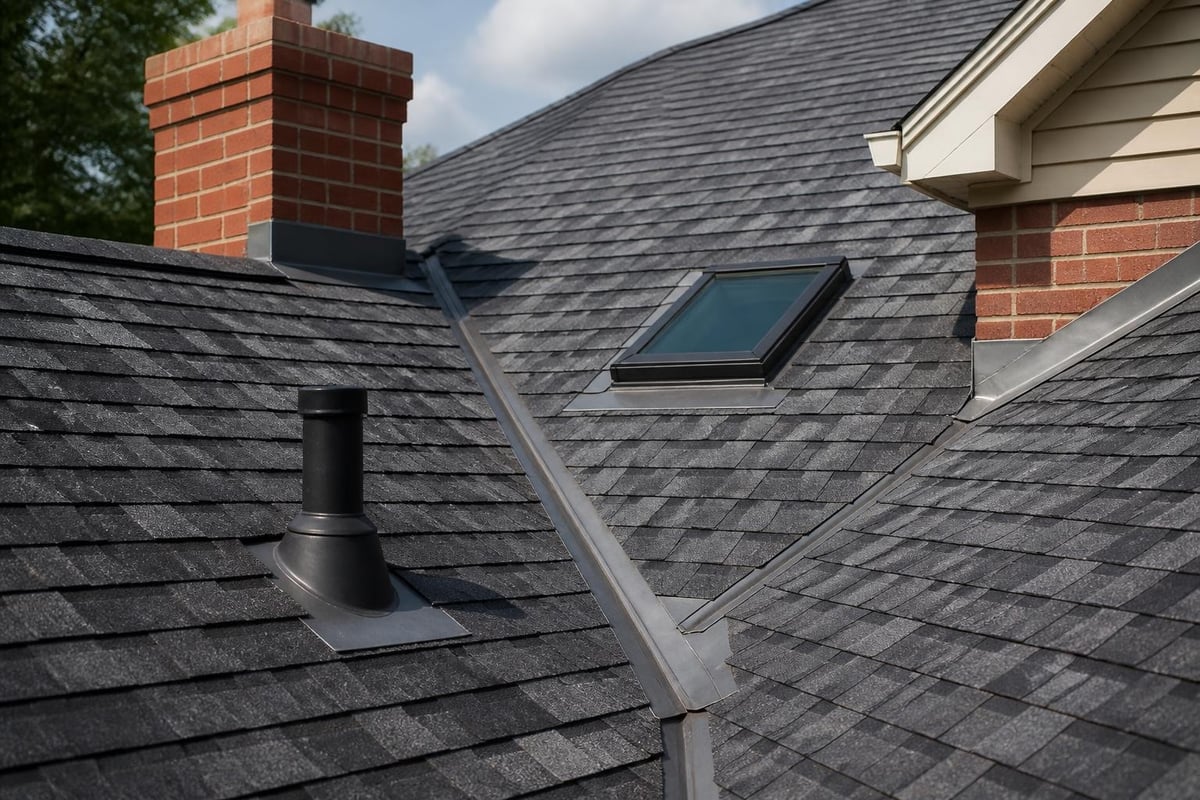
Flashing seals the joints where your roof meets walls, chimneys, skylights, and vents. These metal or rubberized barriers direct water away from vulnerable seams. When flashing fails, water pours directly into gaps that were meant to stay dry.
Common flashing problems include rust on older metal flashing, cracks in rubberized materials, and improper installation where pieces don't overlap correctly. Faulty installations often show up within the first few years as materials shift and settle.
You'll notice flashing issues most often around chimneys where step flashing meets counter flashing. These two-part systems need both pieces working together. If one fails, water channels straight down into your walls. Wall flashing where a roof meets siding is another frequent trouble spot, especially on homes with additions or complex rooflines.
Valley Flashing Concerns
Valleys collect water from both roof planes and direct it downward at higher volumes than flat sections. The flashing here takes more abuse than anywhere else on your roof.
Open valleys use metal channels visible from the ground. Closed valleys weave shingles together over underlayment. Both styles can fail, but closed valleys hide problems until leaks start. If you see shingle edges lifting in a valley or dark staining running down the center line, that's often an early warning sign.
Poor Ventilation and Moisture Buildup
Your attic needs airflow to stay healthy. Without proper ventilation, heat and moisture get trapped, which damages your roof from the inside. This is one of the common roof problems homeowners face that they can't see until serious damage has occurred.
Signs of ventilation problems:
- Excessive heat in upper rooms during summer
- Ice dams forming in winter (rare in Eastern NC)
- Mold or mildew in attic spaces
- Rusted nails poking through roof decking
- Wavy or warped shingles
Hot air rises into your attic, especially during summer months when temperatures in that space can hit 150 degrees. That heat needs somewhere to go. Ridge vents, gable vents, or power fans create exhaust paths. Soffit vents under the roof eaves allow cool air to enter from below.
When intake and exhaust don't balance, moisture condenses on cold surfaces. That condensation drips onto insulation and decking, causing rot that weakens structural elements. Roofing mistakes to avoid include blocking soffit vents during insulation upgrades or failing to add ridge vents during replacement projects.
Storm Damage and Wind Uplift
Coastal North Carolina sees regular tropical systems, nor'easters, and summer thunderstorms. Each event tests your roof's ability to stay attached and shed water. Understanding how wind affects roofing materials helps you know what to check after storms pass.
Wind doesn't just blow across your roof. It creates uplift pressure that tries to peel shingles away from the deck. The edges and corners of your roof face the strongest forces. That's why you'll often see damage concentrated at gable ends, eaves, and ridge lines after significant weather events.
- Immediate post-storm inspection from ground level using binoculars
- Check gutters and downspouts for granules or shingle pieces
- Look for lifted or creased shingles especially at roof edges
- Document any visible damage with photos and notes
- Schedule a professional inspection before calling insurance
Hail adds another dimension to storm damage. Small hail might just knock granules loose. Larger stones dent or crack shingles, compromise seals, and bruise the underlying materials. Some damage won't show up visually right away but shortens your roof's remaining lifespan significantly.
Roof repair decisions after storm events depend on the extent and location of damage. Isolated problems in a small area often call for targeted fixes rather than full replacement, which saves money while addressing the actual issue.
Structural Issues and Sagging
A roof that sags or dips indicates structural problems underneath. This isn't just about shingles anymore. You're looking at potential issues with rafters, trusses, or the decking itself.
Common causes include water damage that's rotted support beams, undersized framing that can't handle the load, or settling foundations that have shifted the entire structure. Age plays a role too, as decades of weight from roofing materials, snow, and equipment gradually compress framing members.
From ground level, sight down your roof lines. They should appear straight and even. Any visible dipping, especially in the middle of a span, suggests underlying trouble. Inside your attic, check for cracked or bowed rafters, water stains on wood, or gaps where framing pieces no longer meet properly.
Granule Loss and Shingle Aging
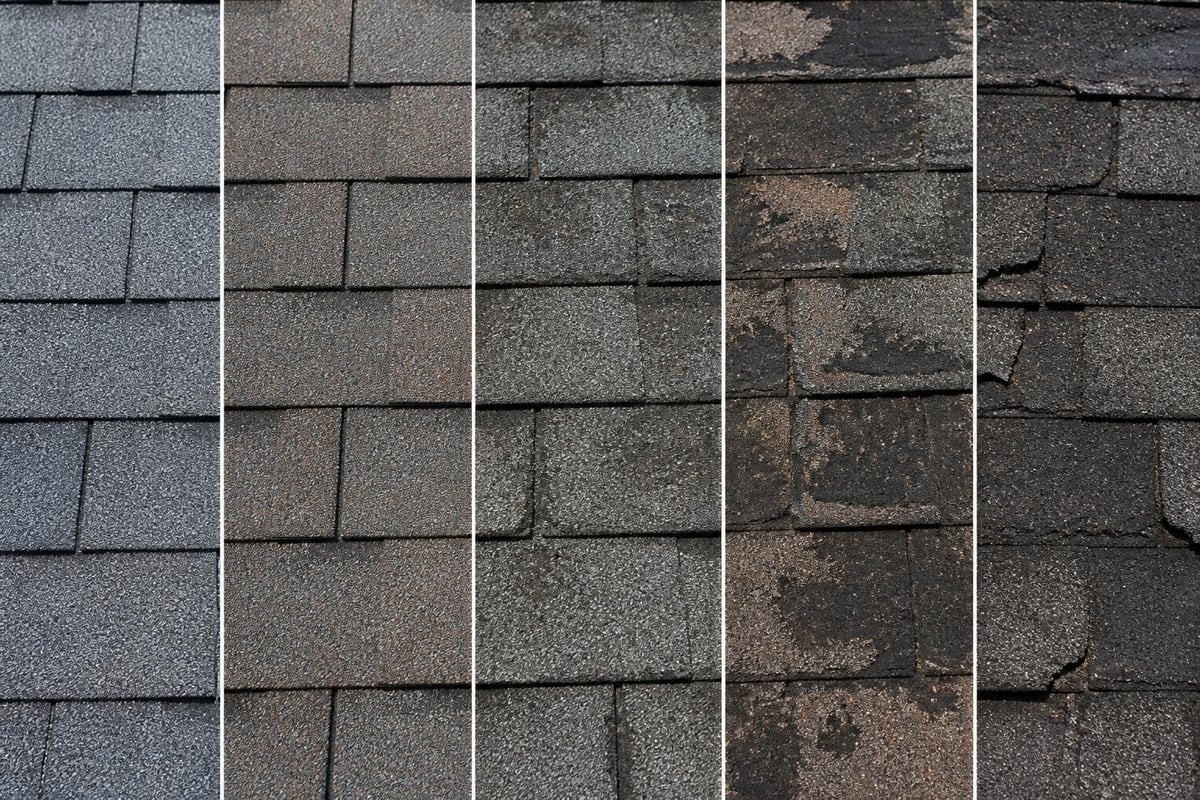
Asphalt shingles rely on ceramic granules embedded in their surface. These granules protect the asphalt layer from UV damage and add fire resistance. As shingles age, they shed granules naturally, but excessive loss signals approaching failure.
Check your gutters after rain. A small amount of granules is normal, especially on new roofs where loose pieces wash off. Heavy accumulation of sand-like material means your shingles are wearing out faster than expected. You might also notice bald spots on the shingles themselves where the dark asphalt base shows through.
| Age Range | Expected Condition | Action Needed |
|---|---|---|
| 0-5 years | Minimal granule loss | Monitor only |
| 5-10 years | Light, even loss | Annual inspection |
| 10-15 years | Moderate loss, some exposure | Plan for replacement |
| 15-20 years | Heavy loss, visible asphalt | Replace soon |
| 20+ years | Significant degradation | Immediate replacement |
Coastal sun exposure accelerates this process. South and west-facing roof sections typically age faster than north-facing areas. You might find yourself dealing with common roof problems homeowners face like uneven aging across different parts of the same roof.
Tree Damage and Debris
Overhanging branches create multiple problems for roofs. Leaves collect in valleys and behind chimneys, trapping moisture against shingles. Branches scrape across surfaces during wind events, wearing away protective granules. In severe weather, limbs can fall and puncture through to your living space.
Regular tree maintenance prevents most of these issues. Trim back any branches hanging over or touching your roof. Experts recommend keeping at least six feet of clearance between foliage and roofing materials. This space allows air circulation, prevents leaf accumulation, and eliminates pathways for squirrels and other wildlife trying to access your attic.
Moss and algae growth follows debris buildup. Shaded areas that stay damp support these organisms, which slowly work under shingle edges and lift them away from the deck. Common roof problems related to biological growth are more aesthetic than structural initially, but they compound over time if ignored.
Improperly Installed Materials
Not all roof problems stem from age or weather. Installation errors cause failures that show up months or years after the work was completed. These issues can be some of the most frustrating common roof problems homeowners face because they shouldn't have happened in the first place.
Installation mistakes that lead to problems:
- Nails placed too high or too low on shingles
- Insufficient starter strip at eaves
- Missing drip edge or improper flashing
- Inadequate underlayment in critical areas
- Shingles installed during wrong temperatures
Nailing errors are particularly common. Nails driven too high don't secure the shingle properly, allowing wind to lift edges. Nails placed too low create visible holes and stress points that leak. The correct placement sits just below the adhesive strip, catching both the installed shingle and the one above it.
Temperature during installation matters more than most homeowners realize. Asphalt shingles need warmth to seal properly. Installing them in cold weather or late evening when temperatures drop prevents the adhesive from bonding. Those shingles might look fine initially but fail to create weathertight seals.
Gutter and Drainage Problems
Your roof and gutters work together as a system. When gutters clog, overflow, or pull away from the fascia, water backs up under shingle edges or pours down exterior walls. Both scenarios create damage that starts at the roof line and works its way into your home's structure.
Leaves, pine needles, and debris fill gutters throughout the year. In coastal areas, salt spray and organic material accelerate this buildup. Water that can't flow through gutters sits still, finding any available gap to seep through. Overflowing gutters also dump water directly against your foundation, creating entirely separate problems below ground level.
Check gutter hangers and brackets regularly. These fasteners take stress from both the gutter system's weight and the water flowing through it. Loose gutters pull away from fascia boards, creating gaps where water channels behind the gutter instead of through it. That water soaks fascia and soffit materials, leading to rot that spreads into roof framing.
Choosing Repair Over Replacement
Many common roof problems homeowners face don't require full replacement. Targeted repairs address specific issues without the cost and disruption of tearing off your entire roof. The decision comes down to the problem's extent, your roof's overall age, and whether fixing one area will just postpone other failures.
A roof with isolated storm damage but otherwise sound materials makes sense to repair. The same goes for flashing failures, limited missing shingles, or small leak areas in an otherwise functional roof. These fixes extend your roof's life while keeping costs reasonable.
Full replacement makes more sense when you're dealing with widespread failures, multiple leak points across different areas, or a roof approaching the end of its expected lifespan. If repairs would cost more than 30 to 40 percent of replacement costs, you're often better off with new materials that come with fresh warranties and predictable performance.
Understanding what homeowners should watch for helps you have informed conversations with contractors. You'll know which problems justify concern and which ones are normal aging that can wait for scheduled replacement.
The Cost of Delayed Maintenance
Putting off roof repairs rarely saves money. Small problems become large ones given enough time. A few missing shingles turn into leaks. Leaks rot decking. Rotted decking requires structural repairs that cost significantly more than addressing those original missing shingles would have.
Water damage compounds particularly fast in coastal climates where humidity stays high. A small leak that might take months to cause serious damage in a dry climate can create mold and rot issues within weeks here. Once water reaches insulation, that material needs replacement too, adding to repair costs.
Regular inspections catch problems early when fixes are straightforward. Most roofing professionals recommend annual checkups, with additional inspections after significant storms. These visits cost far less than emergency repairs and give you time to plan and budget for necessary work rather than scrambling during a crisis.
Working With Insurance After Damage
Storm damage often qualifies for insurance coverage, but understanding how claims work helps you navigate the process smoothly. Most policies cover sudden, accidental damage from weather events but exclude wear and tear or gradual deterioration.
Document everything before calling your insurance company. Take clear photos of damaged areas from multiple angles. Note the date and approximate time damage occurred if you know it. Keep any pieces of roofing material you find in your yard after storms.
Your insurance adjuster will inspect the damage and determine coverage. Their assessment might differ from your contractor's opinion. Good contractors provide detailed reports that support claims without overstating damage. These insurance-ready roof reports help everyone understand exactly what happened and what repairs the roof actually needs.
Remember your deductible applies before insurance pays anything. If damage costs less than your deductible, filing a claim doesn't make financial sense. For borderline situations, ask your contractor for a detailed estimate before starting the claims process so you can make an informed choice.
Knowing the common roof problems homeowners face helps you stay ahead of serious damage and make smarter repair decisions. Regular inspections, prompt attention to small issues, and honest assessments of what your roof actually needs keep costs down and performance up. NC Roofs serves Hampstead, Topsail, Surf City, Wilmington, and surrounding coastal communities with clear roof reports and straightforward repair guidance focused on fixing what matters without unnecessary replacement pressure.