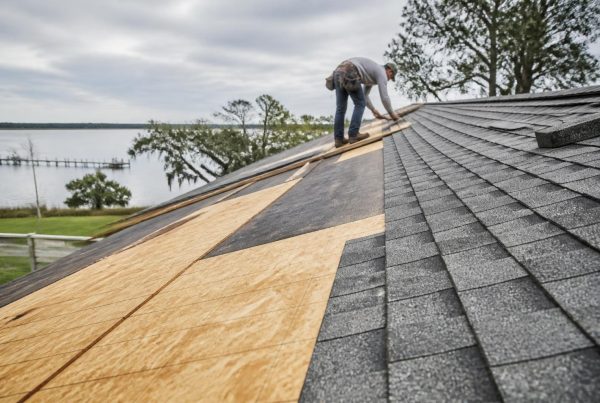
Choosing an NC roofing contractor can feel overwhelming, especially after storm damage or when you notice your first leak. The coastal communities of Eastern North Carolina face unique roofing challenges, from hurricane winds to salt air corrosion, and finding someone you can trust matters more than ever. Understanding what makes a qualified contractor, what licenses actually mean, and how to avoid common pitfalls helps you make a decision based on facts rather than pressure. This guide walks through what every homeowner should know before hiring a roofer in North Carolina.
What Makes Someone a Licensed NC Roofing Contractor
North Carolina requires specific licensing for roofing work depending on the project size and scope. When a roofing project exceeds $40,000, contractors must hold a general contractor license according to North Carolina General Statute Chapter 87. Below that threshold, contractors may work under different classifications, but understanding these distinctions helps you know what credentials to look for.
The North Carolina Licensing Board for General Contractors classifications include several categories that apply to roofing work. An unlimited general contractor can handle projects of any size, while limited contractors work within specific dollar amounts. Specialty contractors with an S(Roofing) classification focus exclusively on roofing systems.
Key licensing requirements include:
- Passing the NASCLA examination or equivalent
- Meeting age and experience requirements
- Providing proof of financial stability
- Obtaining required bonds and insurance
- Maintaining active licensure through continuing education
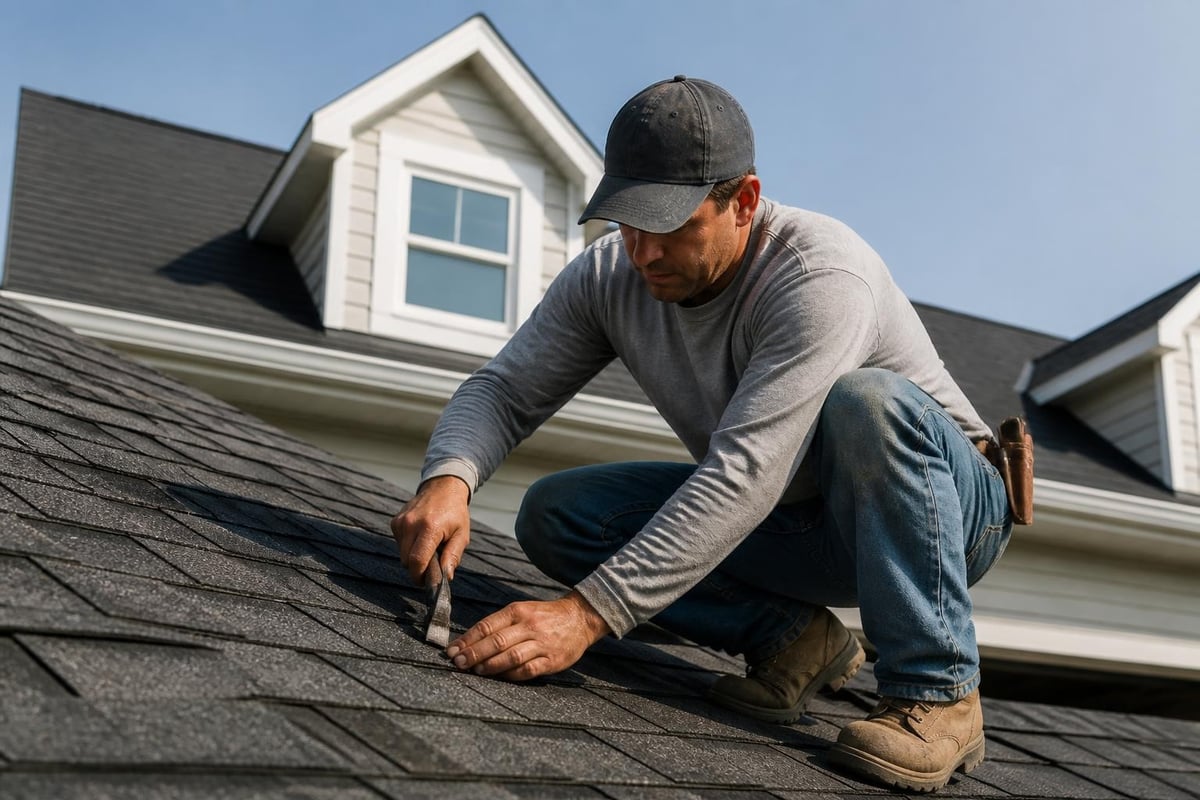
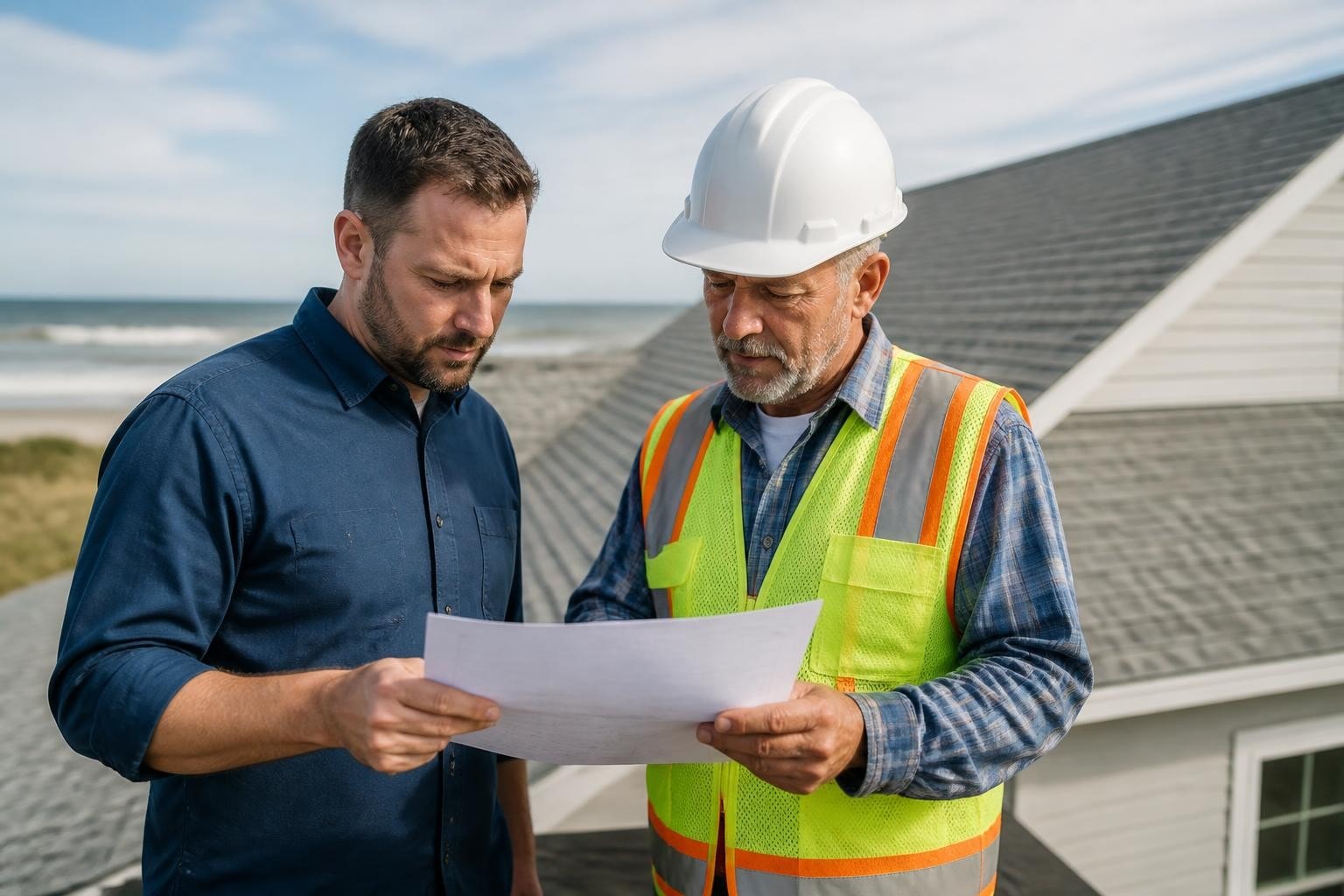
Before you hire anyone, ask to see their license number and verify it through the state board. A legitimate NC roofing contractor will provide this information without hesitation. If they dodge the question or claim they don't need a license for your job, that's a red flag worth paying attention to.
Why Coastal North Carolina Requires Different Expertise
Roofing in Topsail, Surf City, Holly Ridge, and Wilmington isn't the same as roofing inland. Salt air accelerates metal corrosion, high winds test every fastener, and humidity creates conditions where small issues become big problems fast. An NC roofing contractor familiar with coastal conditions understands these factors and builds accordingly.
Wind uplift resistance matters more here than in most regions. Shingles rated for 130 mph winds might sound excessive until you've lived through a coastal storm. Experienced contractors know which products hold up and which ones fail when tested by ocean weather.
| Coastal Challenge | Impact on Roofing | What Contractors Should Know |
|---|---|---|
| Salt Air Exposure | Corrodes metal flashing, fasteners, and vents | Use corrosion-resistant materials, check metal components regularly |
| High Wind Events | Lifts shingles, damages flashing, stresses structure | Proper fastening patterns, edge protection, wind-rated materials |
| Heavy Humidity | Promotes mold, algae, and wood rot | Adequate ventilation, algae-resistant shingles, regular inspections |
| Storm Surge/Rain | Tests flashing and underlayment integrity | Quality underlayment, ice and water shield in valleys, proper installation |
An NC roofing contractor who primarily works inland might not anticipate these issues. Ask about their experience with coastal installations specifically. How do they handle high wind zones? What materials do they recommend for salt air environments? Their answers tell you whether they understand your roof's actual challenges.
How to Choose the Right Contractor for Your Roof
Price matters, but it shouldn't be the only factor driving your decision. The cheapest bid often comes from someone cutting corners you won't notice until water starts dripping through your ceiling. The highest bid doesn't guarantee better work, either. Finding value means understanding what you're actually getting.
Questions Every Homeowner Should Ask
Start with the basics. How long has the contractor been in business locally? References from recent coastal projects give you real insight into their work quality and reliability. A contractor who's been serving the same communities for years has a reputation to protect.
Essential questions to ask:
- What's your license number and classification?
- Can you provide current insurance certificates?
- Do you pull permits for this type of work?
- What's your warranty on labor and materials?
- How do you handle unexpected damage discovered during work?
- What's your typical timeline from start to finish?
Ask about their process for identifying problems before work begins. Some contractors start tearing off your old roof before fully understanding what's underneath. A roof report documents current conditions, explains issues clearly, and helps you understand whether repair or replacement makes more sense for your situation.

Red Flags That Signal Problems
Certain behaviors should immediately raise concerns. Storm chasers who show up after hurricanes, pressure you for immediate decisions, and disappear once the check clears cause more problems than they solve. Legitimate NC roofing contractors don't need high-pressure tactics to earn your business.
Watch out for contractors who:
- Request full payment upfront
- Don't provide written estimates
- Claim permits aren't necessary
- Offer unusually short completion timelines
- Can't explain their licensing status
- Refuse to provide proof of insurance
- Push you toward insurance claims for questionable damage
Trust your instincts. If something feels off during initial conversations, it probably is. A professional contractor answers questions clearly, explains their process, and gives you time to make decisions without pressure.
Understanding What Different Contractors Actually Offer
Not every NC roofing contractor provides the same services or operates the same way. Some focus exclusively on insurance work, while others prefer direct homeowner relationships. Understanding these differences helps you find the right fit for your specific needs.
Repair Specialists vs. Replacement Focused Companies
Some contractors prefer full replacements because they're more profitable and predictable. Others handle everything from minor leak repairs to complete tear-offs. For homeowners, this distinction matters because it affects the recommendations you receive.
A contractor who primarily does replacements might suggest a new roof when targeted roof repair would solve your problem at a fraction of the cost. That doesn't mean they're dishonest; it might just mean repairs fall outside their preferred scope. However, you deserve options based on your roof's actual condition, not a contractor's business model.
Ask directly: "If this roof only needs repair in specific areas, would you handle that, or do you primarily focus on replacements?" The answer tells you whether you'll get unbiased recommendations.
Insurance Work and Direct Pricing
Insurance claims involve a different process than direct homeowner work. Some NC roofing contractors specialize in navigating insurance adjusters, documentation requirements, and supplemental claims. Others prefer straightforward pricing without insurance company involvement.
| Work Type | Typical Process | What Homeowners Should Know |
|---|---|---|
| Insurance Claim | Inspection, documentation, adjuster meeting, possible supplemental claims | Timeline depends on insurer; final cost may differ from estimate |
| Direct Pay | Estimate, approval, scheduled work, payment upon completion | Price is fixed; no insurance delays or complications |
| Mixed Approach | Some repairs through insurance, additional work direct | Requires clear separation of what insurance covers vs. out-of-pocket |
Neither approach is inherently better, but transparency matters. You should know upfront whether a contractor typically works through insurance or direct payment, and how that affects their process and pricing.
What Legitimate Credentials Actually Mean
The North Carolina contractor licensing FAQ outlines specific requirements every licensed contractor must meet. These aren't arbitrary rules; they're designed to protect homeowners from unqualified or financially unstable contractors who might leave projects incomplete or cause more damage than they fix.
Beyond the License: Insurance and Bonds
A license proves someone passed an exam and met minimum requirements. Insurance and bonds protect you if something goes wrong. General liability insurance covers property damage during work. Workers' compensation protects you from liability if someone gets injured on your property.
Essential coverage every NC roofing contractor should carry:
- General liability insurance ($1 million minimum recommended)
- Workers' compensation for all employees
- Commercial auto insurance for company vehicles
- Performance and payment bonds for larger projects
Request certificates of insurance directly from the contractor's insurance company, not just copies the contractor provides. This verifies coverage is current and active. If a contractor claims they're covered under someone else's policy, verify that arrangement independently.
Local vs. Out-of-State Contractors
After major storms, contractors from across the country descend on affected areas. Some are legitimate companies genuinely helping with recovery. Others disappear as soon as they collect payment, leaving homeowners with incomplete work and no recourse.
Local NC roofing contractors have addresses you can visit, references you can check in nearby neighborhoods, and reputations that matter beyond a single project. They'll be around next year if you need warranty work or develop new issues. Out-of-state contractors might offer lower prices, but the risk often outweighs potential savings.

Fair Pricing and What You're Actually Paying For
Roofing prices vary based on materials, labor, project complexity, and market conditions. Understanding what drives costs helps you evaluate whether an estimate reflects fair value or includes unnecessary upsells.
What Affects Your Project Cost
Roof size matters, but it's not the only factor. Pitch affects how quickly crews can work safely. The number of penetrations, valleys, and angles affects material waste and labor time. Existing damage discovered during tear-off changes the scope.
- Material selection: Architectural shingles cost more than three-tab but last longer and look better
- Underlayment quality: Synthetic underlayment costs more than felt but performs better in coastal conditions
- Ventilation improvements: Adding ridge vents or intake vents extends roof life but adds to project cost
- Decking replacement: Damaged plywood isn't optional; it must be replaced for a solid roof
- Flashing upgrades: Proper flashing prevents leaks but requires skilled installation and quality materials
An NC roofing contractor should explain each line item and why it matters for your specific roof. If something seems expensive, ask why. Good contractors explain their reasoning; questionable ones get defensive or vague.
When Low Bids Cost More Long-Term
The lowest estimate sometimes reflects efficiency or fair pricing. More often, it signals shortcuts that create future problems. Missing underlayment, improper fastening, or skipped flashing might save a few hundred dollars today but cost thousands in water damage repairs later.
Compare estimates line by line. Does every contractor include the same scope of work? Are they using comparable materials? Does one estimate include permitting and cleanup while another doesn't mention them? These details matter more than the bottom line number.
The Difference Between Sales Pressure and Honest Guidance
Legitimate NC roofing contractors educate rather than pressure. They explain what they found, what it means for your home, and what options make sense. They answer questions without frustration and give you time to think things through.
How Honest Contractors Communicate
A roof inspection should feel like a doctor explaining test results, not a salesperson pushing a product. You should leave the conversation understanding what's happening with your roof, what will happen if you wait, and what different solutions cost.
Contractors focused on honest guidance:
- Show you the actual damage, not just describe it
- Explain repair options before jumping to replacement
- Provide written documentation of findings
- Give you time to review estimates without pressure
- Acknowledge when competitors might be better fits for your needs
If a contractor claims your roof is an emergency requiring immediate replacement but can't show you specific damage, get a second opinion. Real emergencies involve visible leaks, major structural damage, or active deterioration. Most roofing issues develop gradually and allow time for careful decisions.
When Repair Makes More Sense Than Replacement
Not every damaged roof needs complete replacement. Localized storm damage, a failing valley, or worn flashing around a chimney might need targeted repair while the rest of the roof remains sound for years. An honest NC roofing contractor tells you when repair solves your problem without upselling you to a full replacement.
Age alone doesn't determine whether a roof needs replacement. A 20-year-old roof with isolated damage might need spot repairs. A 10-year-old roof improperly installed might need complete replacement. Condition matters more than age.
Working With Your Chosen Contractor Effectively
Once you've selected an NC roofing contractor, clear communication and realistic expectations make the project smoother for everyone involved. Understanding the typical process helps you know what to expect at each stage.
Project Timeline and Communication
Weather affects roofing schedules more than almost any other construction work. Contractors can't install shingles in rain or extreme heat. Wind delays tear-off work. A project scheduled for one week might stretch to two because of conditions beyond anyone's control.
Typical project phases:
| Phase | Duration | What Happens |
|---|---|---|
| Permitting | 1-5 days | Contractor pulls required permits, submits plans |
| Material Delivery | 1-3 days | Shingles and supplies arrive, often delivered to roof |
| Tear-Off | 1 day | Old roofing removed, damage assessed, decking inspected |
| Installation | 1-3 days | Underlayment, shingles, flashing, and ridge installed |
| Cleanup and Inspection | 1 day | Debris removed, final inspection, permit closed |
Ask your contractor how they handle communication during the project. Will they update you daily? What happens if they discover unexpected damage? Who makes decisions if you're not available? Establishing these details upfront prevents confusion later.
Handling Unexpected Issues
Almost every roofing project uncovers something unexpected once the old materials come off. Damaged decking, improper previous repairs, or hidden leaks appear only after tear-off begins. Legitimate contractors stop work, document the issue, explain options, and get approval before proceeding.
This is where written contracts matter. Your agreement should specify how change orders work, who authorizes additional work, and how pricing gets adjusted for unforeseen issues. Without these details in writing, you're vulnerable to disputes about what was agreed upon.
What Happens After Installation
Your relationship with an NC roofing contractor doesn't end when the last shingle goes down. Warranties, follow-up inspections, and ongoing maintenance all factor into long-term roof performance.
Understanding Warranty Coverage
Most roofing projects include two separate warranties: manufacturer coverage on materials and contractor coverage on labor. These work differently and cover different issues.
Material warranties typically cover defects in shingles themselves but exclude installation errors or weather damage. Labor warranties cover workmanship issues like improper fastening or flashing failures. Know what each warranty covers, how long it lasts, and what actions void coverage.
Common warranty exclusions:
- Damage from subsequent storms or fallen objects
- Issues caused by other contractors working on the roof
- Problems related to inadequate attic ventilation
- Algae or moss growth (cosmetic, not functional)
- Normal wear and tear beyond warranty period
Get warranty details in writing before work begins. Some contractors offer extended labor warranties for an additional fee. Evaluate whether that investment makes sense based on the contractor's track record and your roof's complexity.
Maintenance and Future Inspections
Even the best installation needs occasional attention. Coastal conditions accelerate wear on every roofing component. Annual inspections catch small issues before they become expensive problems.
Ask whether your NC roofing contractor offers maintenance services or inspection programs. Some provide annual checkups included in their labor warranty. Others charge separately but prioritize warranty customers for scheduling.
Regular maintenance typically involves:
- Clearing debris from valleys and gutters
- Checking flashing for separation or corrosion
- Inspecting shingles for wind damage or lifting
- Examining penetrations for seal failure
- Documenting roof condition for future reference
These inspections don't require a full crew or significant time investment, but they protect your roofing investment and help you avoid emergency repairs during the next storm season.
Choosing an NC roofing contractor comes down to finding someone who prioritizes your roof's actual needs over their bottom line. Look for clear communication, proper credentials, and honest recommendations based on real conditions rather than sales targets. NC Roofs serves coastal North Carolina homeowners with transparent roof reports, fair pricing, and guidance that helps you understand what's happening with your roof before making any decisions.