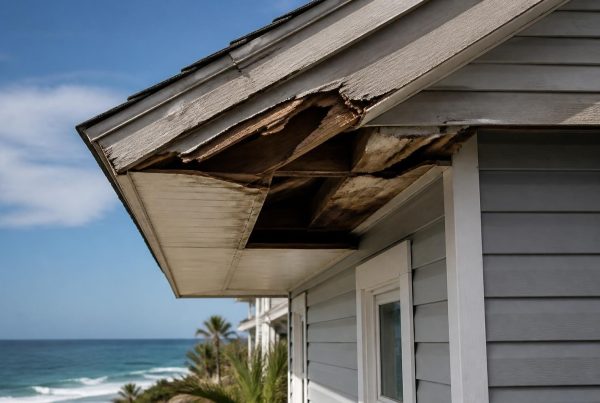
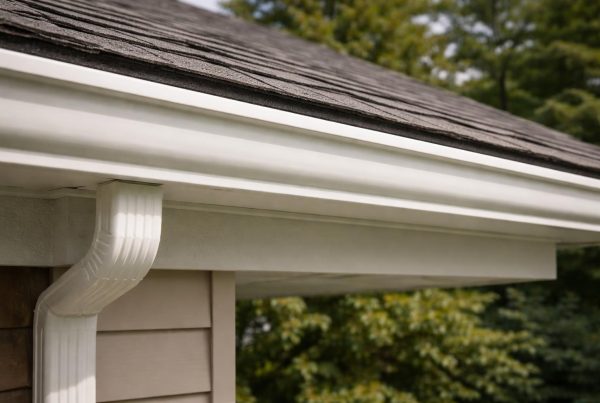
Built up roofs have been a reliable choice for flat and low-slope roofing since the mid-1800s. You'll find them most often on commercial buildings, apartment complexes, and industrial structures across Eastern North Carolina and throughout the country. These roofs stack multiple layers of waterproofing materials to create a thick, durable barrier that handles water differently than the pitched roofs common on residential homes. Understanding how built up roofs work helps property owners make informed decisions about repairs, replacements, and long-term maintenance needs.
What Built Up Roofs Actually Are
Built up roofs, often called BUR systems, consist of alternating layers of reinforcing fabric and bitumen. The fabric acts as structural reinforcement while the bitumen provides waterproofing. Most systems use three to five layers, though some applications call for more.
The reinforcing fabric comes in several forms:
- Fiberglass mat – lightweight, rot-resistant, common in modern installations
- Organic felt – traditional material, less common now
- Polyester fabric – stronger, more flexible, used in specialized applications
The bitumen bonds everything together and creates the waterproof seal. Coal tar and asphalt are the two main types used in built up roofing systems. Coal tar offers better waterproofing properties and resists ponding water, while asphalt costs less and works well in most applications.
A surface layer protects the underlying materials from UV damage and weathering. This top coat might be gravel, mineral granules, or a reflective coating.
The Installation Process
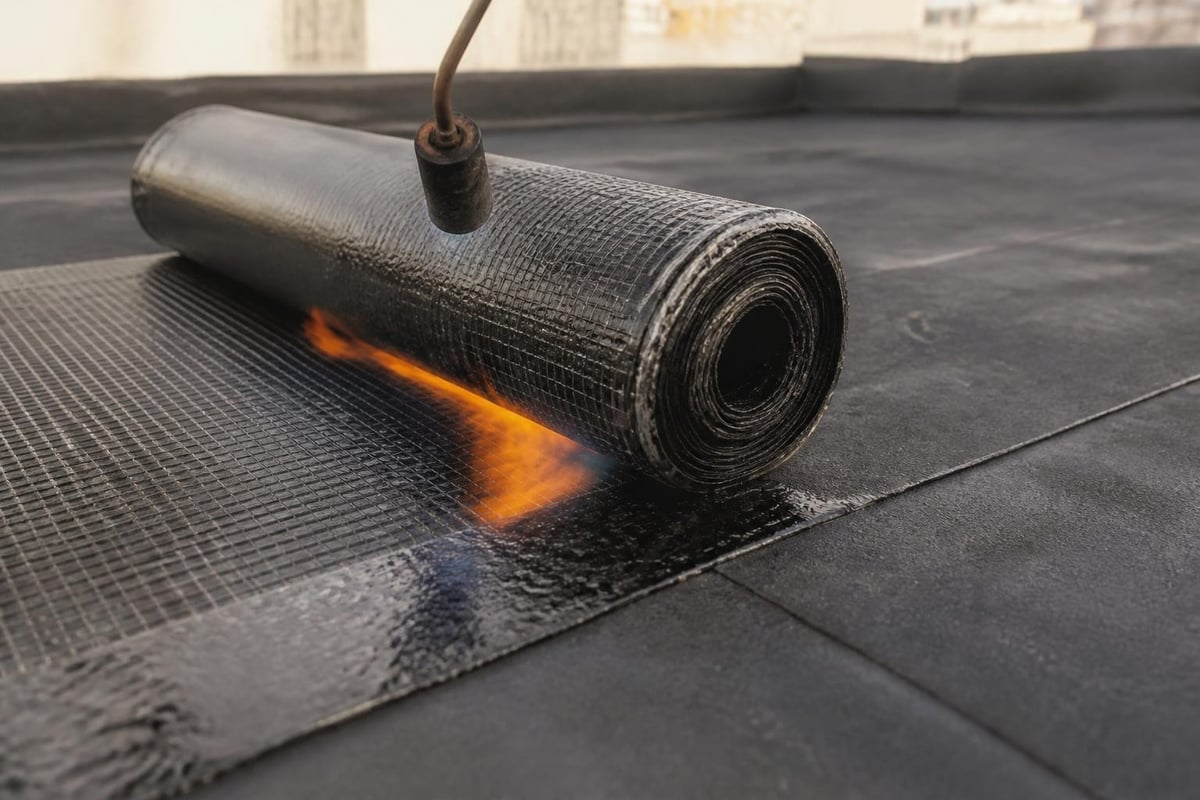
Installing built up roofs requires specialized equipment and experienced crews. The process starts with a clean, dry deck, typically made of concrete, wood, or metal. A base sheet goes down first, mechanically fastened to the deck.
Workers then heat the bitumen in a kettle until it reaches the right temperature for application. They mop the hot bitumen onto the base sheet, lay down a reinforcing fabric, and repeat the process. Each layer overlaps the previous one to eliminate gaps where water could penetrate.
The number of plies determines the system's designation. A three-ply system has three layers of reinforcing fabric with bitumen between and on top of each layer. More plies generally mean longer life and better performance, but also higher initial cost.
After the final bitumen layer, crews apply the surfacing material. Gravel gets embedded into hot bitumen, creating what's called an aggregate surface. This protects against UV rays, provides fire resistance, and helps distribute weight from foot traffic.
Benefits of Built Up Roofing Systems
Built up roofs deliver several advantages that explain their continued use after more than a century. The multiple layers create redundancy, so if one layer develops a small problem, the others continue protecting the building.
Durability stands out as a primary benefit. Properly installed and maintained built up roofs regularly last 20 to 30 years, with some systems exceeding 40 years. The thick cross-section resists punctures better than single-ply membranes.
Fire resistance matters for many building codes and insurance requirements. Gravel-surfaced built up roofs typically achieve Class A fire ratings, the highest available. The aggregate layer prevents flames from spreading across the roof surface.
Cost-effectiveness makes built up roofs attractive for certain projects. While installation costs more than some newer systems, the long lifespan and proven performance often result in lower lifetime costs. Materials are widely available and many contractors understand the installation process.
The construction methods used in built-up roofing provide flexibility for different building types and climates. Systems can be customized based on expected weather conditions, building use, and budget constraints.
| Benefit | Description | Typical Performance |
|---|---|---|
| Lifespan | Multiple protective layers | 20-30 years, some exceed 40 |
| Fire Rating | Aggregate surface protection | Often achieves Class A |
| Puncture Resistance | Thick cross-section | Better than single-ply systems |
| Customization | Adjustable ply count | Tailored to specific needs |
Common Issues and Maintenance Needs
Like any roofing system, built up roofs face specific challenges that owners should understand. Blistering occurs when moisture or air gets trapped between layers, causing bubbles to form. These blisters can rupture and create leak points if left unaddressed.
Ponding water presents another concern. While built up roofs handle standing water better than many alternatives, prolonged ponding accelerates deterioration. Water that remains on the surface for more than 48 hours after rain indicates drainage problems that need correction.
Cracking and splitting develop as the roof ages and the bitumen becomes brittle from UV exposure and temperature cycling. The aggregate surface slows this process, but eventually cracks appear, especially in high-stress areas around penetrations and edges.
Regular maintenance extends the life of built up roofs significantly. A basic maintenance program includes:
- Quarterly inspections to identify developing problems
- Debris removal to prevent drainage blockages
- Drain and scupper cleaning to ensure proper water flow
- Surface restoration when the aggregate layer thins
- Immediate leak repair when problems are detected
The effects of moisture in built-up roofing systems have been well-documented, showing how early detection and prompt repairs prevent small issues from becoming major failures.
Repair Considerations
Built up roof repairs differ from pitched roof work. The layered construction allows for localized repairs in many cases. A skilled contractor can cut out damaged sections and rebuild that area without replacing the entire roof.
Common repair types include:
- Blister removal and patching
- Crack filling and coating
- Flashing replacement around penetrations
- Gravel redistribution or addition
- Localized membrane replacement
Deciding between repair and replacement depends on several factors. Age plays a role, but condition matters more. A 25-year-old roof with good maintenance might have years of life remaining, while a 15-year-old neglected roof might need replacement.
If you're evaluating a commercial property or dealing with a flat roof issue, getting professional documentation helps. A detailed roof report provides the information needed to make informed decisions about repairs versus replacement, especially when insurance claims or property transactions are involved.

Built Up Roofs vs. Modern Alternatives
The roofing industry has introduced several alternatives to traditional built up roofing over the past few decades. Understanding how they compare helps property owners make the right choice for new construction or replacement projects.
Single-ply membranes like TPO, PVC, and EPDM offer faster installation and lighter weight. They come in large sheets that reduce the number of seams. However, they lack the redundancy of built up roofs and can be more vulnerable to punctures.
Modified bitumen systems share some similarities with built up roofs but use factory-fabricated sheets with modified asphalt. They install faster than traditional built up roofs and offer good performance, representing something of a middle ground between BUR and single-ply systems.
Spray polyurethane foam creates a seamless, insulated roof system. It works well for complex roof shapes and provides excellent insulation value. The initial cost runs higher and the surface requires regular recoating to prevent UV degradation.
| System Type | Installation Speed | Typical Lifespan | Puncture Resistance | Initial Cost |
|---|---|---|---|---|
| Built Up Roof | Slower | 20-30+ years | Excellent | Moderate to High |
| Single-Ply Membrane | Fast | 15-25 years | Good | Low to Moderate |
| Modified Bitumen | Moderate | 15-25 years | Very Good | Moderate |
| Spray Foam | Fast | 20-30 years | Fair | High |
Built up roofs continue to make sense for many applications despite newer options. Buildings with high foot traffic benefit from BUR's durability. Facilities where fire resistance is critical often specify built up roofs with aggregate surfacing. Projects in coastal areas like Eastern North Carolina sometimes choose built up roofs for their proven performance in harsh weather conditions.
Climate Considerations for Coastal Properties
Built up roofs perform differently depending on climate conditions. In coastal North Carolina, several factors influence how these systems hold up over time.
Wind resistance matters significantly in areas prone to hurricanes and tropical storms. Aggregate-surfaced built up roofs can experience gravel blow-off during severe wind events. Proper installation includes adequate bitumen to hold the stones in place, but extreme winds sometimes overwhelm even well-built systems.
Salt air exposure affects all roofing materials along the coast. Built up roofs handle salt better than many metal systems that corrode, but bitumen can still degrade faster in marine environments. Regular inspections help catch deterioration before leaks develop.
Temperature cycling in coastal climates is generally less extreme than inland areas, which benefits built up roofs. The constant expansion and contraction that happens with daily temperature swings contributes to cracking over time. Moderate coastal temperatures reduce this stress.
Humidity and moisture present ongoing challenges. The moisture problems in built-up roofs documented by researchers show how water vapor can migrate through the system if not properly designed. Vapor barriers and ventilation considerations become especially important in humid climates.
For commercial property owners in areas like Wilmington, Topsail, or Surf City, these climate factors should inform maintenance schedules and inspection priorities. More frequent inspections help identify wind damage, surface deterioration, and drainage issues before they cause interior damage.
When Built Up Roofs Make the Most Sense
Certain building types and situations favor built up roofing over alternatives. Understanding these scenarios helps property owners choose wisely.
Large commercial buildings with simple roof layouts often benefit from built up roofs. The economies of scale work in favor of BUR systems on bigger projects. The material costs spread across a large area, and experienced crews can work efficiently.
Buildings requiring high fire ratings represent ideal candidates for built up roofs. Schools, hospitals, and multi-family housing often face strict fire codes that aggregate-surfaced BUR systems easily meet.
Properties with budget constraints but long-term ownership might choose built up roofs for their durability and life-cycle value. While the initial cost exceeds some alternatives, the long lifespan and repair-friendly nature can result in lower total costs over decades.
Replacement projects where an existing built up roof already exists sometimes favor installing another BUR system. The deck and structural components are already designed for the weight, and the building owner understands the maintenance requirements.
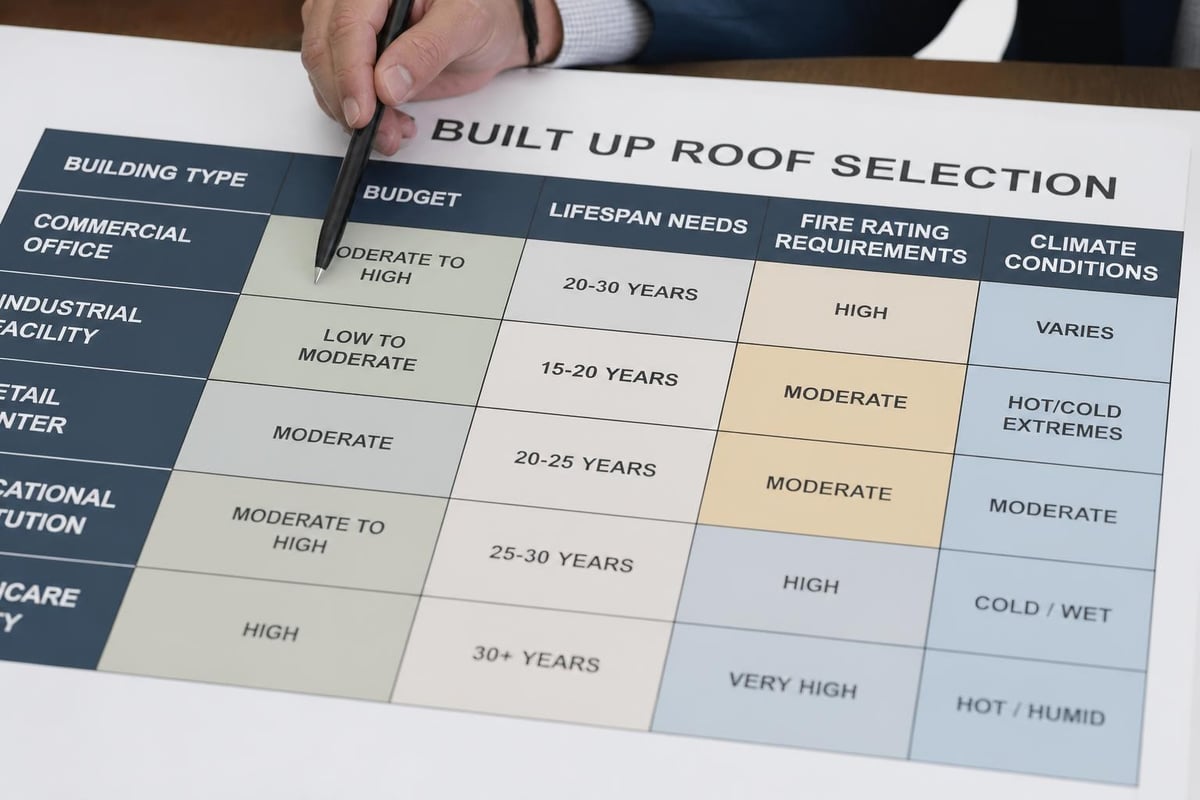
The Role of Professional Assessment
Evaluating built up roofs requires specific knowledge and experience. These multi-layer systems hide problems beneath the surface that become obvious only when expertise guides the inspection process.
Professional assessment becomes especially important when:
- Purchasing commercial property with a built up roof
- Planning capital improvements and budgeting for roof work
- Investigating leaks or performance issues
- Filing insurance claims after storm damage
- Deciding between major repair and full replacement
The introduction to built-up roofing systems explains how various components work together, but identifying specific problems requires hands-on evaluation by someone who understands these systems.
Key assessment areas include:
- Surface condition – checking aggregate distribution, coating integrity, visible cracks
- Drainage performance – evaluating water flow, identifying ponding areas
- Membrane integrity – looking for blisters, splits, and separation between layers
- Flashing condition – examining transitions, penetrations, and edges
- Structural concerns – noting sagging, inadequate slope, deck problems
Documentation matters as much as the inspection itself. Detailed reports with photos, measurements, and clear explanations help property owners understand exactly what's happening with their roof and what options make sense.
Understanding Costs and Budgeting
Built up roof costs vary based on several factors that property owners should understand when budgeting for new installation or replacement. The number of plies directly affects price, with more layers costing more but also lasting longer.
Installation cost factors:
- Number of plies (three-ply, four-ply, five-ply)
- Type of bitumen (asphalt vs. coal tar)
- Surfacing choice (aggregate, mineral cap, coating)
- Roof size and complexity
- Accessibility and building height
- Regional labor rates
- Tear-off requirements if replacing existing roof
In 2026, typical built up roof installation costs range from $6 to $12 per square foot for commercial projects. A basic three-ply asphalt system with gravel surfacing falls on the lower end, while a five-ply coal tar system costs more but delivers superior waterproofing and longevity.
Long-term costs to consider:
- Annual inspection and maintenance ($500-$2,000 for typical commercial buildings)
- Periodic repairs ($1,000-$10,000 depending on scope)
- Surface restoration or recoating (typically needed every 10-15 years)
- Insurance premiums (fire-rated systems may reduce costs)
The ASTM standards for sampling and analyzing built-up roofs provide guidelines professionals use when evaluating existing systems, which helps ensure accurate cost estimates for repairs or replacement.
Comparing life-cycle costs rather than just initial installation prices gives a more complete picture. A built up roof costing $8 per square foot that lasts 30 years works out to about $267 per square per year. A cheaper alternative at $5 per square foot lasting 15 years costs $333 per square per year.
Tear-Off vs. Overlay Decisions
When replacing an existing built up roof, property owners face the choice between complete tear-off or overlaying a new system on top of the old one. Each approach has distinct advantages and limitations.
Complete tear-off involves:
- Removing all existing roofing materials down to the deck
- Inspecting and repairing structural issues
- Installing an entirely new system
- Higher upfront cost but clean slate for maximum lifespan
Overlay installation includes:
- Installing new roofing over the existing surface
- Lower initial cost from reduced labor and disposal fees
- Faster completion with less disruption
- Weight limitations and code restrictions
Building codes in most areas limit the number of roof layers allowed, typically two or three total. Adding another layer when the maximum has been reached requires tear-off. The deck must also support the additional weight of overlay systems.
Moisture in the existing roof presents a critical consideration. Installing new roofing over wet materials traps that moisture, leading to rot, mold, and premature failure of the new system. Professional moisture surveys using infrared thermography or electrical impedance testing help identify wet areas before making overlay decisions.
The review of blistering causes and treatments in built up roofs shows how trapped moisture contributes to system failure, reinforcing why dry substrate conditions matter so much for successful overlays.
Making Informed Roofing Decisions
Property owners benefit from understanding built up roofs before making decisions about new construction, replacement, or major repairs. These proven systems offer specific advantages that align well with certain building types and ownership situations.
The redundancy of multiple layers provides peace of mind that single-ply systems can't match. Even if small problems develop, several additional layers continue protecting the building while repairs are arranged. This forgiving nature makes built up roofs particularly suitable for buildings where roof access for quick repairs might be challenging.
Working with experienced contractors who understand built up roofing systems ensures proper installation and realistic maintenance planning. The hot bitumen application requires specialized equipment and training that not all roofing companies possess.
For commercial property owners throughout Eastern North Carolina, coastal conditions and local building requirements should inform roofing decisions. Wind ratings, fire codes, and the corrosive marine environment all factor into choosing the right system and maintenance approach.
Whether you're evaluating an existing built up roof, planning a replacement project, or considering options for new construction, taking time to understand how these systems work helps you make the choice that best serves your building's needs and your long-term budget.
Built up roofs offer proven durability and fire resistance that make sense for many commercial applications, especially when long-term value matters more than minimizing initial costs. If you're dealing with a commercial flat roof in the Hampstead, Wilmington, or coastal North Carolina area and need honest guidance on whether repair makes sense or replacement is the better path, NC Roofs provides clear documentation and straightforward recommendations focused on what actually works for your building and budget.