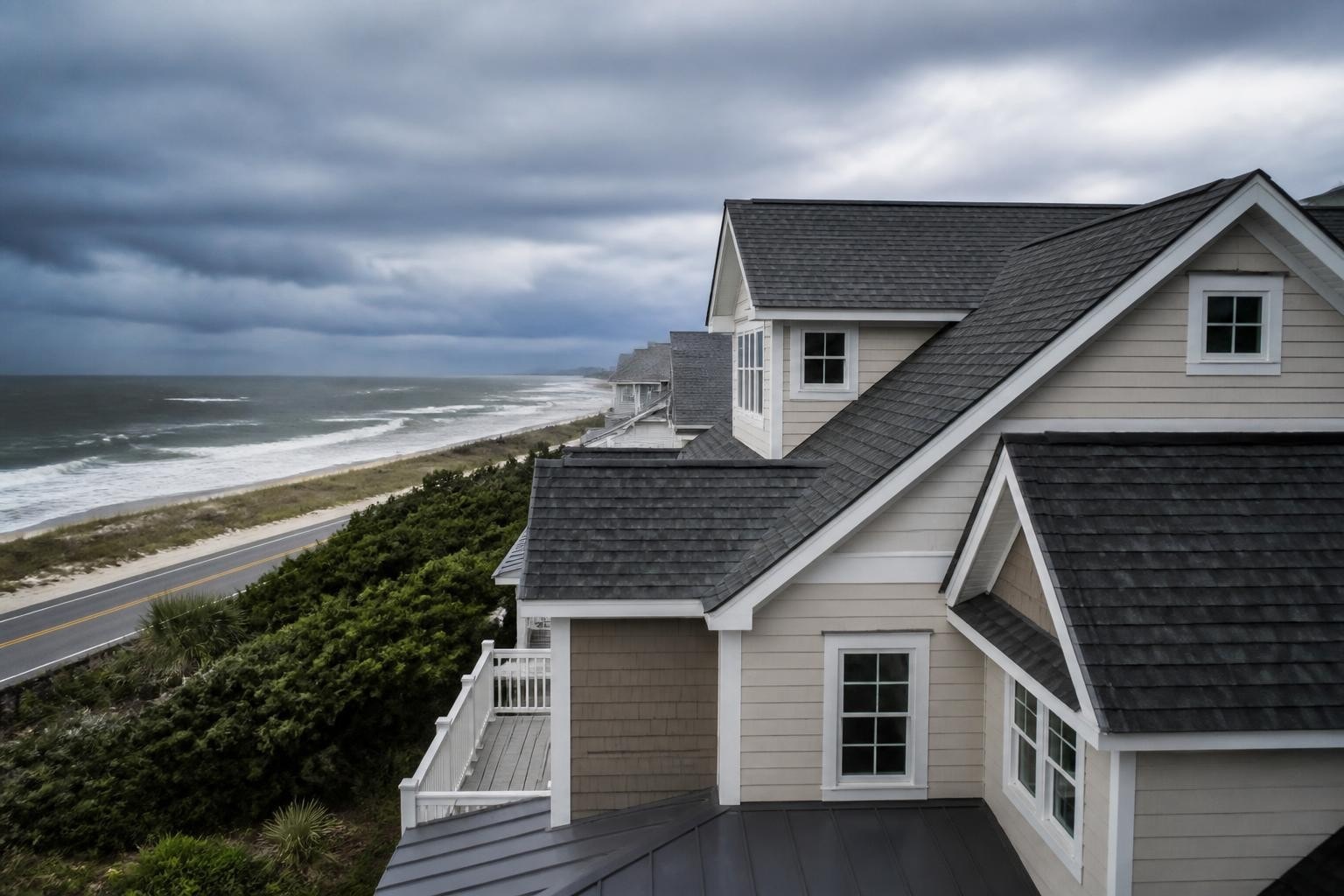
Owning a home in North Carolina, especially along the coast, means your roof faces conditions most other regions never see. Salt air, high winds, and intense summer storms all take their toll. Understanding how north carolina roofing differs from what works inland helps you make better decisions about repairs, replacements, and ongoing maintenance. This guide walks through what matters most for Eastern North Carolina homeowners, from material choices to storm preparation to knowing when a repair actually makes more sense than a full replacement.
Climate Challenges That Shape North Carolina Roofing
Coastal North Carolina delivers a mix of weather extremes that directly impact how long roofs last and what materials hold up best. Summer brings intense UV exposure combined with humidity that can exceed 90%. Winter typically stays mild, but occasional freezing temperatures create expansion and contraction cycles in roofing materials.
Hurricane season runs from June through November, with peak activity in August and September. Wind speeds during tropical storms regularly exceed 50 mph, and major hurricanes bring sustained winds over 100 mph. These conditions lift shingles, tear flashing, and expose underlayment in ways that gradual wear never does.
Salt air accelerates corrosion on metal components like flashing, ridge vents, and fasteners. Homes within two miles of the ocean experience the most significant salt exposure, though coastal winds carry salt spray much farther inland during storms.
Material Performance in Coastal Conditions
Different roofing materials respond differently to Eastern North Carolina's climate. Here's how common options perform:
| Material | Wind Resistance | Salt Tolerance | UV Durability | Typical Lifespan (Coastal) |
|---|---|---|---|---|
| Asphalt Shingles | Good (if properly installed) | Moderate | Good | 15-20 years |
| Architectural Shingles | Very Good | Moderate | Very Good | 20-25 years |
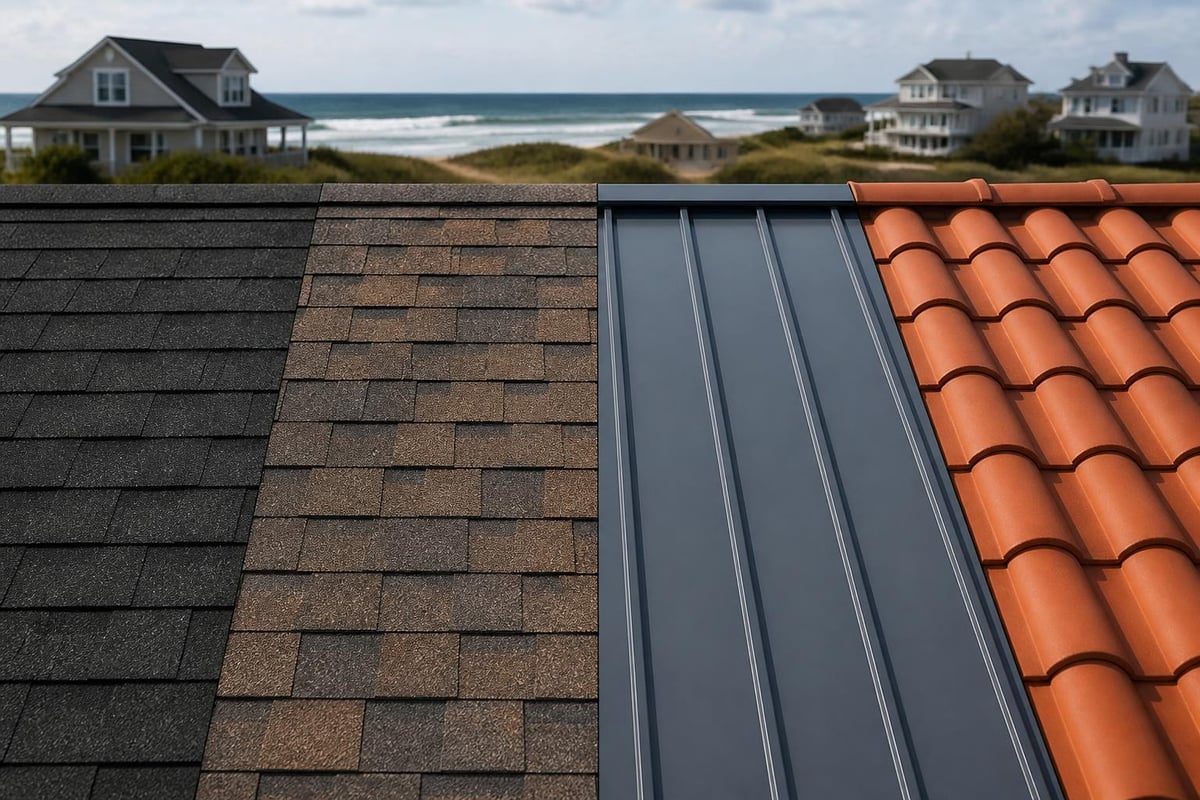
| Metal Roofing | Excellent | Excellent (with coating) | Excellent | 30-40 years |
| Tile | Excellent | Excellent | Excellent | 40-50 years |
Asphalt shingles remain the most common choice for north carolina roofing because they balance cost, performance, and ease of installation. Architectural shingles offer better wind ratings and typically come with higher wind warranties, making them worth the modest price increase for coastal homes.
Metal roofing performs exceptionally well in high-wind zones and resists salt corrosion when properly coated. The initial cost runs higher, but the extended lifespan often makes metal more economical over 30 years.
Building Codes and Wind Ratings
North Carolina enforces specific building codes for roofing installations, with stricter requirements in coastal counties. The North Carolina building code requirements establish minimum standards for materials, installation methods, and wind resistance.
Coastal counties fall under the High Velocity Hurricane Zone (HVHZ) designation, which requires:
- Minimum wind rating of 130 mph for roofing materials
- Enhanced fastening patterns with six nails per shingle instead of four
- Ice and water barrier along eaves, valleys, and penetrations
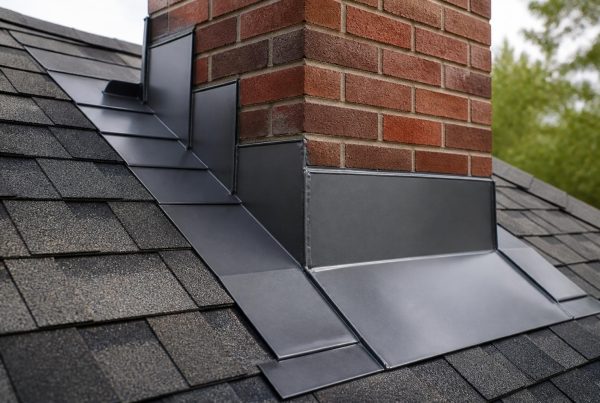
- Specific flashing requirements around chimneys, vents, and skylights
These requirements exist because experience shows they prevent the most common failure points during storms. Proper fastening matters more than material quality in many cases. A lower-grade shingle installed correctly will outperform premium materials with inadequate fastening.
The regulatory context for North Carolina roofing covers licensing requirements for contractors and the permits needed for replacement work. Any replacement project requires a permit from your local building department, which ensures the work meets current code even if your original roof was installed under older standards.
Underlayment Requirements
Underlayment provides a critical second line of defense when shingles fail or blow off. North Carolina requires specific underlayment standards based on roof pitch and location. The roof underlayment requirements detail what materials meet code for different applications.
Standard requirements include:
- Minimum 30-pound felt or synthetic equivalent for primary underlayment
- Ice and water shield along all eaves (minimum 3 feet)
- Ice and water shield in all valleys
- Additional coverage around penetrations and roof-to-wall junctions
Synthetic underlayment has largely replaced felt paper in north carolina roofing installations because it resists tearing better during installation and provides superior water resistance if exposed during storms.
Common Damage Patterns in Eastern North Carolina
Understanding what typically fails on coastal roofs helps you spot problems early, before minor issues become major leaks. Most damage follows predictable patterns based on how wind and water interact with roof systems.
Wind Damage
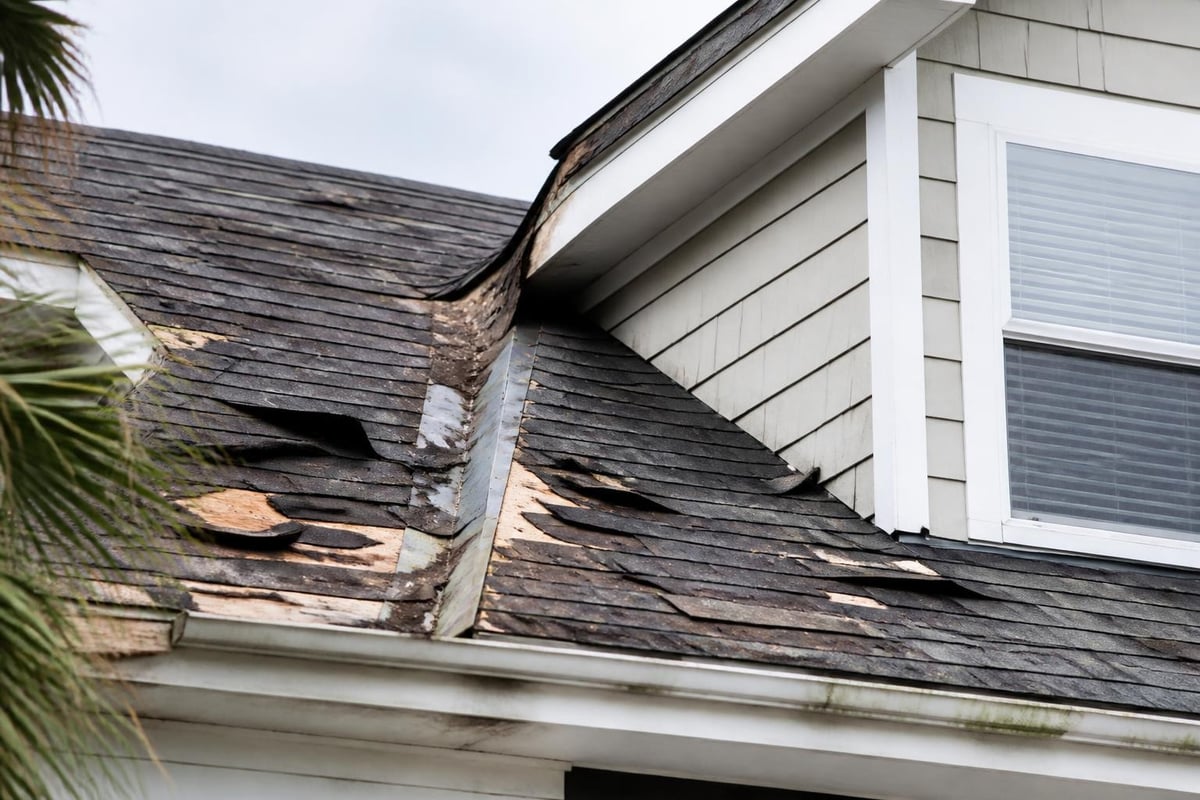
Wind lifts shingles by getting underneath exposed edges and creating upward pressure. This happens most often at:
- Roof edges and eaves where wind catches the leading edge
- Ridge caps that face prevailing wind directions
- Valleys where wind accelerates as it moves across the roof surface
- Areas around dormers and roof transitions
Once a few shingles lift, adjacent shingles become more vulnerable. Wind damage often progresses in strips or patches rather than affecting the entire roof uniformly.
Water Intrusion Points
Water finds its way through the smallest gaps. The most common entry points include:
- Lifted or missing shingles
- Deteriorated flashing around chimneys and vents
- Cracked boot seals on plumbing vents
- Valley deterioration where two roof planes meet
- Step flashing failure where roof meets vertical walls
Many homeowners discover leaks only after water has traveled along rafters or decking and appears inside the home, often several feet from the actual roof failure point.
Repair vs. Replacement Decision Framework
Not every roof problem requires a full replacement. Understanding when repairs make sense saves thousands of dollars and extends your roof's useful life. This decision comes down to damage extent, roof age, and cost comparison.
Repairs typically make sense when:
- Damage affects less than 30% of the roof surface
- The roof is under 12 years old with good remaining life
- Underlying decking remains solid without soft spots or rot
- Matching shingles are available for a consistent appearance
Replacement becomes the better choice when:
- Multiple areas show active leaks
- The roof exceeds 18 years of age
- Previous repairs have already addressed several areas
- Shingles show widespread granule loss or curling
A roof report provides documented assessment of current conditions, which helps you understand exactly what needs attention and what can wait. This removes guesswork from the decision and gives you clear information before comparing repair and replacement costs.
Cost Considerations
Repair costs in Eastern North Carolina typically range from $300 for minor fixes to $2,500 for extensive multi-area repairs. The North Carolina roof cost guide breaks down average replacement costs, which generally fall between $8,000 and $15,000 for typical single-family homes.
| Repair Type | Typical Cost Range | Best For |
|---|---|---|
| Shingle replacement (small area) | $300-$800 | Storm damage, isolated wear |
| Valley repair | $500-$1,200 | Water intrusion, flashing failure |
| Flashing replacement | $400-$1,000 | Chimney leaks, wall transitions |
| Boot seal replacement | $150-$400 | Plumbing vent leaks |
| Multi-area repair | $1,500-$3,500 | Multiple storm damage points |
When repair costs approach 40% of replacement cost, replacement usually makes more financial sense, especially if the roof is over 15 years old.
Storm Preparation and Insurance Documentation
Preparing your roof before hurricane season reduces damage and simplifies insurance claims if damage does occur. Most preparation work costs little but prevents expensive failures.
Pre-Season Inspection Checklist
Walk through these checks each spring before storm season begins:
- Clear all debris from valleys and gutters
- Check for loose or lifted shingles along edges and ridges
- Inspect flashing around chimneys, vents, and walls
- Look for cracked or missing boot seals on pipe penetrations
- Verify attic ventilation remains unobstructed
Address any issues before storms arrive. A lifted shingle that might cost $50 to secure in May becomes a $500 water damage claim in September.
Documentation for Insurance Claims
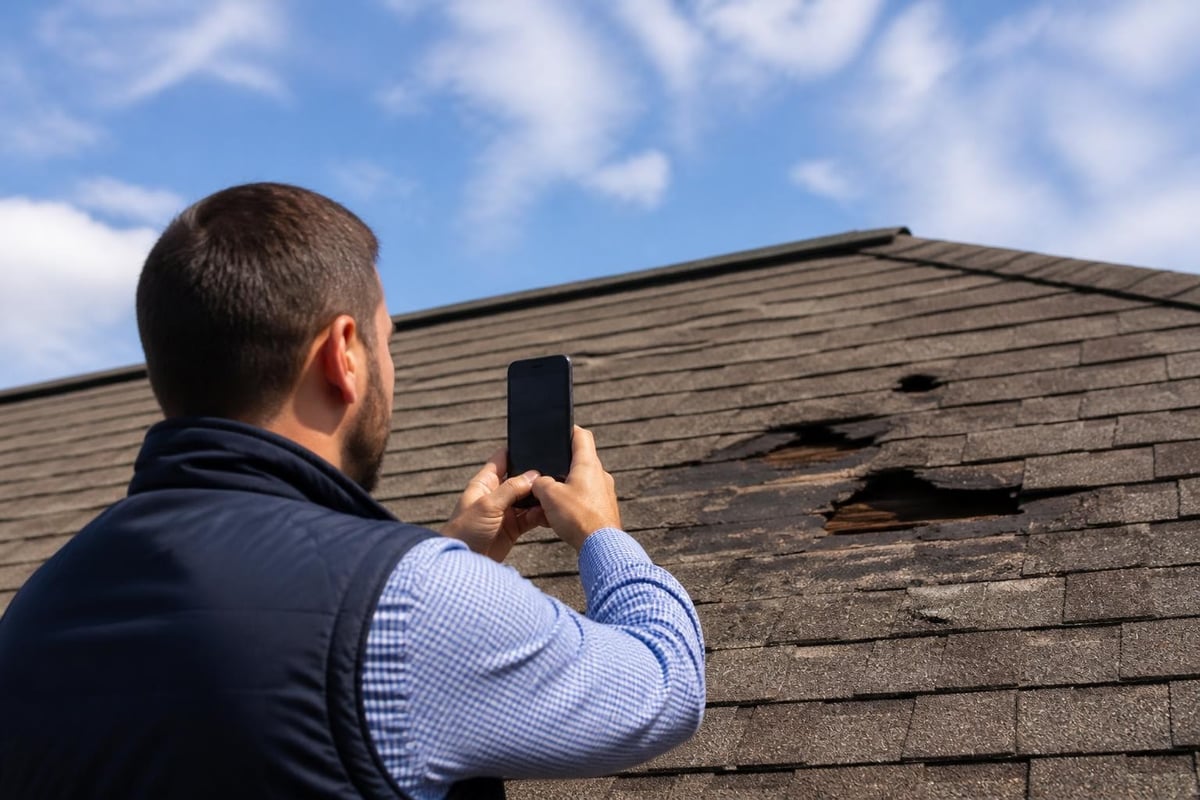
Insurance companies require specific documentation to process north carolina roofing claims efficiently. Before storm season, photograph your roof from multiple angles and note its condition. After storm damage:
- Take photos immediately showing damage extent
- Document interior water damage if leaks occur
- Keep receipts for emergency repairs like tarping
- Note the date and storm name that caused damage
- Request professional documentation of damage for larger claims
Most insurance adjusters won't approve claims based solely on homeowner reports. Professional inspection reports with photos and specific damage descriptions significantly increase claim approval rates, especially for older roofs where age-related wear gets excluded from coverage.
Contractor Selection and Red Flags
Choosing the right contractor matters as much as choosing the right materials. North Carolina requires roofing contractors to hold proper licenses, but enforcement varies by county. Verify any contractor's credentials before signing contracts.
Essential verification steps:
- Confirm active North Carolina contractor license
- Verify current general liability insurance
- Check for workers' compensation coverage
- Review recent customer references
- Confirm written warranties on labor and materials
Storm-chasing contractors flood coastal areas after hurricanes, offering quick repairs and guaranteed insurance claim assistance. Many operate legitimately, but the industry attracts operators who collect deposits and disappear or perform substandard work.
Warning Signs to Avoid
Walk away from contractors who:
- Request large upfront deposits (over 30%)
- Pressure immediate decisions before insurance adjusters inspect damage
- Offer to waive insurance deductibles
- Can't provide proof of insurance or licensing
- Don't pull required permits for replacement work
Legitimate contractors understand homeowners need time to make informed decisions. They provide written estimates, explain what work addresses what problems, and operate transparently throughout the process.
The standards of practice for home inspectors outline what professional roof inspections should include, which helps you understand what thorough contractor assessments should cover.
Maintenance That Extends Roof Life
Regular maintenance adds years to any roof's lifespan, whether it's asphalt shingles or metal. Most maintenance tasks take minimal time and cost but prevent expensive repairs down the road.
Quarterly Tasks
Every three months, complete these basic checks:
- Clean gutters and downspouts to prevent water backup
- Trim overhanging branches that scrape shingles or drop debris
- Check attic ventilation to prevent heat and moisture buildup
- Look for moss or algae growth on north-facing slopes
Coastal humidity promotes algae and moss growth, which traps moisture against shingles and accelerates deterioration. Gentle cleaning with low-pressure water removes growth without damaging shingles.
Annual Professional Inspections
Even roofs that show no obvious problems benefit from annual professional inspections. Inspectors identify developing issues before they cause leaks:
- Granule loss on shingles indicating UV damage
- Seal failure where shingles haven't bonded properly
- Flashing separation from thermal expansion cycles
- Fastener corrosion from salt exposure
- Decking deterioration visible from attic inspections
Many roof repair services include detailed inspections that document current conditions and recommend only necessary work, helping you budget for upcoming needs without surprise emergency repairs.
Regional Variations Across North Carolina
North carolina roofing requirements and performance vary significantly between coastal and inland regions. What works in Asheville doesn't necessarily suit Wilmington, and vice versa.
Coastal areas face higher wind loads, salt exposure, and humidity. Building codes reflect these differences with stricter fastening requirements and higher wind ratings within 60 miles of the coast.
Inland regions deal with greater temperature swings, occasional ice damming in mountainous areas, and different moisture patterns. The flat roofing considerations for North Carolina address low-slope applications more common on commercial buildings inland than along the coast.
Regional material preferences:
| Region | Most Common Material | Typical Lifespan | Primary Concerns |
|---|---|---|---|
| Coastal (east) | Architectural shingles | 20-25 years | Wind, salt, hurricanes |
| Piedmont (central) | 3-tab and architectural | 18-22 years | Temperature swings, UV |
| Mountains (west) | Architectural, metal | 25-30 years | Ice, snow load, temperature |
Coastal homeowners should prioritize wind resistance and salt-tolerant materials. The unique aspects of North Carolina roofing include these regional variations and how building codes address them.
Making Informed Roofing Decisions
Every roof decision should start with understanding current conditions rather than assumptions about age or appearance. A 12-year-old roof might need replacement if installation quality was poor, while a 20-year-old roof might need only minor repairs if materials and installation were excellent.
Get documentation before making major decisions. Know what damage exists, what caused it, and what options address the problems. Compare repair costs to replacement costs based on actual bids, not estimates or online averages.
Understand what your insurance covers and what it excludes. Most policies cover sudden storm damage but exclude gradual wear. Document everything before and after storms to support claims if needed.
Choose contractors based on credentials, references, and communication quality rather than price alone. The cheapest bid often becomes the most expensive when work fails or needs correction.
Plan maintenance as an ongoing investment rather than an afterthought. Regular cleaning, inspections, and minor repairs prevent most major failures and extend your roof's useful life by years.
Understanding north carolina roofing means recognizing how coastal conditions affect materials, maintenance needs, and timing for repairs versus replacement. Knowledge about wind ratings, proper installation, and what damage actually requires attention helps you make decisions based on facts rather than pressure. If you're in Hampstead, Topsail, Surf City, Holly Ridge, Wilmington, or surrounding coastal communities and need clear answers about your roof's condition, NC Roofs provides honest assessments and recommendations focused on what makes sense for your home and budget.