When you notice a leak or missing shingles, waiting feels stressful. You need to know how long does roof repair take so you can plan around work, weather, and daily life. The honest answer is that most straightforward repairs take between a few hours and two days, but several factors determine the actual timeline. Understanding what influences repair duration helps you set realistic expectations and avoid surprises when a roofing crew shows up at your home.
What Determines Repair Duration
The complexity of damage matters more than most homeowners realize. A single missing shingle replacement might take 30 minutes, while fixing widespread wind damage could require multiple days. Roofers assess the extent of the problem, the materials involved, and how accessible the damaged area is before estimating a timeline.
Weather plays the biggest role in coastal North Carolina. Rain, high winds, and extreme heat can halt work completely. Even if your roofer schedules a repair, summer thunderstorms or winter cold snaps may delay the job by days or weeks. Most professionals won't work in conditions that compromise safety or quality.
Material availability affects scheduling too. Common asphalt shingles are usually in stock, but specialty materials, custom flashing, or color-matched products may need ordering. Lead times vary, and during busy storm seasons, suppliers run low on popular items.
Crew Size and Experience
A two-person experienced crew completes work faster than a single roofer, but quality shouldn't be rushed. Larger teams handle bigger projects efficiently, while smaller repairs often need just one or two professionals. The skill level of your roofing company matters. Experienced roofers diagnose problems quickly and work efficiently without cutting corners.
Common Repair Types and Their Timelines
Different problems require different amounts of time. Here's what you can expect for the most frequent roof repairs homeowners face.
Shingle Replacement
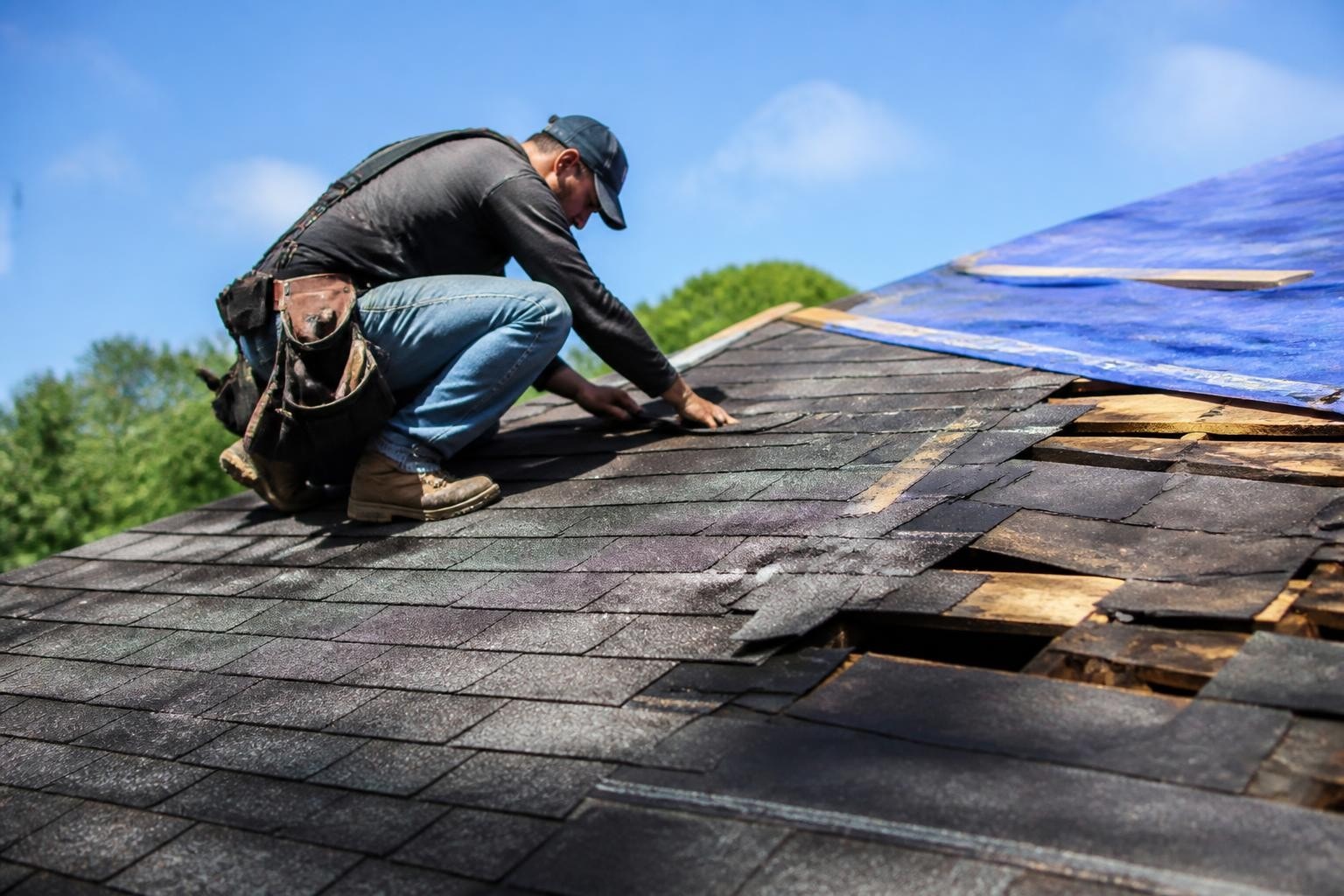
Minor shingle damage typically takes 1-3 hours for repairs involving a few shingles. The crew removes damaged pieces, checks the underlayment, and installs new shingles that match your existing roof. If the underlayment is intact, this work goes quickly.
Moderate shingle replacement covering a section or slope might take 4-8 hours or a full day. When storm damage affects multiple areas, roofers work systematically across zones, which extends the timeline but ensures thorough repair.
| Repair Scope | Typical Duration | Factors That Extend Time |
|---|---|---|
| 1-5 shingles | 1-2 hours | Matching discontinued colors, hard-to-reach areas |
| 6-20 shingles | 3-5 hours | Underlayment damage, multiple roof slopes |
| 20-50 shingles | Full day | Decking replacement needed, complex roof geometry |
| 50+ shingles | 1-3 days | Structural issues, weather delays |
Leak Repairs
Leak repairs vary widely because finding the source takes time. Water travels along rafters and sheathing before appearing inside your home, so the visible stain rarely sits directly below the actual problem. According to resources on typical roof repair durations, leak diagnosis can add hours to a repair that otherwise takes 30 minutes to fix.
Simple leak repairs from obvious sources like lifted shingles or damaged boot flashing take 1-3 hours once located. The roofer seals the penetration, replaces damaged materials, and tests the repair.
Complex leak repairs involving hidden damage, multiple entry points, or compromised decking can take 1-2 days. These repairs often uncover additional problems once the roofer removes shingles and examines the underlayment and wood beneath.
Flashing Repairs
Flashing around chimneys, skylights, and valleys fails more often than shingles in coastal environments. Salt air and temperature fluctuations break down sealants and corrode metal. How long does roof repair take for flashing issues? Plan on 2-4 hours for straightforward replacements.
- Chimney flashing: 3-4 hours including removal, new metal installation, and proper sealing
- Valley flashing: 2-5 hours depending on valley length and shingle removal needs
- Skylight flashing: 3-6 hours, sometimes requiring interior work to prevent future leaks
- Pipe boot replacement: 30 minutes to 1 hour per penetration
Storm Damage Restoration
Hurricane-force winds and fallen branches create damage that ranges from cosmetic to structural. Minor storm damage affecting shingles and flashing might take 1-2 days to repair completely. Extensive damage requiring decking replacement, multiple slopes, or structural work can extend to 3-5 days or longer.
Insurance claims add administrative time but don't usually affect the physical repair duration. Your roofer documents damage, provides estimates, and coordinates with adjusters before work begins. This process happens before the repair timeline starts.
Factors That Slow Down Repairs
Beyond the obvious weather delays, several less visible factors extend repair timelines. Understanding these helps you ask better questions when getting estimates.
Roof Accessibility
Steep pitches, high slopes, and homes surrounded by landscaping slow progress. Roofers need time to set up safety equipment, scaffolding, or specialized lifts. A ranch-style home with easy roof access allows faster work than a two-story home with narrow lot lines and mature trees nearby.
Preparation work adds time. Protecting your landscaping, setting up tarps, moving outdoor furniture, and positioning dumpsters takes 30 minutes to 2 hours before repair work even begins.
Hidden Damage Discovery
Roofers can't see beneath shingles until they remove them. When visible damage hides more extensive problems underneath, the timeline changes. Rotted decking, compromised trusses, or widespread water intrusion requires additional materials and labor.
Good contractors stop work to discuss these discoveries with you before proceeding. This conversation adds time but prevents surprise bills and ensures you understand what your roof actually needs. As noted in guides on roof repair planning, transparency about hidden damage is the mark of an honest roofing company.
Permit Requirements
Most minor repairs don't require building permits, but significant work might. Permit approval adds days or weeks to your project timeline, though the actual repair duration remains the same. Check with your local building department if repairs involve structural changes or cover large areas.
Setting Realistic Expectations
When asking how long does roof repair take, you're really asking two questions: how long will workers be at my house, and how long until my roof is fixed? These aren't always the same answer.
On-site work time represents the hours roofers spend actively repairing your roof. For most repairs, this ranges from a few hours to two days. Small jobs get completed in a single visit, while larger projects might require multiple days with crews arriving each morning.
Total project timeline includes scheduling, material procurement, weather delays, and inspection time. A repair that takes four hours of actual work might span two weeks from your initial call to project completion.
Scheduling Realities
Reputable roofing companies in coastal areas stay busy, especially during spring and fall. You might wait 3-14 days for a repair appointment during normal seasons. After major storms, wait times extend to weeks or months as crews work through backlogs.
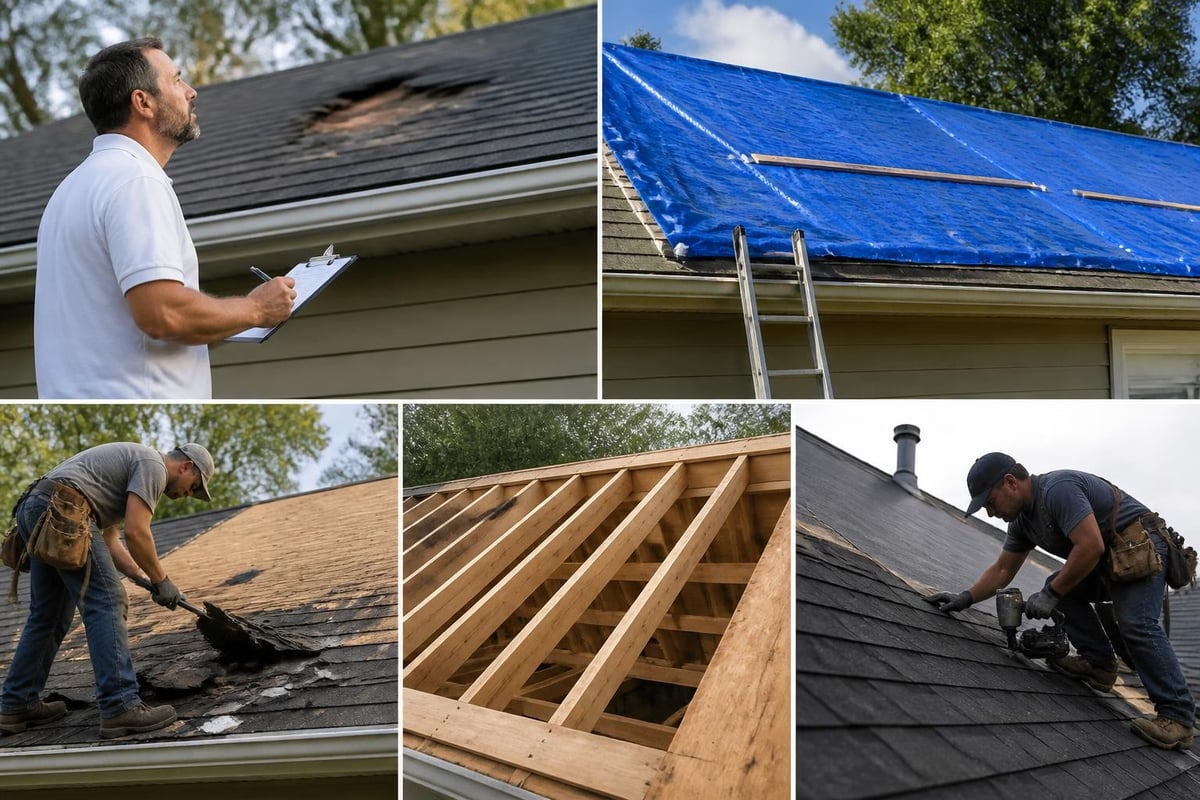
Emergency repairs like active leaks or severe storm damage often get prioritized. Most companies offer temporary solutions (tarping, emergency patching) within 24-48 hours, then schedule permanent repairs when materials arrive and weather permits.
Preparing Your Home for Repairs
Smart preparation shortens repair time and prevents complications. Take these steps before your roofing crew arrives:
- Clear the driveway and work area so crews can park trucks and position equipment
- Move outdoor furniture and grills away from the house perimeter
- Trim overhanging branches if safe to do so (or ask your roofer to coordinate this)
- Protect indoor spaces by moving items in your attic or rooms directly below the repair area
- Arrange for pets to be in a secure area away from work zones and noise
Communication matters too. Give your roofer accurate information about your roof's age, previous repairs, and any known issues. This context helps them bring appropriate materials and plan realistic timelines.
Essential preparation steps homeowners should complete before roof repair: clearing work areas, securing pets, protecting interior spaces, providing roof history information, and establishing communication expectations
What to Expect During the Repair
Understanding the repair process helps you know what's normal and what's concerning. Most repairs follow a predictable sequence, though specifics vary by job type.
Initial assessment happens when the crew arrives. They inspect the damage, confirm their repair plan matches what you discussed, and set up safety equipment. This takes 15-30 minutes.
Material staging involves unloading supplies, positioning ladders, and organizing tools. Another 15-30 minutes typically.
Active repair work represents the bulk of time. Roofers remove damaged materials, inspect underlying structures, make necessary repairs or replacements, and install new shingles or flashing. Progress depends on damage extent and complexity.
Cleanup and inspection wraps up the job. Professional crews remove debris, use magnets to collect nails, and do a final walkthrough with you. Budget 30-45 minutes for thorough cleanup.
Questions to Ask Your Roofer
Before work begins, clarify timeline expectations:
- How many crew members will work on my repair?
- What's your estimated completion time, and what could extend it?
- How do you handle weather delays or unexpected damage discoveries?
- Will you complete the repair in one visit or multiple days?
- What happens if you find additional problems under the damaged area?
These questions give you a clearer picture than just asking how long does roof repair take, because they account for variables specific to your situation.
When Repairs Take Longer Than Expected
Sometimes repairs extend beyond original estimates. Understanding why this happens prevents frustration and helps you evaluate whether delays are reasonable.
Weather delays are the most common reason. Coastal North Carolina weather changes quickly, and safety always comes first. Roofers can't work in rain, high winds, or extreme heat without compromising repair quality or worker safety.
Material shortages occasionally extend timelines, especially for older homes with discontinued shingle colors or specialty materials. Your roofer might need to special-order items or find suitable matches.
Structural issues discovered during repair change the scope of work. Rotted decking, damaged trusses, or code violations require addressing before finishing cosmetic repairs. These discoveries are frustrating but catching them prevents bigger problems later.
Good contractors communicate promptly about delays and explain what's happening. If your roofer goes silent or offers vague excuses, that's concerning. Honest professionals keep you informed even when news isn't ideal.
Repair vs. Replacement Timelines
Sometimes what starts as a repair conversation becomes a replacement discussion. Knowing the difference in timelines helps you make informed decisions. According to information on roof replacement durations, full replacements take significantly longer than repairs.
| Project Type | Typical Duration | Best For |
|---|---|---|
| Minor repair | 1-4 hours | Isolated damage, single problem area |
| Moderate repair | 4 hours – 1 day | Multiple areas, storm damage |
| Major repair | 1-3 days | Extensive damage, multiple slopes |
| Full replacement | 2-5 days | Age-related failure, widespread issues |
If your roof needs repairs covering more than 30% of its surface, replacement might make more financial sense. The upfront timeline is longer, but you avoid repeated repair visits over the next few years. Roof repair services focused on honest assessments help you understand when fixing makes sense versus when starting fresh is smarter.
Regional Considerations for Coastal NC
Coastal North Carolina presents unique challenges that affect repair timelines. Salt air accelerates corrosion on metal components like flashing and nails. High humidity promotes moss and algae growth that damages shingles over time. Hurricane season brings intense weather that can halt work for days.
Summer thunderstorms arrive almost daily from June through August, creating narrow work windows. Morning repairs often finish before afternoon storms roll in, but multi-day projects face frequent interruptions.
Hurricane preparation and recovery dominate fall schedules. Before storms, roofers focus on emergency securing and temporary repairs. After storms, demand skyrockets and timelines extend as companies work through backed-up repair requests.
Winter weather is milder than northern states but still brings cold snaps that affect adhesive performance and worker safety. Some repairs wait for warmer temperatures to ensure materials seal properly.
Understanding these regional factors helps you plan repairs around seasonal realities rather than fighting against them.
Making the Repair Process Smoother
Several strategies help repairs proceed efficiently without unnecessary delays. Start by choosing an experienced local roofer familiar with coastal conditions and common regional roofing problems. They'll estimate timelines more accurately because they've handled similar repairs countless times.
Schedule repairs during optimal weather windows when possible. Spring and fall offer the most predictable conditions in coastal NC. Summer heat and afternoon storms slow progress, while winter cold affects material performance.
Be flexible with scheduling within reason. If weather delays your repair by a day or two, understanding goes a long way. Roofers don't control weather, and rushing work in poor conditions creates problems that cost more to fix later.
Stay available for communication during the repair. Questions about color matching, additional damage, or repair scope changes need quick answers to keep work moving. Delays waiting for homeowner approval add days to simple projects.
Most roof repairs take less time than homeowners expect, but realistic planning accounts for weather, material needs, and potential complications. Whether you're dealing with a simple leak or storm damage across multiple slopes, understanding the factors that influence duration helps you prepare appropriately. If you're facing roof damage in Hampstead, Topsail, Surf City, or surrounding coastal communities, NC Roofs provides clear assessments and honest timelines so you know exactly what to expect before work begins.