When water starts dripping through your ceiling, the first question most homeowners ask is "roof leak who to call?" That moment of panic is understandable, but knowing the right order of contacts and what each professional handles can save you time, money, and further damage. Whether you're dealing with a small stain or water actively pouring in, understanding who to reach out to and when makes all the difference in protecting your home and getting the problem fixed correctly.
Understanding Who Handles What
Not every roof leak requires the same response. The person you call depends on several factors: how severe the leak is, whether it's an emergency, what caused it, and what you're trying to accomplish.
Immediate Emergency Contacts
When water is actively entering your home, your first priority is stopping additional damage. If the leak is severe, you may need to contact your local emergency services or utility company if water is near electrical fixtures. Safety comes before everything else.
For active leaks that aren't immediately dangerous, you have a few options:
- Emergency roofing services that offer 24/7 response
- General contractors with emergency availability
- Tarping services that can temporarily cover damaged sections
- Water damage restoration companies that handle interior mitigation
Your insurance company should be contacted within the first 24-48 hours if you plan to file a claim. Most policies require prompt notification, and waiting too long can complicate coverage.
When to Call a Roofing Contractor First
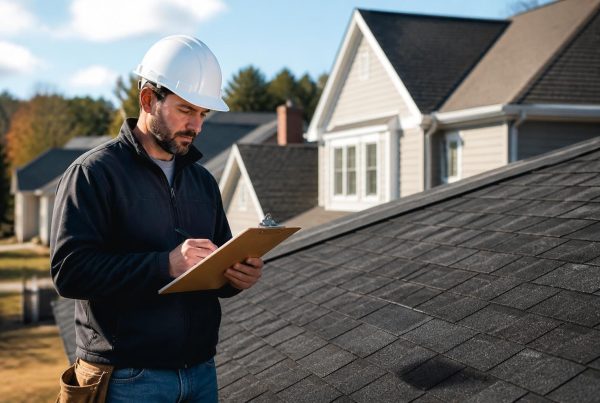
For most roof leaks, especially those that aren't emergencies, a roofing contractor is your primary contact. They can assess the damage, identify the source, and provide repair options. This practical guide on who to contact when your roof is leaking breaks down the decision-making process clearly.
A qualified contractor will:
- Inspect both the interior and exterior
- Identify the leak source and contributing factors
- Assess whether surrounding areas have hidden damage
- Provide a written estimate for repairs
- Explain whether a repair or replacement makes more sense
The advantage of starting with a contractor is getting professional eyes on the actual problem before involving insurance or making decisions about next steps.

Roofing Contractors vs. General Contractors
Some homeowners wonder if they should call a general contractor or go straight to a roofing specialist. Understanding the difference helps you get the right expertise.
| Aspect | Roofing Contractor | General Contractor |
|---|---|---|
| Specialization | Focused entirely on roofing systems | Handles multiple home systems |
| Diagnosis Speed | Faster leak identification | May need to subcontract roofing work |
| Material Knowledge | Deep expertise in roofing products | Broader but less specialized knowledge |
| Cost | Direct pricing, no middleman | May mark up subcontractor work |
| Availability | Often faster for roof-specific issues | May have scheduling conflicts |
For coastal North Carolina homes, a roofing contractor familiar with wind damage, salt air exposure, and local building codes offers significant advantages. They understand how eastern North Carolina weather patterns affect different roofing materials and can spot issues that generalists might miss.
The Role of Insurance Companies
Knowing when to involve your insurance company is part of understanding roof leak who to call. Not every leak warrants a claim, and filing too many small claims can affect your premiums or coverage.
When Insurance Makes Sense
Contact your insurance company if the leak resulted from:
- Storm damage (wind, hail, fallen trees)
- Sudden events (like a tree branch puncturing the roof)
- Significant water damage requiring interior restoration
- Structural concerns beyond simple repairs
Most homeowners insurance policies cover sudden, accidental damage but exclude wear and tear or maintenance issues. A 15-year-old roof that gradually developed leaks probably won't be covered, but wind damage from last week's storm likely will be.
Documentation Steps
Before the adjuster arrives, document everything:
- Take photos of interior damage (ceiling stains, wet insulation, damaged belongings)
- Photograph exterior damage if safely accessible
- Note the date and time you discovered the leak
- Keep records of any emergency repairs or mitigation costs
- Save all communication with contractors
Some roofing contractors offer roof repair services that include detailed documentation and reports specifically designed for insurance claims, making the process smoother for homeowners.
Finding the Right Roofing Contractor
Once you've determined roof leak who to call starts with a contractor, finding a trustworthy one matters. Especially in coastal communities like Hampstead, Topsail, and Wilmington, you want someone who'll be around after the work is done.
What to Look For
Licensing and insurance should be non-negotiable. North Carolina requires roofing contractors to be licensed, and they should carry both liability insurance and workers' compensation. Ask to see current certificates before any work begins.
Local presence matters more than many homeowners realize. A contractor based in your area understands local building codes, has relationships with inspectors, and won't disappear after the job. They also know which materials hold up best in coastal conditions.
References and reviews give you insight into how they handle problems. Every contractor encounters challenges, but how they respond tells you what to expect. Ask for recent references, not just their best work from five years ago.
Red Flags to Avoid
Some warning signs indicate you should keep looking:
- Asking for full payment upfront
- No physical business address
- Pressure to decide immediately
- Unusually low estimates (often indicating shortcuts)
- Reluctance to provide proof of insurance
- Storm chasers who appear after weather events
Interior Damage and Secondary Calls
Sometimes the question of roof leak who to call extends beyond just fixing the roof itself. Water intrusion often causes interior damage that requires additional professionals.
Water Damage Restoration
If water has saturated insulation, drywall, or flooring, you may need a restoration company. They handle:
- Water extraction and drying
- Dehumidification to prevent mold
- Removal of damaged materials
- Air quality testing
- Structural drying documentation for insurance
These companies often work alongside roofing contractors, with the roofer handling the source and restoration handling the consequences.
Mold Remediation Specialists
Mold growth from roof leaks is a serious concern in humid coastal climates. If you see or smell mold, a certified remediation specialist should assess it. They'll test for mold types, contain affected areas, and safely remove contaminated materials.
Don't attempt major mold cleanup yourself. Disturbing mold can release spores throughout your home, creating health risks and spreading the problem.
DIY vs. Professional Assessment
Some homeowners want to locate and identify roof leaks themselves before calling anyone. While understanding the basics helps, knowing your limitations prevents making things worse.
What Homeowners Can Safely Do
From inside your home, you can:
- Trace water stains to their highest point
- Check the attic for obvious entry points
- Document the extent of interior damage
- Place buckets to collect active leaks
- Move valuables away from affected areas
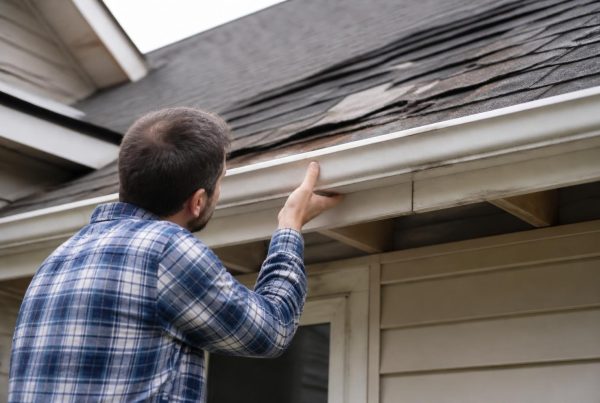
Outside, if you have a safe vantage point from the ground, you might spot obvious damage like missing shingles or visible holes. Never climb on your roof during wet conditions or if you're uncomfortable with heights.
When Professional Eyes Are Necessary
Roof inspections require experience to read subtle signs. Water doesn't always enter where it appears inside. It can travel along rafters, through insulation, and emerge far from the actual breach. Finding the actual source often requires understanding roof construction and water behavior.
Professional contractors also have safety equipment and insurance. If you fall off your roof trying to save money on an inspection, you'll face medical bills that dwarf any contractor fee.
Emergency Temporary Repairs
While waiting for a contractor, you might need temporary measures to prevent additional damage. Understanding what you can and can't do yourself is part of knowing roof leak who to call and when.
Safe Temporary Measures
Interior containment is usually safe for homeowners:
- Place buckets under active drips
- Use towels to soak up standing water
- Move furniture and belongings to dry areas
- Point fans at wet areas to promote drying
- Document everything for insurance
Exterior temporary repairs should generally be left to professionals. Climbing on a damaged roof, especially after a storm, is dangerous. If you absolutely must cover a hole before help arrives, only do so from safely inside the attic if possible.
Tarping Services
Many roofing companies offer emergency tarping. This temporary measure secures damaged sections until permanent repairs can be scheduled. Professional tarping:
- Uses properly sized, secured tarps
- Includes anchoring that won't cause additional damage
- Protects against wind uplift
- Maintains some ventilation to prevent moisture buildup
- Lasts through multiple weather events if needed
| Repair Type | DIY Suitable? | Professional Recommended? | Urgency Level |
|---|---|---|---|
| Interior containment | Yes | Optional | Immediate |
| Documenting damage | Yes | Helpful for claims | Within 24 hours |
| Identifying source | Partial | Yes | Within 48 hours |
| Temporary tarping | No | Yes | Within 24-48 hours |
| Permanent repair | No | Yes | Within 1-2 weeks |
| Insurance claim filing | Yes | Yes (for documentation) | Within 48 hours |
Working With Multiple Professionals
Complex leak situations sometimes require coordinating between different professionals. Understanding who handles what prevents duplication and gaps in coverage.
The Coordination Process
Your roofing contractor typically serves as the primary contact for the actual roof repair. They can often recommend trusted partners for related work, but you're not obligated to use their referrals.
If insurance is involved, the adjuster will want to inspect before major work begins. Schedule the contractor inspection and insurance inspection close together so information stays current.
For significant water damage, the restoration company might start work before the roof is permanently fixed, but only after temporary protection is in place. They'll document "before" conditions and work with your contractor's timeline.
Cost Considerations and Payment
Understanding typical costs helps you evaluate estimates and know if you're getting fair pricing. Roof leak repairs vary widely based on the problem's source and extent.
Typical Repair Cost Ranges
Small, localized repairs (replacing a few shingles or sealing a flashing gap) might cost $300-$800. Moderate repairs involving multiple damaged areas or partial deck replacement could run $1,000-$3,000. Extensive repairs that require removing large sections of roofing might cost $3,000-$8,000.
These are rough ranges. Coastal locations, roof pitch, material type, and accessibility all affect final costs. A proper roof repair approach includes a written estimate that breaks down materials and labor separately.
Payment Structures
Reputable contractors typically request:
- Small deposit (10-25%) to schedule work and order materials
- Progress payment at midpoint for larger projects
- Final payment upon completion and your approval
Be wary of contractors demanding 50% or more upfront or those insisting on full payment before starting. You want leverage to ensure quality work.
Preventive Measures and Ongoing Maintenance
After addressing a leak, the question of roof leak who to call shifts to "who can help prevent the next one?" Proactive maintenance catches small issues before they become emergencies.
Annual Inspections
Most roofing professionals recommend annual inspections, especially for homes over ten years old or in harsh climates. Coastal North Carolina homes face salt air, high winds, and intense sun exposure that accelerate wear.
An inspection typically includes:
- Checking shingle condition and granule loss
- Examining flashing around chimneys, vents, and valleys
- Assessing ventilation adequacy
- Looking for signs of wildlife damage
- Evaluating gutter function and attachment
Maintenance Between Inspections
Homeowners can do simple maintenance:
- Keep gutters clean and flowing
- Trim tree branches away from the roof
- Check attic ventilation during hot months
- Look for ceiling stains after heavy rain
- Address minor issues before they expand
This approach extends roof life and often catches problems when repairs are still simple and affordable. Finding reliable resources on maintenance helps homeowners understand what to watch for between professional visits.
Special Considerations for Coastal Homes
Eastern North Carolina's coastal location creates unique challenges that affect who you should call and what questions to ask.
Wind and Salt Exposure
Coastal winds stress roofing systems differently than inland conditions. Shingles face constant uplift pressure, and salt air accelerates corrosion of metal components. Your contractor should understand these factors and recommend appropriate materials and installation techniques.
Hurricane Preparedness
Post-storm periods create high demand for roofing contractors, sometimes attracting unlicensed operators. Establishing a relationship with a local contractor before emergency needs arise gives you a trusted contact when you need one.
Insurance Nuances
Coastal home insurance often includes separate wind and hail deductibles, sometimes calculated as a percentage of dwelling coverage rather than a flat amount. Understanding your policy before a leak occurs helps you make informed decisions about whether to file a claim.
Making the Final Decision
After gathering information and getting estimates, you need to decide who to hire and how to proceed. Trust your instincts alongside the facts.
Comparing Multiple Estimates
Get at least three estimates for significant repairs. Look beyond the bottom-line number:
- Do they identify the same source and scope?
- How detailed is their explanation?
- What warranties or guarantees do they offer?
- How do they handle unexpected discoveries?
- What's their timeline for starting and completing work?
The lowest bid isn't always the best value. A slightly higher estimate from a contractor with excellent references and clear communication often proves cheaper long term than a low bid from someone who cuts corners.
Questions to Ask Before Signing
Before committing to any contractor, confirm:
- Are they licensed and insured in North Carolina?
- Will they pull required permits?
- Who's the on-site supervisor and how can you reach them?
- What's included in the warranty?
- How do they handle weather delays?
- What's the payment schedule?
- Will they protect landscaping and property during work?
Clear answers to these questions indicate a professional operation. Vague responses or irritation at being asked suggests you should keep looking.
Knowing roof leak who to call comes down to assessing urgency, understanding what different professionals handle, and finding qualified help you can trust. Whether you need emergency response or scheduled repairs, starting with a reputable roofing contractor gives you expert guidance through the entire process. If you're dealing with a roof leak in Hampstead, Topsail, Surf City, or surrounding coastal communities, NC Roofs provides honest assessments and clear recommendations to help you understand your options before making any decisions.