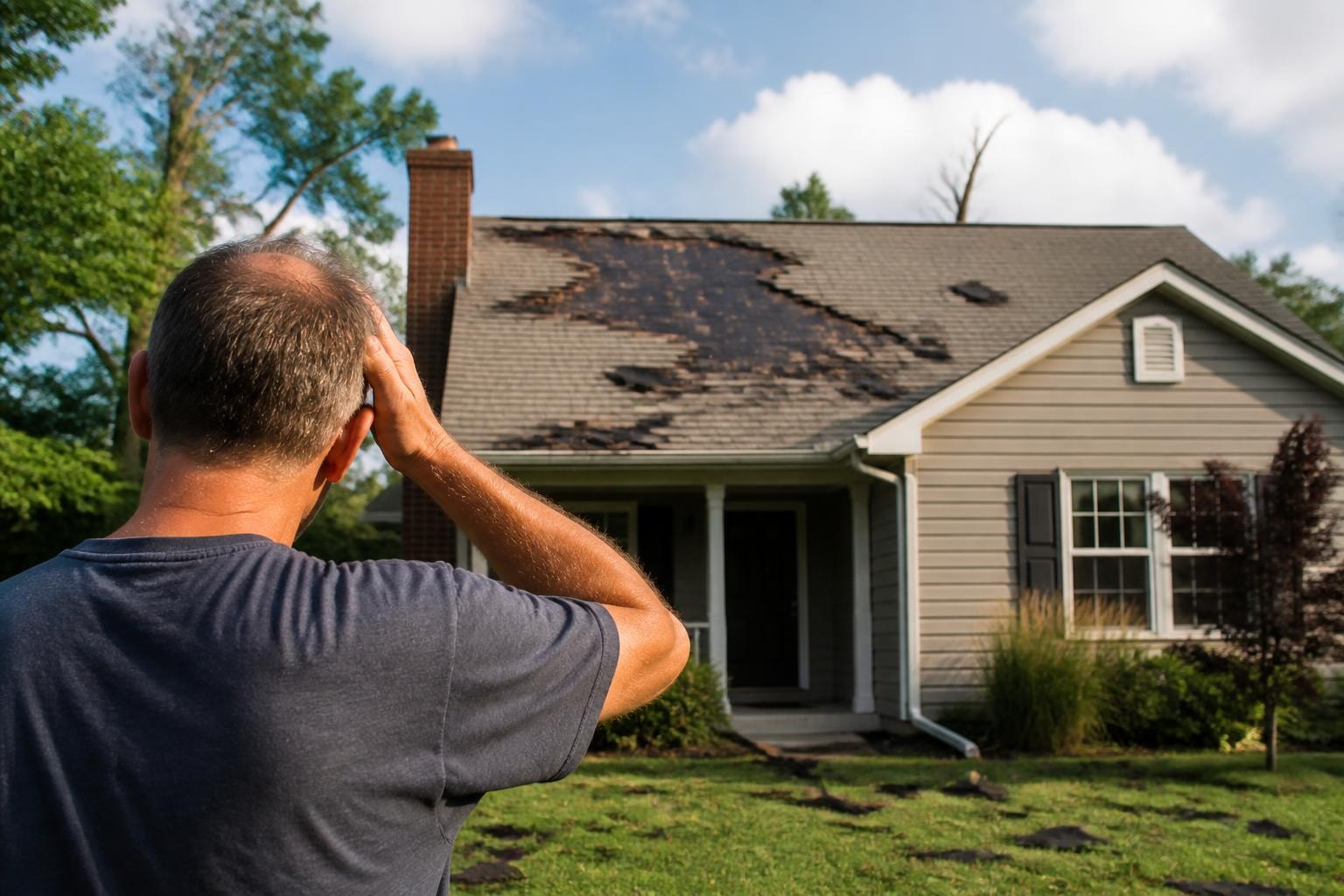
When you walk outside after a storm and see shingles scattered across your yard, the first question that comes to mind is obvious: shingles blown off roof what now? The sight of exposed roof deck or missing tabs can be alarming, especially along the North Carolina coast where wind events happen regularly. The good news is that most shingle damage is repairable, and knowing what to do next helps you protect your home while making smart decisions about the fix. This guide walks through the immediate steps, damage assessment, repair options, and costs so you understand exactly what's happening and what makes sense for your situation.
Understanding What Happened to Your Roof
Wind doesn't just randomly pull shingles off. It exploits weaknesses that already exist or creates enough uplift force to overcome the adhesive bond and nails holding each shingle down.
How Wind Removes Shingles
Coastal storms generate significant wind pressure that hits the roof surface and creates uplift along edges, ridges, and corners. Shingles are most vulnerable at their bottom edge where the seal strip bonds to the shingle below. When wind speeds exceed 60 mph, older or improperly installed shingles start to lift. Once one shingle breaks free, nearby shingles become more exposed and vulnerable.
Common failure points include:
- Edges and eaves where wind first contacts the roof
- Ridge caps that sit highest and catch the most wind
- Corners where two roof planes meet
- Areas around vents, chimneys, or other penetrations
- Sections with previous repairs or worn adhesive
The age of your roof matters significantly. Shingles older than 15 years have brittle seal strips and weathered nails that offer less resistance to wind uplift.
Why Some Roofs Lose Shingles While Others Don't
Not every roof on your street takes the same beating during a storm. Installation quality plays a huge role in wind resistance. Roofers who use the correct number of nails (typically six per shingle in coastal zones) and proper placement create stronger attachment. Hand-sealing shingles in high-wind areas adds another layer of security.
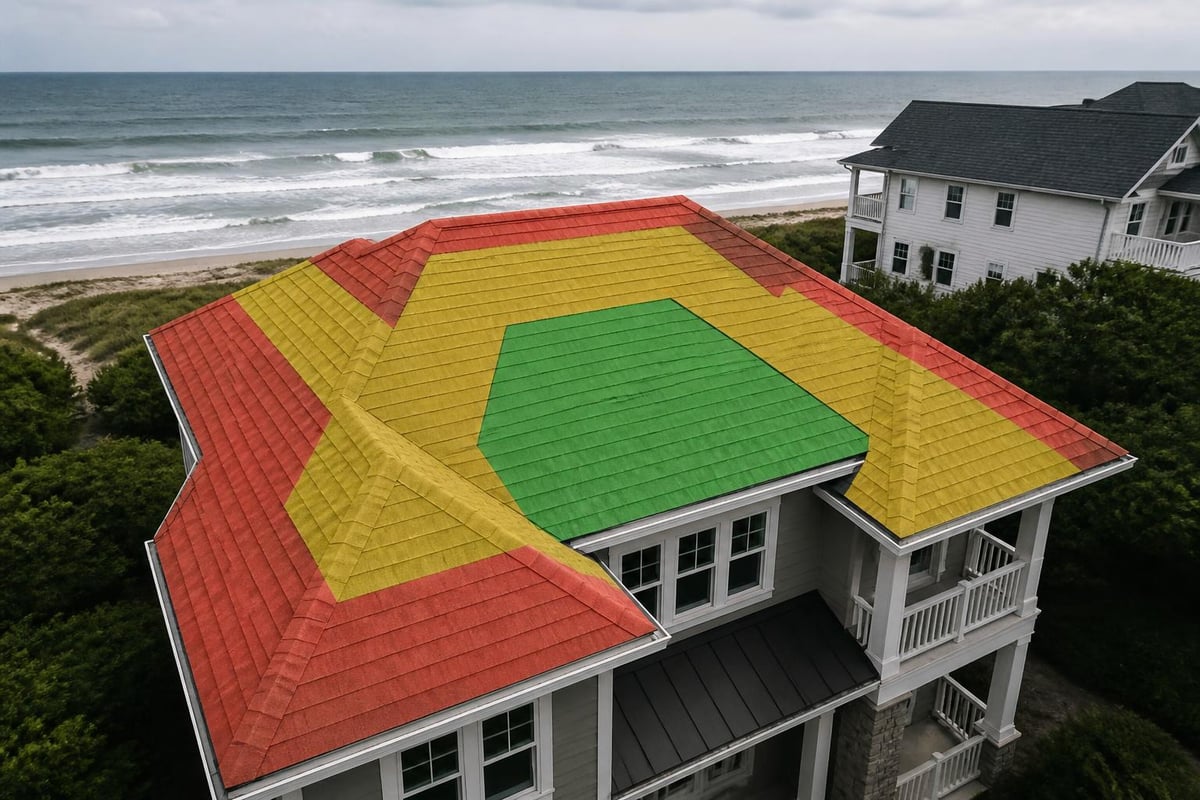
| Factor | Impact on Wind Resistance |
|---|---|
| Installation quality | Proper nailing pattern and placement prevent early failure |
| Shingle age | Seal strips weaken after 10-15 years |
| Roof pitch | Steeper roofs shed wind better than low-slope designs |
| Exposure | Homes with windbreaks lose fewer shingles |
| Previous damage | Existing loose shingles create starting points for larger losses |
Shingles blown off roof what now becomes an easier question when you understand these patterns help predict whether you're looking at an isolated problem or a bigger issue.
Immediate Steps After Discovering Missing Shingles
The moment you notice shingle loss, a few quick actions protect your home from further damage while you figure out permanent repairs.
Document Everything Before You Touch Anything
Take clear photos from the ground showing the damaged area, shingles in the yard, and overall roof condition. Get close-ups of where shingles are missing and any exposed underlayment or deck. These photos matter for insurance claims and help roofing contractors understand what happened without climbing up immediately.
Photography checklist:
- Wide shots showing the entire damaged section
- Close-ups of exposed areas
- Ground-level photos of fallen shingles
- Images of your yard showing debris pattern
- Date-stamped photos if your phone allows it
Keep shingles you find in the yard. Insurance adjusters sometimes want to see the actual damage, and contractors can match colors better with the original material in hand.
Temporary Protection Measures
If shingles are missing and rain is forecast, temporary covering prevents water infiltration. The quickest solution is a tarp secured over the exposed section, though this requires careful installation. Understanding immediate steps when shingles come off helps prevent secondary water damage while you arrange professional repairs.
Tarps should extend beyond the damaged area on all sides and be secured with smooth boards rather than nails that puncture the roof. Many homeowners feel comfortable doing this on low-slope roofs with easy access, but steep roofs or high sections require professional help for safety.
Don't attempt temporary repairs during active weather. Wait for conditions to clear before going on the roof, or call a contractor who has proper safety equipment and insurance coverage.
Assessing the Damage Properly
Once the immediate emergency passes, understanding the extent of damage helps you make repair decisions based on facts rather than fear.
What to Look for From the Ground
A good pair of binoculars lets you inspect roof sections without climbing. Look for patterns in the damage. Shingles missing in one concentrated area suggest a specific weak point. Scattered losses across multiple sections indicate broader problems with age or installation quality.
Ground-level assessment signs:
- Granule buildup in gutters (indicates shingle wear)
- Lifted or curled edges on remaining shingles
- Exposed underlayment or dark patches on the roof
- Sagging or uneven rooflines
- Daylight visible through gaps when viewed from the attic
Check your attic during daylight with lights off. Pinholes of light coming through the deck indicate where water can enter. Water stains on rafters or insulation show where leaks already occurred.
When Professional Inspection Makes Sense
Shingles blown off roof what now often leads to the question of whether you need a contractor to look at it. If damage covers more than a few square feet, happens in multiple areas, or you see underlayment damage, professional assessment is worthwhile. Roof repair services typically start with detailed inspections that identify not just the obvious missing shingles but underlying issues that contributed to the failure.
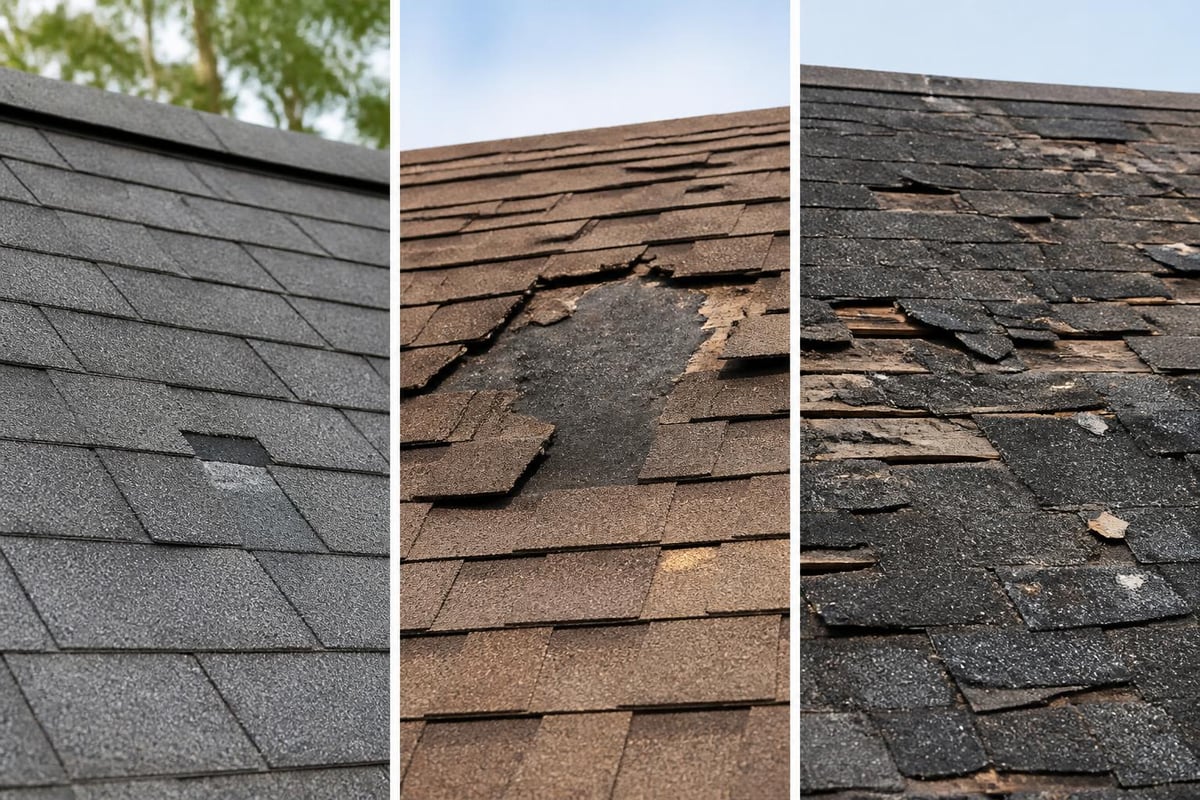
Contractors look at deck integrity, flashing condition, and whether the remaining shingles are in good enough shape to match repairs. They also check building codes since coastal North Carolina has specific wind rating requirements that older roofs might not meet.
Repair Options and What They Actually Cost
Understanding your repair choices helps you budget appropriately and avoid paying for more work than necessary.
Spot Repairs for Limited Damage
When only a few shingles are missing and the surrounding roof is in good condition, spot repairs make perfect sense. A qualified roofer removes damaged shingles, checks the underlayment and deck, then installs matching replacements.
| Repair Scope | Typical Cost Range | Timeline |
|---|---|---|
| 1-5 shingles | $150-$400 | Same day |
| 10-20 shingles (one section) | $400-$800 | 1-2 days |
| Multiple sections | $800-$2,000 | 2-3 days |
| Section replacement with underlayment | $1,500-$4,000 | 3-5 days |
These estimates assume standard three-tab or architectural shingles with straightforward access. Steep pitch, multiple stories, or specialty shingles increase costs. Causes and repair approaches for blown-off shingles vary based on roof configuration and extent of damage.
Color matching becomes challenging on roofs older than ten years since shingle colors fade. New shingles will look brighter initially but weather over time to blend better.
When Section Replacement Beats Spot Repairs
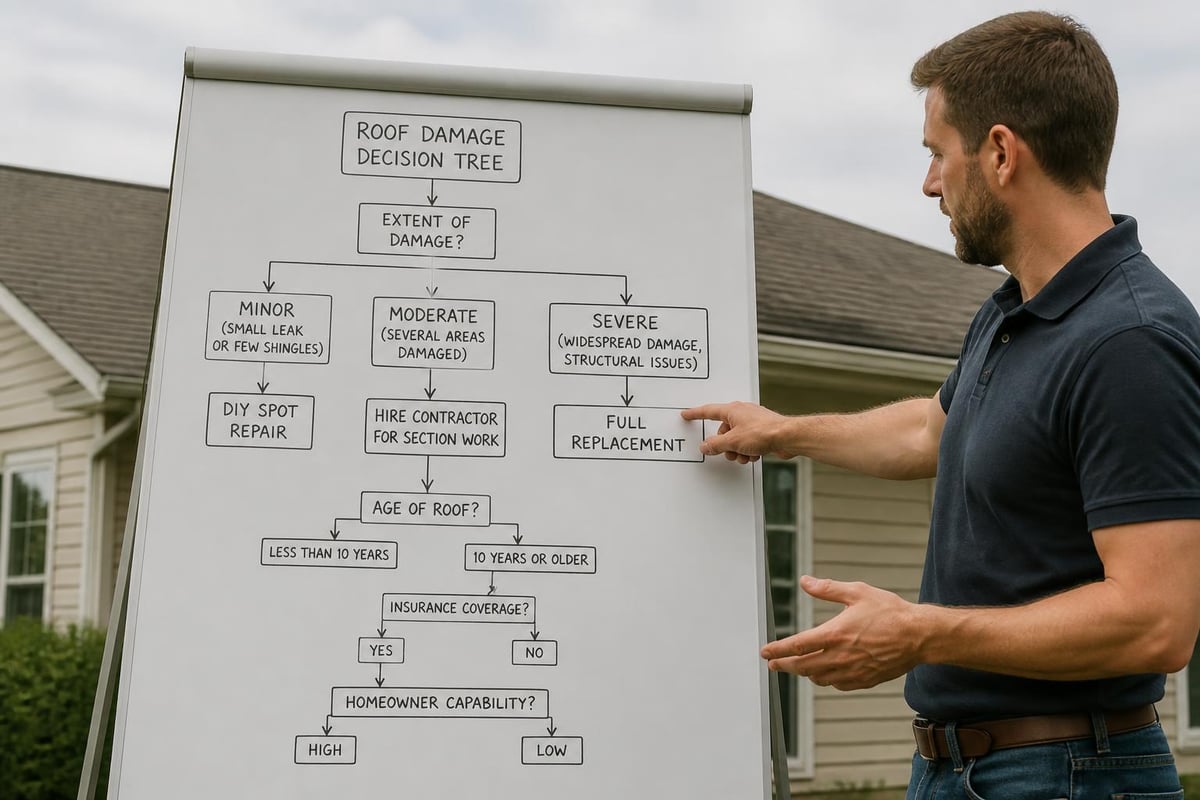
If your roof is 12-15 years old and you're losing shingles in multiple areas, replacing an entire section or slope makes more economic sense than repeated patch jobs. This approach gives you fresh underlayment and shingles across that roof plane, essentially resetting the clock on that section.
Section replacement costs more upfront but delivers better long-term value when the existing roof is near the end of its useful life. You're not just fixing today's problem but preventing the next round of failures six months later.
Full Replacement Considerations
Shingles blown off roof what now sometimes points toward full replacement rather than repair. If your roof is 18-20 years old, multiple sections show wear, or underlayment sustained water damage, replacement might be the honest recommendation.
Replacement makes sense when:
- The roof is within five years of expected lifespan
- Repairs would cost more than 30% of replacement
- Multiple sections need work
- Insurance is covering storm damage anyway
- You're planning to sell within a few years
North Carolina coastal homes often qualify for insurance coverage on wind damage, which changes the math significantly. A $1,500 repair you pay out of pocket versus a $8,000 replacement mostly covered by insurance shifts the decision.
Working With Insurance on Wind Damage
Storm damage falls under most homeowner policies, but the claims process requires documentation and understanding what's covered.
Filing Your Claim Correctly
Contact your insurance company as soon as you discover damage, even if you're not sure you'll file a claim. Most policies require prompt notification. Provide the photos you took and a basic description of what happened.
Insurance adjusters look for evidence that wind caused the damage rather than general wear. Fresh breaks, intact nail holes, and concentrated damage patterns support wind claims. Widespread granule loss, curled edges across the roof, and brittle shingles suggest age-related failure that may not be covered.
Documentation that strengthens claims:
- Weather reports showing wind speeds during the storm
- Photos taken immediately after the event
- Statements from neighbors who also had damage
- Previous inspection reports showing the roof was in good condition
- Receipts for recent maintenance
Your deductible applies to storm damage claims. If repairs cost $1,200 and your deductible is $1,000, filing makes little sense. For larger losses, insurance coverage makes a significant difference in what you pay out of pocket.
Getting Contractor Estimates Insurance Accepts
Most insurance companies want estimates from licensed contractors before approving claims. Choose contractors familiar with insurance processes who provide detailed line-item estimates. Vague quotes make adjusters skeptical.
The estimate should break down materials, labor, permits, and any code upgrade requirements. Coastal North Carolina requires wind-rated shingles in some zones, which might not have been required when your current roof was installed. Code upgrades sometimes qualify for coverage depending on your policy.
DIY Repairs vs. Professional Installation
Some homeowners want to handle repairs themselves to save money. Understanding what this involves helps you decide if it makes sense.
What DIY Shingle Replacement Actually Requires
Replacing a few shingles isn't complicated in theory. You need basic tools, matching shingles, roofing nails, and sealant. Step-by-step repair instructions for blown-off shingles walk through the process, but doing it right requires attention to detail.
The challenge is getting under the shingle above the damaged area without breaking it, positioning the new shingle correctly, and sealing it so wind doesn't lift it again. On older roofs, surrounding shingles become brittle and crack easily during the repair process.
DIY considerations:
- Safety equipment (harness, proper footwear, ladder stabilizers)
- Matching shingle colors on aged roofs
- Working around existing shingles without causing more damage
- Warranty implications if you modify a warranted roof
- Liability if someone gets hurt helping you
For one or two shingles on an accessible, low-slope section, DIY can work if you're comfortable with heights and have the right safety gear. Beyond that, professional installation makes more sense.
Why Professional Repairs Often Cost Less Than DIY
This seems backwards until you factor in everything involved. Contractors have the shingles, tools, safety equipment, and insurance already in place. They work faster and know how to blend repairs so they're less visible. If something goes wrong during their work, their insurance covers it.
When you buy shingles retail, you pay more per bundle than contractors. Safety equipment rental (harness, proper ladder, toe boards) adds up quickly. If you damage surrounding shingles during the repair, you've just expanded the problem. And if you're not comfortable on a roof, the stress isn't worth the modest savings.
Preventing Future Shingle Loss
Once you've handled the immediate damage, thinking about prevention keeps you from repeating this experience every storm season.
Installation Quality Makes the Biggest Difference
Shingles blown off roof what now teaches most homeowners that installation matters more than shingle brand. Proper nailing patterns, hand-sealing in wind zones, and attention to edge details create roofs that resist uplift. When you're getting current damage repaired or planning eventual replacement, ask contractors about their wind-resistance installation practices.
High-wind shingles rated for 110 mph or 130 mph winds use stronger adhesive and better attachment designs. They cost slightly more but perform significantly better in coastal conditions where wind events happen regularly. North Carolina building codes in coastal counties often require these ratings for new installations and major repairs.
Regular Maintenance Reduces Storm Vulnerability
Roofs don't fail suddenly. They deteriorate gradually, and maintenance catches problems before they become expensive. Annual inspections identify loose shingles, worn sealant, and damaged flashing while repairs are still minor.
Maintenance tasks that extend roof life:
- Clear debris from valleys and gutters
- Trim overhanging branches
- Check and reseal flashing around penetrations
- Replace individual damaged shingles promptly
- Verify attic ventilation is working properly
Many homeowners skip maintenance until something breaks. A $200 annual inspection prevents the $2,000 emergency repair when small issues turn into major damage. Getting help understanding roof problems before they escalate saves money and stress.
Ventilation matters more than most people realize. Attic heat buildup deteriorates shingles from below, weakening adhesive and making them easier for wind to remove. Proper intake and exhaust ventilation extends shingle life by years.
Finding shingles in your yard after a storm is stressful, but understanding your options makes the next steps clearer. Most wind damage is repairable at reasonable cost, and knowing when to patch versus replace helps you make decisions that fit your situation and budget. If you're dealing with missing shingles across Topsail, Surf City, Holly Ridge, or Wilmington, NC Roofs provides honest assessments and clear recommendations focused on fixing what actually needs attention at fair prices.