Understanding how insurance handles roof replacement can save you thousands of dollars and prevent claim denials. Most homeowners don't realize their policy has specific rules about when roof damage qualifies for coverage, what documentation insurers require, and how depreciation affects payouts. Whether you're dealing with storm damage or an aging roof, knowing the difference between actual cash value and replacement cost coverage changes everything. This guide breaks down how roof replacement insurance actually works, what Eastern North Carolina homeowners should expect during the claims process, and how to protect yourself from unexpected out-of-pocket costs.
How Insurance Companies Evaluate Roof Claims
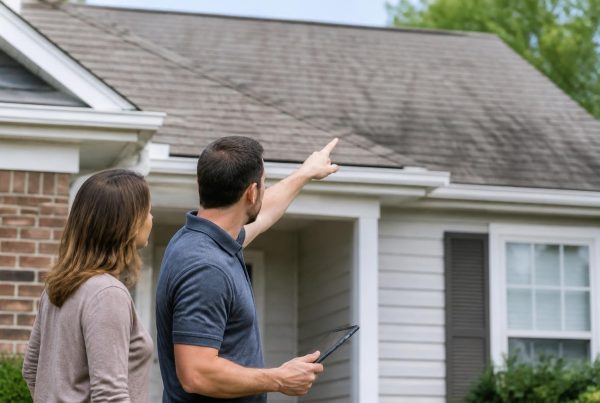
When you file a claim for roof damage, your insurer sends an adjuster to assess the situation. They're looking at specific criteria: what caused the damage, how extensive it is, and whether your roof was properly maintained.
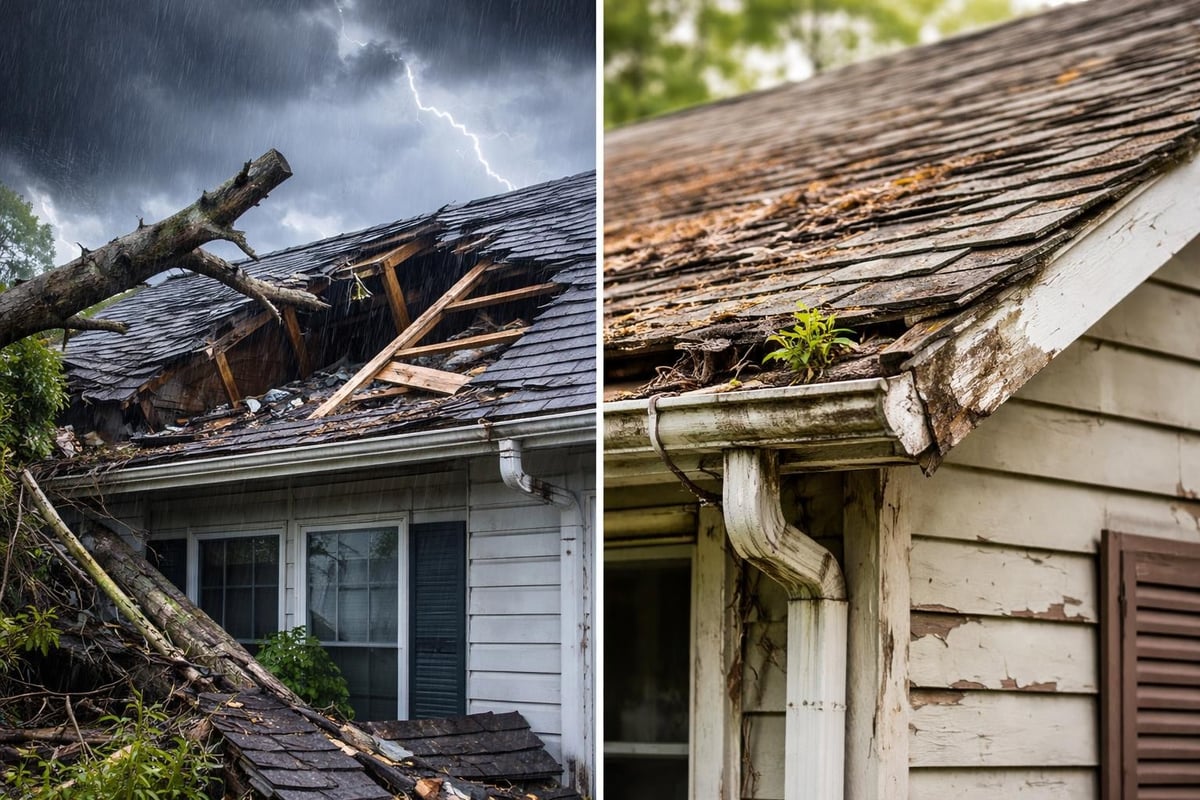
Insurance companies distinguish between sudden, accidental damage and gradual deterioration. A tree falling on your roof during a hurricane? That's typically covered. Shingles failing after 25 years of normal wear? That's usually on you.
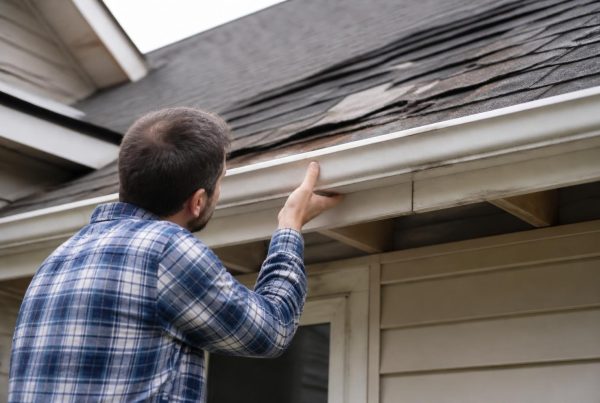
The adjuster documents everything with photos, measurements, and notes about your roof's overall condition. They'll check:
- Age of the roofing materials
- Extent of damage across the surface
- Evidence of prior repairs or neglect
- Matching damage patterns to the claimed event
- Current local building codes
Most policies require proof that damage came from a covered peril. Amica Insurance explains that covered perils typically include windstorms, hail, fire, and falling objects, but exclude damage from lack of maintenance or normal aging.

The Two Types of Coverage That Determine Your Payout
Your policy offers one of two valuation methods: actual cash value or replacement cost value. This single detail determines whether you receive enough money to install a new roof or just a fraction of the cost.
Actual Cash Value (ACV) pays for your roof's depreciated value. If your 15-year-old roof had a 20-year life expectancy, the insurer calculates it's 75% depreciated. On a roof that would cost $12,000 to replace, you'd receive roughly $3,000. You're responsible for the remaining $9,000.
Replacement Cost Value (RCV) pays the full amount to install a comparable new roof, regardless of your old roof's age. With RCV coverage, that same $12,000 roof replacement gets funded entirely (minus your deductible). According to Westfield Insurance, replacement cost policies typically pay claims in two stages: the depreciated value upfront, then the remaining amount after you complete the work.
| Coverage Type | Initial Payment | After Replacement | Your Responsibility |
|---|---|---|---|
| Actual Cash Value | Depreciated amount | Nothing additional | Full depreciation + deductible |
| Replacement Cost Value | Depreciated amount | Remainder of full cost | Deductible only |
| Extended/Guaranteed | Full replacement | None | Deductible only |
Some insurers offer guaranteed replacement cost or extended replacement cost policies. These cover your roof even if costs exceed the policy limit, protecting you from inflation or building code upgrades. They're more expensive but eliminate surprise gaps in coverage.
What Roof Damage Gets Covered
Not all roof problems qualify for insurance claims. Understanding which scenarios trigger coverage helps you avoid filing claims that will get denied and potentially raise your premiums.
Storm and Weather-Related Damage
High winds, hail, lightning strikes, and falling debris from storms represent the most common covered scenarios. Progressive notes that homeowners insurance typically covers roof damage from sudden weather events when you can demonstrate the storm caused the specific damage.
Wind damage appears as:
- Missing or torn shingles
- Lifted edges along ridges
- Displaced flashing around chimneys or vents
- Torn underlayment visible from the attic
Hail creates distinct impact marks, dents on metal components, and granule loss on asphalt shingles. Adjusters look for uniform damage patterns consistent with hailstone impacts across the roof surface.
Fire, Vandalism, and Falling Objects
Direct fire damage always qualifies under standard policies. Trees or branches falling onto your roof trigger coverage, whether from storms or other sudden events. Vandalism counts too, though it's less common with roofs.
The key word across all these scenarios is sudden. Insurance exists to protect you from unexpected events, not predictable maintenance.
What Doesn't Qualify for Coverage
Insurance won't cover:
- Normal aging and wear over time
- Lack of maintenance or repairs
- Pre-existing damage from before your policy started
- Cosmetic damage that doesn't affect function
- Manufacturer defects or poor installation
- Mold or rot from long-term leaks
Hippo emphasizes that proactive maintenance prevents issues that insurance won’t cover. If your adjuster finds years of neglected repairs, they'll likely deny the claim even if a recent storm caused additional damage.
Filing a Successful Roof Replacement Insurance Claim
The claims process requires documentation, patience, and attention to detail. Mistakes here can cost you thousands in denied or reduced payouts.
Step 1: Document Everything Immediately
After discovering damage, photograph it from multiple angles. Capture wide shots showing the whole roof and close-ups of specific problem areas. Take interior photos if you have water damage or visible leaks. Date-stamped photos from your phone work perfectly.
Don't make temporary repairs before documenting unless absolutely necessary to prevent further damage. If you must tarp a section, photograph the damage first.
Step 2: Contact Your Insurance Company Quickly
Most policies require prompt notification after discovering damage. Call your insurer's claims department within 24-48 hours. They'll assign a claim number and schedule an adjuster inspection.
Ask about your coverage type during this call. Confirm whether you have ACV or RCV coverage, your deductible amount, and any special requirements for roof claims.
Step 3: Get an Independent Assessment
Before the adjuster arrives, have a local roofing contractor inspect the damage. They'll provide an objective assessment of what needs repair or replacement. This independent documentation protects you if the insurance adjuster underestimates the scope of work. Companies like NC Roofs provide insurance-ready reports that document damage thoroughly, giving homeowners clear information before they navigate the claims process.
Step 4: Meet the Adjuster Prepared
When the insurance adjuster inspects your property:
- Walk them through every damaged area
- Share your contractor's assessment
- Point out interior damage like ceiling stains
- Provide maintenance records showing you've kept up the roof
- Ask questions about their findings in real time
Take notes during the inspection. If the adjuster misses damage areas, mention them immediately rather than discovering gaps later.
Step 5: Review the Estimate Carefully
The insurer sends a damage estimate listing covered items and dollar amounts. Compare this against your contractor's assessment. Discrepancies often arise around:
- Square footage calculations
- Number of damaged areas requiring work
- Material quality specifications
- Code upgrade requirements
- Additional damage hidden until tear-off
Challenge lowball estimates with supporting documentation. Your contractor can provide detailed rebuttals explaining why the insurance estimate falls short.
How Age Affects Roof Replacement Insurance Coverage
Your roof's age dramatically influences both coverage availability and claim outcomes. Insurers view older roofs as higher risk, adjusting policies accordingly.
Age-Based Coverage Restrictions
Many insurance companies impose restrictions once roofs reach certain ages:
| Roof Age | Typical Policy Changes |
|---|---|
| 10-15 years | Standard coverage continues |
| 15-20 years | May require inspection for renewal |
| 20-25 years | Often limited to ACV coverage only |
| 25+ years | Difficult to insure; may require replacement for new policies |
Some insurers won't write new policies for homes with roofs over 20 years old. Others automatically convert RCV coverage to ACV when roofs hit specific age thresholds.
Age also affects claim approvals. If your 22-year-old roof sustains storm damage, the adjuster might attribute most problems to age rather than the storm. ValuePenguin notes that the roof’s age and condition significantly influence coverage decisions, with older roofs facing higher scrutiny during claims.
Proving Storm Damage vs. Age-Related Failure
On older roofs, you'll need stronger evidence linking damage to a specific covered event. Provide:
- Weather reports showing severe conditions on specific dates
- Photos taken immediately after the storm
- Contractor assessments identifying storm-specific damage patterns
- Neighbor claims from the same event
Without this documentation, insurers often deny claims on older roofs, citing normal wear rather than covered perils.
Understanding Deductibles and Out-of-Pocket Costs
Your deductible represents the amount you pay before insurance coverage kicks in. For roof replacement insurance claims, this can work differently than other home insurance situations.
Standard vs. Percentage Deductibles
Most homeowners have flat deductibles like $1,000 or $2,500. You pay that amount; insurance covers the rest up to policy limits.
Some policies include percentage-based wind/hail deductibles. Instead of a flat amount, you pay a percentage of your home's insured value. On a home insured for $300,000 with a 2% wind deductible, you'd pay $6,000 out-of-pocket for wind damage claims.
These percentage deductibles apply specifically to wind and hail claims in many coastal and high-wind areas, including parts of Eastern North Carolina. Always verify which deductible applies to your specific claim.
Hidden Costs Beyond the Deductible
Even with full RCV coverage, expect additional expenses:
- Code upgrades: If current building codes exceed what was allowed when your roof was installed, you'll pay the difference
- Permit fees: Usually not covered by insurance
- Landscaping restoration: Damage from equipment or material staging
- Temporary housing: If severe damage makes your home uninhabitable during repairs (though this may be covered separately under loss of use provisions)
Budget an extra 10-15% above your deductible for these incidentals.

Preventing Claim Denials
Insurance companies deny roof claims for predictable reasons. Avoid these common mistakes to protect your coverage.
Maintain Detailed Records
Keep receipts and photos from every roof inspection, repair, or maintenance task. This documentation proves you maintained the roof properly, countering insurer arguments about neglect. Bankrate highlights that regular maintenance documentation strengthens claims and may prevent denials based on upkeep issues.
Report Damage Promptly
Waiting weeks or months to file claims gives insurers ammunition to deny coverage. They'll argue the delay allowed damage to worsen or makes it impossible to verify the original cause. File within days of discovering problems.
Don't Sign Contractor Agreements Before Insurance Review
Some contractors ask homeowners to sign agreements assigning insurance proceeds directly to the company. This can create complications if the claim gets denied or pays less than expected. Wait until your claim settles before finalizing contractor agreements.
Understand Exclusions in Your Specific Policy
Standard policy exclusions vary between insurers. Read your actual policy document, particularly sections on roof coverage, age limits, and covered perils. Assumptions about coverage cause most claim surprises.
Avoid Filing Small Claims
Filing multiple small claims, even if approved, can lead to policy non-renewal or premium increases. American Family Insurance notes that too many claims may affect your insurability. Save claims for significant damage that exceeds your deductible by a meaningful amount.
Special Considerations for Eastern North Carolina Homeowners
Living in Eastern North Carolina brings specific roof insurance challenges due to weather patterns and regional policy variations.
Hurricane and Wind Coverage Specifics
Coastal and eastern counties often face separate wind and hurricane deductibles higher than standard policy deductibles. After major named storms, expect longer wait times for adjusters as insurers handle hundreds of simultaneous claims.
Some policies include anti-concurrent causation clauses that exclude coverage when both covered and non-covered events contribute to damage. For example, if hurricane winds damage an already deteriorating roof, insurers might deny the entire claim rather than paying for the wind-related portion.
Building Code Requirements
Many Eastern North Carolina municipalities updated wind-resistance requirements after major hurricanes. If your roof replacement requires upgraded materials or installation methods to meet current codes, that cost difference typically isn't covered by standard roof replacement insurance policies.
Ask contractors about code requirements before filing claims. Knowing these costs upfront prevents surprise bills after your claim settles.
Seasonal Timing Considerations
Hurricane season runs June through November. Filing claims during peak storm periods means competing with thousands of other homeowners for adjuster time and contractor availability. If you have non-emergency damage, consider whether waiting until off-season might speed the process.
However, never delay reporting legitimately urgent damage. The filing date matters for coverage determinations.
Making Smart Decisions About Roof Insurance Claims
Not every roof problem warrants an insurance claim. Weigh the financial impact against potential consequences before filing.
When to File
File claims for:
- Extensive damage requiring full replacement
- Emergency situations like large holes or severe leaks
- Damage costs significantly exceeding your deductible
- Situations where storm damage is clear and well-documented
When to Pay Out-of-Pocket
Skip claims for:
- Minor repairs costing less than 1.5x your deductible
- Cosmetic damage not affecting function
- Issues that might be attributed to age or maintenance
- Problems you can't clearly link to a covered event
Small claims increase premiums and claim history without providing proportional value. A $2,000 repair on a $1,500 deductible only saves you $500 but creates a claim record that might cost hundreds annually in higher premiums for years.
Roof replacement insurance provides crucial protection when storms or unexpected events damage your home, but coverage depends on understanding policy terms, documenting damage properly, and maintaining your roof throughout its lifespan. Eastern North Carolina homeowners face unique considerations around wind coverage and building codes that affect both claim outcomes and out-of-pocket costs. If you're dealing with roof damage or need an honest assessment of whether insurance will cover your situation, NC Roofs provides insurance-ready reports and clear guidance through the entire process, helping you understand your options before making decisions that affect your home and your wallet.