Roofing decisions impact more than your home’s curb appeal and protection. The materials overhead affect energy bills, environmental footprint, and how long before the next replacement cycle starts. Eco roofing solutions combine environmental responsibility with practical benefits like lower cooling costs and extended durability. Homeowners across Eastern North Carolina are discovering that sustainable roofing choices often deliver better long-term value while reducing waste and energy consumption. Understanding these options helps you make decisions that benefit both your household budget and the environment.
What Makes a Roofing System Eco-Friendly
Environmental impact in roofing extends beyond the materials themselves. Manufacturing processes, transportation distances, installation methods, and end-of-life disposal all contribute to a roof’s ecological footprint.
True eco roofing solutions address multiple environmental factors:
-
Reduced manufacturing emissions and energy consumption
-
Recycled content or renewable source materials
-
Local production to minimize transportation impact
-
Long lifespan reducing replacement frequency
-
Energy efficiency lowering heating and cooling demands
-
Recyclability at end of service life
Energy Efficiency as Environmental Strategy
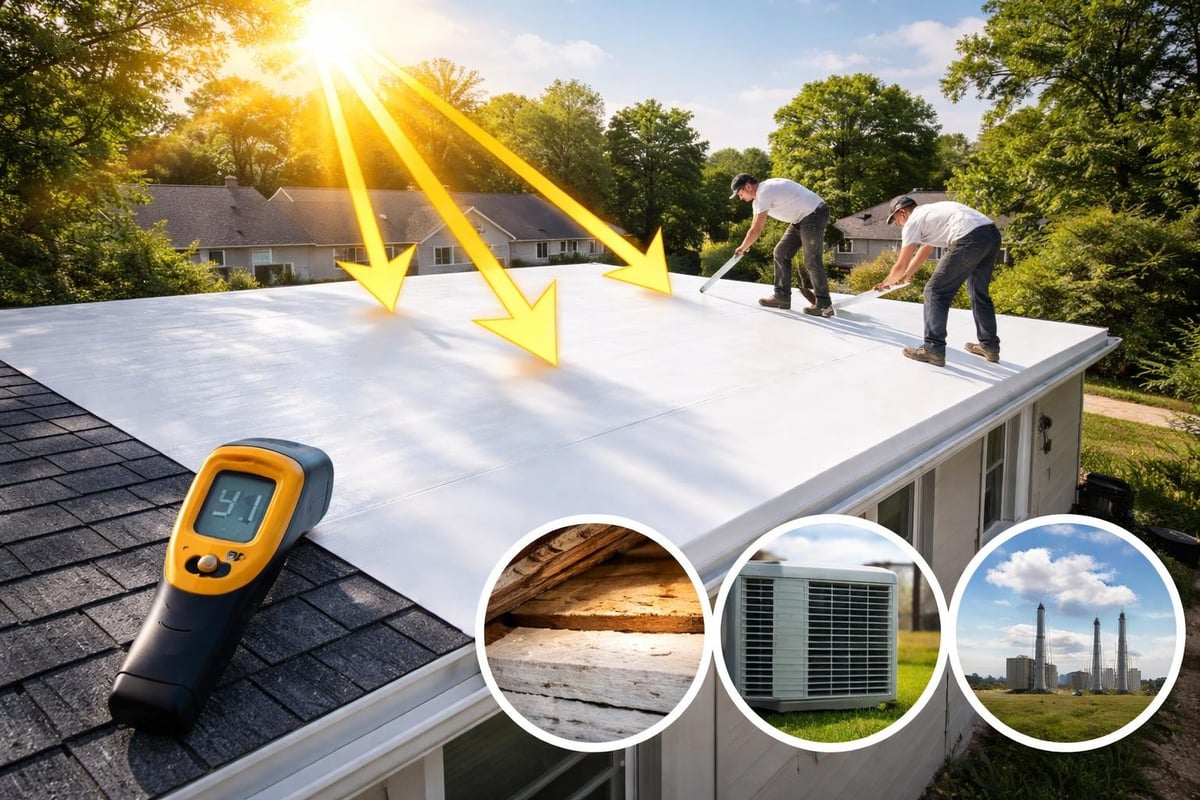
Heat reflection and insulation properties directly influence how hard your HVAC system works. Roofs absorbing excessive heat force air conditioners to run longer, consuming more electricity and increasing carbon emissions from power generation.
Cool roofing technology uses reflective surfaces to bounce sunlight away rather than absorbing it. Light-colored metal roofing, special reflective coatings, and certain shingle designs can reduce roof surface temperatures by 50-60 degrees compared to traditional dark asphalt shingles.
Lower attic temperatures mean less heat transfer into living spaces. Homeowners typically see 10-15% reductions in cooling costs during summer months. Over a roof’s 30-50 year lifespan, those savings compound significantly while reducing overall energy consumption.
Sustainable Roofing Material Options
Different materials offer varying combinations of environmental benefits, costs, and performance characteristics. Understanding trade-offs helps match solutions to specific needs and budgets.
|
Material Type |
Lifespan |
Recycled Content |
Energy Efficiency |
Typical Cost |
|---|---|---|---|---|
|
Metal Roofing |
40-70 years |
25-95% |
Excellent |
$$$ |
|
Recycled Shingles |
20-30 years |
95%+ |
Good |
$ |
|
Clay/Concrete Tiles |
50-100 years |
Varies |
Excellent |
$$$$ |
|
Wood Shakes (Cedar) |
30-50 years |
N/A (Renewable) |
Good |
$$$ |
|
Green/Living Roofs |
30-50 years |
N/A |
Excellent |
$$$$$ |
Metal Roofing for Durability and Recyclability
Metal roofs represent one of the most sustainable choices available. Most contain 25-95% recycled content, primarily from reclaimed steel and aluminum. At the end of their service life (typically 40-70 years), metal roofing is 100% recyclable.
Reflective coatings on metal surfaces create exceptional cool roof properties. Standing seam and corrugated metal styles work particularly well in areas with heavy rainfall, shedding water efficiently and resisting moss growth.
The weight advantage matters too. Metal roofing weighs significantly less than tile or slate, reducing structural stress and potentially eliminating the need for additional support during installation. This lighter weight also means less fuel consumption during transportation.
Recycled Shingle Systems
Eco-friendly roof repair materials include shingles manufactured from post-consumer waste like rubber tires, plastic bottles, and reclaimed wood fibers. These products divert thousands of pounds of waste from landfills while creating durable roofing materials.
Recycled composite shingles mimic the appearance of traditional asphalt, slate, or wood shakes. Manufacturing processes have advanced to where performance matches or exceeds conventional materials in many applications.
Advantages of recycled shingle products:
-
Waste reduction from multiple material streams
-
Lower manufacturing energy requirements
-
Comparable or superior impact resistance
-
Often lighter than materials they replace
-
Available in diverse styles and colors
Price points generally fall below premium natural materials while offering environmental benefits that standard asphalt shingles cannot match.
Natural and Renewable Materials
Cedar shakes and clay tiles represent time-tested roofing materials sourced from renewable or abundant natural resources. Cedar roofs offer eco-friendly benefits through their status as a renewable resource when harvested responsibly from managed forests.
Wood shakes provide natural insulation properties and biodegrade at end of life rather than occupying landfill space indefinitely. Proper treatment and maintenance extend their lifespan to 30-50 years in many climates.
Clay and concrete tiles deliver exceptional longevity, often lasting 50-100 years. Their thermal mass helps regulate temperature fluctuations, and they contain no petroleum-based products. Production does require significant energy, but the extended lifespan spreads that environmental cost across decades of service.
Living Roofs and Green Systems
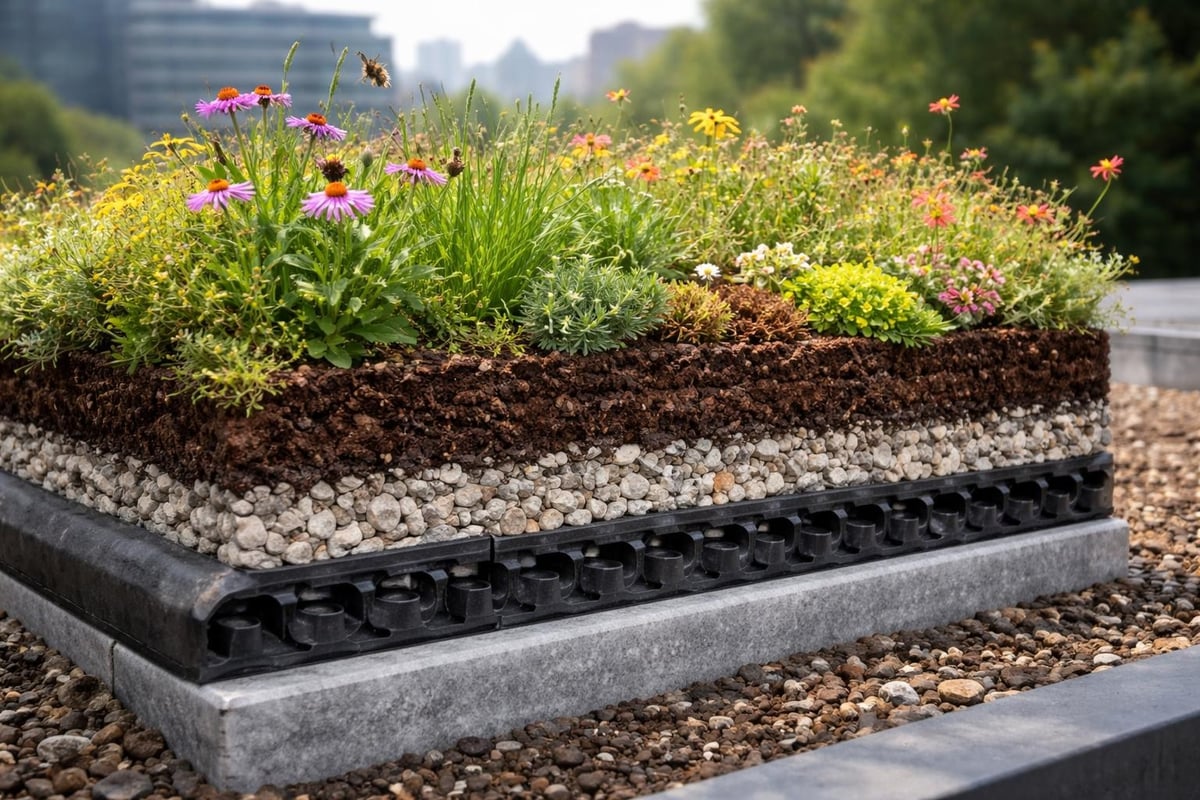
Vegetated roof systems take eco roofing solutions to another level by creating functional ecosystems overhead. These installations combine waterproofing membranes, drainage layers, growing medium, and carefully selected plants.
Environmental Benefits Beyond the Building
Green roofs provide benefits that extend into the surrounding community. Plants absorb rainwater, reducing stormwater runoff that can overwhelm municipal systems during heavy rainfall. Eastern North Carolina experiences significant precipitation, making stormwater management increasingly important.
Vegetation filters air pollutants and captures carbon dioxide while releasing oxygen. Urban heat island effects decrease as more buildings adopt green roofing, creating cooler microclimates in developed areas.
Wildlife habitat creation matters too. Native plants attract pollinators and beneficial insects, supporting local ecosystems even in developed areas.
Practical Considerations for Green Roofs
Installation complexity and costs run higher than conventional roofing. Structural requirements increase due to the added weight of soil and water-saturated growing medium. Professional assessment determines if existing framing can support the load or if reinforcement becomes necessary.
Maintenance differs significantly from traditional roofs. Weeding, fertilizing, irrigation management, and plant replacement create ongoing responsibilities. Some homeowners embrace this gardening aspect while others prefer lower-maintenance alternatives.
Green roof system types:
-
Extensive systems – Shallow growing medium (2-6 inches), drought-tolerant plants, lower weight, minimal maintenance
-
Intensive systems – Deeper soil (6+ inches), diverse plantings including shrubs and small trees, higher weight, regular maintenance
-
Semi-intensive systems – Middle ground between extensive and intensive characteristics
Climate compatibility plays a crucial role. Plant selection must match local temperature ranges, rainfall patterns, and sun exposure. Native species adapted to your specific region typically perform best with less intervention.
Solar Integration with Roofing
Photovoltaic panels represent a different category of eco roofing solutions focused on energy generation rather than just efficiency. Solar technology continues advancing while costs decrease, making residential installations increasingly practical.
Solar Roofing Options
Traditional solar panel installations mount above existing roofing materials on racking systems. This approach preserves the underlying roof while allowing airflow beneath panels that can actually reduce cooling loads.
Solar shingles integrate photovoltaic cells directly into roofing materials, creating a more unified aesthetic. These building-integrated photovoltaic (BIPV) products function as both roof covering and power generation simultaneously.
Eco-friendly roofing options for greener homes increasingly include solar technology as costs continue declining and efficiency improves. Federal tax credits and state incentives further improve the financial equation for many homeowners.
Combining Solar with Other Sustainable Materials
Metal roofing provides an excellent foundation for solar installations. The durability matches solar panel lifespans, avoiding the need to remove panels for roof replacement midway through the system’s productive life.
Reflective cool roofing beneath solar panels creates synergistic benefits. Lower ambient temperatures improve photovoltaic efficiency since panels produce more electricity in cooler conditions.
Making Eco Roofing Solutions Work in Eastern North Carolina
Climate conditions in this region influence which sustainable options perform best. High humidity, significant rainfall, occasional hurricanes, and warm summers create specific demands.
Regional considerations for eco roofing materials:
-
Hurricane resistance and wind rating requirements
-
Moisture resistance and drainage capabilities
-
Heat reflection properties for summer cooling
-
Durability against UV exposure
-
Resistance to moss, algae, and mildew growth
Metal roofing excels in hurricane-prone areas with proper installation. Standing seam systems withstand high winds effectively and shed water quickly during intense rainfall events.
Cool roof coatings on existing surfaces provide an affordable entry point into eco roofing solutions. Professional-grade elastomeric coatings restore aging roofs while adding reflective properties that reduce cooling costs.
Cost Considerations and Long-Term Value
Initial investment varies widely across sustainable roofing options. Recycled shingles typically cost slightly more than standard asphalt but less than premium materials. Metal roofing runs 2-3 times higher upfront but lasts 2-3 times longer than conventional shingles.
|
Cost Factor |
Short Term Impact |
Long Term Impact |
|---|---|---|
|
Material Price |
Higher initial investment |
Lower replacement frequency |
|
Energy Savings |
Immediate monthly reductions |
Decades of compounded savings |
|
Maintenance |
Varies by material |
Durability reduces repair needs |
|
Home Value |
Increased appraisal |
Market preference growing |
|
Tax Incentives |
Immediate reduction |
Improved ROI calculation |
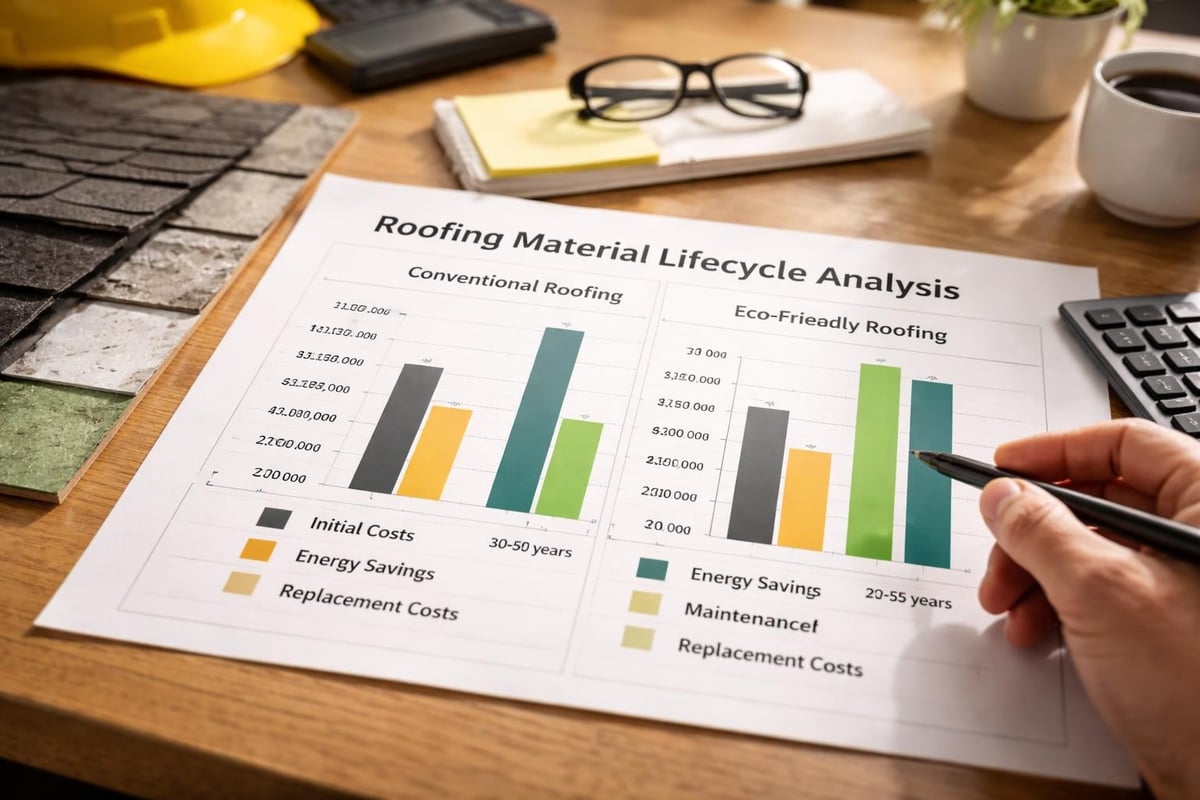
True cost comparison requires looking beyond installation prices to lifecycle expenses. A roof lasting 50 years costs significantly less per year of service than one requiring replacement every 15-20 years.
Environmental Impact Beyond Materials
Installation practices and maintenance approaches influence the overall environmental footprint of roofing projects. Waste management during replacement, chemical use in cleaning and treatment, and repair strategies all matter.
Waste Reduction During Replacement
Roofing tear-offs generate massive amounts of waste. A typical residential roof replacement produces 2-4 tons of material destined for landfills when using conventional disposal methods.
Strategies for reducing roofing waste:
-
Recycling programs for asphalt shingles into paving materials
-
Salvaging reusable metal components
-
Donating usable materials to reuse organizations
-
Overlay installations when existing roof condition allows
-
Precision ordering to minimize excess material
Some municipalities offer recycling programs specifically for roofing materials. Asphalt shingles can be ground and incorporated into road surfaces, keeping thousands of tons out of landfills annually.
Maintenance Impact on Longevity
Regular inspection and minor repairs extend roof lifespan significantly. Catching small issues before they become major problems reduces material consumption by delaying replacement timelines.
When roof repair addresses specific problem areas rather than replacing entire sections unnecessarily, material use decreases while maintaining protection. Honest assessment of what actually needs attention versus what can remain prevents premature disposal of serviceable materials.
Cleaning methods matter too. Eco-friendly moss and algae treatments avoid harsh chemicals that run off into groundwater and ecosystems. Zinc or copper strips installed at ridge lines provide ongoing growth prevention through natural metallic action rather than repeated chemical applications.
Professional Guidance for Sustainable Choices
Navigating eco roofing solutions requires understanding how different options interact with your specific building, budget, and environmental goals. Professional evaluation identifies which sustainable approaches deliver the best combination of performance and environmental benefit for your situation.
The Center for Environmental Innovation in Roofing works to advance environmentally responsible roof systems through research and education. Their resources help both professionals and homeowners understand the evolving landscape of sustainable roofing technology.
Questions to Ask Roofing Professionals
Understanding what matters helps you evaluate contractors and material recommendations effectively.
-
What percentage of the material contains recycled content?
-
How does the expected lifespan compare to conventional options?
-
What energy efficiency improvements can I expect?
-
Are there local recycling options for this material at end of life?
-
How do maintenance requirements differ from traditional roofing?
-
What warranties cover both materials and installation?
-
Can you provide references from similar eco-friendly installations?
Transparent answers to these questions reveal whether a contractor understands sustainable roofing or simply uses environmental language for marketing purposes. Look for specific data about products and honest discussion of trade-offs rather than claims that one solution solves everything.
Certifications and Standards for Eco Roofing
Third-party verification helps identify genuinely sustainable products among growing marketing claims. Several organizations provide certification and testing for environmental roofing products.
ENERGY STAR certification identifies roofing products meeting strict energy efficiency guidelines. Qualified products reflect more solar energy and reduce cooling demands.
LEED (Leadership in Energy and Environmental Design) credits recognize sustainable roofing choices in green building certification programs. Points are awarded for recycled content, heat island reduction, and renewable energy generation.
Cool Roof Rating Council (CRRC) provides independent ratings for solar reflectance and thermal emittance. These standardized measurements allow direct comparison across products and manufacturers.
Green Label certifications verify recycled content percentages and manufacturing process environmental standards. These third-party validations confirm marketing claims with actual testing data.
Future Trends in Sustainable Roofing
Research continues advancing eco roofing solutions with new materials and technologies. Understanding emerging trends helps homeowners make decisions that remain relevant as the industry evolves.
Advanced coating technologies promise even better reflective properties while maintaining color options beyond traditional white cool roofs. Infrared-reflective pigments allow darker aesthetic choices without sacrificing heat rejection performance.
Integrated solar products continue improving efficiency while reducing installation complexity. As research into climate adaptation strategies advances, building systems including roofing play increasing roles in environmental response.
Biomimetic materials inspired by natural systems show promise for self-cleaning surfaces, improved water management, and temperature regulation. These innovations may deliver environmental benefits through entirely new approaches rather than incremental improvements to existing materials.
Emerging sustainable roofing technologies:
-
Phase-change materials storing and releasing thermal energy
-
Photocatalytic surfaces breaking down air pollutants
-
Self-healing materials extending lifespan
-
Transparent solar cells generating power without obscuring views
-
Mycelium-based biodegradable roofing components
Market trends indicate growing consumer preference for environmentally conscious roofing solutions with benefits including energy efficiency and reduced environmental impact. This demand drives continued innovation and broader availability of sustainable options.
Regional Availability and Supply Chains
Material accessibility varies by location. Transportation distances impact the environmental footprint of even sustainable products. Locally manufactured options reduce shipping emissions while supporting regional economies.
Eastern North Carolina’s proximity to manufacturing centers affects which products offer the best overall environmental profile. Metal roofing produced within a few hundred miles carries lower transportation impact than specialty tiles shipped across the country.
Building relationships with suppliers focused on sustainable products helps homeowners access newer technologies as they become available. Local roofing professionals familiar with eco-friendly roofing options adapted to regional climates provide valuable guidance on what works in specific conditions.
Climate Resilience Through Sustainable Design
Eco roofing solutions increasingly intersect with climate adaptation strategies. Materials and designs that perform well during extreme weather events while minimizing environmental impact represent smart long-term investments.
Hurricane-rated sustainable materials protect homes without compromising environmental goals. Impact-resistant recycled shingles and properly fastened metal roofing combine storm protection with ecological responsibility.
Heat wave resilience comes through reflective surfaces keeping indoor temperatures manageable during extended hot periods. As climate patterns shift, cooling load management grows more important for both comfort and energy consumption.
Flood resistance through elevated designs and water-shedding materials protects structures while managing stormwater responsibly. Green roofs excel at rainfall absorption, reducing runoff volume during increasingly common intense precipitation events.
Choosing eco roofing solutions means balancing environmental responsibility, performance needs, and budget realities while considering long-term value over decades of service. Sustainable roofing delivers real benefits through lower energy costs, extended durability, and reduced environmental impact when matched properly to your home’s specific requirements. If you’re exploring roofing options in Eastern North Carolina, NC Roofs provides honest guidance and clear pricing to help you understand which solutions make sense for your situation without unnecessary pressure or upsells.