Choosing the right roofing approach in North Carolina involves more than picking shingles from a catalog. The state's varied climate, coastal weather patterns, and specific building requirements create unique challenges that affect how long your roof lasts and how much you'll spend on maintenance. Whether you're dealing with storm damage in Eastern North Carolina or planning a full replacement, understanding what makes NC roofing different helps you make better decisions about protecting your home.
Climate Factors That Shape NC Roofing Choices
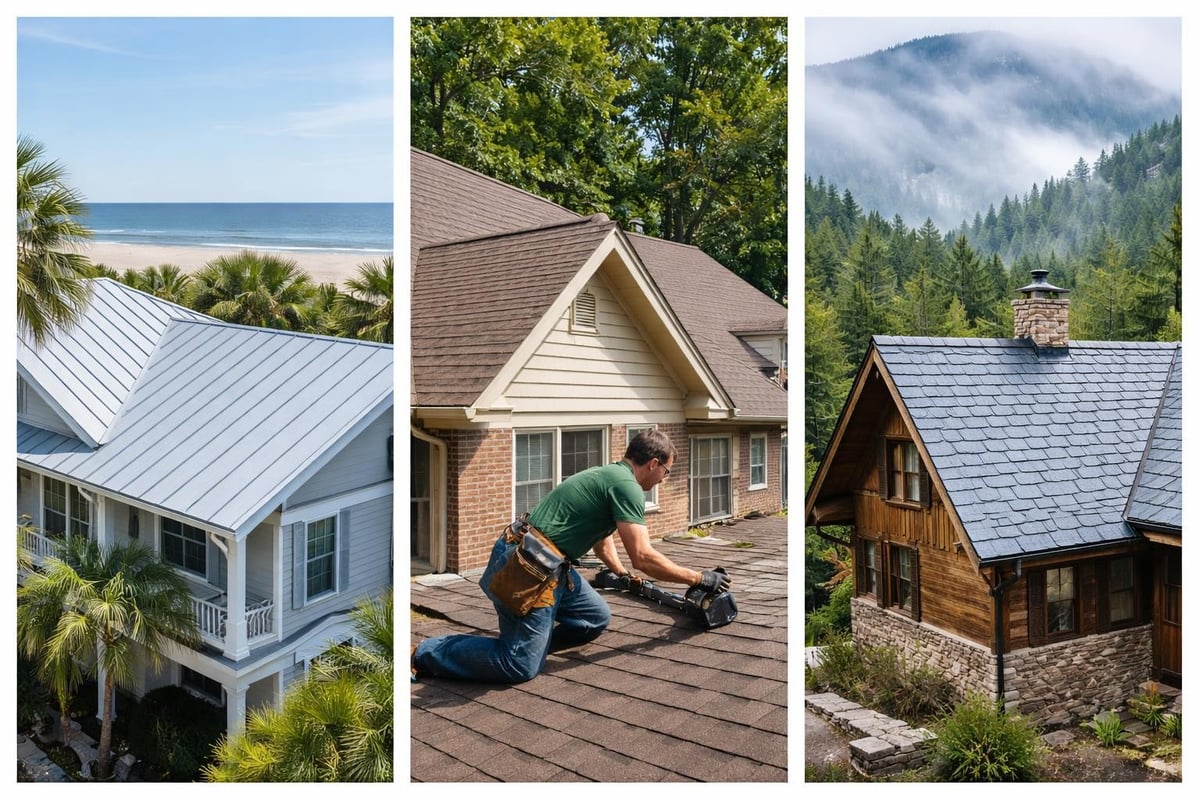
North Carolina spans multiple climate zones, from coastal humidity to mountain weather patterns. Eastern North Carolina faces particular challenges with hurricane season, salt air exposure, and intense summer heat combined with high humidity.
These conditions affect roofing materials differently than they would in drier or cooler regions. Asphalt shingles, the most common choice across the state, need to withstand temperature swings that can exceed 60 degrees between winter nights and summer days. Metal roofing has gained popularity because it handles wind uplift better during storms and reflects heat more effectively than traditional materials.
Weather Patterns and Material Performance
The coastal plain experiences different stress factors than the piedmont or mountain regions. Salt air accelerates corrosion on metal components like flashing and fasteners. Heavy rain events, increasingly common in recent years, test drainage systems and reveal weak points in valley construction.
Key weather considerations for nc roofing include:
- Hurricane-force winds requiring enhanced fastening systems
- High humidity promoting algae and moss growth
- Thermal cycling causing shingle degradation
- Heavy rainfall demanding proper valley and flashing design
- Salt exposure affecting metal components near the coast
Wind ratings matter more in North Carolina than in many other states. Understanding the best roofing materials for NC weather helps homeowners select options that match their specific location's demands rather than simply choosing the cheapest available shingles.
Licensing and Regulatory Requirements
North Carolina maintains specific requirements for roofing contractors that protect homeowners from unlicensed work. The state requires general contractors performing roofing work above certain cost thresholds to hold an active license, and understanding these requirements helps you identify qualified professionals.
Licensing requirements for roofers in North Carolina vary based on project cost and scope. Contractors bidding jobs over $30,000 must hold a general contractor license, while smaller projects may require different classifications. This system ensures that larger investments receive oversight from professionals who've demonstrated competency.
State Standards and Building Codes
The State Construction Office establishes roofing criteria that govern how work should be completed on public buildings, and these standards often influence best practices for residential projects. These guidelines cover everything from underlayment specifications to fastener patterns.
| Requirement Type | What It Covers | Why It Matters |
|---|---|---|
| Wind Resistance | Fastening patterns, shingle ratings | Prevents blow-offs during storms |
| Flashing Standards | Valley construction, penetrations | Stops water intrusion |
| Ventilation Requirements | Intake and exhaust ratios | Extends shingle life, prevents ice dams |
| Underlayment Specifications | Material type, overlap requirements | Creates backup water barrier |
Hiring a licensed general contractor for roofing projects provides accountability and ensures work meets code requirements. Licensed contractors carry insurance, understand local permitting, and follow manufacturer installation guidelines that protect warranty coverage.
Common NC Roofing Materials and Their Performance
Material selection affects both upfront cost and long-term performance. Each option handles North Carolina's climate differently, and understanding these differences helps match materials to your home's needs and your budget.
Asphalt Shingles
Three-tab and architectural shingles dominate the nc roofing market because they balance cost with acceptable performance. Architectural shingles typically last 20 to 30 years in North Carolina conditions, while three-tab versions may need replacement sooner due to thinner construction.
Performance factors for asphalt shingles:
- Color affects heat absorption and attic temperatures
- Algae-resistant granules extend appearance in humid climates
- Impact ratings matter in hail-prone areas
- Wind resistance ratings should match local exposure
- Proper ventilation prevents premature aging
Metal Roofing
Standing seam and corrugated metal roofing systems cost more upfront but offer 40 to 70 years of service life. Metal handles wind better than shingles, sheds water quickly, and reflects solar heat to reduce cooling costs.
The coastal environment requires careful material selection for metal roofing. Galvalume and aluminum resist salt air better than standard galvanized steel. Fastener choice matters because mismatched metals create galvanic corrosion that leads to early failure.
Alternative Materials
Tile, slate, and cedar shake roofing appear less frequently in Eastern North Carolina but suit certain architectural styles and budgets. Tile and slate provide excellent durability but require structural support because of their weight. Cedar shake offers natural beauty but demands more maintenance in humid climates where mildew and rot present constant challenges.
Storm Damage and Insurance Considerations
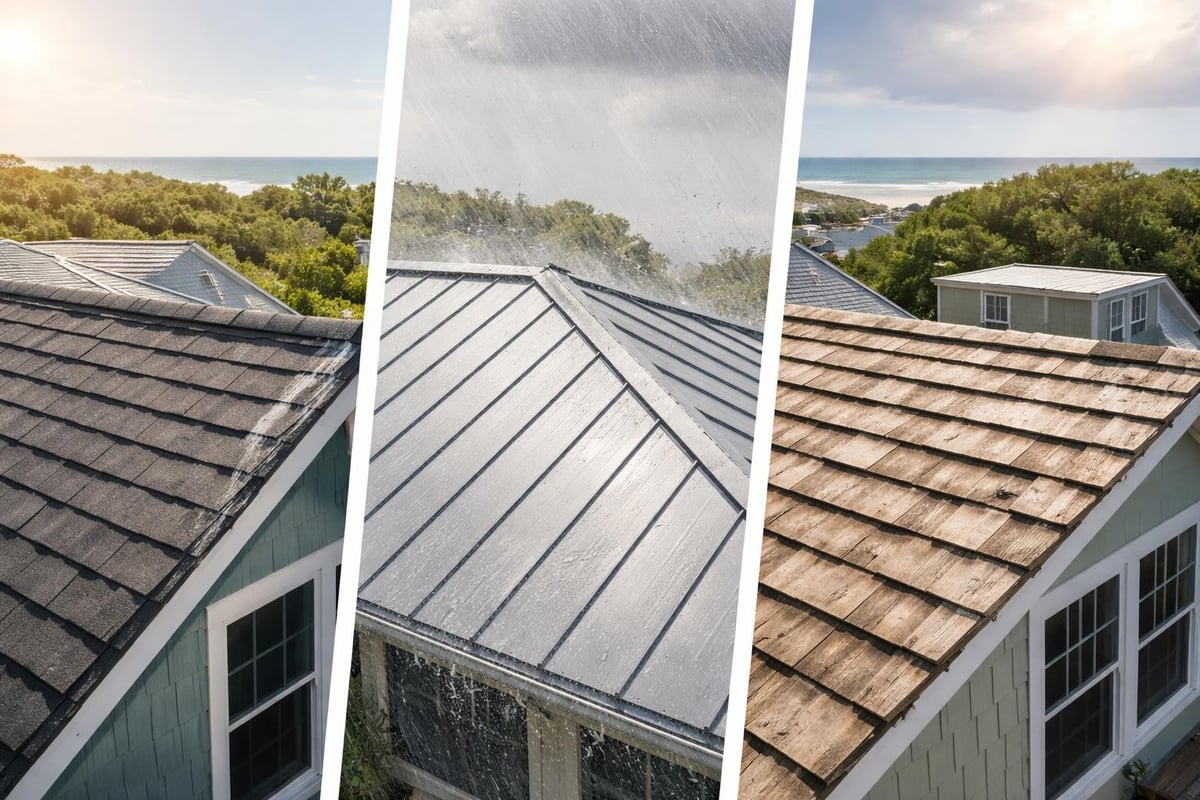
Hurricane season brings wind and water damage that tests every roof in Eastern North Carolina. Understanding how insurance handles roofing claims helps homeowners navigate the repair or replacement process without unnecessary conflict.
Most insurance policies cover sudden storm damage but exclude damage from deferred maintenance or normal aging. The challenge comes in distinguishing between these categories, especially when a storm reveals existing problems or accelerates deterioration that was already underway.
Documentation and Inspection
Proper documentation starts before storms arrive. Photographs of your roof's condition create baseline records that help establish what damage is new versus pre-existing. After a storm, professional inspection identifies specific damage that meets insurance coverage criteria.
When dealing with roof repair across Eastern North Carolina, starting with a detailed roof report helps homeowners understand what actually needs attention versus what contractors might recommend unnecessarily. This approach separates storm damage from general wear and gives you clear information for insurance discussions.
Steps for handling storm damage:
- Document damage with dated photographs
- Contact your insurance company promptly
- Get a professional inspection before signing contracts
- Review estimates against actual damage found
- Understand your deductible and coverage limits
- Don't sign assignment of benefits without careful consideration
Cost Factors and Budget Planning
NC roofing costs vary significantly based on materials, roof complexity, and current market conditions. In 2026, material costs remain elevated compared to pre-pandemic levels, and labor availability affects pricing across the region.
A typical asphalt shingle replacement on a 2,000-square-foot home ranges from $8,000 to $15,000 depending on pitch, complexity, and material quality. Metal roofing costs roughly double that range but includes longer warranties and superior wind resistance.
Hidden Costs to Consider
Beyond the obvious material and labor expenses, several factors affect total project cost. Decking replacement becomes necessary when water damage has rotted the substrate. Permit fees, dumpster rental, and disposal costs add to the bottom line. Complex roof designs with multiple valleys, dormers, or steep pitches increase labor time and material waste.
| Cost Component | Typical Range | Notes |
|---|---|---|
| Asphalt Shingles | $350-$550/square | Varies by quality tier |
| Metal Roofing | $700-$1,200/square | Includes standing seam systems |
| Decking Replacement | $60-$90/sheet | When substrate is damaged |
| Tear-off and Disposal | $100-$150/square | For existing roof removal |
| Permits and Inspections | $150-$500 | Varies by jurisdiction |
Current Trends Shaping the Industry
The nc roofing industry continues evolving with new materials, installation techniques, and business practices. Recent trends in NC’s roofing installation industry show increased adoption of sustainable materials and technological improvements in installation methods.
Technology Integration
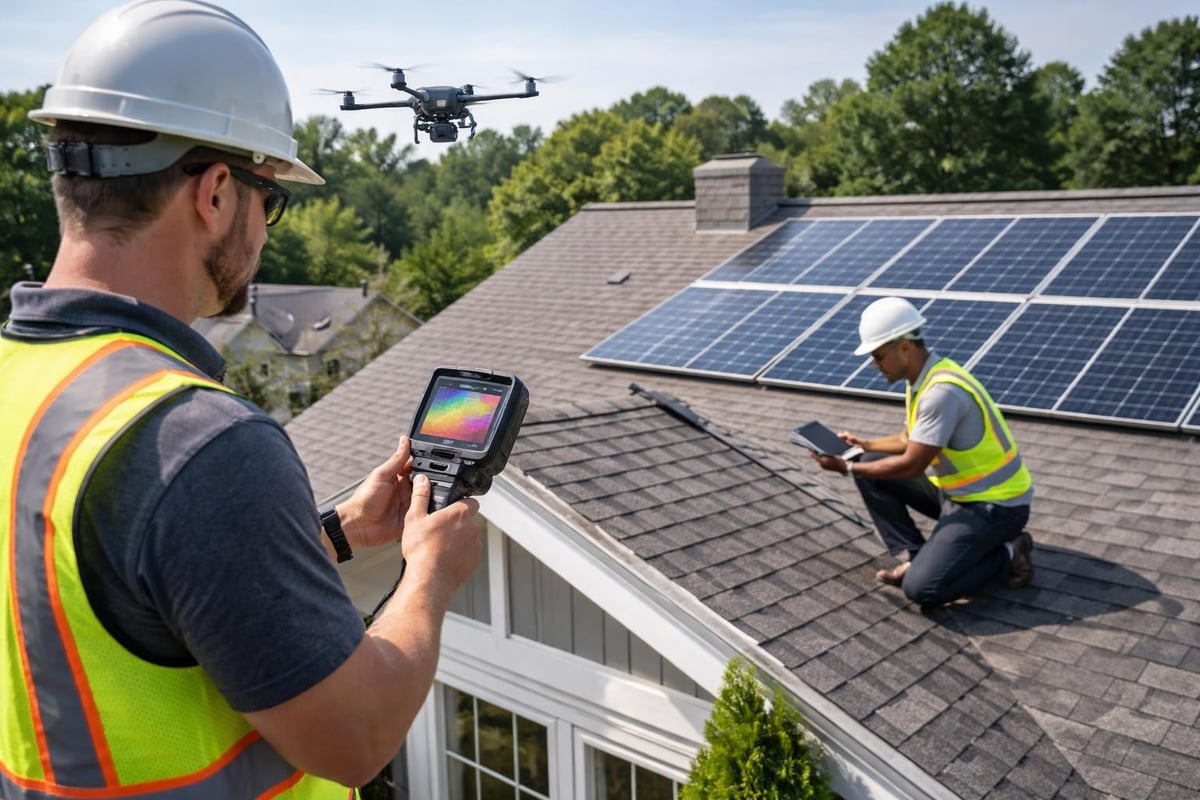
Drone inspections have become standard practice for assessing roof condition and documenting storm damage. This technology provides detailed imagery without requiring inspectors to walk every roof, reducing safety risks while improving documentation quality.
Thermal imaging helps identify hidden moisture problems and insulation gaps that affect energy efficiency. These tools catch problems before they become visible leaks, allowing targeted repairs instead of full replacements.
Sustainable Options
Solar integration with roofing systems represents the fastest-growing segment in residential roofing. Solar shingles and integrated mounting systems allow homeowners to generate power while protecting their homes. Energy-efficient underlayments and reflective coatings reduce cooling costs in North Carolina's hot summers.
Recycled shingle programs and sustainable manufacturing processes appeal to environmentally conscious homeowners. Some manufacturers now produce shingles with recycled content or use processes that reduce carbon emissions during production.
Selecting a Contractor
Choosing who performs your roofing work matters as much as selecting materials. The market includes national chains, regional companies, and local contractors, each with different strengths and business models.
Red Flags to Avoid
Several warning signs indicate contractors you should avoid. Storm chasers who appear after weather events often provide poor work and disappear before warranty issues surface. Contractors who demand full payment upfront or pressure immediate decisions without allowing time for research rarely have your best interests in mind.
Warning signs when evaluating contractors:
- No physical address or only a P.O. box
- Pressure to sign contracts immediately
- Offers to waive insurance deductibles
- Significantly lower bids than competitors
- No references from recent local projects
- Reluctance to provide proof of insurance
- Vague contract terms without specific materials listed
What to Look For
Quality contractors provide detailed written estimates that specify materials by brand and grade. They carry current liability insurance and workers' compensation coverage. References from recent projects in your area demonstrate consistent work quality.
Transparency about pricing, timeline, and what the project includes separates professional operations from those cutting corners. Contractors who encourage you to understand your options rather than pushing specific products typically provide better long-term value.
Maintenance and Longevity
Even the best roofing materials require periodic maintenance to reach their expected lifespan. North Carolina's climate demands more attention than drier regions because humidity, organic growth, and storm debris create ongoing challenges.
Preventive Maintenance Schedule
Annual inspections catch small problems before they become expensive repairs. Spring and fall provide ideal timing, allowing you to address issues before severe weather seasons. Professional inspections cover areas homeowners often miss, like flashing condition, fastener integrity, and subtle signs of water infiltration.
Key maintenance activities:
- Clear debris from valleys and gutters quarterly
- Trim overhanging branches to reduce organic buildup
- Address missing or damaged shingles promptly
- Clean algae and moss growth before it damages shingles
- Inspect attic ventilation and insulation annually
- Check flashing around chimneys and penetrations
- Document roof condition with dated photographs
Common Problems and Solutions
Algae staining affects appearance but also reduces shingle life by retaining moisture. Zinc or copper strips installed at the ridge prevent growth on lower sections. Missing shingles from wind events need immediate replacement to prevent water damage to decking.
Valley problems cause a disproportionate amount of leaks because water concentrates in these areas. Proper valley construction uses ice and water shield underlayment and careful shingle weaving or metal valley installation techniques that handle high water volume.
Regional Considerations in Eastern North Carolina
Eastern North Carolina presents specific challenges that differ from piedmont or mountain regions. Coastal proximity, water table levels, and hurricane exposure require adapted approaches to roofing design and material selection.
Salt air affects metal components faster than inland locations. Galvanized flashing and standard fasteners corrode within years instead of decades. Stainless steel or copper fasteners cost more initially but avoid premature failure.
Flat or low-pitch roofs appear more commonly in coastal architecture but require different waterproofing approaches than steep-pitch designs. Modified bitumen, TPO, or EPDM systems handle low slopes better than shingles, which depend on gravity for water shedding.
Hurricane Preparedness
Enhanced fastening patterns and hurricane straps reduce wind damage during severe storms. Building codes in coastal counties require higher wind resistance ratings than inland areas. Investing in proper installation techniques costs less than repeated repairs after storm seasons.
Impact-resistant shingles carry higher ratings for hail damage, which affects insurance premiums in some areas. These materials cost 10 to 20 percent more than standard shingles but may qualify for insurance discounts that offset the difference over time.
Understanding Warranties and Coverage
Roofing warranties confuse many homeowners because they involve both manufacturer and contractor components. Understanding what each covers and their limitations helps set realistic expectations about long-term protection.
Manufacturer warranties cover material defects but rarely include installation problems. These warranties often have prorated coverage that reduces replacement value as the roof ages. A 30-year warranty might provide full replacement for the first 10 years but only credit toward materials for years 20 through 30.
Workmanship warranties from contractors cover installation errors and typically run 1 to 10 years depending on the company. These warranties matter more for immediate concerns because most installation problems surface within the first few years.
Warranty limitations to understand:
- Wind damage exclusions above certain speeds
- Required maintenance to maintain coverage
- Transferability restrictions if you sell your home
- Prorated value reduction over time
- Installation requirements that void manufacturer coverage
- Exclusions for algae or cosmetic issues
Navigating nc roofing decisions requires understanding how climate, materials, and local regulations interact to affect your home's protection and your budget. The right approach balances immediate needs with long-term performance while avoiding unnecessary upgrades that don't match your situation. For homeowners in Eastern North Carolina looking for honest guidance and clear pricing on roof repair or replacement, NC Roofs provides straightforward assessments that help you understand your actual options without pressure or upsells.
Article written using RankPill.