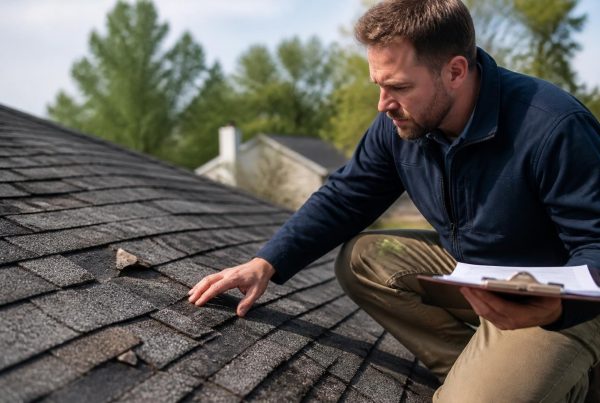
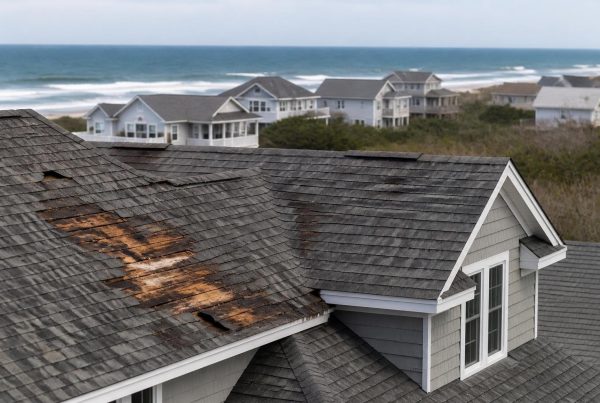
Searching for a roof inspection near me usually means something has caught your attention. Maybe you noticed a few missing shingles after a storm, spotted a water stain on the ceiling, or you are preparing to sell your home and need documentation. Whatever the reason, understanding what happens during a roof inspection and how to choose the right professional makes the process easier. For homeowners in Hampstead, Surf City, Wilmington, and coastal North Carolina, where salt air and summer storms test roofs year-round, knowing when to schedule an inspection and what to expect can save time, money, and stress.
What a Roof Inspection Actually Covers
A thorough roof inspection evaluates the entire roofing system, not just the visible shingles. Inspectors look at structural components, materials, drainage, ventilation, and signs of wear or damage that could lead to leaks or bigger problems.
Surface and Material Condition
The inspection starts with the roof surface itself. Inspectors check shingles, tiles, or metal panels for:
- Cracking, curling, or missing pieces
- Granule loss (especially on asphalt shingles)
- Blistering or bubbling
- Algae, moss, or staining
- Impact damage from hail or debris
They also examine flashing around chimneys, skylights, vents, and valleys. Flashing failures cause a large percentage of roof leaks, so inspectors pay close attention to sealant condition, rust, and proper installation.
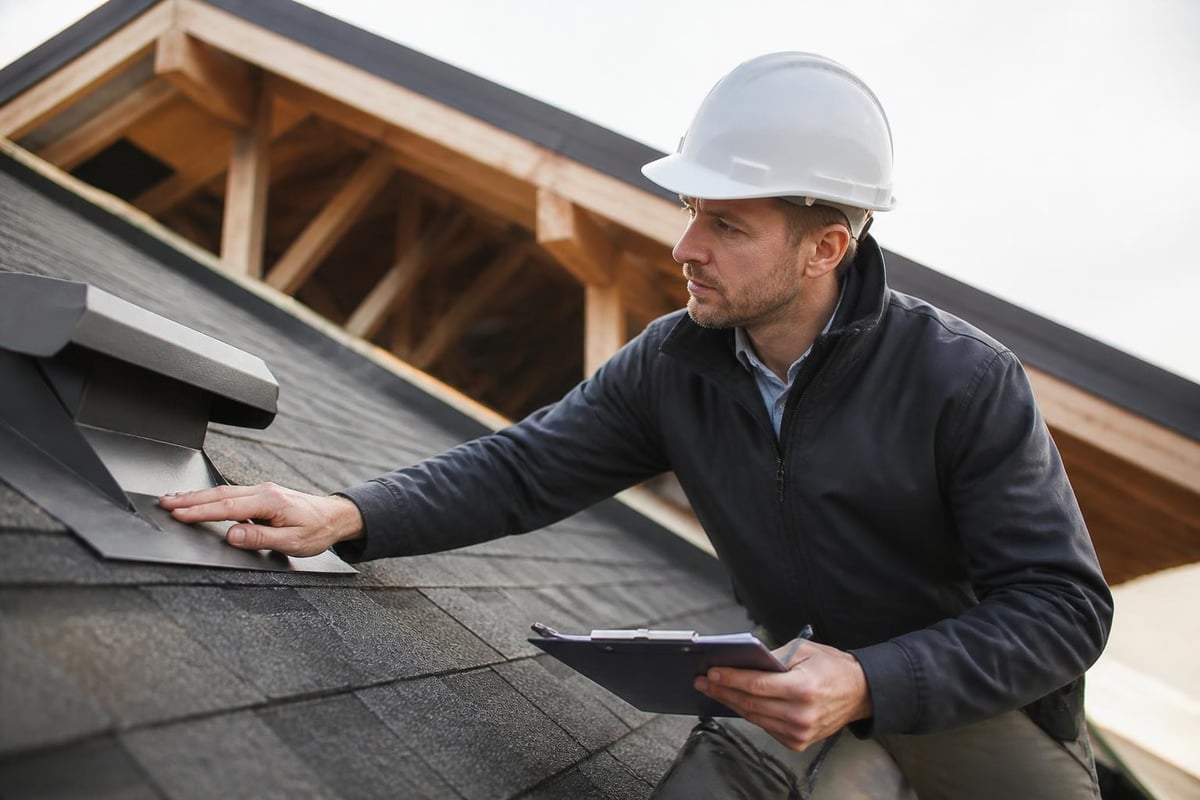
Structural Components
Inspectors look beyond the surface to assess the roof deck, rafters, and trusses. From the attic or interior, they check for:
- Sagging or uneven sections
- Water stains on wood
- Rot or mold growth
- Broken or damaged framing
According to the InterNACHI Standards of Practice, a complete inspection includes evaluating the roof structure for visible defects that could affect performance or safety.
Ventilation and Insulation
Proper ventilation controls heat and moisture in the attic. Inspectors verify that soffit vents, ridge vents, or gable vents are clear and functioning. Poor ventilation shortens shingle life and can lead to mold or ice damming in colder months.
They also note insulation condition, looking for gaps, compression, or moisture that could indicate a roof leak or condensation problem. The EPA’s moisture control guidance explains how roof-related moisture issues should be identified and managed to prevent long-term damage.
| Inspection Area | What's Checked | Why It Matters |
|---|---|---|
| Surface Materials | Shingles, tiles, metal condition | Prevents leaks, extends roof life |
| Flashing | Chimneys, vents, valleys, transitions | Most common leak source |
| Structure | Decking, rafters, framing | Safety and load-bearing capacity |
| Ventilation | Airflow, vent openings, blockages | Controls heat and moisture |
| Drainage | Gutters, downspouts, slope | Prevents water pooling and damage |
When You Should Schedule a Roof Inspection Near Me
Timing matters when it comes to roof inspections. Some situations clearly call for professional evaluation, while others depend on the age and condition of your roof.
After Severe Weather
Coastal North Carolina sees its share of tropical storms, hurricanes, and high winds. After any major weather event, it makes sense to schedule a roof inspection near me to document damage for insurance claims and identify repairs before small issues become leaks.
Wind can lift shingles, break seals, or send debris into the roof. Even if everything looks fine from the ground, an inspector can spot lifted tabs, cracked shingles, or damaged flashing that will fail during the next rain.
Before Buying or Selling a Home
Home sales almost always include a roof inspection as part of the overall home inspection. If you are buying, the inspection reveals the roof's condition and helps you negotiate repairs or price adjustments. If you are selling, getting your own inspection first lets you address problems on your terms instead of scrambling after a buyer's inspector finds issues.
Consumer Reports’ roofing guide walks through how homeowners can evaluate roof condition and decide when professional inspection is needed.
When You Notice Warning Signs
Certain signs mean you should not wait for the next scheduled inspection:
- Water stains on ceilings or walls
- Missing or damaged shingles visible from the ground
- Granules collecting in gutters
- Daylight visible through the attic
- Sagging roofline or uneven sections
These signals often point to active problems that will worsen without attention.
Routine Maintenance Checks
Even without obvious damage, scheduling a roof inspection every 3 to 5 years helps catch wear before it becomes expensive. Older roofs (15+ years) benefit from annual inspections to monitor remaining lifespan and plan for replacement.
For coastal homes, salt air accelerates corrosion on metal components, and UV exposure breaks down shingles faster than in inland areas. Regular inspections help you stay ahead of these conditions.
How to Find the Right Roof Inspector
Not all roof inspections are equal. The person you hire and the type of inspection you request affect the quality and usefulness of the report.
Types of Inspectors
You have a few options when searching for a roof inspection near me:
- Home inspectors conduct general inspections that include the roof as one component
- Roofing contractors offer free inspections focused on identifying repair or replacement needs
- Independent roof consultants provide detailed assessments without a sales angle
Each has trade-offs. Home inspectors give broad coverage but may lack roofing-specific expertise. Roofing contractors bring deep knowledge but may have an incentive to recommend work. Independent consultants offer unbiased reports but charge upfront fees.
What to Ask Before Hiring
When you contact a potential inspector, ask:
- How long have you been inspecting roofs?
- Are you licensed and insured?
- Do you provide a written report with photos?
- What does the inspection include? (roof surface, attic, structure, ventilation)
- How much does it cost?
A good inspector will explain their process, show credentials, and outline what you will receive. Avoid anyone who pressures you to commit to repairs before you have seen the full report.
Understanding the Report
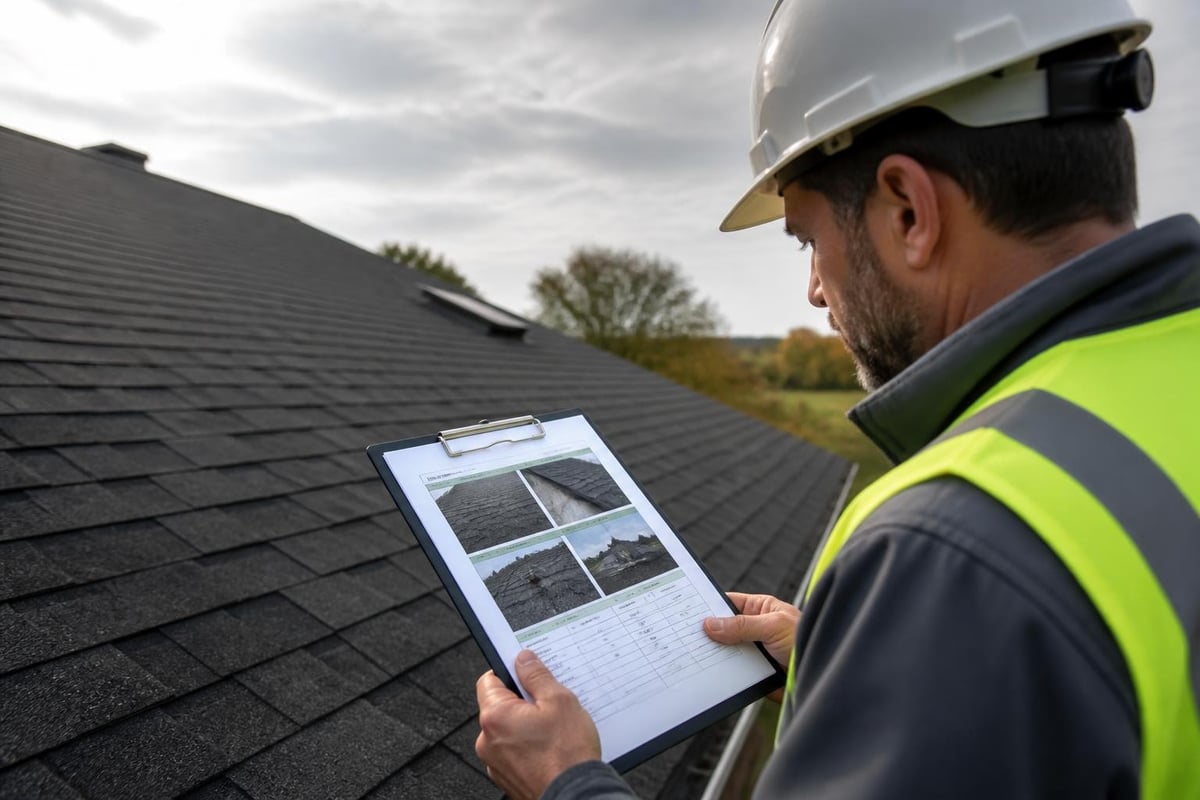
A quality roof inspection report includes:
- Photos of damage or problem areas
- Descriptions of findings in plain language
- Assessment of remaining roof life
- Repair or replacement recommendations
- Cost estimates (if applicable)
The report should help you make decisions, not confuse you. If something is unclear, ask for clarification. For homeowners considering insurance claims or planning for future work, a Roof Report that documents current conditions and explains options can guide decisions with confidence.
Roof Inspection Costs and What Influences Pricing
The cost of a roof inspection near me varies based on location, roof size, accessibility, and the type of inspection requested.
Typical Price Ranges
| Inspection Type | Cost Range | What's Included |
|---|---|---|
| Basic visual inspection (contractor) | Free – $150 | Surface check, obvious damage |
| Standard home inspection (includes roof) | $300 – $500 | General roof condition as part of full home review |
| Detailed roofing inspection | $200 – $600 | Comprehensive surface, structure, attic, and report |
| Drone-assisted inspection | $250 – $700 | High-resolution imaging for steep or inaccessible roofs |
Many roofing contractors offer free inspections, especially if you are considering repair or replacement work. The trade-off is that these inspections focus on selling services, not providing an independent evaluation.
Factors That Affect Cost
Several elements influence how much you will pay:
- Roof size and complexity (larger or multi-level roofs take longer)
- Roof pitch (steep roofs require safety equipment and more time)
- Accessibility (hard-to-reach areas increase difficulty)
- Report detail (written reports with photos cost more than verbal summaries)
- Location (inspection rates vary by region and market)
In coastal North Carolina, expect pricing on the lower to mid-range for most inspections, though complex or large homes may hit the higher end.
Free vs. Paid Inspections
Free inspections from contractors make sense when you already suspect you need work and want to understand scope and cost. The inspector will identify problems and provide estimates, which can be useful for planning.
Paid inspections from independent professionals work better when you need an unbiased assessment, are preparing for a home sale, or want documentation for insurance purposes. You pay for objectivity and detailed reporting without a sales agenda.
Common Problems Found During Roof Inspections
Inspectors routinely identify a set of issues that affect roofs in Eastern North Carolina. Knowing what to expect helps you understand findings and make informed decisions.
Missing or Damaged Shingles
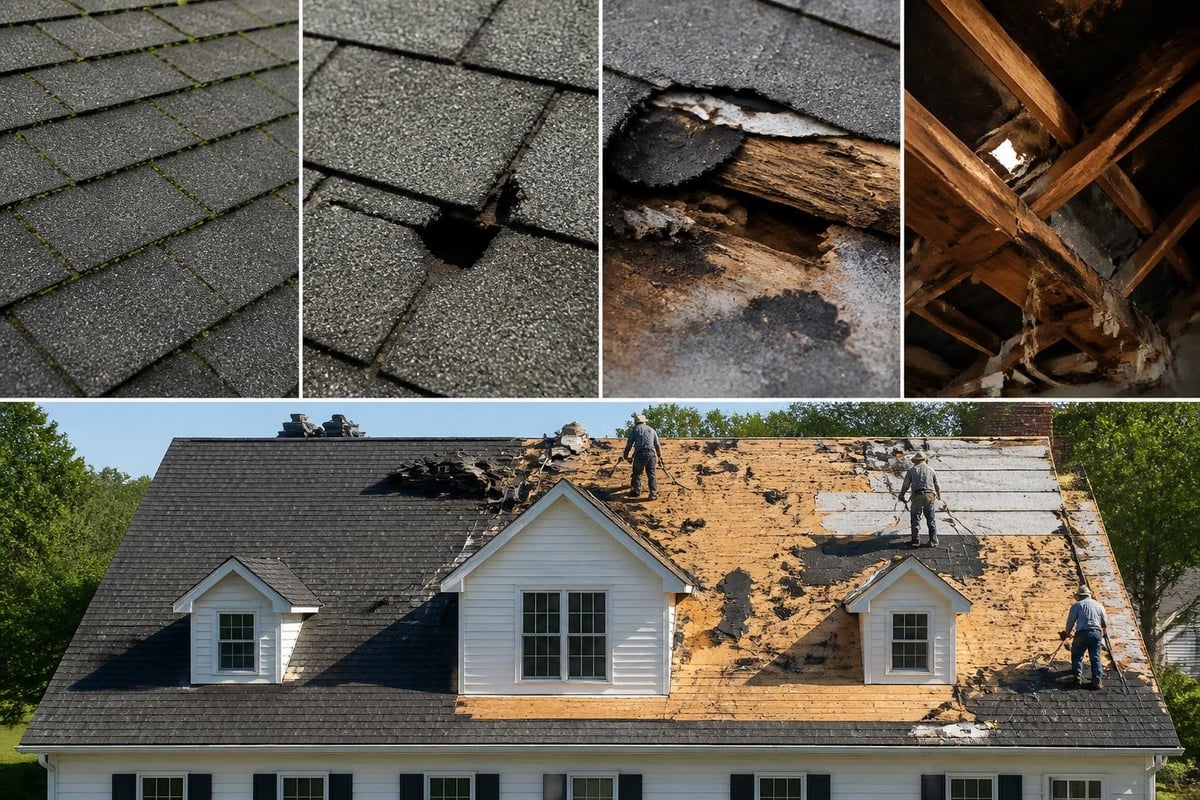
High winds, age, and poor installation cause shingles to lift, crack, or blow off entirely. Missing shingles expose the underlayment and deck to water, which accelerates deterioration.
Isolated damage usually calls for simple repairs. Widespread shingle failure often signals the roof is nearing the end of its lifespan and replacement makes more sense than patching.
Flashing Failures
Flashing around chimneys, skylights, vent pipes, and roof valleys prevents water from entering gaps and seams. When flashing rusts, pulls away, or develops cracks, leaks follow quickly.
Inspectors check sealant condition and look for gaps where water could penetrate. Flashing repairs are usually straightforward and inexpensive if caught early.
Ventilation Problems
Blocked soffit vents, missing ridge vents, or inadequate airflow trap heat and moisture in the attic. This shortens shingle life, promotes mold growth, and can warp decking.
Inspectors note ventilation deficiencies and recommend improvements. Adding or clearing vents extends roof life and improves energy efficiency.
Algae, Moss, and Organic Growth
Coastal humidity encourages algae and moss to grow on shingles, especially on north-facing slopes. While mostly cosmetic, heavy moss can trap moisture and damage shingles over time.
Inspectors document growth and may suggest cleaning or zinc strips to prevent recurrence. Building Science Corporation provides technical guidance on how moisture and organic growth affect roof performance.
Structural Issues
Sagging sections, broken rafters, or damaged decking indicate structural problems that need immediate attention. These findings often come from long-term leaks or undersized framing.
Structural repairs require more extensive work and sometimes engineering assessments, especially if the damage affects load-bearing components.
What Happens After the Inspection
Once the inspection is complete and you have the report, you need to decide what to do next.
Evaluating Recommendations
Review the findings and ask questions if anything is unclear. Separate urgent repairs (active leaks, structural damage) from lower-priority maintenance (cosmetic issues, minor wear).
If the inspector recommends replacement, ask why. How much life is left? Is repair a viable option? Getting a second opinion makes sense for major decisions.
Getting Repair Estimates
For repairs, contact local contractors for estimates. Provide the inspection report so they understand what needs fixing. Compare quotes based on scope, materials, warranty, and reputation, not just price.
In some cases, addressing a few issues now prevents bigger expenses later. Other times, investing in extensive repairs on an aging roof does not make financial sense, and replacement is the better choice.
Planning for Replacement
If the roof is nearing the end of its lifespan, start planning for replacement. Get multiple quotes, research materials suited to coastal conditions, and budget for the project.
Timing matters. Replacing before the roof fails completely avoids emergency situations and potential interior damage from leaks.
Using the Report for Insurance Claims
If storm damage was found, the inspection report serves as documentation for your insurance claim. Submit it along with photos and any contractor estimates.
Insurance adjusters use inspection reports to verify claims and determine coverage. A detailed, professional report strengthens your case and speeds the process.
Choosing Between Repair and Replacement
Not every roof problem requires full replacement. Understanding when repair makes sense and when replacement is the smarter investment helps you avoid unnecessary costs.
When Repair Is the Right Call
Repair works well when:
- Damage is localized (a few missing shingles, one section of flashing)
- The roof is less than 15 years old with no widespread issues
- Cost of repair is less than 25% of replacement cost
- The rest of the roof is in good condition with years of life left
Small repairs address immediate problems without the expense or disruption of a full roof replacement.
When Replacement Makes More Sense
Replacement becomes the better option when:
- The roof is over 20 years old and showing multiple signs of wear
- Damage is widespread across most of the roof
- Repair costs approach 30-40% of replacement cost
- Multiple layers of shingles exist (adding a third layer is not recommended)
- Frequent leaks keep occurring despite repairs
Replacing an aging, problem-prone roof saves money long-term and provides peace of mind.
| Factor | Favor Repair | Favor Replacement |
|---|---|---|
| Roof Age | Under 15 years | Over 20 years |
| Damage Extent | Isolated areas | Widespread |
| Repair Cost | Under 25% of replacement | Over 35% of replacement |
| Roof Condition | Generally sound | Multiple issues |
| Future Plans | Selling soon | Staying long-term |
Honest contractors will tell you when repair is enough and when replacement is the right move. Avoid anyone who pushes replacement for minor, repairable damage.
Questions to Ask Your Inspector
A good roof inspection includes clear communication. Before, during, and after the inspection, asking the right questions ensures you understand your roof's condition and your options.
Before the Inspection
- What does your inspection process include?
- Will you provide a written report with photos?
- How long does the inspection take?
- Do you inspect from the roof surface or only from the ground?
- Are you licensed and insured?
During the Inspection
- Can I accompany you? (Some inspectors allow this, others prefer to work alone for safety)
- What are you looking for specifically?
- Can you show me problem areas?
After the Inspection
- What are the most urgent issues?
- What can wait?
- How much life is left in the roof?
- Do you recommend repair or replacement, and why?
- What happens if I do nothing?
- Can you provide cost estimates or contractor referrals?
Do not hesitate to ask for clarification. A professional inspector wants you to understand the findings and make confident decisions.
How Roof Inspections Fit Into Home Maintenance
Regular roof inspections are part of a broader home maintenance strategy. Catching small problems early prevents expensive damage to ceilings, walls, insulation, and structural components.
Building a Maintenance Schedule
Create a simple schedule that includes:
- Annual gutter cleaning (especially after fall leaves)
- Roof inspection every 3-5 years (or after major storms)
- Attic checks twice a year for leaks, moisture, or ventilation issues
- Trim overhanging branches to prevent damage and reduce debris
Consistency matters more than perfection. Staying aware of your roof's condition helps you plan repairs and budget for eventual replacement.
Documenting Roof Condition Over Time
Keep records of inspections, repairs, and maintenance. Photos and written reports create a history that helps future inspectors understand what has been done and what to watch.
This documentation also supports insurance claims and adds value when selling your home. Buyers appreciate knowing the roof has been maintained and what to expect.
Working With Trusted Local Contractors
Building a relationship with a reliable roofing contractor in your area makes maintenance easier. They know local conditions, understand coastal challenges, and can respond quickly when problems arise.
For homeowners in Hampstead, Wilmington, Surf City, and surrounding areas, working with a local team familiar with Eastern North Carolina weather patterns and building codes ensures quality work and honest advice.
Understanding what a roof inspection involves and when to schedule one helps you protect your home and make smart decisions. Whether you are dealing with storm damage, planning a home sale, or simply keeping up with maintenance, a thorough inspection gives you the information you need. If you are searching for a roof inspection near me in Topsail, Holly Ridge, Wilmington, or anywhere along coastal North Carolina, NC Roofs provides honest assessments, clear explanations, and recommendations based on what actually makes sense for your home and budget.