Your roof protects everything inside your home, but most homeowners don't think about it until something goes wrong. Knowing the signs your roof needs repair helps you catch problems early, avoid bigger damage, and make informed decisions about what to fix and when. Living in coastal North Carolina means dealing with wind, salt air, storms, and heat, all of which take a toll on roofing materials. This guide walks through the most common warning signs, what they mean, and how to handle them without the guesswork.
Missing or Damaged Shingles
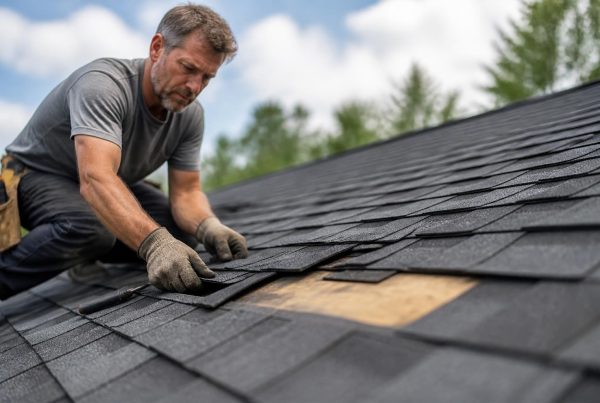
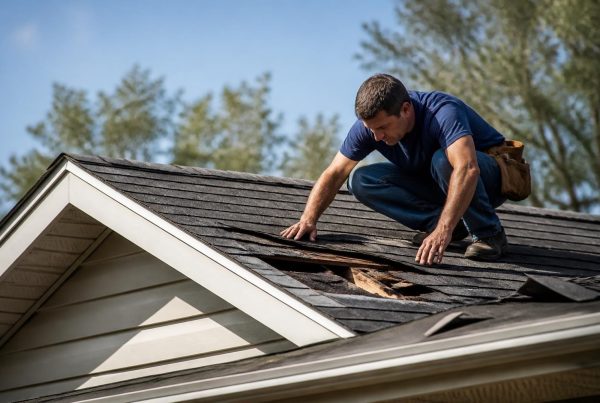
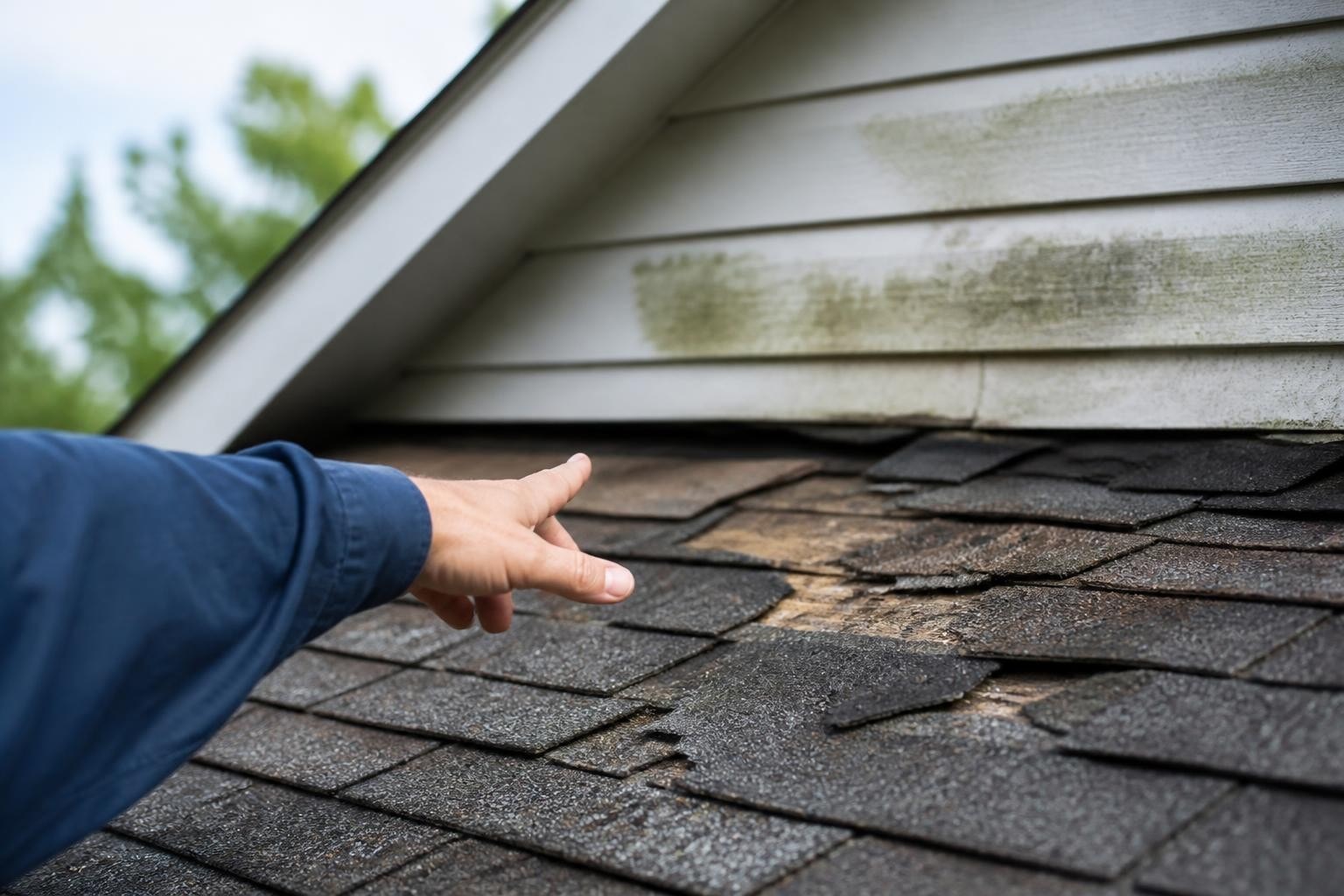
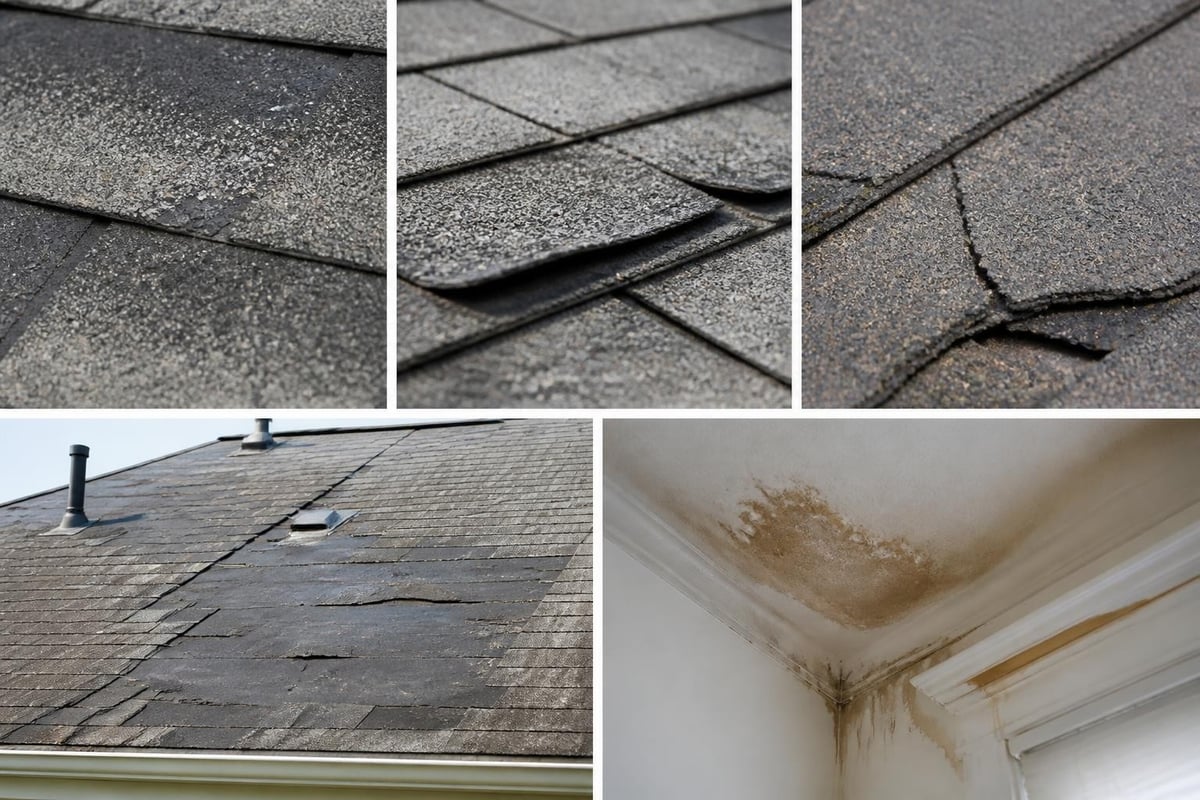
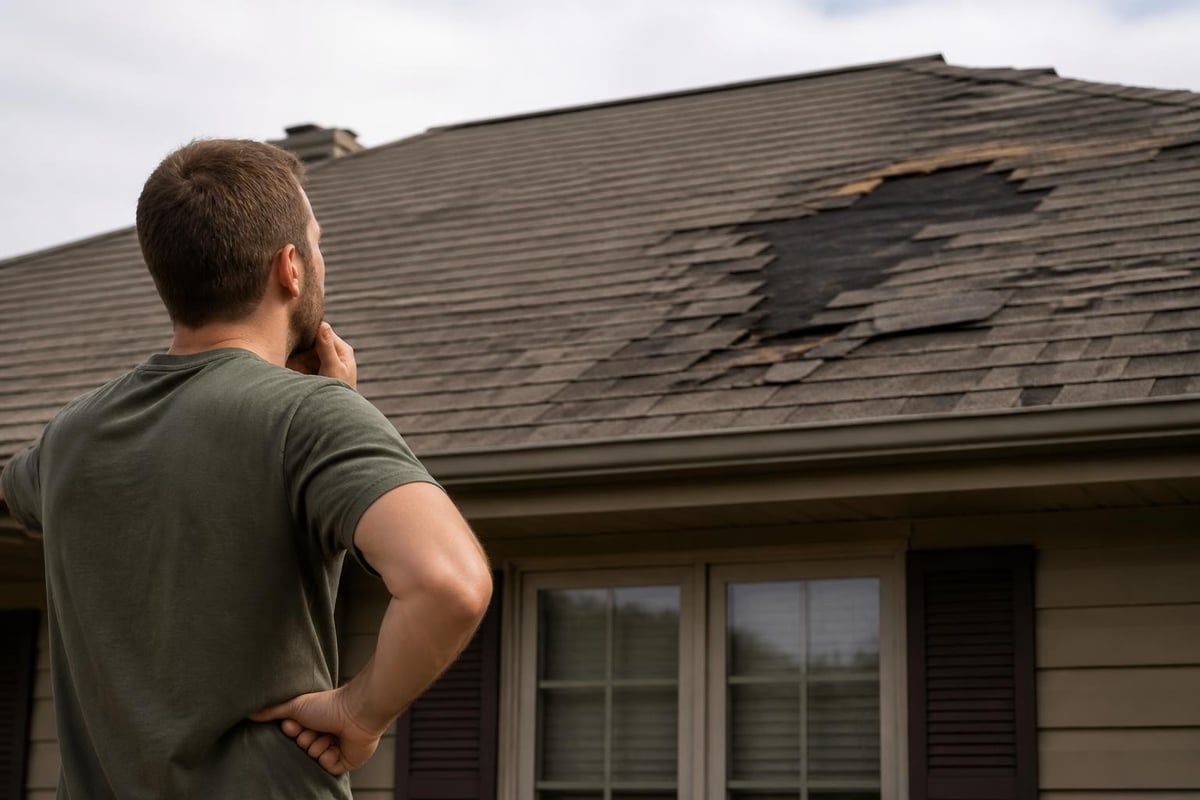
Missing shingles are one of the clearest signs your roof needs repair. After a storm, walk around your property and look up at your roofline. You might notice dark patches where shingles have blown off completely, exposing the underlayment or decking beneath.
Why shingles go missing:
- High winds lift edges and tear shingles loose
- Old adhesive fails from age and sun exposure
- Poor installation leaves gaps that catch the wind
- Impact from branches or debris during storms
Even a few missing shingles create vulnerabilities. Water can work its way under remaining shingles, soaking the underlayment and eventually reaching your attic. The sooner you address missing shingles, the less likely you are to deal with interior damage.
Damaged shingles include cracked, curled, or torn pieces that are still attached but no longer doing their job. Curling happens when shingles lose their flexibility due to age or poor ventilation. Cracks often develop from temperature swings and UV exposure.
Checking for Shingle Granules
Asphalt shingles are coated with granules that protect against UV rays and weather. Over time, these granules wear off. A small amount of granule loss is normal, especially on a newer roof during the first year.
Heavy granule loss is different. Check your gutters after a rain. If you see thick deposits of sand-like material, your shingles are breaking down. Bald spots on shingles mean they're nearing the end of their lifespan and won't protect as well against leaks.
| Granule Loss Level | What It Means | Action Needed |
|---|---|---|
| Light (a few granules in gutters) | Normal wear | Monitor during regular inspections |
| Moderate (noticeable thin spots) | Shingles aging | Plan for replacement within 1-2 years |
| Heavy (bald patches visible) | Urgent condition | Schedule repair or replacement soon |
Water Stains and Leaks Inside Your Home
Water stains on your ceiling or walls are direct signs your roof needs repair. These brown or yellow marks usually appear after heavy rain, though sometimes they take days to show up as water slowly works through insulation and drywall.
Not every ceiling stain means a roof leak. Plumbing issues, condensation, and attic moisture can all cause similar marks. But if stains appear near the roofline, grow after storms, or you notice dripping water, your roof is the likely source.
Common leak entry points:
- Valleys where two roof planes meet
- Flashing around chimneys and vents
- Edges near gutters and eaves
- Damaged or missing shingles
Check your attic during or right after a rainstorm if it's safe to do so. Look for wet insulation, water trails on rafters, or daylight coming through the roof deck. These are clear indicators that water is getting past your shingles.
Even small leaks cause problems over time. Wood rot weakens your roof structure. Mold grows in damp insulation and framing. Electrical wiring can be damaged. What starts as a minor drip can turn into a costly repair if ignored, making early roof repair the smarter choice for protecting your home.
Tracing the Source of Roof Leaks
Water doesn't always enter where it appears inside. It can travel along rafters or sheathing before dripping through your ceiling. A stain in your living room might come from a leak ten feet away near the ridge.
Start in your attic with a flashlight. Follow any water trails upward and outward toward the roof surface. Mark the area so a roofer knows where to focus. If you can't safely access your attic or don't see an obvious source, leave it to professionals who have the experience to trace complex leak paths.
Sagging Roof Sections
A sagging roofline is one of the most serious signs your roof needs repair. This isn't a cosmetic issue. It indicates structural problems that need immediate attention.
Sagging happens when roof decking, rafters, or support beams weaken from water damage, age, or poor construction. You might notice a dip or wave in your roofline when viewing your home from the street. Sometimes entire sections bow downward.
Walk through your attic and look at the underside of your roof. Sagging decking looks wavy or dips between rafters. If you see this, don't wait. Structural failures can worsen quickly, especially under the weight of rain or if another storm hits.
Causes of roof sagging:
- Prolonged water exposure rotting the decking
- Undersized or damaged rafters
- Too many layers of old shingles adding weight
- Poor original construction or modifications
This type of damage usually requires more than a simple patch. You may need decking replacement, rafter reinforcement, or other structural work. Understanding when repairs make sense versus replacement helps you plan the right fix for your situation.
Damaged or Missing Flashing
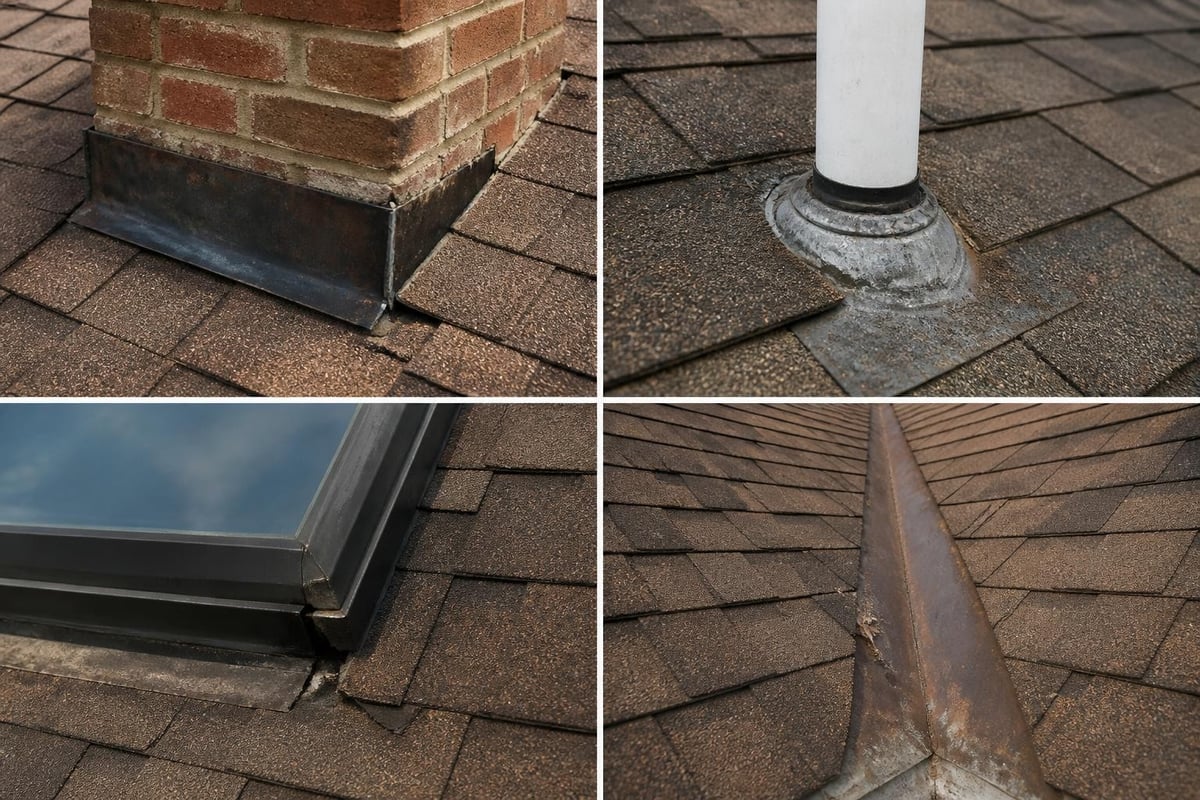
Flashing is the metal material installed around roof penetrations like chimneys, skylights, and vents. It channels water away from vulnerable spots where the roof plane changes or is interrupted. When flashing fails, leaks follow quickly.
Look for these flashing problems:
- Rust or corrosion eating through metal
- Lifted edges where flashing has pulled away from the roof or wall
- Cracks or holes in older flashing material
- Missing sections blown off during storms
Coastal homes deal with salt air that accelerates metal corrosion. What looks like solid flashing from the ground might be paper-thin and ready to fail. Catching corroded flashing early prevents water from reaching vulnerable areas around chimneys and vents.
Roofers can often repair or replace flashing without touching the surrounding shingles. This targeted fix addresses the leak source while keeping costs reasonable. It's one of those repairs that makes perfect sense to handle as soon as you notice the problem.
Clogged or Damaged Gutters
Your gutters aren't technically part of your roof, but they protect it from water damage. Clogged gutters overflow, sending water back under shingles at the roof edge. Over time, this causes rot along fascia boards and roof decking.
Gutter Warning Signs
| Issue | Why It Matters | Fix Timeline |
|---|---|---|
| Overflowing during rain | Water backing under shingles | Clean gutters within days |
| Sagging sections | Weight stress on fascia and roof edge | Repair within weeks |
| Granules collecting in gutters | Indicates shingle breakdown | Inspect roof condition soon |
| Plants growing in gutters | Long-term neglect, possible rot | Clean and assess damage immediately |
After coastal storms, check your gutters for debris. Pine needles, leaves, and sand can build up quickly. Regular cleaning protects your roof edge and foundation from water damage. If you see granules accumulating, that's a separate issue pointing to aging shingles that may need attention.
Pull-away gutters put stress on your fascia board and roof edge. The fascia supports your lower shingles, and if it rots from water exposure, those shingles lose their anchor point. Fixing gutters protects the roof structure they're attached to.
Daylight Through the Roof Boards
Step into your attic during the day and turn off any lights. If you see pinpricks or streams of daylight coming through your roof deck, you're looking at holes that will also let in water. This is among the most obvious signs your roof needs repair.
Small holes might come from driven nails that missed rafters, storm damage, or animals. Larger gaps suggest serious deterioration of your roof decking or missing shingles above.
Even tiny openings let in moisture. In coastal climates, that moisture brings humidity, condensation, and eventual wood rot. Address these gaps quickly, before the next rain turns small holes into bigger problems.
Moss, Algae, and Organic Growth
Dark streaks or green patches on your roof indicate algae or moss growth. In humid coastal areas like Eastern North Carolina, this growth is common and not always an emergency. But it's still a sign worth noting.
What different growth means:
- Black streaks (algae): Mostly cosmetic, but can hold moisture against shingles
- Green moss: Grows roots under shingle edges, lifting them and allowing leaks
- Lichen: Combination of algae and fungus with deeper root systems
Moss is the biggest concern because it physically damages shingles. Those roots work under the edges, breaking the seal and creating pathways for water. If you have thick moss growth, especially on north-facing slopes that stay shaded, removal and treatment should be part of your roof maintenance plan.
Don't power wash your roof. The pressure damages shingles and shortens their lifespan. Professional cleaning uses gentler methods that remove growth without creating new problems. Avoiding common roofing mistakes includes knowing when DIY efforts cause more harm than good.
Higher Energy Bills
An unexpected jump in your heating or cooling costs can be one of the subtle signs your roof needs repair. When your roof's insulation gets wet from leaks or ventilation fails, your HVAC system works harder to maintain comfortable temperatures.
Check for these connections between your roof and energy use:
- Wet insulation loses most of its R-value and stops protecting your home
- Poor attic ventilation traps heat in summer, forcing AC to run longer
- Air leaks around damaged flashing or shingles let conditioned air escape
- Ice dams in winter (rare but possible in NC) indicate ventilation and insulation problems
If your energy bills climb without explanation and you notice other roof issues, the problems are likely connected. A roof inspection can identify whether damage or poor ventilation is costing you money every month.
Storm Damage Assessment
After any significant storm with high winds, hail, or fallen branches, walk around your property and look for damage. Coastal storms in the Hampstead, Topsail, and Wilmington areas can be severe, and catching damage early helps with both repairs and insurance claims.
Post-storm inspection checklist:
- Missing or lifted shingles
- Dented or damaged flashing
- Debris in valleys or on the roof surface
- Granules washed into gutters
- Damaged or clogged gutters
- New water stains inside your home
Document everything with photos from the ground. Don't climb onto your roof, especially after a storm when surfaces are wet and debris makes footing dangerous. Professional inspectors have the safety equipment and experience to assess damage properly.
Some damage isn't visible from the ground. Hail can bruise shingles without creating obvious holes. Wind can lift shingle edges just enough to break the seal without tearing them completely off. These hidden problems often show up as leaks months later, making a professional inspection after major storms worthwhile.
Age of Your Roof
Even without obvious damage, roof age itself is a sign that repairs may become necessary soon. Asphalt shingles typically last 20 to 25 years in coastal environments, though quality materials and proper installation can extend that timeline.
If your roof is approaching or past its expected lifespan, small repairs become more frequent. At some point, the cost of ongoing patches exceeds the value of a full replacement. Knowing your roof's age helps you plan financially and make smart decisions when problems arise.
| Roof Age | Repair Strategy | Planning Considerations |
|---|---|---|
| 0-10 years | Fix issues as they appear | Should be minimal repairs |
| 10-15 years | Address problems promptly | Start budgeting for eventual replacement |
| 15-20 years | Evaluate repair vs. replace for each issue | Multiple repairs may indicate replacement soon |
| 20+ years | Consider full replacement | Repairs may only buy limited time |
Understanding how often roofs need replacing based on materials and conditions helps set realistic expectations. A 22-year-old roof with minor damage might be better served by replacement than another patch job.
Cracked or Damaged Chimney Masonry
Your chimney passes through your roof, and problems with the chimney itself often lead to roof leaks. Cracks in chimney masonry let water penetrate, and that water runs down inside the chimney structure before leaking into your home.
Check your chimney for crumbling mortar between bricks, cracks in the crown (the cement top of the chimney), or missing pieces. Water enters these openings, freezes and expands in winter, and widens the cracks over time.
Chimney flashing seals the gap between the chimney and your roof. Even if the chimney structure is sound, failed flashing creates an entry point for water. This often appears as water stains on the ceiling near the chimney or in adjacent rooms.
Light or Water in Your Attic After Rain
Your attic tells the real story of your roof's condition. After a rainstorm, check for standing water, damp insulation, or wet rafters. These are clear signs your roof needs repair, even if you don't see problems from outside.
Bring a flashlight and look carefully at:
- Roof deck (underside of your shingles): Dark stains or wet spots indicate active leaks
- Rafters and framing: Water trails show where leaks originate and how water travels
- Insulation: Wet or compressed insulation has lost effectiveness and may harbor mold
- Ventilation openings: Proper airflow prevents moisture buildup
Some homeowners avoid their attics, but regular checks catch problems before they become emergencies. You don't need to be an expert. Just knowing what dry, healthy attic space looks like helps you spot changes that warrant professional attention.
When to Call a Professional
Recognizing signs your roof needs repair is the first step. Knowing when to call for help is the second. Some homeowners try to handle small repairs themselves, which can work for truly minor fixes like replacing a single shingle. But most roof work requires experience, safety equipment, and an understanding of how different components work together.
Call a roofer when you notice:
- Multiple problem areas on your roof
- Any leak inside your home
- Structural issues like sagging
- Storm damage you can't fully assess
- Problems you don't feel comfortable diagnosing
Professional inspections give you a complete picture of your roof's condition. You'll understand what needs immediate repair, what can wait, and whether you're looking at targeted fixes or a larger project. For coastal North Carolina homeowners, working with local roofers who understand salt air, hurricane-force winds, and regional weather patterns ensures you get advice that fits your actual conditions.
Getting a clear roof report before making decisions helps you move forward with confidence, whether that means a straightforward repair or planning for replacement. You can explore more detailed information about common signs requiring professional roof repair to understand when immediate action protects your home and your budget.
Catching the signs your roof needs repair early protects your home from expensive damage and gives you time to make informed decisions. Whether you're dealing with missing shingles after a coastal storm, water stains that appeared after heavy rain, or just want to understand your roof's current condition, honest guidance makes all the difference. If you're in Hampstead, Topsail, Surf City, Holly Ridge, Wilmington, or surrounding areas and you've noticed any of these warning signs, NC Roofs provides straightforward inspections and clear recommendations so you know exactly what you're dealing with and what makes sense for your home.